

Keir Starmer Announces Resignation as UK Prime Minister
Syr Keir Starmer has declared his intention to resign as Prime Minister of the United Kingdom following the loss of support from several key members of the Labour Party.
After a turbulent period for the government and disastrous results for Labour in elections across the UK, dozens of MPs publicly called for change, including, eventually, prominent members within the cabinet.
Having been elected Prime Minister less than two years ago after his party won a general election with a sweeping majority, what went wrong for Starmer?
Who is Keir Starmer?
Born in Southwark, London, and raised in Surrey, Keir Rodney Starmer was politically active during his teenage years.
He graduated in law from the University of Leeds in 1985 and obtained a postgraduate degree in civil law at Oxford in 1986.
After being called to the Bar, he primarily worked in criminal defence, specialising in civil rights.
He served as a civil rights adviser to the Northern Ireland Policing Board.
For a period, he was Director of Public Prosecutions and Head of the Crown Prosecution Service, handling several major cases, including the Stephen Lawrence murder case.
He was knighted in 2014 for services to law and criminal justice.
A year later, he was elected to the House of Commons, representing Holborn and St Pancras since 2015.
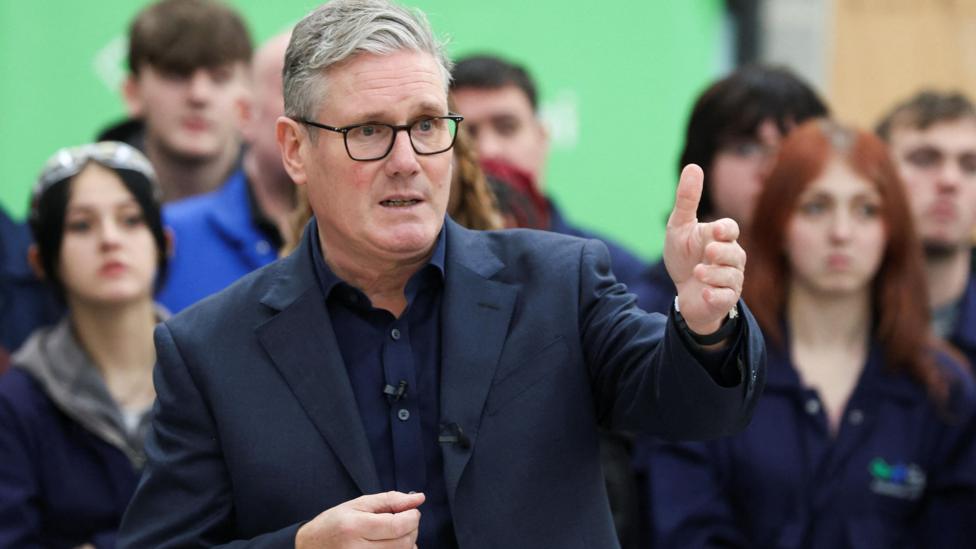
Syr Keir supported the campaign to remain in the European Union during the 2016 referendum and was an outspoken advocate for a possible second referendum on Brexit.
He served under Jeremy Corbyn as the opposition's Brexit spokesperson, and following Corbyn's resignation after Labour's defeat in the 2019 general election, Starmer won the leadership race to succeed him in 2020.
In 2024, he led the Labour Party to a decisive victory in the general election, ending 14 years of Conservative government.
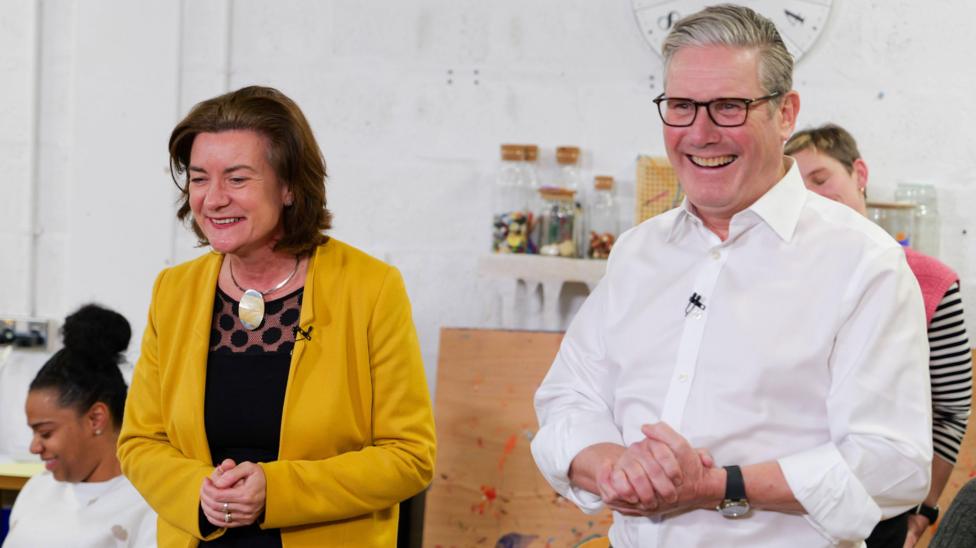
During his tenure as UK Prime Minister, Starmer had limited engagement in Wales.
He did not campaign in Caerphilly during the November 2025 by-election, where coming third with only 11% of the vote in one of his strongholds was a blow to Labour.
As the 2026 Senedd election approached, the gap between the two governments widened.
In December 2025, a group of Labour MPs in Cardiff sent a letter to Starmer expressing "growing concern" about the failure to deliver further devolution in Wales.
During his visit to Trelewis a few days later, Starmer insisted he "strongly believes in devolution."

In early March 2026, he had to defend his approach to Wales and Scotland again, a day after a letter sparked accusations that he was undermining devolution.
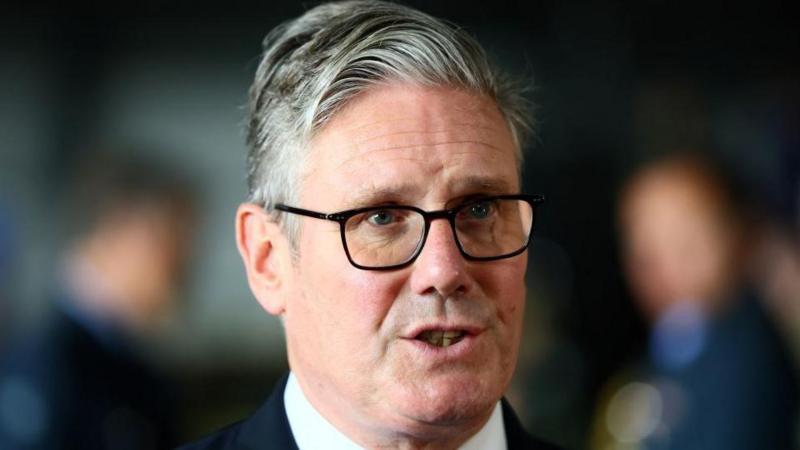
In early January 2026, the then Welsh First Minister, Eluned Morgan, warned Starmer that he would need to announce major plans for Wales if he wanted a warm welcome during the Senedd election campaign.
However, as some members in Wales called for his resignation following the Peter Mandelson incident, Ms Morgan reminded that without him, Wales would not have seen the greatest increase in funding for the country.
"We would not have had the major announcement regarding Wylfa and the development of small modular reactors to transform the economy of North Wales, and to protect people in South Wales where the old coal tips have been," she said.
"None of those things were there under previous Conservative prime ministers, and it is good to see that Keir Starmer has addressed those issues."
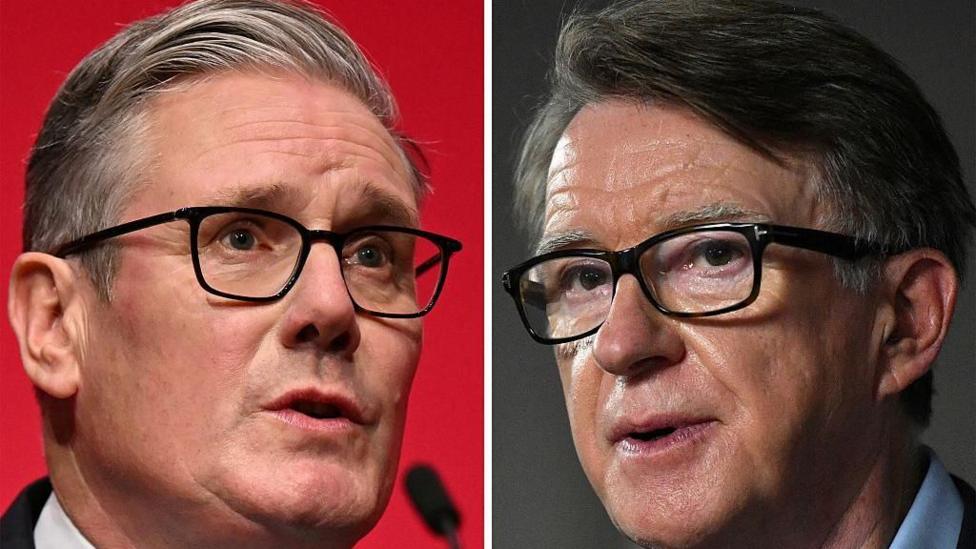
The decision to appoint Peter Mandelson as the United States ambassador was one of the reasons behind the pressure on Starmer.
Under Starmer's leadership, the UK government ended some winter fuel payments, increased the minimum wage, and sought to tackle prison overcrowding and settle several public sector strikes.
In foreign policy, Starmer strongly supported Ukraine in the war with Russia.
Regarding the Gaza conflict, he called for a ceasefire and the lifting of blockades, formally recognising the State of Palestine.
His Labour government succeeded in negotiating free trade agreements with India, the European Union, and the United States, as well as transferring sovereignty of the Chagos Islands to Mauritius following advice from a ruling by the International Court of Justice.
There has been talk for some time that Andy Burnham is considering challenging Starmer for the prime ministership.
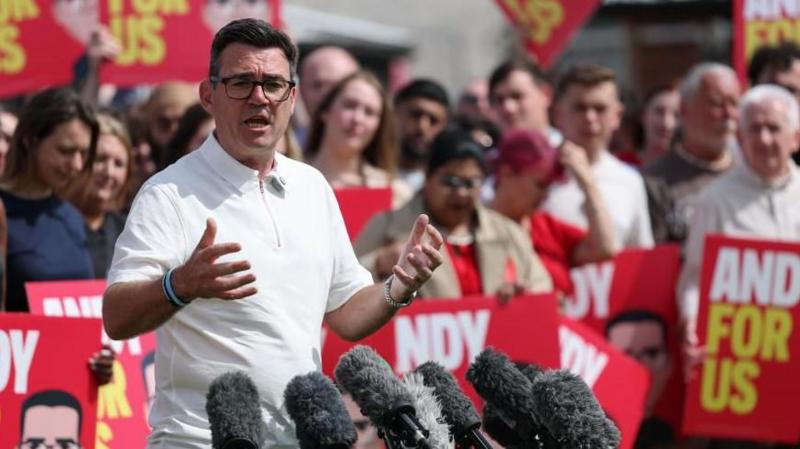
However, Starmer's decision to appoint Peter Mandelson as US ambassador became highly controversial after documents shed new light on Mandelson's relationship with the late sex offender Jeffrey Epstein.
There was also significant dissatisfaction following Labour's very poor performance in the parliamentary elections in Wales and Scotland, and the local elections in England on 7 May.
Calls within the party for change increased, with Welsh MPs among dozens publicly calling for his resignation.
Following Andy Burnham's comfortable victory in the Makerfield by-election last week, in an area where Reform UK performed very well in the recent local elections, some senior cabinet members privately expressed doubts about Starmer's ability to continue as leader.
Over the weekend, there were signs that he was considering a timetable to hand over leadership, after weeks of insisting he would fight to remain Prime Minister.
Starmer is leaving after less than two years at Number 10, and Labour's focus will now turn to appointing a successor who can unite the party and calm members' concerns across the country.
Follow Cymru Fyw on Facebook, X, Instagram, or TikTok.
Send any story ideas to cymrufyw@bbc.co.uk or contact via WhatsApp on 07709850033.
for the latest from Wales on your mobile device.
Relevant Stories
- Two Welsh Labour MPs call on Keir Starmer to resign
- Eluned Morgan: The Prime Minister who could not stop the tide
- Ken Skates appointed interim leader of Welsh Labour


