

Karl Whitcombe's 40th Birthday Marred by Homophobic Abuse
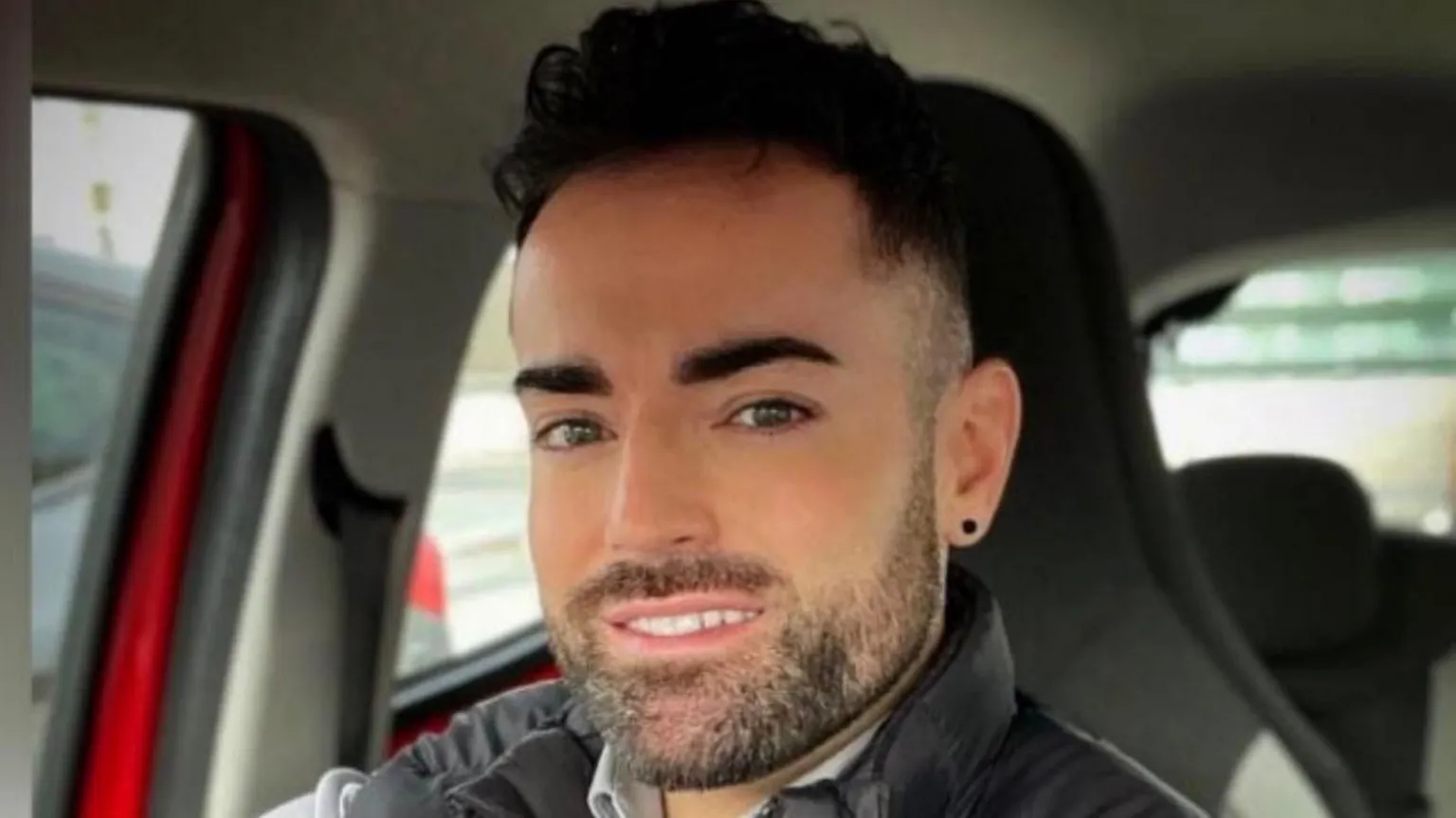
Karl Whitcombe's 40th birthday week was intended to be a time of celebration with family, friends, and dancing. However, during evenings out in Cardiff in March, he and his partner were subjected to homophobic slurs from two separate groups of young men, leaving them feeling "gobsmacked" and "angry".
"It put a dampener on what had been a joyful couple of days celebrating my birthday,"Whitcombe said, adding,
"it feels like we're going backwards in some ways."
The LGBTQ+ rights charity Stonewall has described the number of hate crimes based on sexual orientation in the UK as "unacceptably high."
Whitcombe recounted that both incidents occurred on different nights. The first happened as he and his partner were walking to the train station after dinner, and the second occurred two days later when they were heading into the city centre for a drink after attending a show. In both cases, groups of young men approached them, used graphic homophobic language, and questioned the nature of their relationship.
"We were just completely gobsmacked that a different group of guys, in a completely different part of Cardiff, two days later... that it happened again.
"I just got so annoyed, and angry and disappointed that that had happened to me within two days of each other,"Whitcombe said.
He chose to share his experience online, feeling that "calling it out" was a way to regain some control over the situation.
"We've come a long way now, we should know the impact of words,"Whitcombe added.
He reported the incidents to the police, emphasising the importance of reporting such crimes to ensure accurate data collection.
South Wales Police confirmed that Whitcombe was supported after reporting the incidents but declined to pursue further police action.
"There's been a lot of talk about toxic masculinity,"Whitcombe said.
"It feels like we're going backwards in some ways - it's now seen as acceptable to be disrespectful to people, to not be kind, because you feel someone is different to you."
Whitcombe also reflected on the 2021 homophobic murder of Dr Gary Jenkins in Cardiff, describing its "massive" impact on the LGBT+ community and expressing concern that verbal abuse could escalate to violence.
Definition and Trends of Hate Crime
A hate crime is defined in Wales and England as any criminal offence perceived by the victim or others to be motivated by hostility or prejudice based on race, religion, sexual orientation, or disability.
In the year ending March 2025, reported sexual orientation hate crimes decreased by 2%. However, Home Office data indicates an overall increase in such crimes over the past five years.
Galop, an LGBT+ anti-abuse charity, reported a 27% rise in hate crime calls to its helpline over the last year.
"Hate crime continues to be unacceptably high,"said Simon Blake, chief executive officer of Stonewall.
Blake noted that many hate crimes go unreported because victims fear their experiences will not be taken seriously by the police.
"You've got this atmosphere in which it feels more possible for hate to manifest itself, whether that's verbally or physically."
Reflecting on his own experience, Blake recalled being physically attacked for his sexuality as a student in Cardiff in the 1990s.
"Yes, it was over 30 years ago.
Yes, it's not something that I fall asleep worrying about every night but it's there and it does create that sense of 'am I safe?'"
Personal Impact of Homophobia: Lloyd Best's Story
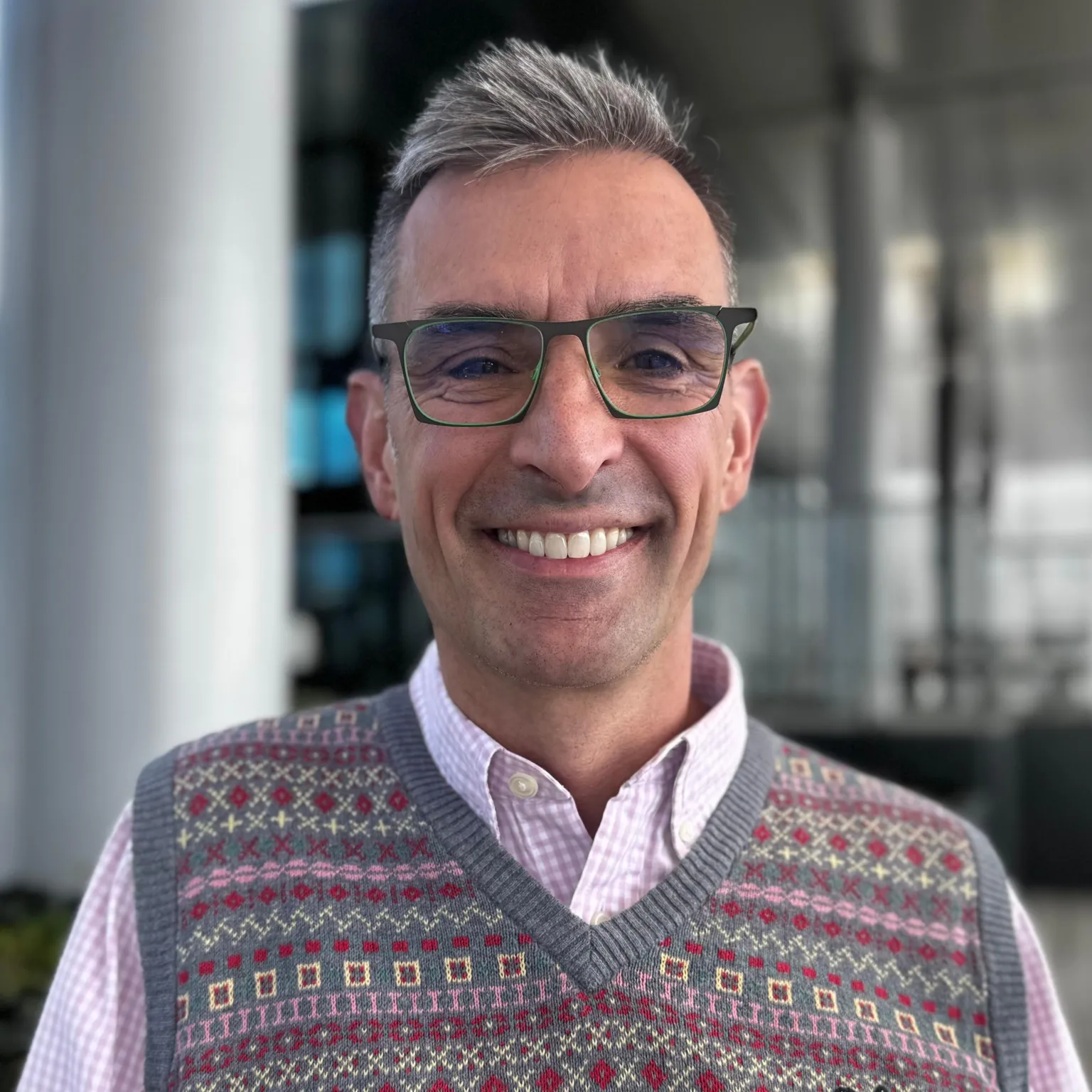
Lloyd Best, 32, a singer from Barry, South Wales, shared how homophobia he experienced as a teenager continues to affect him as an adult.
He described the traumatic experience when his sexuality became widely known after confiding in a small group at school.
"One day I came to school and everybody knew.
As I came off the school bus an entire crowd of children came up to me and started shouting at me, saying horrible things, and they chased me around the whole school, trying to get answers from me."
Despite now having safe spaces to express himself, Best said he often considers where he is going and how he is dressed due to previous intimidating experiences.
"I've had more people shouting things at me as I'm walking down the street.
I do feel like the last couple of years, certainly post-pandemic, it feels like it's pushing back towards that early 2000s brand of homophobia and that's quite worrying to me."
Evidence of Increasing Intolerance
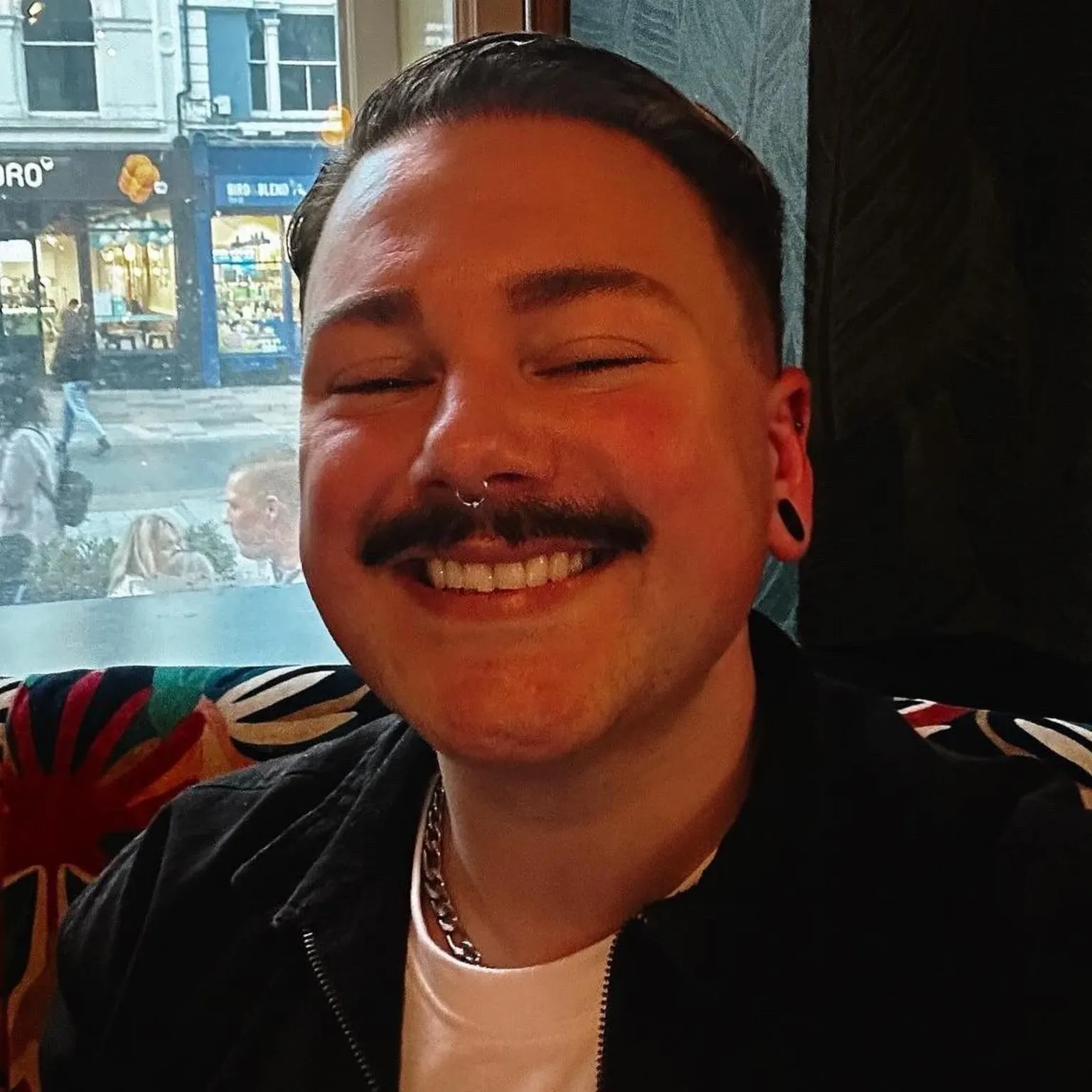
Professor Matthew Williams of Cardiff University, who has researched hate crime for 25 years, observed an "uptick" in intolerance towards minority groups, largely driven by increasing societal polarisation.
He explained that hostility expressed online often translates into increased hate in public spaces.
"The research consistently finds if there is an increase in hostility expressed on social media, for example, towards a particular group, then there tends to be a corresponding uptick in hate on the streets as well."
Williams also highlighted the growing influence of the "manosphere," a network of websites, forums, and influencers promoting what they describe as "traditional" masculinity.
"I think it's almost impossible to rule out the role of the increasing influence of particular kinds of individuals associated with the manosphere and changing attitudes towards women and gay people,"he said.


