

Charities Warn Against Turning Off Heating
Charities are urging residents not to turn off their heating as the ongoing conflict in Iran continues to drive up energy prices.
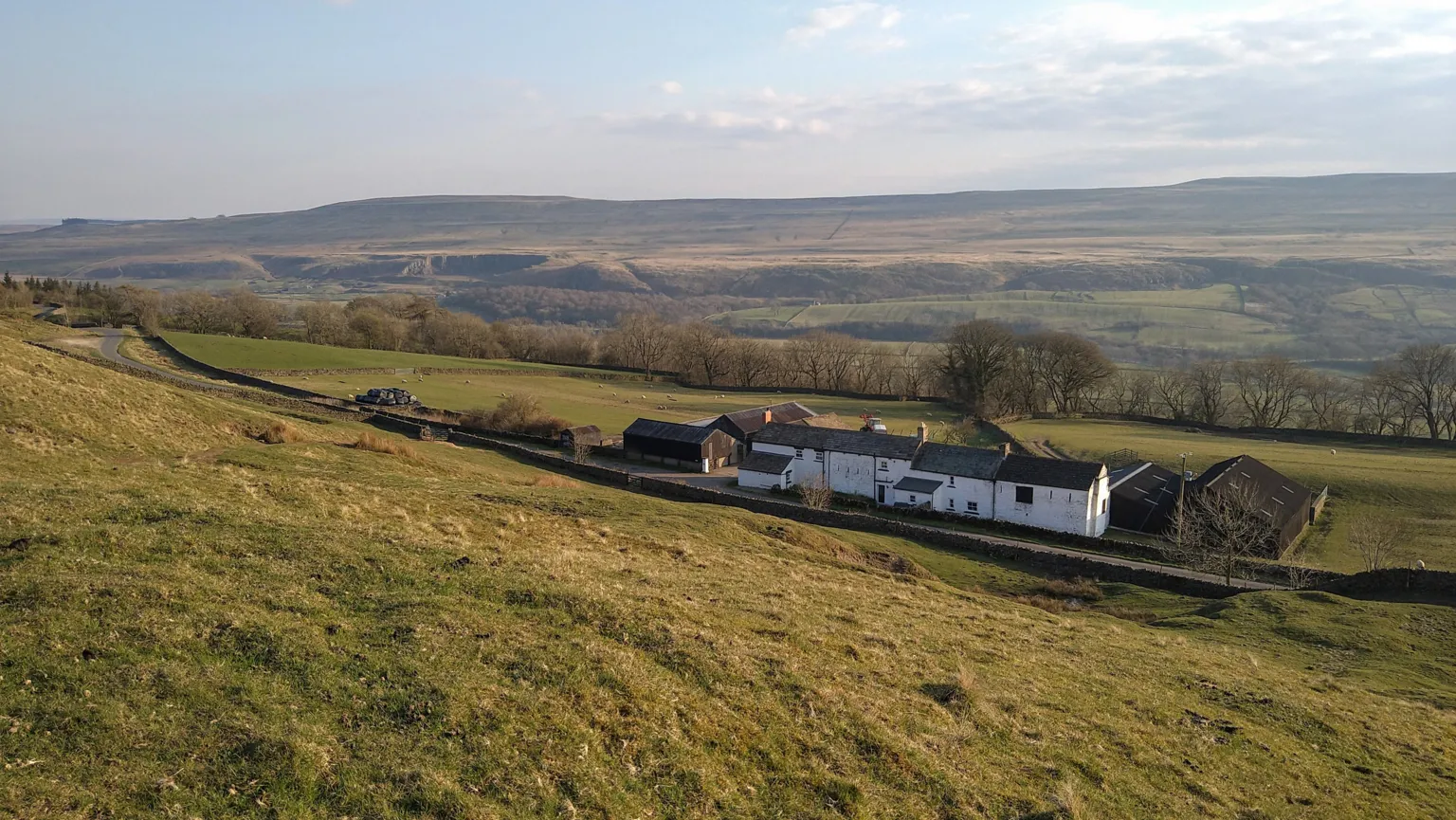
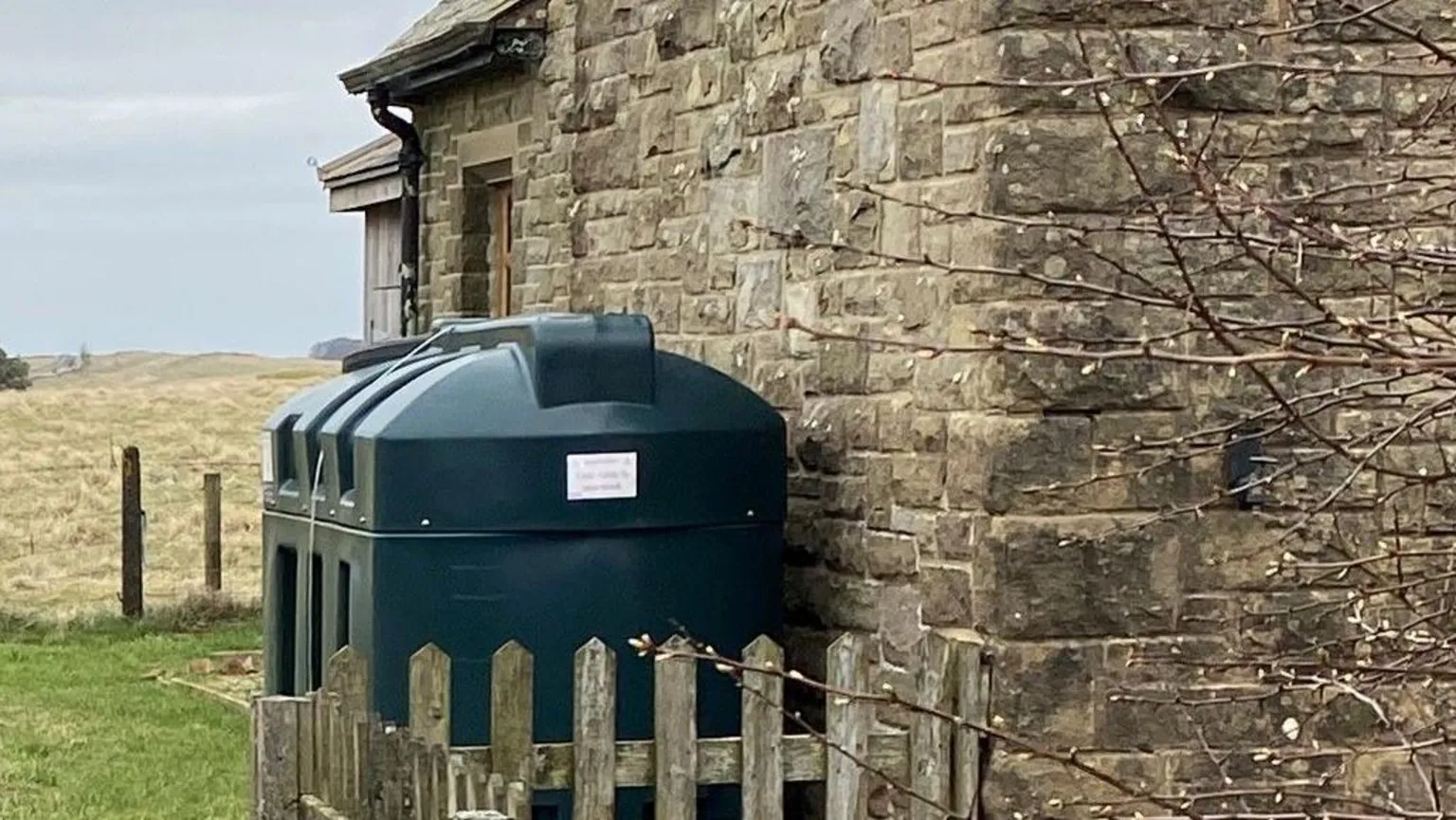
Approximately 30% of homes in Northumberland and Cumbria, and 20% in County Durham, lack access to mains gas and instead rely on heating fuels such as LPG or oil, which have more than doubled in price within a month.
Challenges in Rural Areas
Emma Spry, manager of Upper Teesdale Agricultural Support Services (UTASS), emphasized the importance of maintaining warmth in homes during spring, noting that freezing temperatures, snow, and blizzards remain common in the region.
"Up here in spring we can still get freezing temperatures, snow and blizzards, so it's so important people keep their homes warm."
The government stated it has acted "quickly and decisively" to support households at risk due to rising energy costs.
Many individuals have reported reducing the number of hours they use heating to manage increased expenses.
Spry highlighted the additional financial burdens faced by rural residents, including higher food prices and longer travel distances to purchase essentials.
"People who live in rural areas already face higher costs because food is more expensive and they have to drive further to buy it."
UTASS, based in Middleton-in-Teesdale, was established 25 years ago to provide support to rural communities throughout the Durham Dales.
Among its services is an oil-buying scheme that assists residents in obtaining cheaper oil through bulk orders.

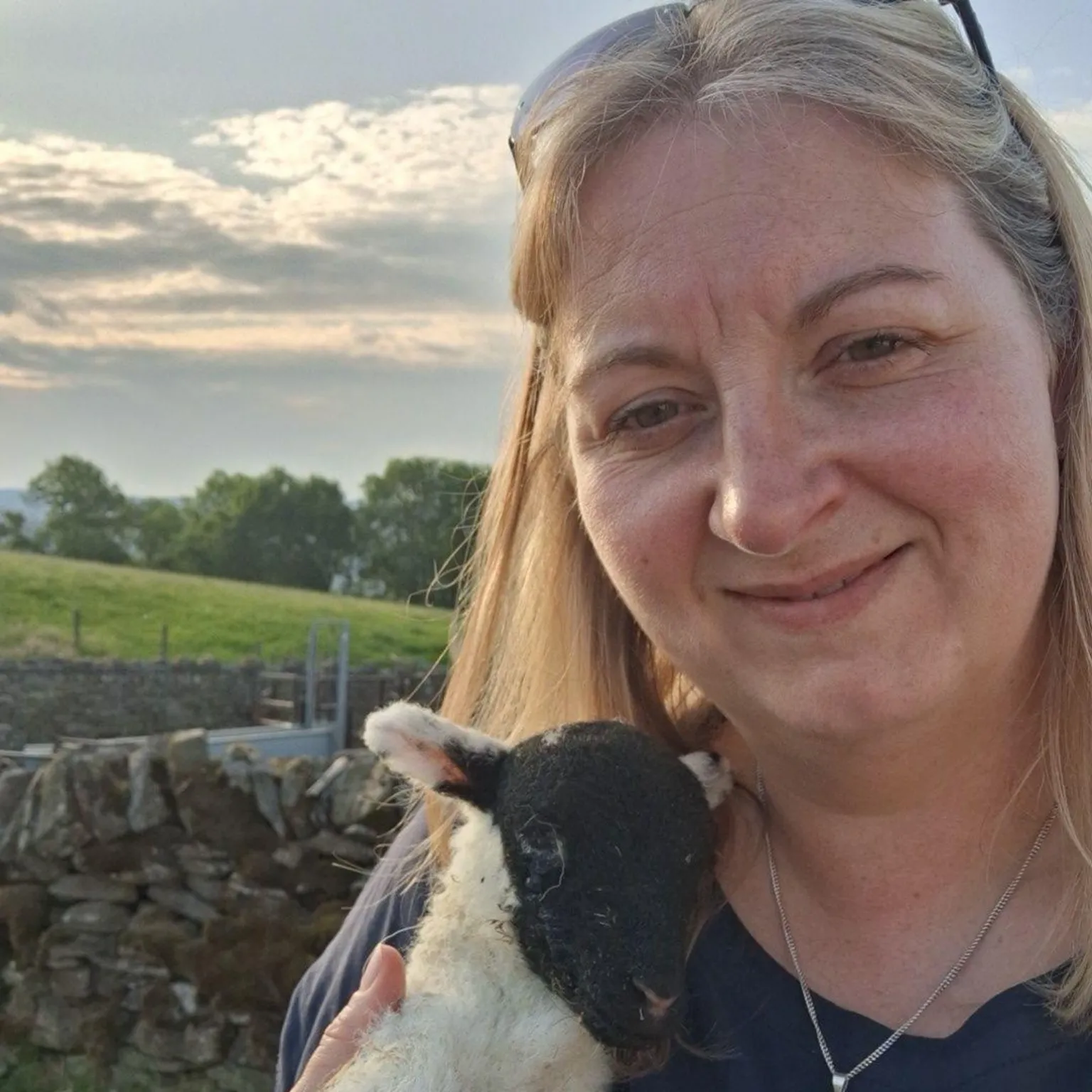
"There are lots of cooperatives, it's worth asking your supplier if there is one in your region," Spry said.
"You can also order smaller amounts that way which can help with cash flow."
Government Recommendations and Support
The government acknowledges that low temperatures can negatively affect health and advises heating bedrooms and sitting rooms to at least 18C (64F).
The charity Community Action Northumberland recommended switching to oil-filled electric radiators or electric heaters as a cost-effective alternative.
Christine Nicholls, community development officer, noted that charities such as National Energy Action and Citizens Advice can assist with energy vouchers.
Local authorities received additional funding through the Housing Support Fund to aid those in fuel poverty; however, many schemes, including those in Westmorland and Furness in Cumbria and Durham County Council, have since closed. Durham County Council continues to offer assistance via a welfare scheme.
The government has pledged an additional £53 million to be distributed by councils through the Crisis and Resilience Fund, effective from 1 April.
Community Support and Government Response
Spry emphasized the importance of staying warm and invited people to visit the UTASS centre for warmth and social interaction.
"People are welcome to come to our centre, have a cuppa and a chat and get warmed up any time," she said.
A Treasury spokesperson stated:
"The government has acted quickly and decisively to support households at risk of losing access to heating and hot water.
Local authorities will design and implement schemes that reach those households."
For ongoing updates, follow BBC North East and BBC Cumbria on X, Facebook, Nextdoor, and Instagram.


