

A Personal Tragedy Sparks a Campaign
Mandy Hobbis recalls the moment she first heard the devastating news about her cat Snowy.
"At first I was in denial - It must've been another cat," Mandy Hobbis remembers.
"But it's the fact that he was treated without care, dignity and respect."
More than ten years ago, Hobbis received a call informing her that Snowy had been run over, discarded, and dumped at a landfill site. Reflecting on that day, Hobbis, 42, described feeling "devastated" that Snowy was left to die on the roadside, unreported and in need of assistance.
For nine years, she has campaigned as co-founder of Cats Matter, advocating for drivers to be held accountable for reporting collisions involving cats on roads.
Currently, the Road Traffic Act 1988 requires drivers to report accidents involving dogs and livestock, but not cats, despite cats being the second most popular household pet in the UK according to statistics.
The campaign has received support from animal welfare charities such as the RSPCA and the PDSA, which frequently handle the aftermath of accidents involving animals.
Hobbis said she still vividly remembers the day she learned Snowy had been killed by a vehicle.
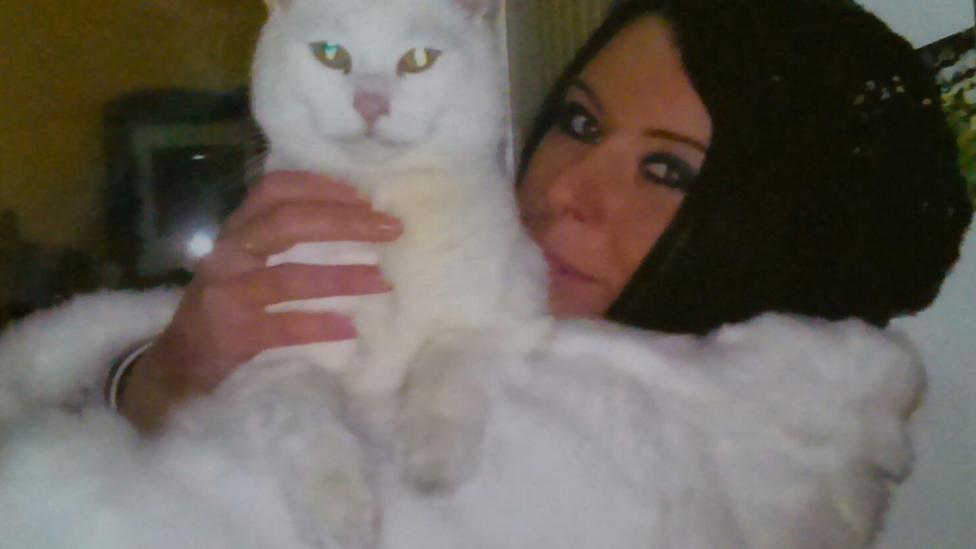
Snowy’s Story
Snowy came into Hobbis's life as a local cat who would visit during his roaming around the area.
"He started coming to us and we'd feed him," she said.
She discovered that Snowy had a difficult early life and had been used for breeding purposes.
Over the years after taking him in, Hobbis said they developed a strong bond.
"He was always friendly to everyone he met.
He was just dopey really. He'd always fall asleep on the table. Snowy was quite a big cat, so when we would buy him beds, he'd often flop his head and legs out the side."
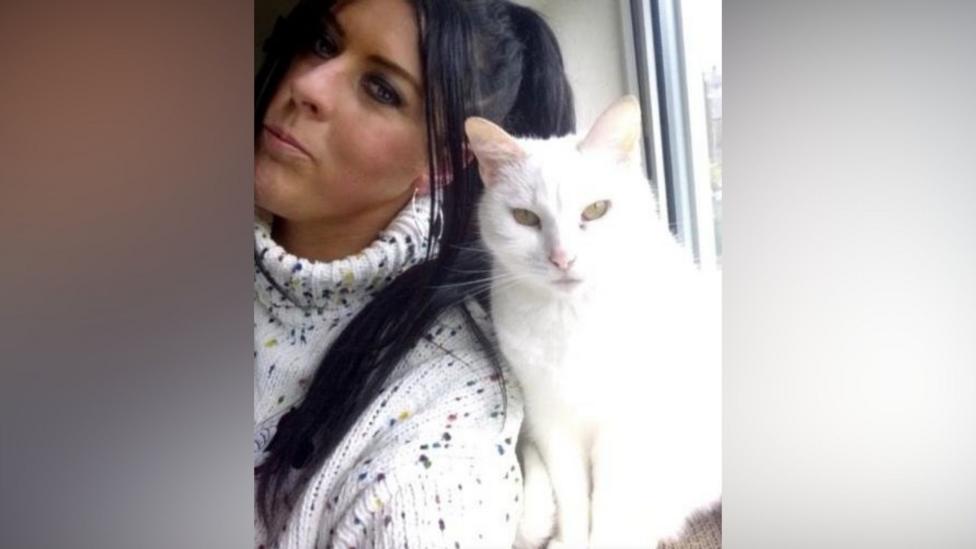
The Day Snowy Went Missing
The day Snowy disappeared began like any other, with Hobbis letting him out for his usual morning walk.
When he did not return by dinnertime, Hobbis, from Stourbridge in the West Midlands, sensed something was wrong.
She distributed flyers throughout the neighborhood, and a friend later informed her that Snowy had been found dead on the roadside near her home.
Several years later, Hobbis also lost her childhood cat, Mosh, in a similar manner. Mosh was discovered behind a bush with a broken pelvis and broken legs after being hit by a vehicle and left for dead.

"My dad had not long passed away so he was a companion to my mum," she said, describing the impact on the family.
Hobbis took Mosh to the veterinarian, where he remained until the vets determined there was nothing more they could do to save him.
"I have cat fences now because I can't go through it again," she admitted.
Founding Cats Matter
Hobbis was motivated to create change and connected with Tiya Ivy, who would become her co-founder of Cats Matter, after Ivy shared her own experience online.
"We just got chatting. We met up and said 'something needs to be done here. They shouldn't be just left on the road'," Hobbis said.
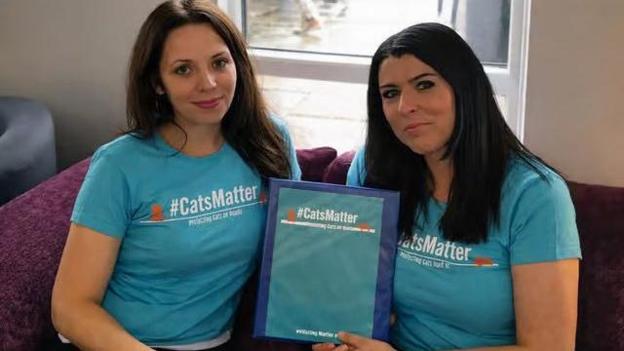
The pair have campaigned for mandatory microchipping of cats, a law that came into effect in 2024.
They have lobbied successive governments to make it illegal for drivers to leave the scene of a collision involving a cat in the UK.
In December, the government responded to an e-petition signed by 11,000 people by stating it had "no current plans" to change the law.
"It's always warm words but nothing has ever happened. We know that people support this – [cats] deserve a chance at survival too," Hobbis said.
"The 1988 act is based on working animals, it's a bit dated now and needs to be modernised."
Undeterred, the group launched a new petition on the Parliament website, which by early June had surpassed 100,000 signatures, the threshold for consideration for a Commons debate.
A date for the debate has not yet been scheduled.
Calls for Further Legislation
Animal charity the PDSA has urged drivers to bring injured animals to them for treatment.
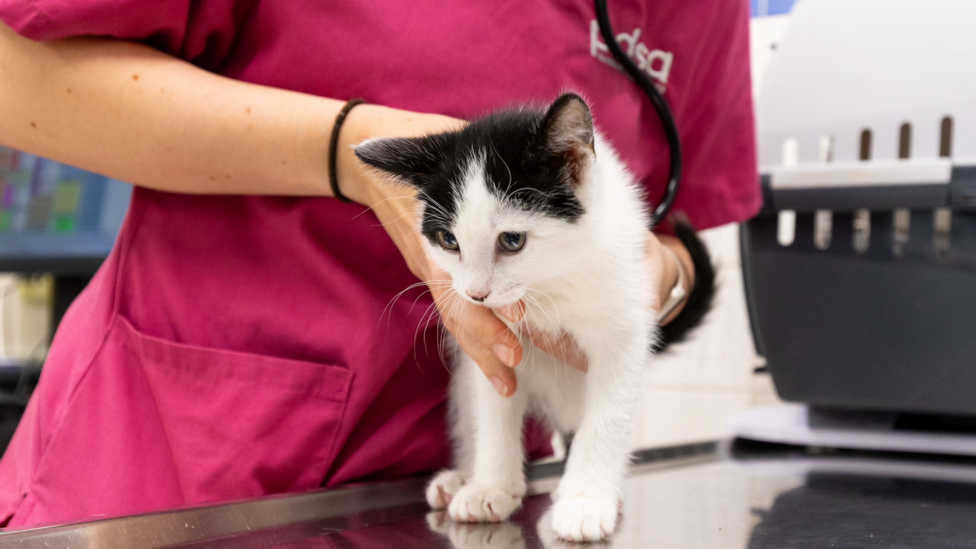
The PDSA advocates for legislation that would require drivers to stop and assist injured pets on the road.
In 2025, the PDSA treated 2,884 cats injured in vehicle collisions but notes that the actual number of accidents is likely much higher, as many drivers do not report such incidents.
Charities including Blue Cross and the RSPCA echo this view, stating that the number of cats admitted to their care does not reflect the full scale of accidents. Insurance company Petplan estimates that 230,000 cats are hit by vehicles annually in the UK.
A spokesperson for the PDSA emphasized the importance of prompt action.
"The most common injury is hip fractures, but cats are like magic, they can make a full recovery [with help]," said PDSA vet Anna Clark.
She urged drivers involved in accidents to safely stop their vehicles and take injured animals to the nearest veterinary clinic to improve their chances of survival.
"Even if it's a stray or an animal you don't know – the vet has a duty of care to help. We want to help," she said.


