

Andy Burnham: Who is the man who may be the next PM?
Andy Burnham has sought the Labour leadership twice before, but was unsuccessful on both occasions. However, following Sir Keir Starmer's resignation and growing support from Labour MPs, including backing from Wes Streeting—Starmer's former health secretary and a former leadership contender—Burnham is now a leading candidate for the premiership.
Burnham has confirmed his intention to run for Labour leader. His recent victory in the Makerfield by-election, where he defeated Reform UK by over 9,000 votes, has strengthened his position. He increased Labour's vote share from 45% in the 2024 general election to nearly 55%.
First elected to Parliament in 2001, Burnham will be sworn in as the MP for Makerfield on Monday afternoon. But what has shaped his rise to front-runner status in the race for Downing Street?
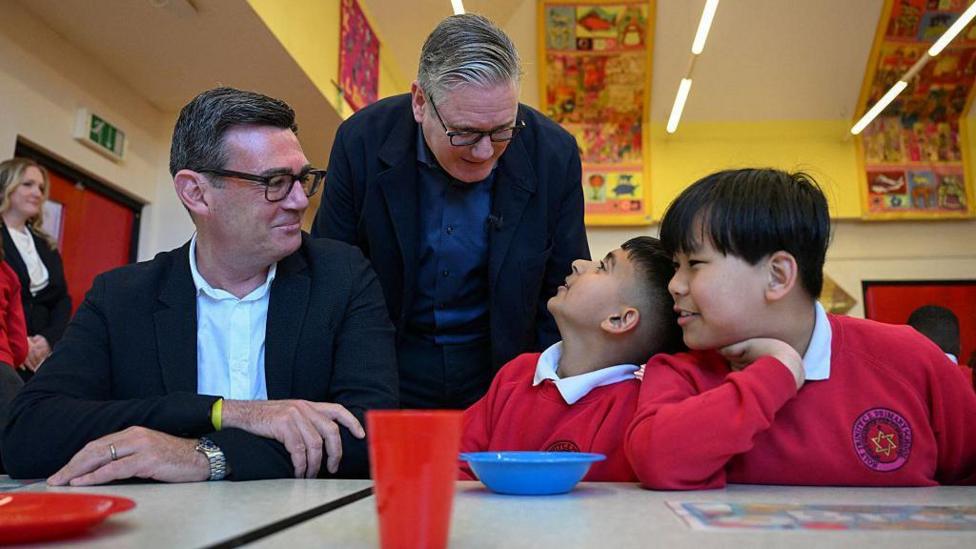
Early life: Everton fan and indie music lover
Born in Liverpool in 1970, Burnham grew up in Culcheth, a quiet commuter village in Cheshire near Warrington. His father worked as a BT engineer and his mother was a GP receptionist; both were dedicated Labour supporters, influencing his early political interest.
Burnham has stated that he joined the Labour Party at age 14 after being inspired by the BBC drama Boys from the Blackstuff, which depicted life on unemployment benefits in Liverpool.
A lifelong Everton supporter, Burnham was known among friends as a competitive sports enthusiast and played as a fast bowler for the Lancashire schoolboys cricket team.
At his local Roman Catholic comprehensive school, his English teacher recalled Burnham winning mock elections as a Labour candidate by a large margin.
He and his two brothers were the first in their family to attend university, with Burnham studying English at Cambridge. In his book Head North, he wrote that he "struggled to feel part of things" at university and felt like an "imposter". However, his passion for northern indie music, including bands like The Smiths and The Stone Roses, helped him develop an identity and advantage.
From MP to Greater Manchester mayor
After graduating, Burnham began his career in journalism, working for trade magazines such as Tank World and Passenger World Management. In his early 20s, he entered politics as a researcher for the late Tessa Jowell, then MP for Dulwich and West Norwood, who later served as a minister under Tony Blair and Gordon Brown.
Despite later expressing criticism of Westminster politics, Burnham advanced rapidly, becoming a special adviser to Culture Secretary Chris Smith before being elected MP for Leigh in Greater Manchester in 2001.
He served initially as a junior minister under Blair and later joined the cabinet under Brown as chief secretary to the Treasury, culture secretary, and health secretary.
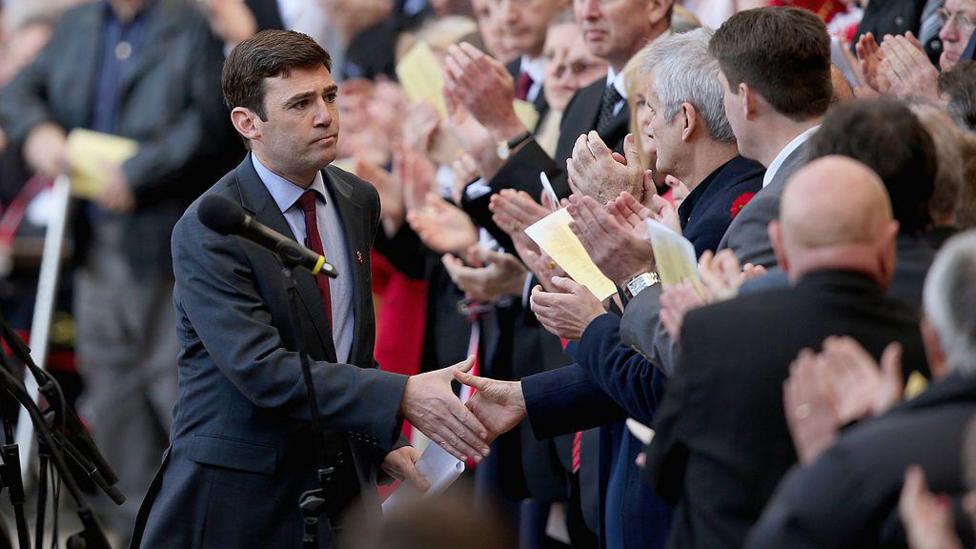
While serving as secretary of state for culture, media and sport, Burnham was heckled at a memorial service marking the 20th anniversary of the Hillsborough disaster, in which 97 Liverpool fans died in a stadium crush in 1989. This incident motivated him to raise the issue in cabinet, contributing to the launch of a second inquiry into the tragedy.
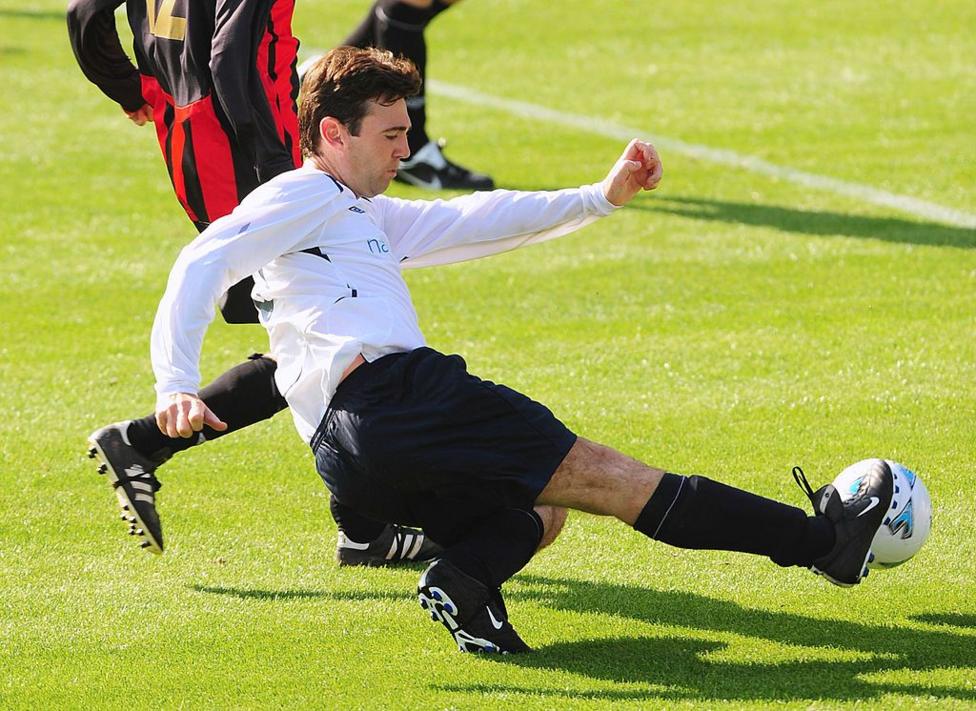
Burnham, an avid footballer, was a regular participant in the annual Labour MPs versus political journalists football match.
Following Labour's defeat in the 2010 general election and Gordon Brown's resignation, Burnham ran for party leader but finished fourth out of five candidates, losing to Ed Miliband. Over the next five years, he worked to build support among the party's grassroots.
He ran again for Labour leadership in 2015 but was defeated by Jeremy Corbyn.

Critics have described Burnham as a political weather vane, adapting his views to improve his chances of success. He supported Remain during the Brexit referendum and has expressed a wish to see the UK rejoin the European Union within his lifetime.
Despite being considered on the Blairite centre-right, Burnham served in Corbyn's shadow cabinet as shadow home secretary. His political stance shifted leftward over time, supporting policies such as the nationalisation of water and energy sectors.
He did not resign in protest during the 2016 internal party disputes but stepped down in 2017 to run for the newly established position of Greater Manchester mayor.
Burnham won the mayoral election with over 60% of the vote and was re-elected with an even larger majority in 2021.
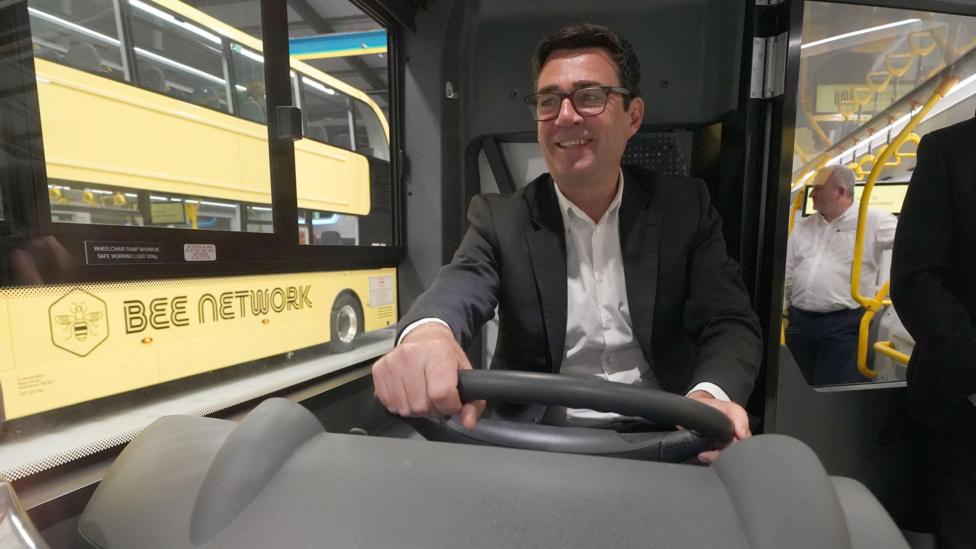
'Bee Network' and lockdown stand-off
As mayor, Burnham received praise for transforming Greater Manchester's transport system. Under his leadership, the region became the first in England outside London to bring bus services back under public control, integrating them with other transport modes under the "Bee Network" brand.
He also pledged to end rough sleeping in the region by 2020, though this target was not met.
Burnham's profile increased during the Covid-19 pandemic when he criticized the Conservative government for treating northern England with "contempt" by imposing regional lockdown restrictions. This confrontation earned him the nickname "King of the North."
By the autumn 2025 party conference, Burnham was openly positioning himself for the Labour leadership, refusing to rule out a bid. However, some of his interventions, such as suggesting the government was "in hock" to bond markets—a reference to self-imposed fiscal rules—provoked backlash.
In January, an opportunity to return to Westminster arose when Greater Manchester MP Andrew Gwynne announced his resignation, triggering a by-election in Gorton and Denton. However, Burnham was blocked from standing by Labour's ruling body with the prime minister's approval.
By May, circumstances had shifted. Labour experienced poor election results across England, Scotland, and Wales, while Reform UK gained in the polls, including in Burnham's region. Pressure mounted on Sir Keir Starmer, with calls for leadership change and ministerial resignations.
Josh Simons announced his resignation as Labour MP for Makerfield to allow Burnham to contest the seat. Burnham was selected as the Labour candidate and subsequently won the by-election, returning to Westminster.
Following Starmer's resignation, Burnham confirmed his candidacy for Labour leader and potential prime minister.
:
Sir Keir Starmer: A top lawyer whose "Mr Rules" approach struggled to connect with the public.
Politics Essential newsletter:



