

Ceasefires in Iran and Lebanon: A Moment of Opportunity and Risk
With two ceasefires currently active in the Middle East, one in Iran and another in Lebanon, the region faces a pivotal moment that could lead to significant diplomatic progress. Although these ceasefires are described as "shaky," the reduction in hostilities offers a window filled with both potential and risk.
On Thursday night, a 10-day ceasefire was announced between Israel and Hezbollah, the Iranian-backed militia in Lebanon. This development is perceived as a strategic gain for Iran, which had insisted that a ceasefire in Lebanon was essential for advancing talks with the United States.
Following the ceasefire, Iran declared the Strait of Hormuz "completely open," signaling a temporary easing of tensions in this critical maritime corridor.
Recent negotiations, such as the extensive talks held last weekend in Islamabad, demonstrated that progress was achievable despite ongoing conflict in Lebanon. During those talks, Iran and Pakistan emphasized the necessity of including Lebanon in any diplomatic framework.
With Lebanon now part of the ceasefire arrangement, some Israelis near the northern border have expressed anger, accusing Prime Minister Benjamin Netanyahu of succumbing to American pressure rather than ensuring Hezbollah ceases rocket attacks on Israel.
Critics argue that the ceasefire benefits Iran by allowing it to influence the regional dynamics. Shirit Avitan Cohen, writing for the right-wing Israeli daily Israel Hayom, commented:
"The ceasefire effectively puts Israel's stamp of approval on the very situation the country had been trying to avoid: legitimising the link between Iran and the Lebanese theatre of operations."
"Yesterday, Hezbollah also received final confirmation that its master, and Lebanon's, still has its hands on the wheel and continues to dictate what happens in the region."
Despite these concerns, all parties involved in the overlapping conflicts appear to derive some benefit from the ceasefire deal.
For US President Donald Trump and Iran's leadership, the ceasefire offers an opportunity to claim credit for facilitating a pause in hostilities.
Meanwhile, Netanyahu can highlight that Israeli forces remain deployed in southern Lebanon and that the Lebanese government, after prolonged efforts, has initiated direct negotiations with Israel.
Hezbollah has committed to respecting the ceasefire but maintains that it remains armed and ready. Senior Hezbollah leader Wafiq Safa stated to the BBC on Thursday:
"Not until a proper ceasefire, a real one. Not until Israeli withdrawal. Before the return of prisoners, before the return of displaced people and before the reconstruction. Until then, it is not possible to talk about Hezbollah's weapons."
Challenges in Israel-Lebanon Relations
Lina Khatib, from the London-based think tank Chatham House, notes that the ceasefire facilitates continued face-to-face talks between Israel and Lebanon, but significant obstacles remain:
"The issue is very complicated. It has to do with border demarcation, the disarmament of Hezbollah and the withdrawal of Israel from Lebanese territory."
Israel and Lebanon have technically been at war since 1948 and lack formal diplomatic relations.
Khatib argues that the recent direct talks between Israeli and Lebanese ambassadors in Washington mark the beginning of a process that could reduce Lebanon's alignment with Iran:
"The regional balance of power is shifting away from Iran. Now it's no longer going to be able to use Lebanon as a bargaining chip."
US-Iran Diplomatic Prospects
Much depends on the progress of US-Iran negotiations. Washington aims to address what it views as Iran's malign activities in the Middle East, including its support for Hezbollah, Hamas, and the Houthis in Yemen. Curtailing this "Axis of Resistance" is a priority for Israel.

Iran, however, is unlikely to relinquish these regional influence tools easily.
Additional challenges include the future of Iran's nuclear program and the status of the Strait of Hormuz, both requiring complex negotiations.
President Trump projects confidence about a potential deal, stating it is "very close" and that the situation is progressing "swimmingly." He also claimed that Iran has agreed to transfer approximately 440kg (970lb) of highly enriched uranium, which he refers to as "nuclear dust," believed to be hidden beneath the rubble of a bombed facility in Isfahan last year.
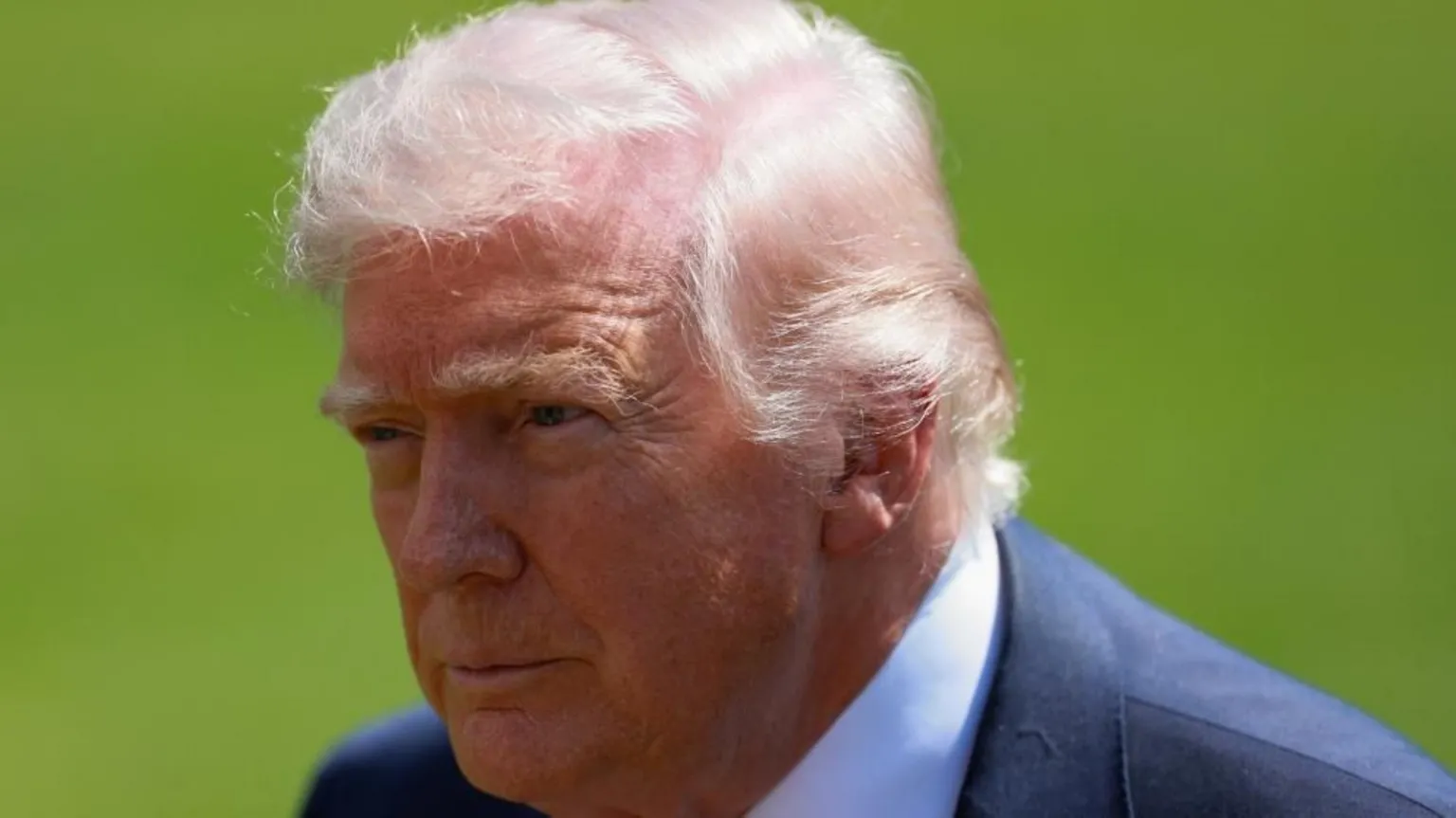
Iran's foreign ministry spokesman Esmail Baghaei refuted this claim on state television:
"The transfer of uranium to the US has not been presented as an option. Iran's enriched uranium is as sacred to us as the soil of Iran and will under no circumstances be transferred anywhere."
Any nuclear agreement would require Iran to commit to never developing nuclear weapons and to agree on the duration of enrichment suspension.
The Strait of Hormuz and Maritime Control
Iran's other strategic leverage is the Strait of Hormuz, which it has recently threatened to close. Iran seeks new protocols to govern maritime traffic through the strait, aiming to replace its current control with a legal framework recognizing its sovereign rights alongside Oman.
Iranian Foreign Minister Abbas Aragchi welcomed the Lebanon ceasefire and announced that the Strait of Hormuz is "completely open for the remaining period of the ceasefire," meaning for the next week.
However, vessels are expected to follow a "co-ordinated route as already announced by the Ports and Maritime Organisation of the Islamic Republic of Iran," which appears to be a new pathway closer to the Iranian mainland, north of the previously used traffic separation lanes.
It remains uncertain how quickly this will alleviate the congestion of vessels trapped inside the Gulf.
President Trump declared the strait "FULLY OPEN AND READY FOR FULL PASSAGE," and markets have reacted positively. Nonetheless, ship captains may remain cautious, especially since the US blockade of Iranian ports continues.
Outlook and Historical Context
Despite these positive developments, negotiators face considerable challenges ahead.
The last major agreement with Iran, the 2015 Joint Comprehensive Plan of Action (JCPOA), took approximately 20 months to negotiate and addressed only the nuclear issue. The US withdrawal from the deal in 2018 under Trump led to its collapse.
Trump often portrays himself as a swift deal-maker, though the actual outcomes of his agreements have been limited. For example, his 2018-19 summits with North Korean leader Kim Jong Un resulted in little substantive progress, as Pyongyang continues to advance its nuclear program.
Following recent tumultuous events, a diplomatic process is underway and has gained momentum with the Lebanon ceasefire.
Whether this will be sufficient to prevent a return to conflict remains uncertain, even to President Trump.


