

Lasting Peace Hinges on Border Dispute and Hezbollah’s Arms
Israel’s security cabinet first learned of the ceasefire from a social media post by former US President Donald Trump. Hezbollah was informed of the ceasefire by the Iranian ambassador to Lebanon. Prior to the ceasefire’s imposition, both sides launched numerous bombs, drones, and rockets.
Despite President Trump’s claim that this marks the 10th war he has ended, the situation in Lebanon remains unstable.
Israeli troops maintained their positions deep inside Lebanon on Friday, firing artillery shells and machine gun bursts at residents who approached too closely hours after the ceasefire began. Hezbollah stated it would respect the ceasefire, but its fighters’ fingers “remained on the triggers.”
The 10-day ceasefire in Lebanon provides a temporary halt to hostilities. However, the agreement’s text does not address the core issues that led to the conflict between Hezbollah and Israel. Without a significant change in positions from both parties, fighting could easily resume.
The conflict’s root causes include Hezbollah’s arsenal and Israel’s ongoing occupation of southern Lebanon.
The ceasefire aims to create space for direct negotiations between the Lebanese and Israeli governments. The fact that these two governments are engaging in direct talks is notable, as they have not communicated directly in decades and lack diplomatic relations.
The negotiators face a challenging task. According to the agreement, the talks’ objective is to achieve “lasting peace” between the two countries, with the Lebanese government holding exclusive authority over force within its territory and a formal border demarcation resolving a dispute dating back to 2000.
To reach these goals, the status of Hezbollah’s weapons must be resolved, and Israeli forces must withdraw from Lebanese territory.
While Hezbollah is abiding by the ceasefire and has appointed a representative in the broader US-Iran talks, it has urged the Lebanese government not to engage in direct negotiations with Israel. The Lebanese government continues its diplomacy without Hezbollah’s mandate, raising questions about its ability to enforce any agreement without external support.
Hezbollah’s base, which suffered the most during the war, is increasingly alienated from the Lebanese government, viewing it as ineffective and unable to protect the country from Israeli aggression.
Many perceived the image of Lebanon’s flag alongside Israel’s in Washington on Tuesday as a humiliating concession, especially as Israeli jets continued bombing Lebanon with impunity at that time.

Residents of southern Lebanon returned to their villages to find their homes destroyed and Israeli soldiers nearby. Nearly 2,200 people have been killed by Israeli actions over the past month, many of whom were women, children, and elderly. No party has taken responsibility for these deaths.
For Hezbollah supporters, the argument for retaining the group’s weapons has become stronger. Conversely, those outside Hezbollah’s base see negotiations as the only viable path forward. What Hezbollah described as victory—44 days of fighting Israel in southern Lebanon—appears as a bitter defeat to many, having been led by a group they did not elect and having lost much of southern Lebanon and numerous lives.
Domestically, the situation is tense and confrontational. Unlike the 2024 ceasefire agreement, which also aimed at Hezbollah’s disarmament, there is no room for delay. The issue of Hezbollah’s arms must be resolved, now in an even more difficult context.
In Israel, the ceasefire announcement sparked anger among many northern residents who wanted the conflict to eliminate the Hezbollah threat. A poll by Israel’s Channel 12 last week showed nearly 80% of respondents favored continued strikes against the group.
Israeli officials, while claiming military victory over Hezbollah, issued implicit warnings that the war could resume if Lebanon does not meet their demands.
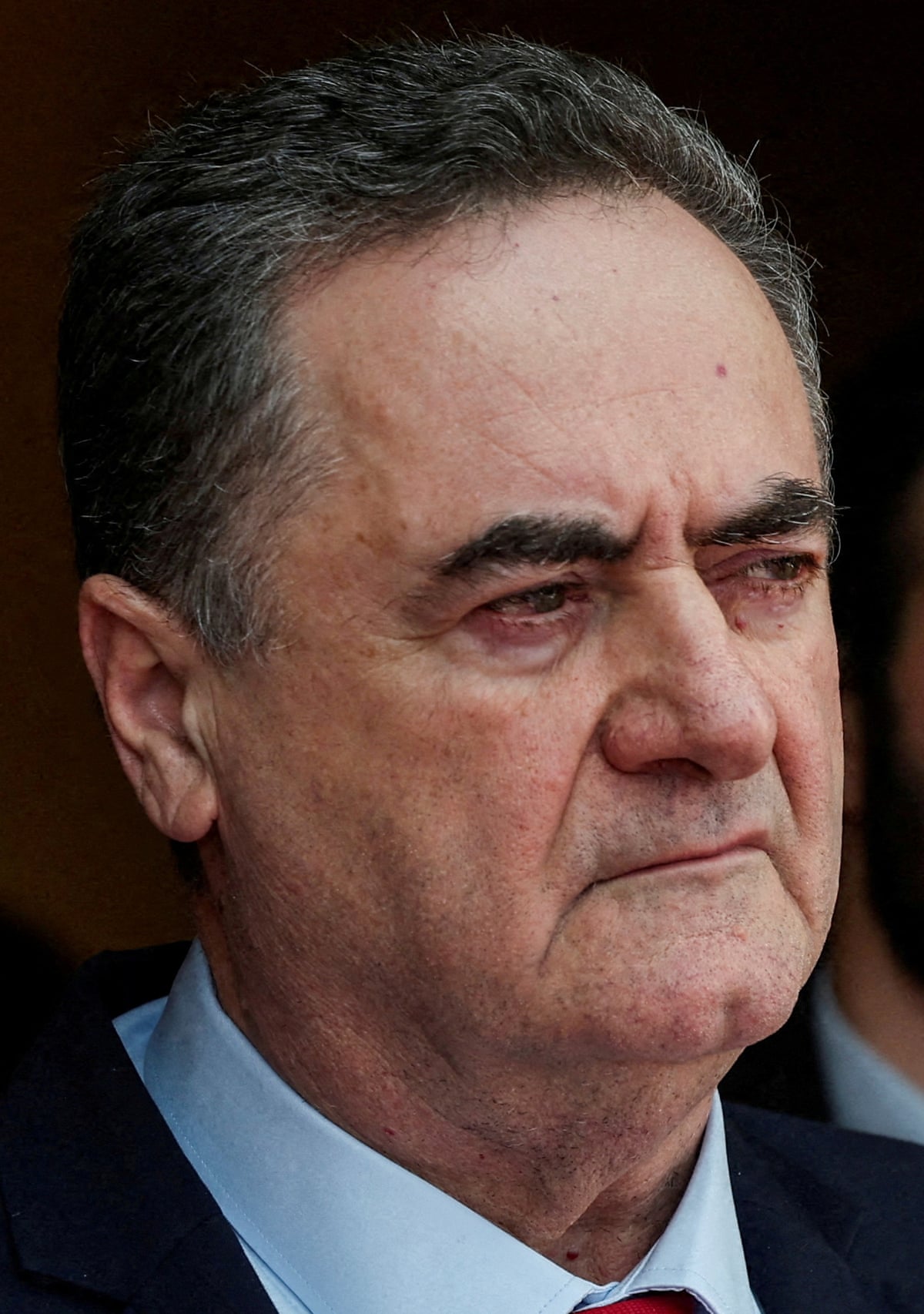
“The ground maneuver into Lebanon and the attack on Hezbollah throughout Lebanon have achieved many achievements but are still not complete; the goal we defined: disarming Hezbollah by military or diplomatic means, was and remains the goal of the campaign to which we are committed,”said Israel’s defence minister, Israel Katz, on Friday.
Trump expressed a more cautious stance regarding Israel’s ability to resume military operations, stating on Friday that bombing Lebanon was “prohibited” while announcing a deal with Iran concerning enriched uranium. This statement came even as Israeli Prime Minister Benjamin Netanyahu declared that Israel had not yet “finished the job” of dismantling Hezbollah.
It remains uncertain whether Trump will maintain focus on Lebanon and continue to pressure Israel to refrain from further attacks.
As the ceasefire was imposed from above, the path toward lasting peace depends heavily on Washington and Tehran, despite negotiators coming from Beirut and Tel Aviv.
Sustained and intense international attention will be necessary to support Lebanon-Israel peace talks; otherwise, the conflict risks resuming.
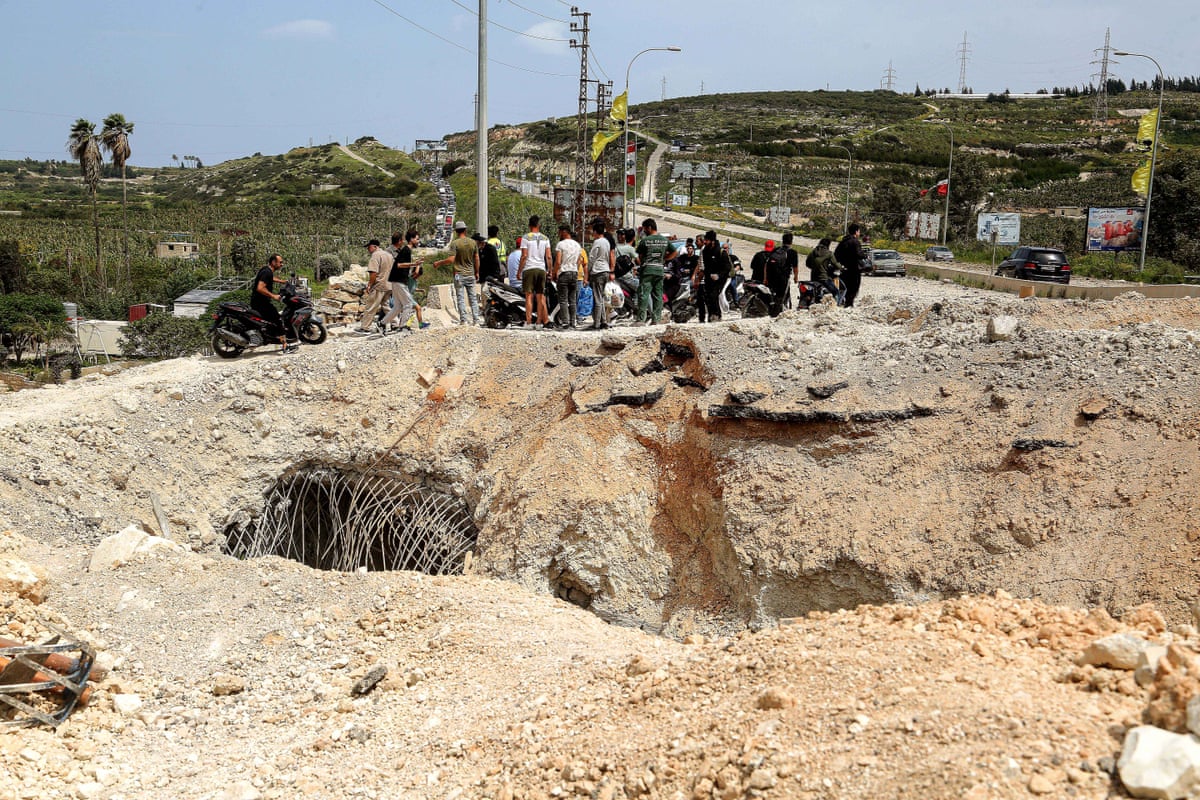
Lebanese people wait to cross over the remains of the Qasmiyeh bridge on their journey back to their homes in the south of the country at the start of the ceasefire on Friday. Photograph: Marwan Naamani/Zuma Press Wire/Shutterstock


