

Geopolitical Tensions Surround Strait of Hormuz Management
Oman has become entangled in geopolitical tensions following Iran's announcement that it is coordinating with Muscat regarding the future management of the Strait of Hormuz. This includes Tehran's controversial plans, opposed by the United States, to impose fees on commercial shipping through a newly established Iranian government agency.
The Omani exclave of Musandam is located south of this strategically vital waterway, which typically handles one-fifth of the world’s seaborne oil traffic but has been effectively blockaded for ten weeks since the US-Israeli attack on Iran in February.
The US has consistently maintained that any permanent resolution to the blockade must not involve payment of tolls to Iran and asserts that Oman shares this position.
Speaking in India on Friday, Iranian Foreign Minister Abbas Araghchi characterized the Strait of Hormuz as an exclusively Omani-Iranian waterway.
"The strait is located in the territorial waters of Iran and Oman,"he stated.
"There is no international waters in between."
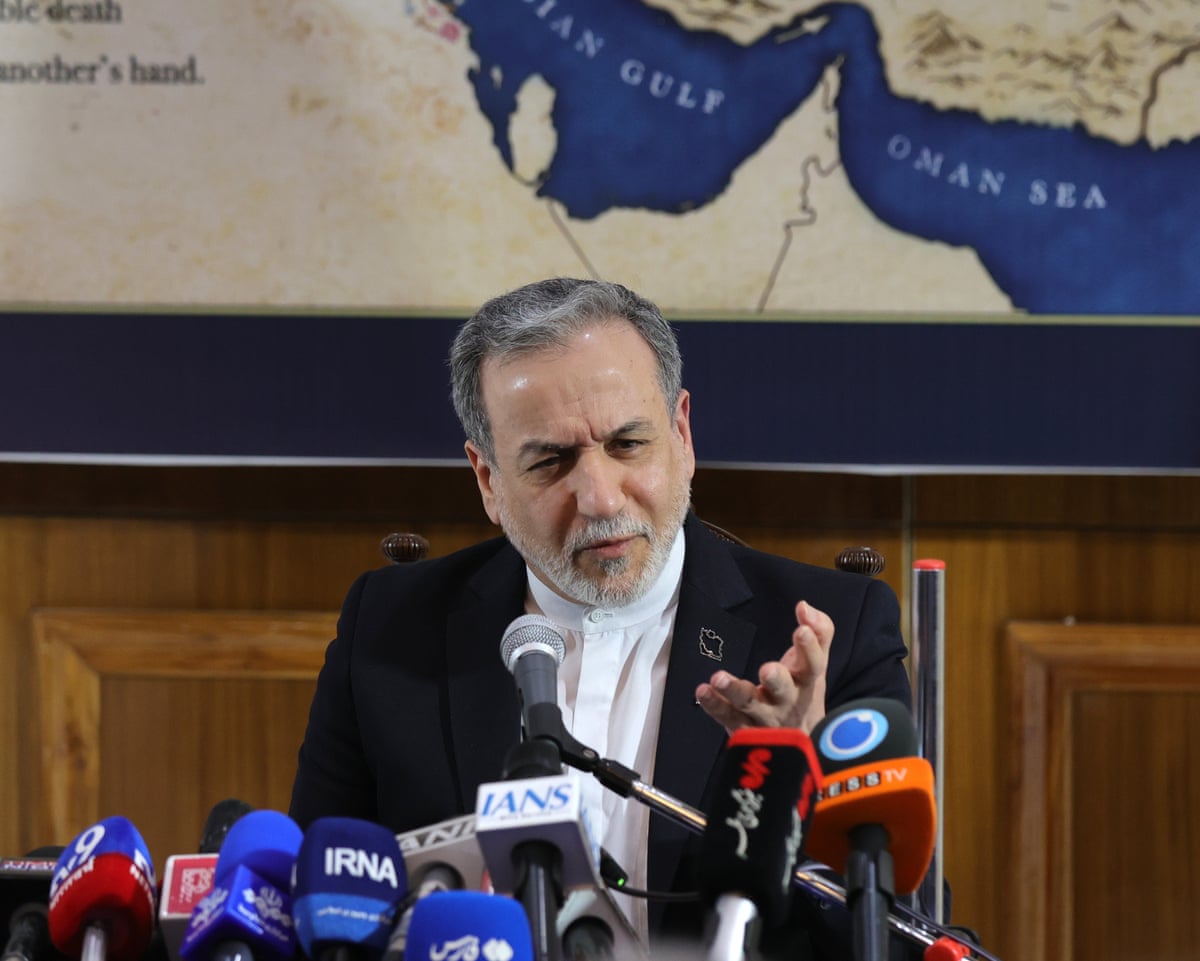
Araghchi further indicated that Iran is coordinating with Oman on the future management of the strait. Oman has yet to publicly respond to Iran’s proposals, which include charging fees and requiring detailed information on the nationality of all vessels transiting the waterway.
International Legal and Diplomatic Challenges
Western diplomats argue that Iran’s proposals for permanent management of the strait are unlawful. They contend that imposing tolls on commercial shipping and granting Iran discretionary authority to select which ships may pass—potentially based on ownership nationality—violates international norms. Additionally, the requirement for ships to establish rial accounts to pay for services may contravene UN sanctions that prohibit financial transactions benefiting the Islamic Revolutionary Guard Corps (IRGC).
In response, France and the United Kingdom have developed an alternative plan emphasizing freedom of navigation, which has been presented to Oman and enjoys support from most Gulf states.
British officials, including the Foreign Office’s political director Lord Llewellyn, have recently visited Muscat, as has Arsenio Dominguez, Secretary General of the International Maritime Organization.
The core issue revolves around the legal rights of coastal states to impose tolls, which underpins the current deadlock over reopening the strait. The debate centers on whether Iran’s proposed regime, by restricting freedom of navigation, is illegal and whether it sets a precedent for other strategic waterways.
Legal Framework and Iran’s Position
Iran acceded to the United Nations Convention on the Law of the Sea (UNCLOS) in 1982, shortly after the 1979 revolution, but has never ratified the treaty. From Iran’s perspective, this means it is not bound by UNCLOS’s transit passage provisions that guarantee freedom of navigation. Instead, Iran asserts it is governed by customary international law, which allows a more restrictive right of innocent passage.
Iran maintains that even if it were bound by UNCLOS, the enhanced right of transit passage can be restricted if there is any threat or use of force against the sovereignty, territorial integrity, or political independence of the coastal states.
Tehran has asserted that the southern shore of the strait, including the United Arab Emirates, has been used by the US to supply American bases for attacks against Iran.
Iran’s Persian Gulf Strait Authority and Revenue Plans
Iran established the Persian Gulf Strait Authority (PGSA) on 5 May, aiming to generate revenue through fees charged to ships transiting the strait. It remains unclear whether Iran intends to charge fees solely for services rendered or if the fees will effectively function as compulsory tolls.
The PGSA requires ships to register via email to receive routing information and permission to transit the strait. Payments are to be made in Iran’s national currency, with fees set at approximately one dollar per barrel.
International Reactions and Chinese Involvement
At a summit in Beijing, then-US President Donald Trump claimed that China, which imports nearly 45% of Iran’s oil through the strait, agreed with the US position opposing tolls or restrictions.
"No one who pays an illegal toll will have safe passage on the high seas,"Trump stated, implying potential US naval intervention against vessels paying tolls to Iran.
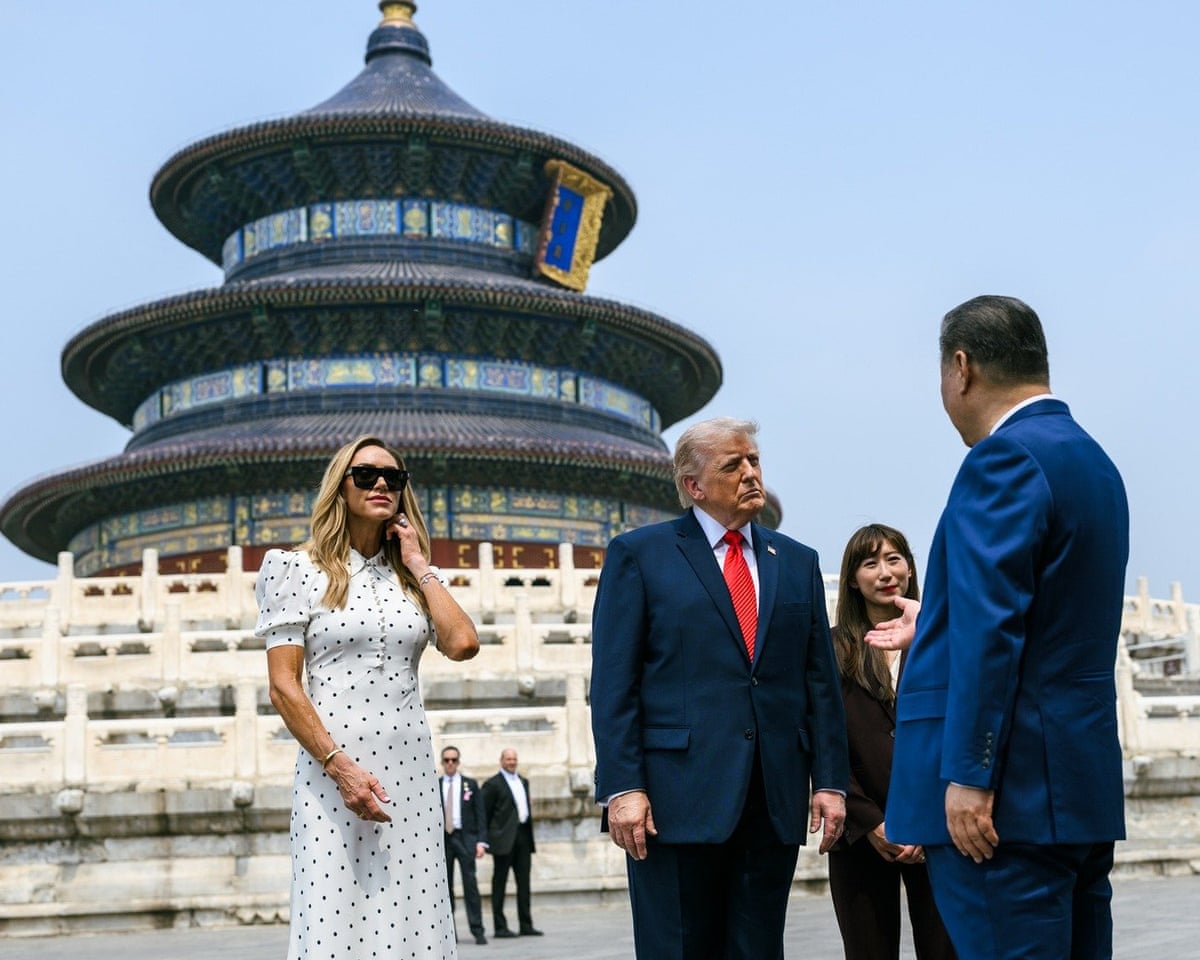
US Secretary of State Marco Rubio also stated that China does not support tolls.
The Chinese Foreign Ministry has emphasized its desire for the blockade to end, attributing the cause of the closure to the ongoing conflict.
However, the IRGC reported on Thursday that following discussions with China’s ambassador to Iran, a significant number of Chinese oil tankers were permitted to transit the strait by Tehran. These vessels reportedly agreed to comply with Iranian regulations, though it was not disclosed whether any fees were paid.
US Blockade and Enforcement Challenges
The US blockade of Iranian ports was implemented as a countermeasure to Iran’s effective closure of the strait. Trump’s statement suggested that the US navy might intercept Chinese oil tankers if they paid tolls to Iran. Nevertheless, verifying whether such payments occur in real time would be challenging.


