Mother Searches for Missing Daughters Amid Devastation
More than 900 people have died and 3,360 others have been injured following powerful earthquakes in Venezuela, according to government reports. Rescue teams continue to search for survivors while families anxiously await news.
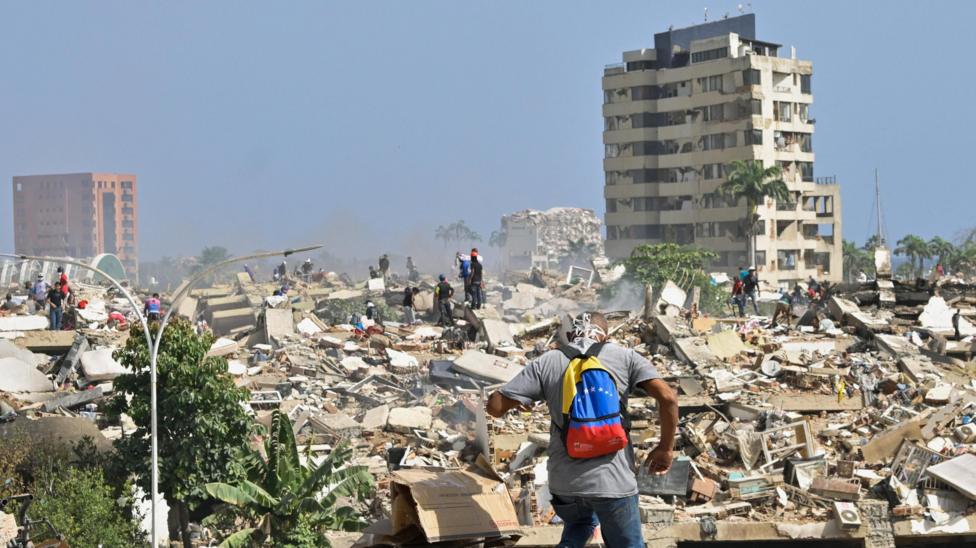
The injured are receiving treatment in temporary medical facilities after dozens of buildings in northern Venezuela, including in the capital Caracas, were destroyed by two successive quakes.
A senior government official confirmed that hundreds of international rescue workers have arrived, with additional teams en route.
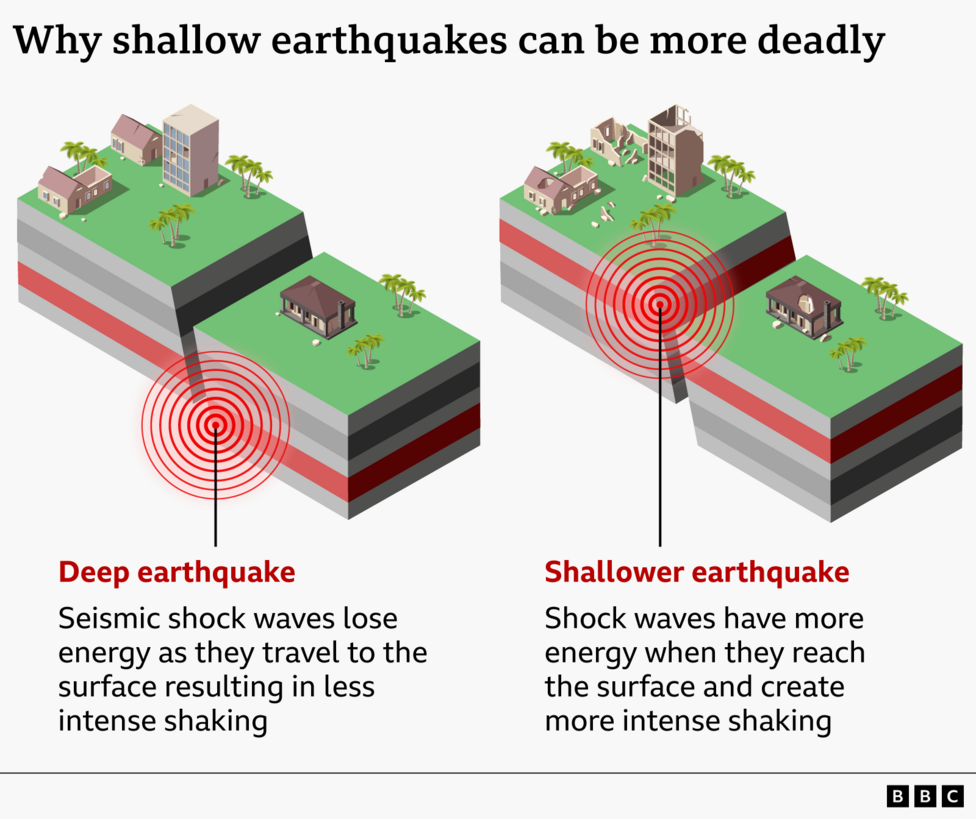
On Wednesday, two strong earthquakes struck Venezuela within seconds of each other. The second quake registered a magnitude of 7.5, one of the strongest in the country in a century.
Impact and Damage in La Guaira and Surrounding Areas
La Guaira, a region north of Caracas, has suffered the most severe damage. This state hosts one of Venezuela's two main ports and Simón Bolívar International Airport in Maiquetía, the country’s primary airport.
Many individuals remain missing, and officials anticipate the death toll may increase as rescue operations proceed.
In La Guaira, Natacha Diaz shared with the BBC that her two daughters, aged 22 and 23, are trapped beneath the rubble of a collapsed shopping center where they worked as manicurists.
"They were with their friends," she said. "I just want them to be found. I have faith and hope that they are there."
"I just want them back with me. They are all I have, please."
National Assembly head Jorge Rodriguez stated on state television on Friday that the death toll had reached 920, with at least 172 people still believed trapped under debris.
In La Guaira alone, at least 243 people have been rescued, according to Rodriguez, who is also the interim president’s brother.
Dozens of survivors have been pulled from the rubble, which "brings us joy that they can embrace their families and loved ones," Acting President Delcy Rodríguez said during a televised briefing on Friday.
There have been 214 aftershocks since the initial earthquakes, she added.
Infrastructure Damage and Medical Challenges
Hundreds of buildings, including hospitals and shopping centers, have been damaged or destroyed. Jorge Rodríguez noted that over 1,000 other infrastructure sites have also sustained damage.
Medical facilities that remain operational are overwhelmed. Healthcare workers told the BBC that even before the disaster, providing adequate care was challenging.
"All our hospitals lack supplies, lack medicines, we are not able to provide medical attention to our people in a normal day," said Dr. Pedro Javier Fernandez.
"Now with this tragedy, the emergency is even bigger and it's more difficult to face than in other countries," he added.
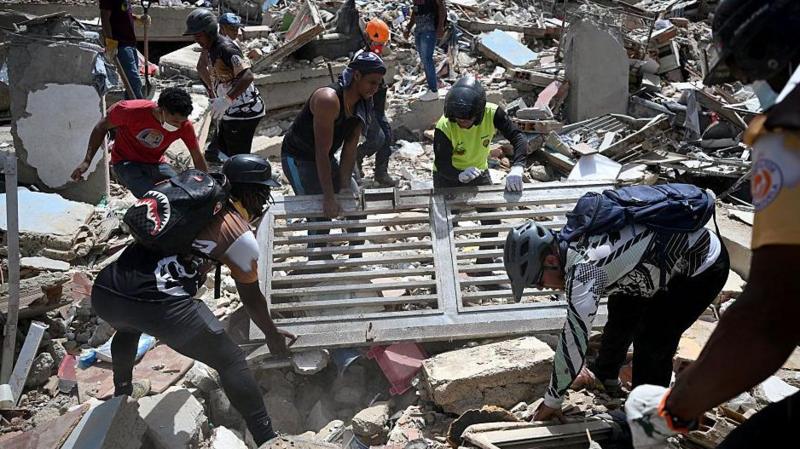
Reports indicate rescuers are extracting people from collapsed buildings using their bare hands amid disrupted communications, damaged roads, and limited resources, complicating initial emergency responses.
International Rescue Efforts and Aid
A UK military flight carrying British search and rescue teams, dogs, and drones departed RAF Brize Norton in Oxfordshire on Friday, bound for Venezuela. The team includes specialists from 14 UK fire services, led by Merseyside Fire and Rescue.
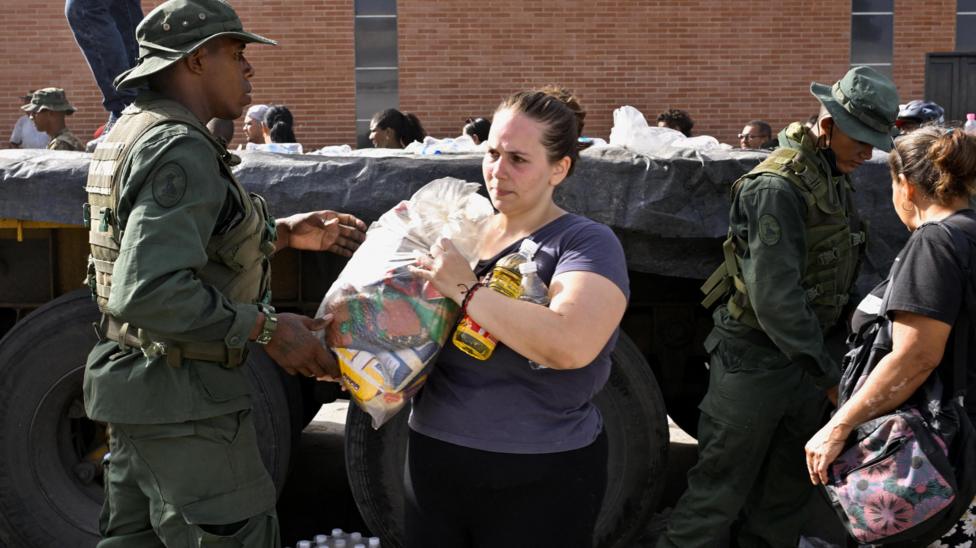
Other countries, including the United States, the Netherlands, Mexico, and Switzerland, have dispatched teams. The US has also announced deployment of warships, transport planes, and $150 million (£113 million) in aid.

A BBC reporter in Caraballeda, La Guaira state, observed heavy machinery arriving to begin rubble removal.
International rescue workers on the ground have witnessed "horrific damage," according to Jan Egeland, secretary general of the Norwegian Refugee Council.
"Venezuela was ill-prepared and vulnerable in an emergency situation because of its already 'crumbling infrastructure' following decades of underinvestment," Egeland told the BBC.
Venezuela has endured over a decade of severe economic crisis, resulting in deteriorated living standards in the oil-rich nation.
UN humanitarian chief Tom Fletcher emphasized the need for a coordinated global response.
"I want people to know in Venezuela that help is coming," Fletcher said.
Stories of Survival and Loss
One uplifting story from La Guaira involved the rescue of three young siblings who emerged alive from the rubble, as shown in footage broadcast on state television.
"Come here, my child, come here," a man says to the first child as he emerges from a gap between concrete chunks.
A girl then appears, and when asked if they are siblings, she replies, "Yes, there are three of us."
The third sister followed shortly after, sobbing and covered in dust.
Tributes have been paid to those who lost their lives. Venezuelan footballer Héctor Bello’s wife was killed while saving their daughter, according to his social media and local news reports.
Bello wrote on Instagram that his "precious love," identified by Venezuelan outlets as Andrea, saved their toddler during the quakes.
"I'll tell her the story of how you saved her, my love - how you gave your own life for our daughter, how you were a brave woman who never abandoned her, even as you took your last breaths," Bello wrote.
Among the deceased are one Portuguese national and two Brazilian citizens, confirmed by their respective governments.
Four Spanish nationals also died, with 106 still unaccounted for, according to Spanish media citing the foreign ministry.
Geographic Spread and Political Context
Venezuela's Interior Minister Diosdado Cabello reported that multiple states were affected by the twin earthquakes. In Caracas, the worst-hit neighborhoods were Los Palos Grandes and Altamira.
The government stated that aftershocks primarily impacted the northern coastline, including La Guaira, Aragua, Carabobo, and Falcón.
Opposition leader Leopoldo Lopez, living in exile in Spain, described the devastation as "huge" and said people were in "shock."
"Unfortunately, we are seeing a parallel collapse of the infrastructure, and also the incapacity of the state to provide timely rescue support for the people in the devastated areas," Lopez said.
"However, there has been tremendous support by the civil society in Venezuela," he added.
This disaster has struck amid significant political uncertainty. Less than six months ago, Nicolás Maduro, who has ruled since 2013, was captured by US forces in Caracas and flown to New York to face drug-trafficking charges.
Maduro’s ally and former vice-president, Delcy Rodríguez, assumed leadership, frustrating opposition supporters who hoped the Trump administration would install opposition leader María Corina Machado.
Additional reporting by Vanessa Silva in La Guaira.