Colombians Cast Ballots in Pivotal Presidential Election
Colombians are casting their votes in the first round of the presidential election, a critical moment for the South American nation as it chooses between candidates with sharply contrasting visions for the future of peace in a country long affected by armed conflict.
The election, held on Sunday, is widely regarded as a referendum on the policies of outgoing President Gustavo Petro. It takes place a decade after Colombia signed a landmark peace agreement with the Revolutionary Armed Forces of Colombia (Farc), a pact that raised hopes of ending decades of violence between rebel groups and the government.
However, the peace process has faced significant challenges, with increasing violence from criminal groups, including drone attacks and armed assaults targeting the electoral process. Last June, presidential candidate Miguel Uribe Turbay, aged 39, was a victim of such violence, underscoring the precarious security situation ahead of the vote.
In a nation where peace has been a central political issue, the question of how to address ongoing conflict remains deeply divisive.
Three Leading Candidates Emerge in a Field of Fourteen
Although fourteen candidates are on the ballot, the race has effectively narrowed to three main contenders.
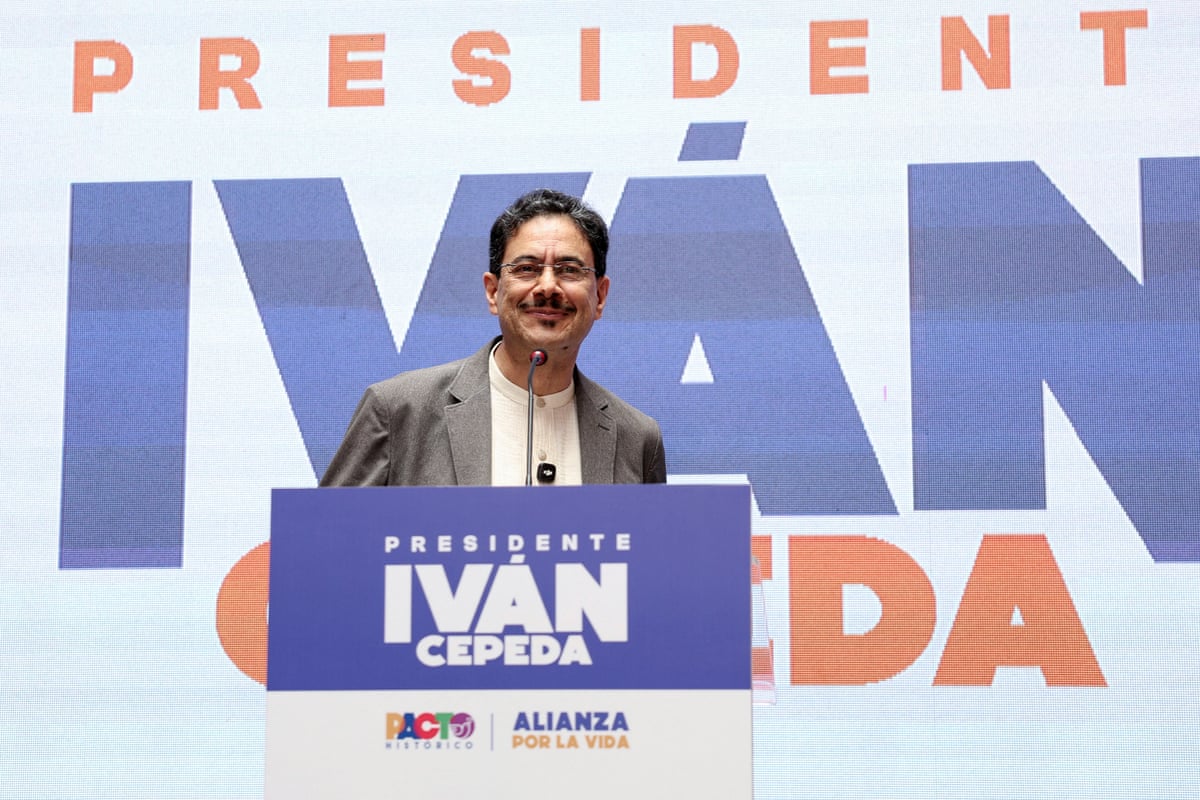
Senator Iván Cepeda, a known peace advocate and ally of President Petro, has led in the polls. He pledges to continue Petro’s "total peace" strategy, which involves negotiating with remaining rebel factions and seeking new peace agreements to resolve the persistent crisis.
Despite setbacks in the peace process, including criminal groups exploiting ceasefires, Cepeda and Petro retain substantial support due to progressive reforms implemented during Petro’s administration, such as raising the minimum wage.
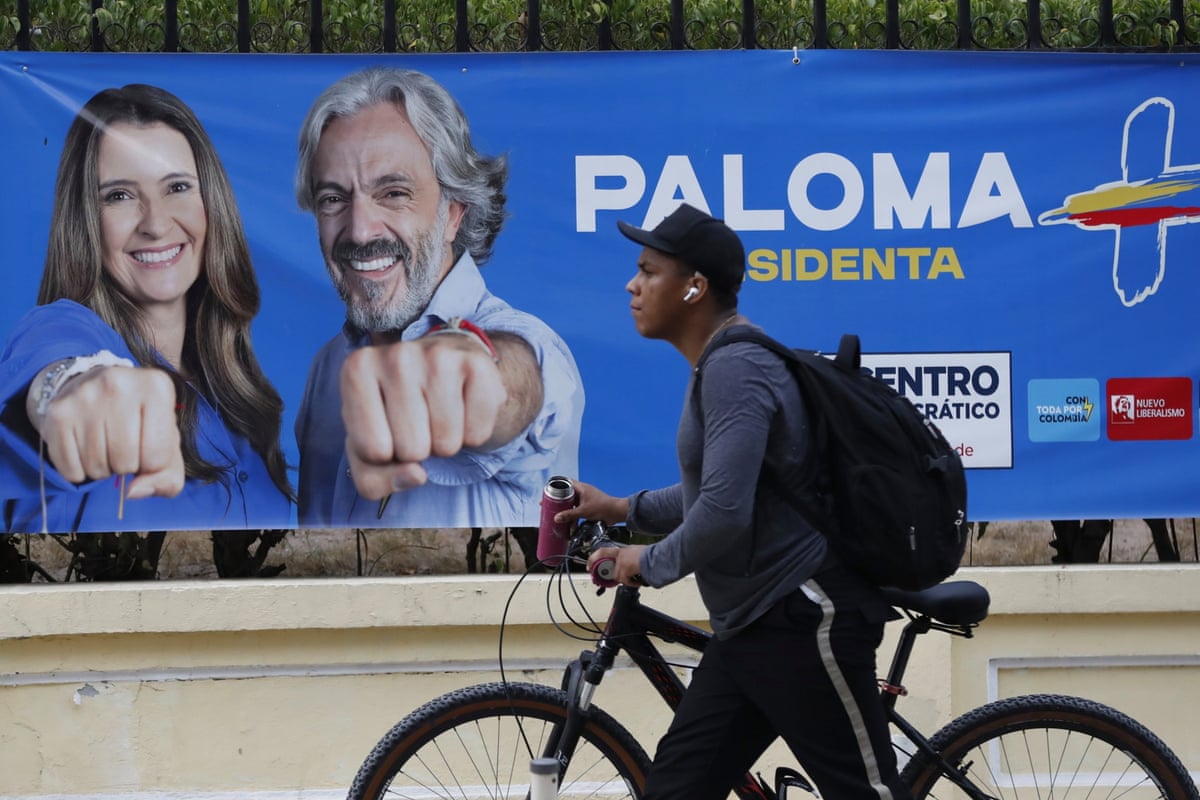
Opposing Cepeda are Abelardo de la Espriella and Paloma Valencia, both advocating for a tougher stance on armed groups.
De la Espriella, a flamboyant lawyer nicknamed "the Tiger," has gained momentum by presenting himself as an outsider who would adopt stringent measures similar to those used in El Salvador’s crackdown on gangs—a strategy credited with reducing violence but criticized for alleged human rights violations.
Valencia is regarded as the political protégé of former Colombian president Álvaro Uribe, who led the country from 2002 to 2010 with strong US backing and successfully combated Farc rebels during his tenure.
Both de la Espriella and Valencia have expressed admiration for former US President Donald Trump, despite his administration’s notably aggressive policies toward Latin America and pressure on countries like Colombia, Ecuador, and Mexico to intensify efforts against criminal organizations.
If no candidate secures at least 50% of the vote—a rare occurrence in Colombia—the top two will advance to a runoff scheduled for June.
Voters Express Divergent Views on Security and Peace
Maria Eugenia, 57, a seamstress in downtown Bogotá, supports a forceful campaign against the growing number of criminal groups, even if it entails significant human costs.
“Of course, whenever you come down with a heavy hand, there’s always going to be debate,” she said. “But some people are going to have to fall to clean up what needs to be cleaned.”
While she appreciates Petro’s efforts to enhance medical infrastructure, Eugenia plans to vote for de la Espriella due to escalating violence in rural regions.
Conversely, Cristian Morales, 26, who was nearby Eugenia’s shop, disagrees with a hardline approach. He acknowledges the shortcomings of Petro’s peace plan but believes that reforming the existing strategy is preferable to adopting more extreme measures.
“The solution to this conflict isn’t aggressive confrontations. It will only end in more bloodshed,” Morales said. “It’s so difficult because it’s either dialogue or arms, and an internal conflict isn’t good for anyone.”
Morales intends to vote for Cepeda, valuing the candidate’s commitment to protecting Colombia’s biodiversity and expanding educational access over promises to resolve the entrenched conflict within a single presidential term.