
Colombia's Presidential Election
Colombia is holding a presidential election to select its next leader. The vote follows months of public disputes between the current left-wing President Gustavo Petro and former US President Donald Trump over issues such as drug trafficking and US involvement in the region.
Petro is ineligible for re-election and has endorsed Iván Cepeda as his successor. The main challengers are centre-right candidates Abelardo de la Espriella and Paloma Valencia.
The election's outcome could significantly influence Colombia's international alliances and its approach to combating drug-related violence, which has been escalating.
Voting commenced at 08:00 local time (13:00 GMT) and will conclude at 16:00. None of the candidates are expected to secure an outright majority in this first round, making a run-off vote on 21 June likely.
Polls indicate Cepeda holds the lead, with de la Espriella as his closest competitor.
Campaign Platforms and Security Concerns
Cepeda has committed to continuing the Petro administration's "total peace" policy, which aims to negotiate settlements with armed insurgent groups involved in drug trafficking. However, these negotiations have either stalled or collapsed, leading to renewed violence.
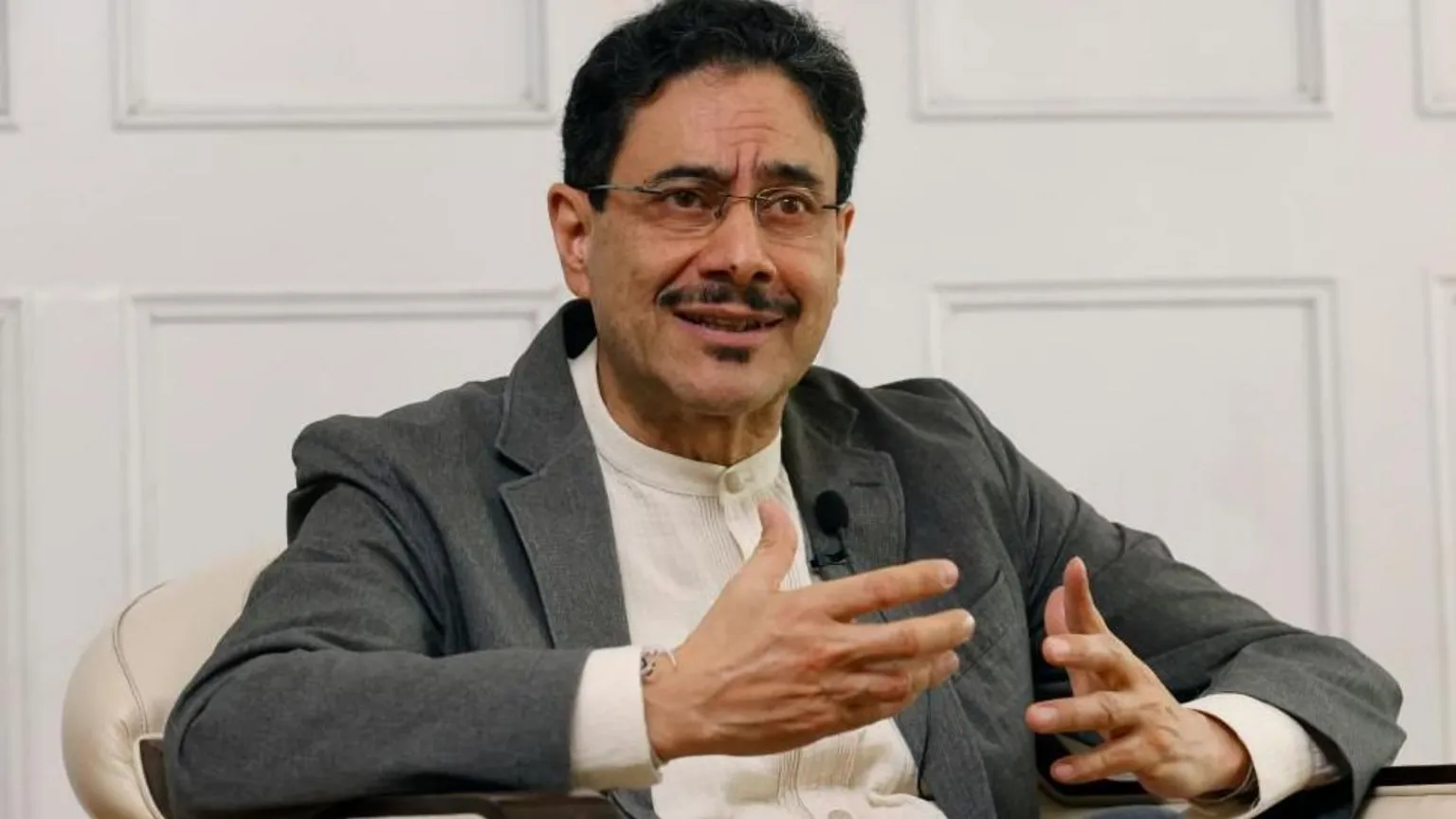
The International Committee of the Red Cross (ICRC) recently reported that armed conflict in Colombia last year had the most severe impact on civilians in a decade.
De la Espriella and Valencia have pledged to implement a military crackdown if elected.
The presidential campaigns have taken place amid ongoing political violence. Notably, one candidate was fatally shot last summer. Last week, de la Espriella appeared at a rally in Medellin behind bulletproof glass.
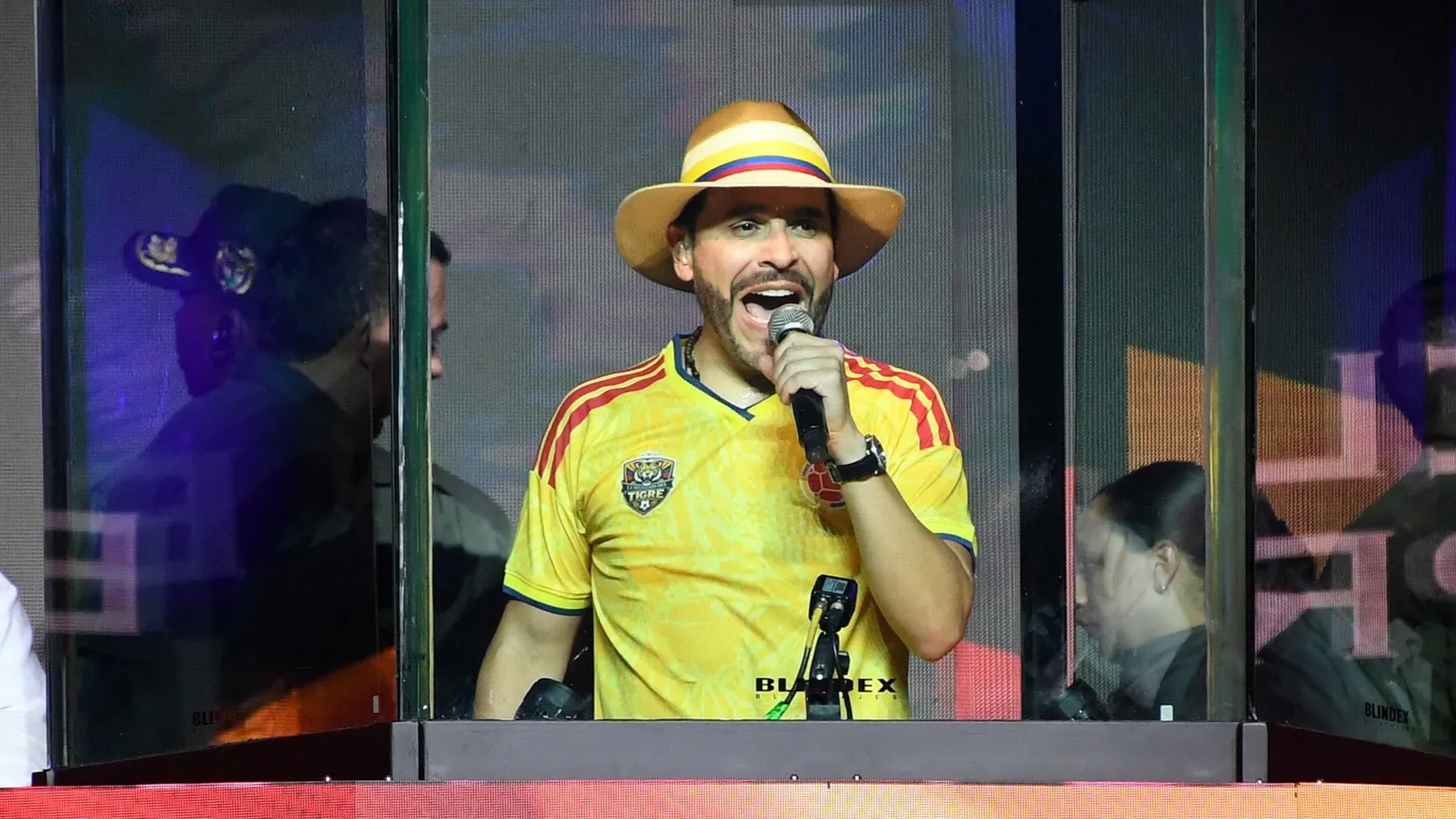
Both de la Espriella and Valencia have expressed intentions to restore Colombia's close security alliance with the United States.
Cepeda, like Petro, has insisted that Colombia should not be a "vassal state" to the US. Observers have noted, however, that the longstanding anti-drug cooperation between the two countries has persisted even during periods of intense disagreement.
Regional Political Context and US Relations
The capture by US forces of Venezuela's former President Nicolás Maduro in January has left Petro as one of the few remaining left-wing leaders in the region not aligned ideologically with the Trump administration.
Trump has accused Petro of insufficient efforts to prevent cocaine from Colombia reaching US streets. At one point, Trump described Petro as:
"a sick man who likes selling cocaine to the United States"
and warned that Petro "could be next" for US military intervention.
Petro has maintained that his government has seized the largest quantity of drugs in history. Nonetheless, during his tenure, cocaine production has reached record levels, according to the United Nations' World Drug Report 2025. Petro disputes the UN's methodology for these figures.
Despite previous tensions, the two presidents appeared to reconcile during a White House meeting in February, after which Trump called Petro "terrific."


