

Prison Director Dismissed Following Inmate Protests
The director of a prison in the Venezuelan state of Barinas was dismissed after violent confrontations occurred between security forces and inmates protesting alleged mistreatment.
Elvis Macuare Guerrero, who had been in charge of the penitentiary for only one week, was removed from his position on Monday, according to state officials.
Prisoners accused Macuare of suspending family visits and punishing inmates by placing them in solitary confinement. Macuare has not issued any public statements regarding these allegations.
Advocacy groups for prisoners' rights have long criticized the substandard conditions prevalent in many Venezuelan prisons.
Investigation Launched into Alleged Abuses
The prosecutor's office announced an investigation following claims from inmates at the Barinas jail, known as Injuba, that the director had ordered violent cell searches and subjected prisoners to solitary confinement.
Inmates also reported experiencing beatings and
"torture".
Complaints reportedly went unaddressed for a week, prompting a protest during which inmates climbed onto the prison roof and set mattresses and bed sheets on fire.
Additional security forces were deployed on Sunday. Witnesses reported hearing explosions and sounds resembling gunfire.
Footage released by the non-governmental organisation Venezuelan Prison Observatory (OVP) shows a man displaying wounds on his torso and arm, while another individual shouts
"they're shooting at us". Other voices can be heard chanting
"we want justice".
Ongoing Protests and Transfers
On Monday, despite the announcement of the prison director's dismissal, small groups of inmates remained on the roof.
Meanwhile, over 100 prisoners were transported by bus to other penitentiaries.
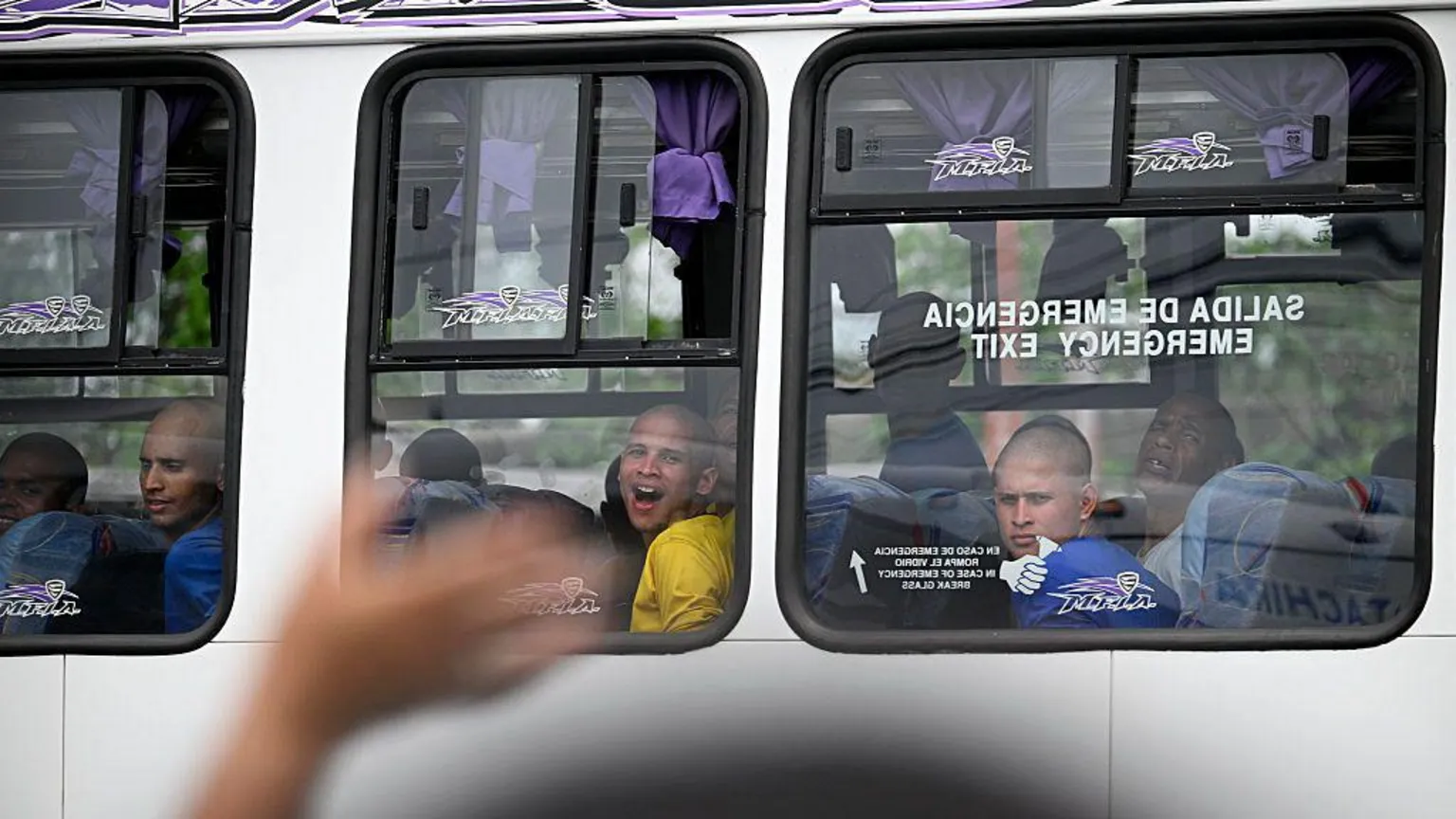
Rights group OVP reported that relatives of the inmates had not received information regarding the possible transfers and expressed growing concern.
OVP has consistently highlighted the poor conditions in Venezuelan prisons, warning that many facilities fail to meet the
"minimum standards"legally required.
Political Prisoners and Human Rights Concerns
Since the United States conducted a military operation in Caracas on 3 January, leading to the seizure of Venezuelan leader Nicolás Maduro, US pressure has resulted in the release of hundreds of political prisoners.
However, according to the pressure group Foro Penal, more than 400 political prisoners remain incarcerated.
Although Injuba is not typically known as a facility housing most political prisoners, Venezuela's Committee for the Freedom of Political Prisoners expressed solidarity with the inmates there, alleging that
"punishment, hunger, solitary confinement, torture and inhumane conditions"are used to control and subdue prisoners and
"formed part of prison policy".
In March, the United Nations' High Commissioner for Human Rights, Volker Türk, stated that his office had received reports alleging that detainees continued to be tortured in Venezuela following Maduro's ouster by the US.


