Historic Journey to the Moon
Over the past ten days, four astronauts have made history by traveling farther into space than any humans before them, undertaking a mission to the Moon and back.
I have closely followed every moment of the Artemis II mission—from liftoff to their close approach to the lunar surface and the tense final landing.
Prior to launch, the crew shared that astronauts tend to be the calmest individuals on launch day.
The Launch Experience
My excitement was overwhelming as the rocket ignited its massive boosters and engines, ascending skyward. My reaction quickly went viral.
Standing near the countdown clock at Kennedy Space Center in Florida with my science colleagues Alison Francis and Kevin Church was an intensely visceral experience.
The intense white brightness of the rocket, impossible to look away from, combined with the deafening roar that reached us moments later, and the physical force of the blast passing through you, was unforgettable.
Most striking was the realization that four humans—Reid Wiseman, Victor Glover, Christina Koch, and Jeremy Hansen—were secured atop a 98-meter-tall rocket, en route to the Moon.
As the crew caught their first glimpse of Earth from space, Glover remarked to the world:
"Planet Earth, you look beautiful."
Following a burn of their spacecraft’s main engine, they departed Earth’s orbit, commencing their 250,000-mile journey to the Moon.
Life Aboard the Spacecraft
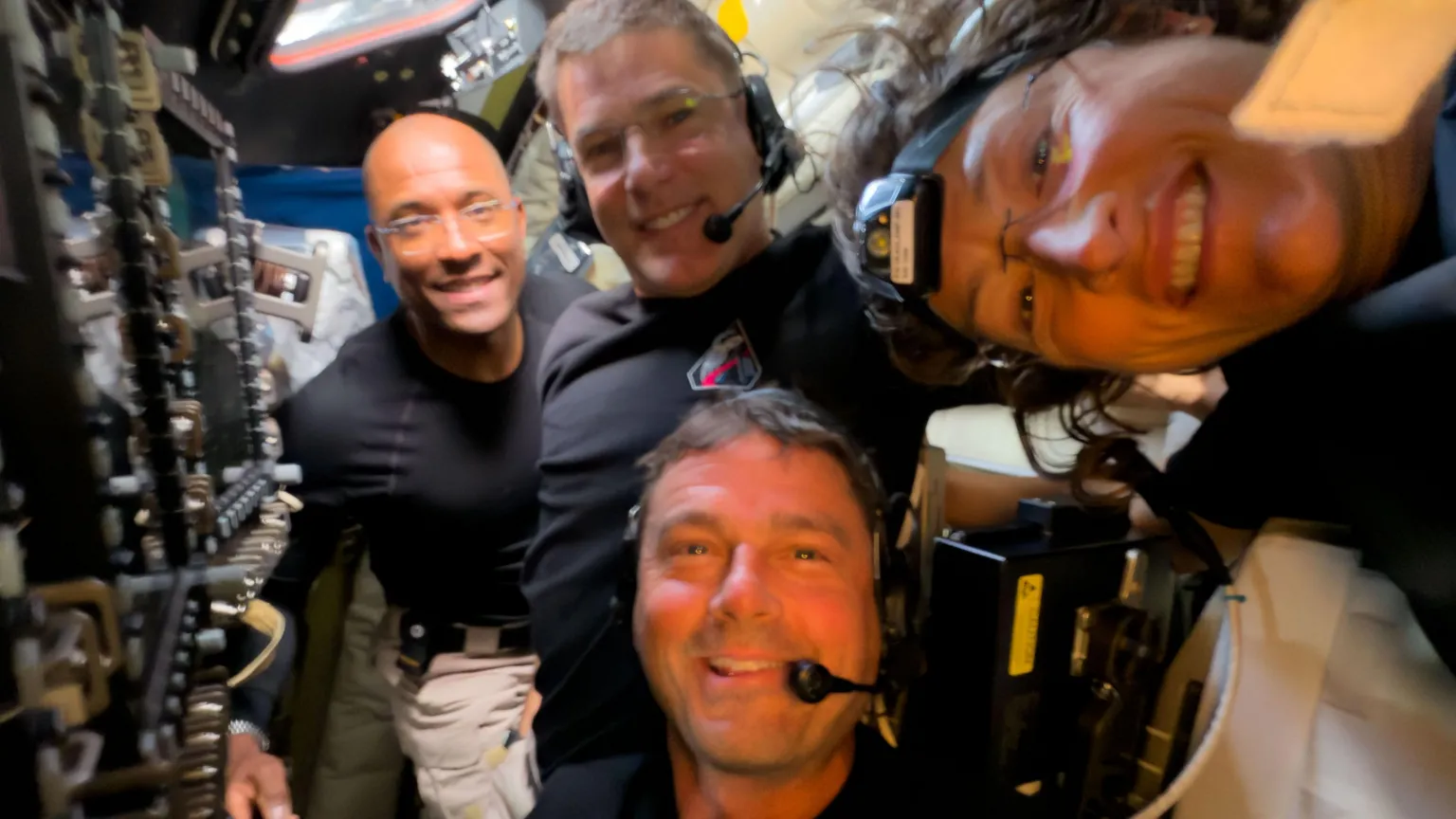
As the crew adapted to microgravity, live video feeds from inside the capsule were transmitted back to Earth.
It was immediately evident how confined the space was. The astronauts lived, worked, ate, and slept within an area roughly the size of a minibus, with no privacy from one another or from the millions watching worldwide.
Special attention was given to their Universal Waste Management System, colloquially known as the toilet.
The $23 million system experienced plumbing issues, and during a media briefing, detailed questions were asked about the astronauts’ ability to manage bodily functions.
For those curious, the crew were cleared for bowel movements, but for urination, collapsible contingency devices—essentially bags with funnels—were used.
Inside NASA’s Mission Control
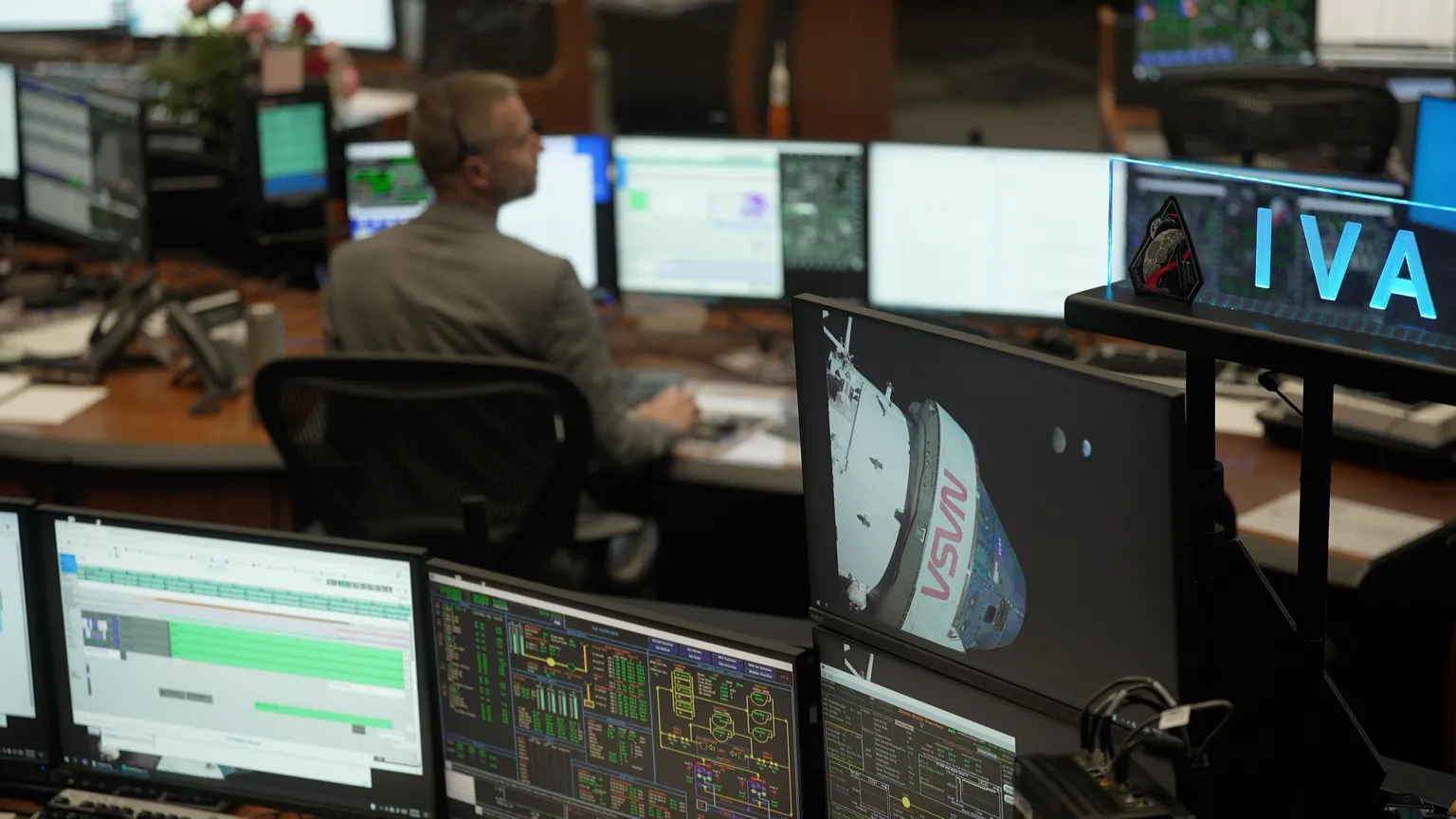
At the Johnson Space Center in Houston, we spent time in mission control, the nerve center overseeing the entire operation.
The team monitored all spacecraft systems, from navigation to life support, intently watching data streams.
This vigilance was critical, as Artemis II was a test flight—the first time humans had flown both the rocket and the spacecraft.
Test flights inherently carry risks.
In an interview for the "13 minutes presents: Artemis II" podcast, Canadian astronaut Jeremy Hansen spoke candidly from quarantine before launch about discussing with his wife and three children the possibility that he might not return.
Reid Wiseman also shared that he had honest conversations with his two daughters about the dangers involved. As a single father after his wife’s passing six years prior, this loss became one of the mission’s most poignant moments.
Honoring Carroll: A Lunar Tribute
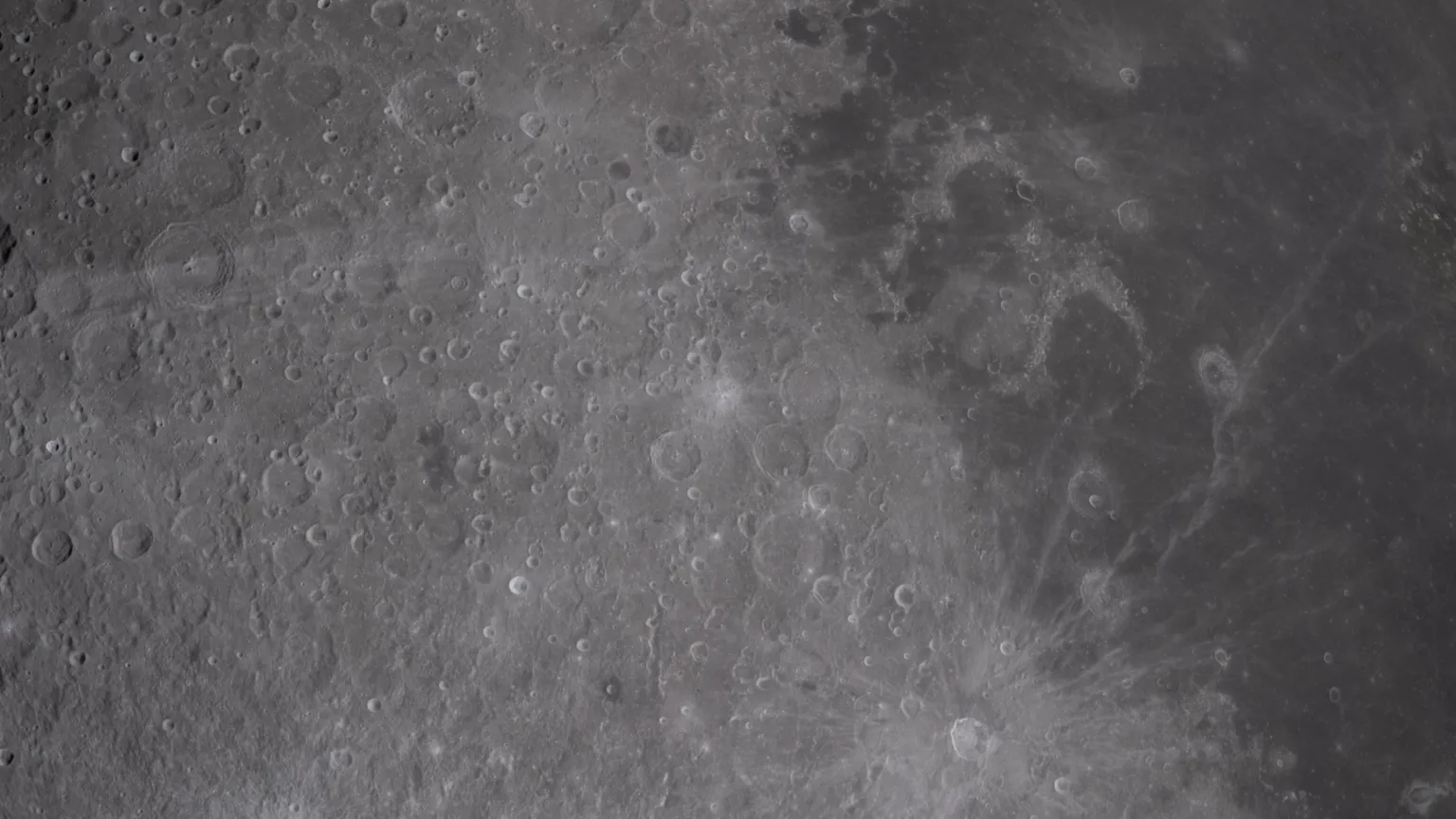
As the crew approached the Moon and its surface grew larger in their window, new features became visible.
They named a crater—a bright spot visible from Earth—after Reid Wiseman’s late wife, Carroll.
The astronauts, moved to tears, embraced their commander and friend. Back in Houston, mission control was equally emotional, with many including the BBC team moved to tears.
Everyone at NASA—from administrator Jared Isaacman to astronauts, scientists, and engineers—expressed deep care for the crew and fervently hoped for their success.
Record-Breaking Distance and Lunar Legacy
Surpassing Apollo 13’s record for the farthest distance traveled from Earth, the Artemis astronauts continued onward.
They captured thousands of images and recorded audio descriptions of the stark beauty of the lunar surface as it passed beneath them, ultimately traveling 252,756 miles from Earth.
The mission carried the legacy of Apollo deeply within it.
Messages from Apollo astronauts Charlie Duke and Jim Lovell—recorded before Lovell’s death last year—were played to the crew during flight.
However, some questioned whether the mission was merely nostalgic. Why invest approximately $93 billion to return to the Moon when the US has already been there?
NASA administrator Jared Isaacman explained that the goal is to build upon Apollo’s achievements, not simply replicate them.
He outlined plans including a lunar landing scheduled for 2028 and a Moon base, with ambitions to eventually send humans to Mars.
There are also debates about whether human presence on the Moon is necessary when orbiters, rovers, and landers can conduct exploration.
Isaacman emphasized that human exploration is intrinsic to our nature but acknowledged the associated risks.
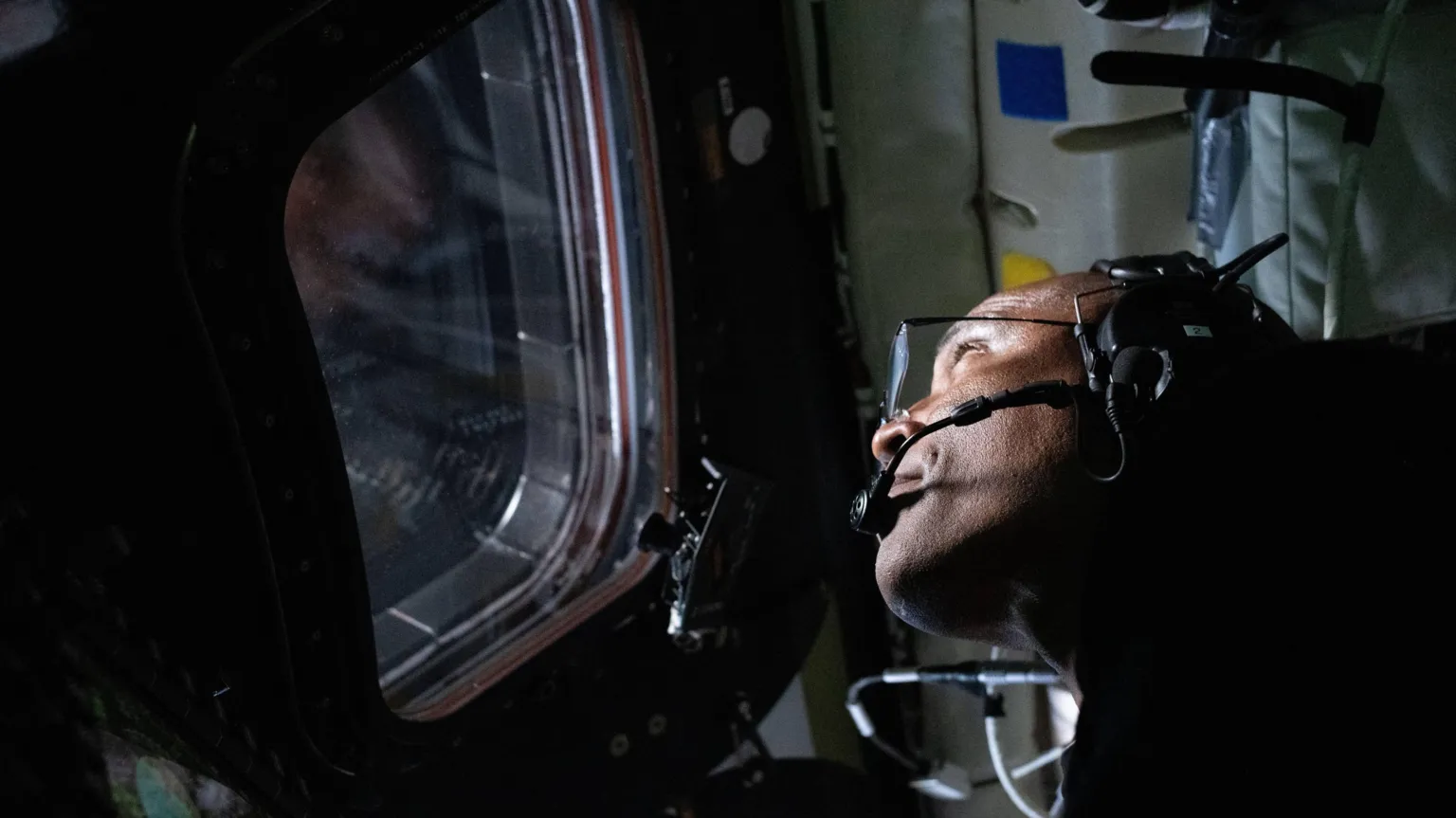
Return to Earth: The Final Challenge
The mission’s last and most formidable challenge was the return journey.
Victor Glover described re-entry as akin to "riding a fireball through the atmosphere." The capsule endured temperatures reaching half the surface temperature of the Sun.
Watching this intense re-entry from mission control was anxiety-inducing, especially when communications were lost for six minutes as the capsule neared Earth.
The relief was immense when a bright white dot was spotted above the ocean, and Wiseman’s voice was heard clearly:
"Houston, We have you loud and clear."
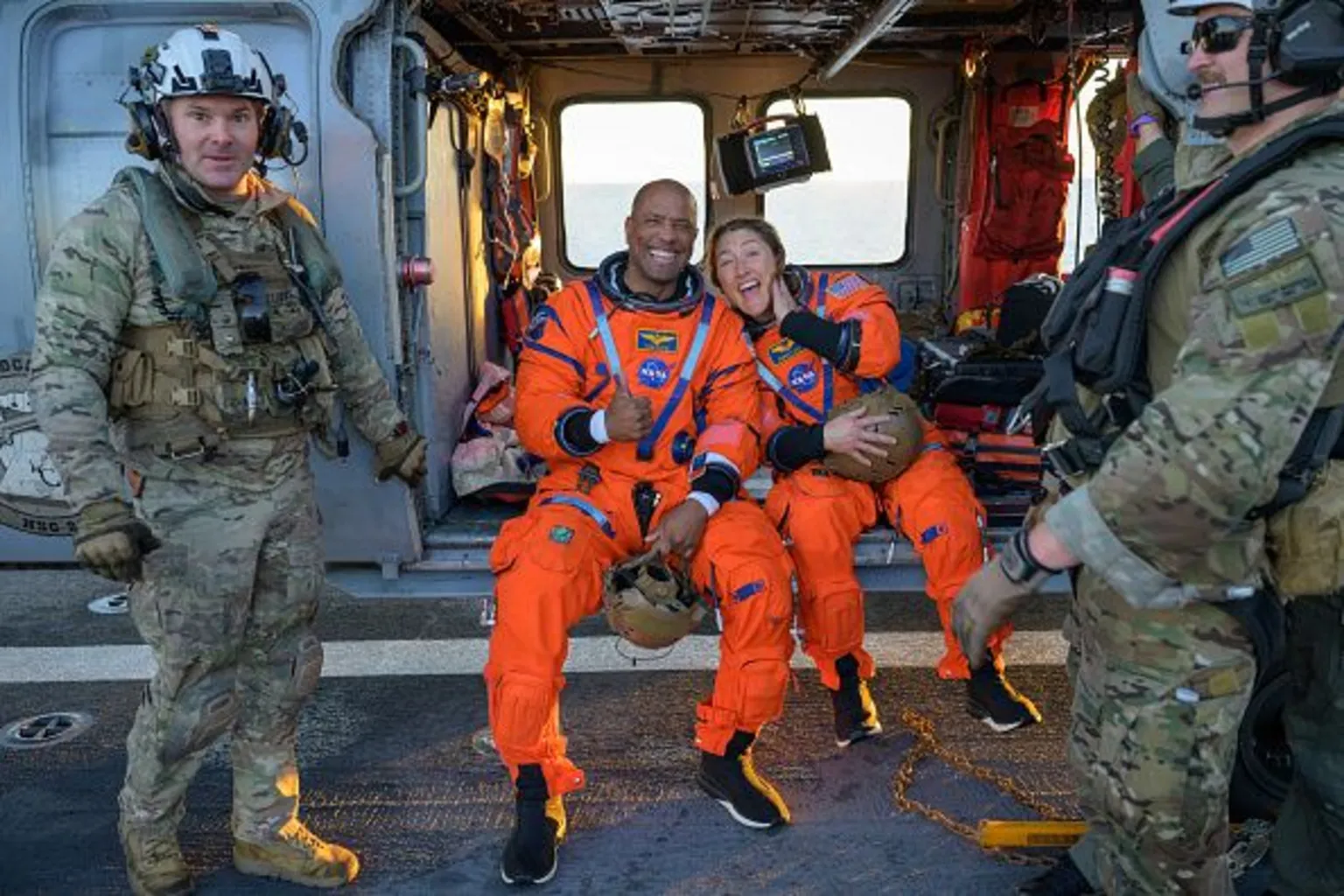
The capsule descended under large parachutes, gently splashing down in the Pacific Ocean, marking the astronauts’ safe return.
The previously focused and calm atmosphere in mission control gave way to jubilant celebrations. The Houston team and thousands involved in the project had successfully brought their colleagues home.
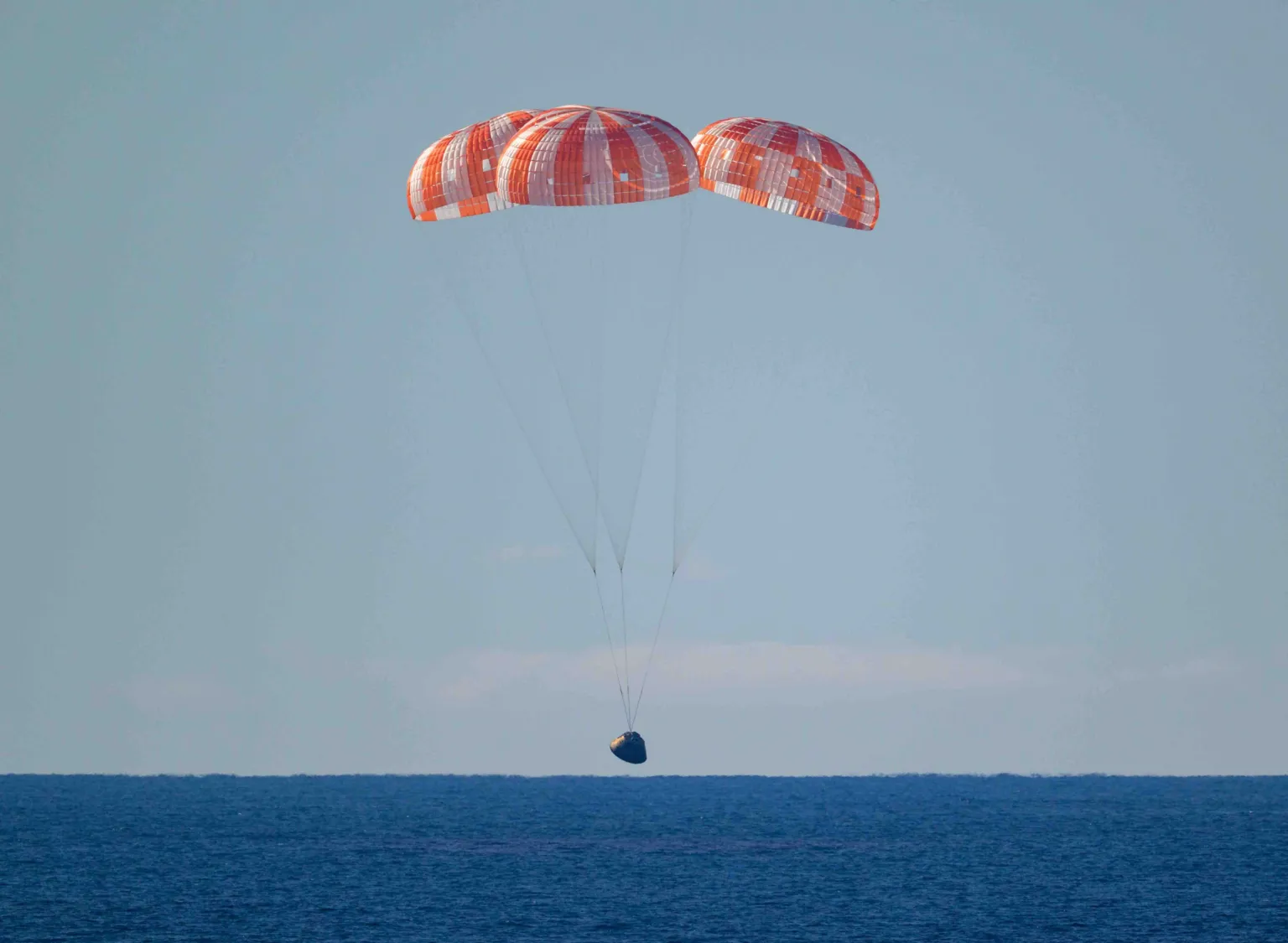
The Artemis astronauts have undergone an extraordinary experience, which they acknowledge will take time to fully process.
They have also formed a profound bond with each other.
Near the mission’s conclusion, I spoke with the crew in space and asked what they would miss most. Christina Koch responded without hesitation:
"I'd miss the camaraderie; the crew are now like family."
They embarked on this mission relatively unknown, but Reid Wiseman, Victor Glover, Christina Koch, and Jeremy Hansen have returned as household names.
It has felt like a front-row seat to history. Kevin, Ali, and I have been struck by how deeply this mission has captivated so many people, as we reported continuously to satisfy the global appetite for space news.
For a few brief days, the astronauts transported millions worldwide beyond Earth, allowing us to accompany them on their journey.
If NASA’s ambitious exploration plans succeed—and other nations follow—we can expect many more such journeys.