Artemis II Crew Reflect on Emotional Lunar Flyby
NASA astronauts have expressed profound emotions after soaring over the moon, capturing highly anticipated photographs of impact craters, surface cracks, and ridges as they commenced their return journey to Earth.
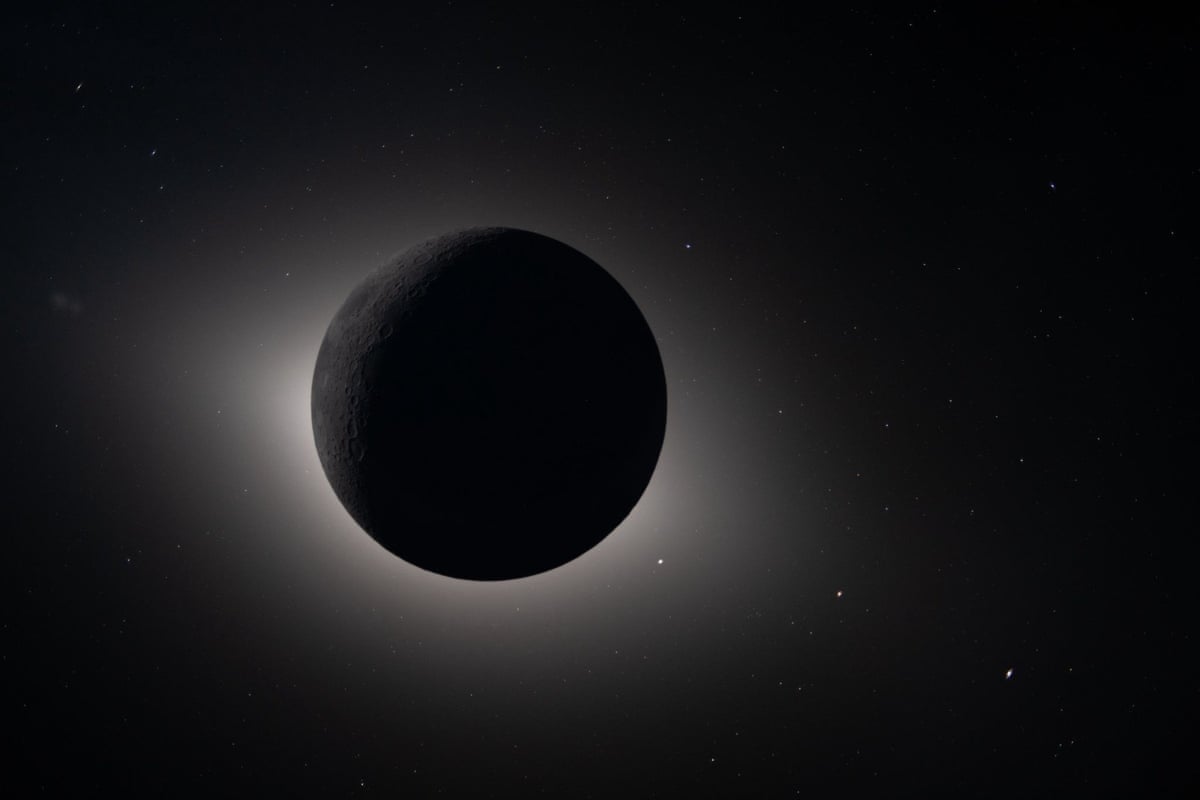
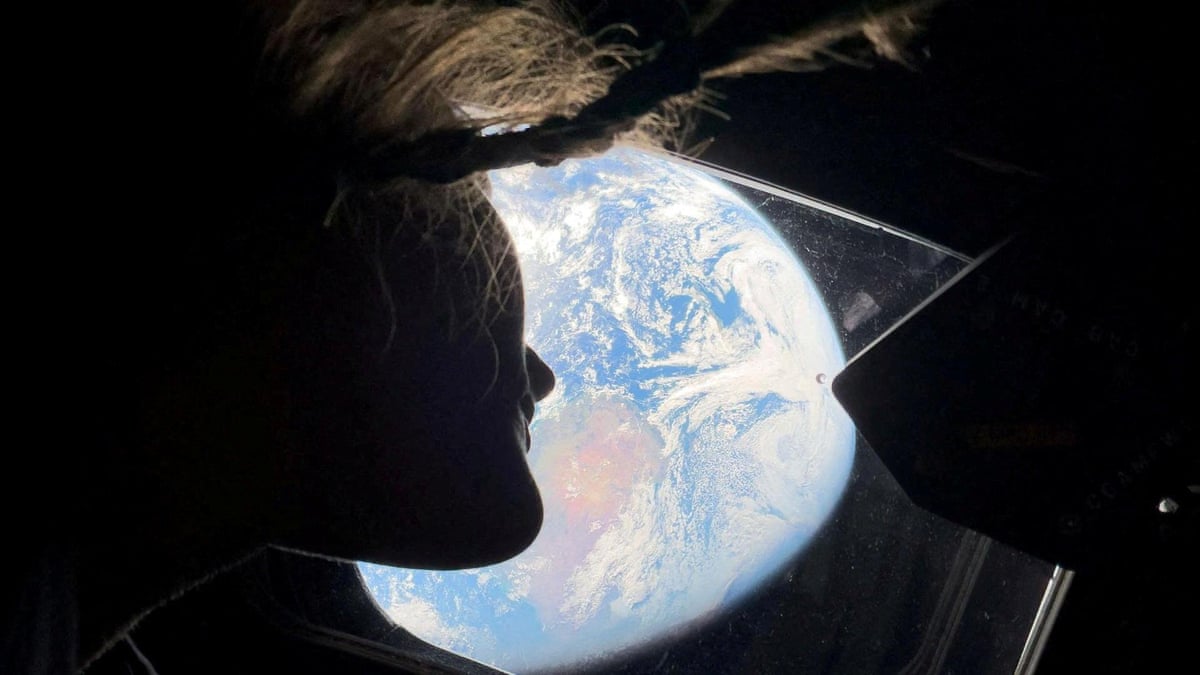
Among the images taken by the crew, who operated in pairs at the Orion capsule windows, are views of Earth rising beyond the moon, a solar eclipse, and previously unseen portions of the 590-mile (950 km) wide Orientale impact basin.
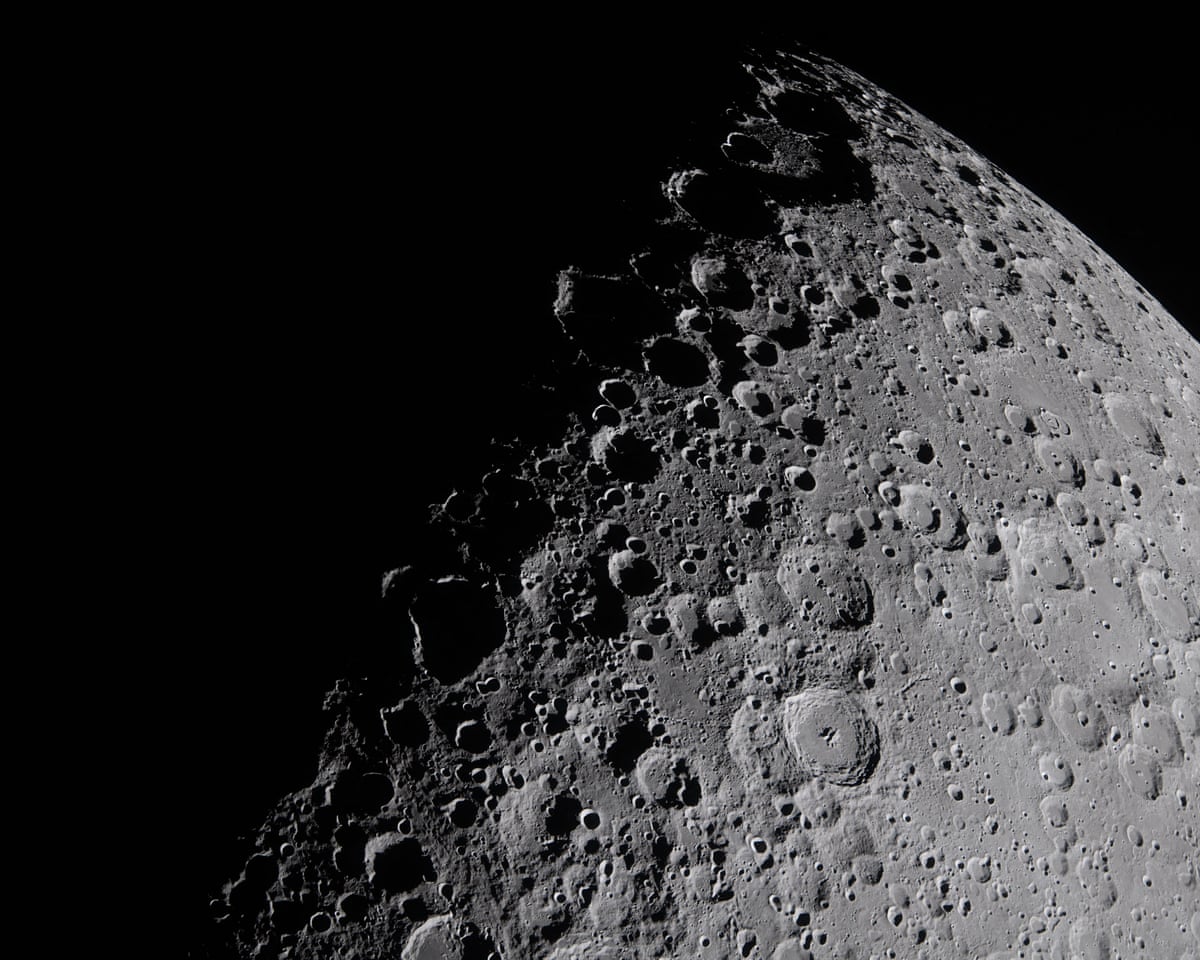
Additional photographs are expected to provide insight into the brown, green, and orange hues reported by the astronauts on the predominantly grey lunar landscape, as well as potentially faint layers of moondust that may have been visible during the Earthrise.
After swinging around the moon's far side on Monday—a maneuver that temporarily severed communication with mission control for 40 minutes—the four astronauts are now traveling back to Earth. Their approximately 250,000-mile return trip is scheduled to conclude with a splashdown near the coast of San Diego at 8:07 p.m. Eastern Time on Friday.
Astronauts Describe Their Lunar Observations
Christina Koch, the first woman to fly around the moon, described the intense emotions she experienced while observing the lunar surface at close range.
"I just had an overwhelming sense of being moved by looking at the moon. It lasted just a second or two and I actually couldn’t even make it happen again, but something just threw me in suddenly to the lunar landscape and it became real," she said.
Koch was particularly captivated by the bright new craters, which appeared like pinpricks of light on the surface.
"They are so bright compared to the rest of the moon," she noted.
Victor Glover, the first Black man to travel beyond low Earth orbit, also shared his reflections.
"It was very moving to look out the window."
"I went straight where Christina went, and I was walking around down there on the surface, climbing and off-roading on that amazing terrain," Glover told NASA’s capsule commander, or CapCom. On Tuesday, the crew will discuss their observations of the moon’s far side with the mission’s science team.
Mission Details and Record-Breaking Distance
The Orion spacecraft launched from Kennedy Space Center in Florida aboard NASA’s Space Launch System, the agency’s rocket designed for deep space missions. The crew consists of NASA astronauts Reid Wiseman, Victor Glover, Christina Koch, and Canadian Space Agency astronaut Jeremy Hansen.
On Monday, the crew set a new record for the farthest distance humans have traveled from Earth, reaching 252,756 miles, surpassing the Apollo 13 record of 248,655 miles set in 1970. At their closest approach, the Artemis II crew came within 4,070 miles of the lunar surface.
To mark the return leg of the lunar flyby, NASA’s flight controllers in Houston changed the mission patches on their consoles, replacing the outbound trip patch showing the moon in front of Earth with one depicting the moon behind Earth.
Return and Re-entry Procedures
The capsule will return to Earth on Friday evening after jettisoning the service module, which provided power and propulsion during the lunar journey. One of the most critical phases is re-entry, when the capsule enters Earth’s atmosphere at speeds exceeding 20,000 mph, causing the heat shield to reach temperatures above 1,600°C.
During the Artemis I mission in 2022, NASA discovered damage to the capsule’s heat shield caused during re-entry. To mitigate this risk for Artemis II, the capsule will enter the atmosphere at a steeper angle, reducing the duration the heat shield is exposed to critical temperatures.
After passing through the atmosphere, the spacecraft will deploy parachutes to slow its descent before splashing down in the North Pacific Ocean.