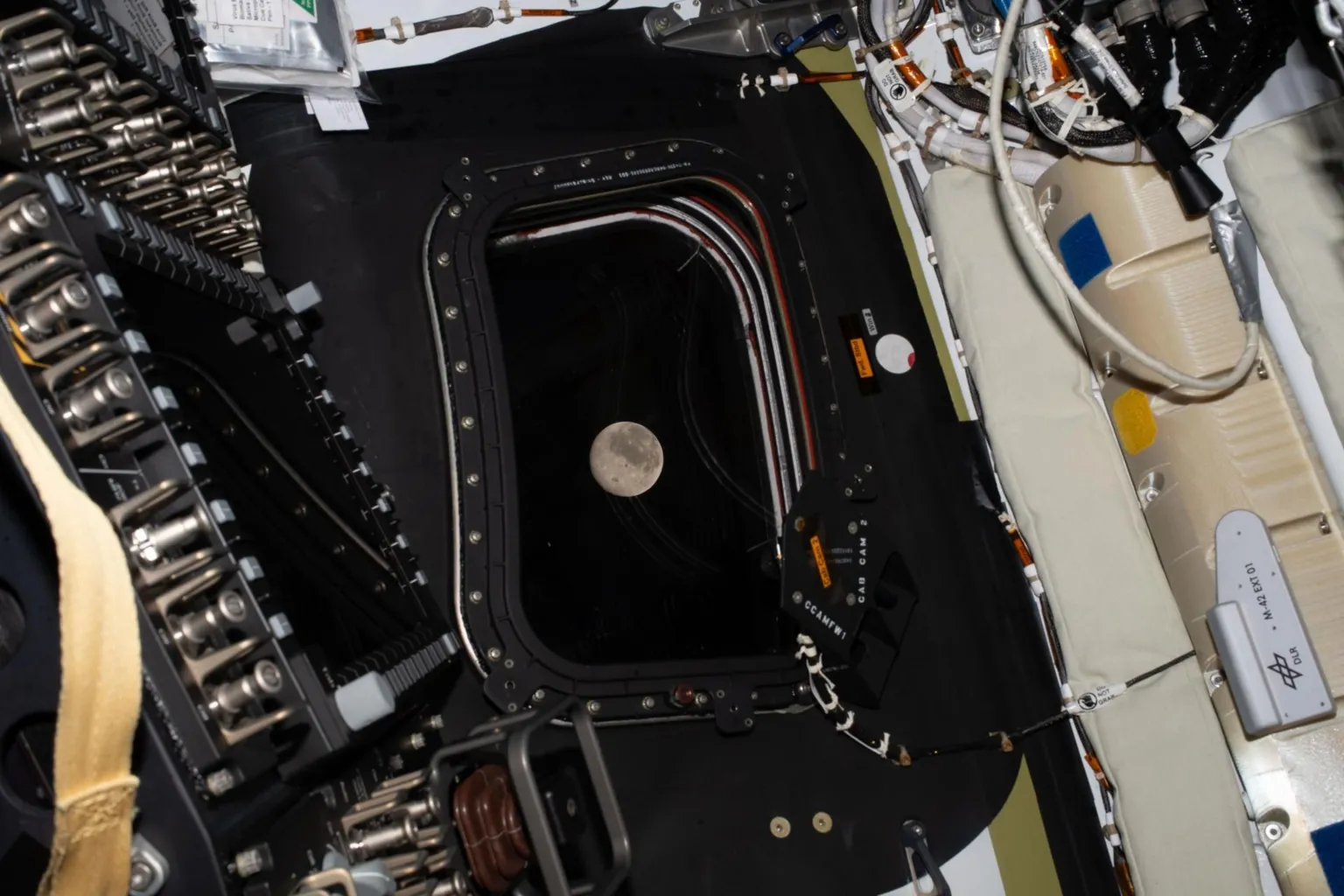
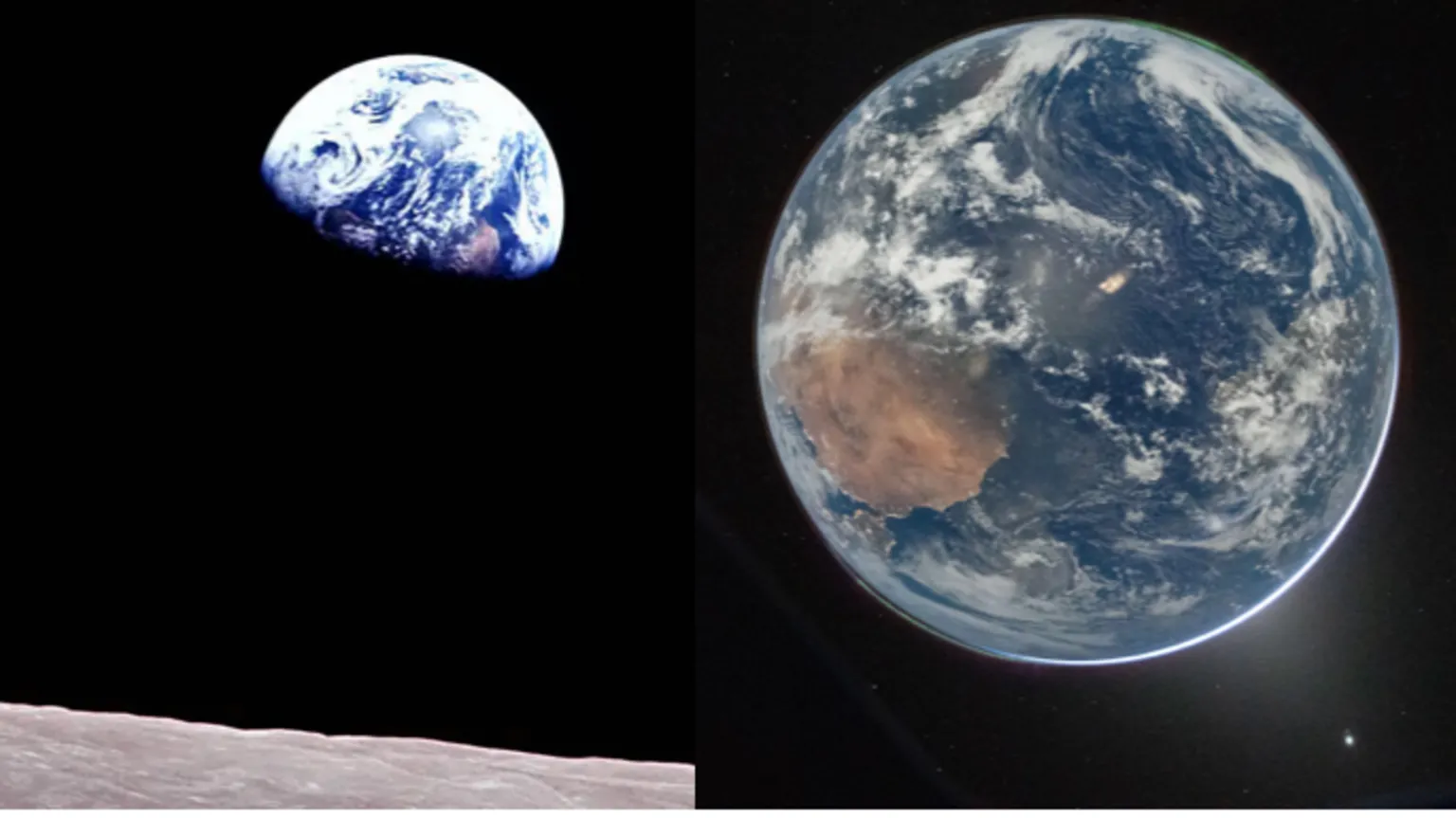
Artemis II Crew Returns After Record-Breaking Lunar Flyby
Four astronauts aboard NASA's Artemis II mission are en route back to Earth following a dramatic flyby of the Moon, during which they traveled farther from Earth than any humans before them.
As anticipated, the crew experienced a 40-minute communication blackout while passing behind the Moon, losing contact with Earth temporarily.
"It's so great to hear the Earth again," said astronaut Christina Koch upon reestablishing communications.
Shortly after regaining contact, the spacecraft approached within a few thousand miles of the lunar surface. The crew observed a total solar eclipse, witnessing the Moon completely blocking the Sun’s light—a spectacle seen for the first time from the Moon’s vantage point.
Setting a New Distance Record
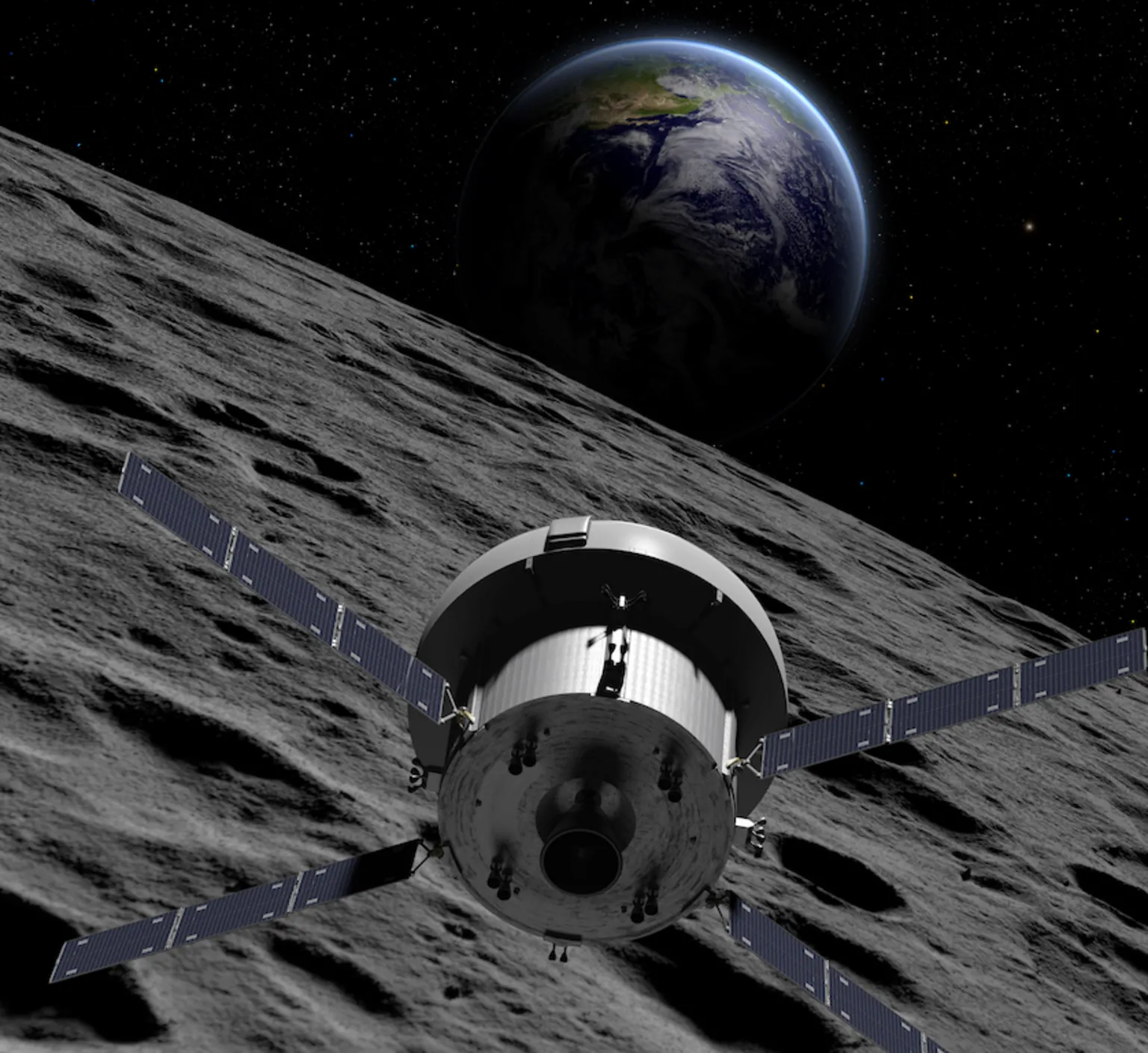
The Orion spacecraft of the Artemis II mission surpassed the previous human space travel distance record at approximately 13:56 EDT (18:56 BST) on Monday, exceeding the 248,655 miles (400,000 km) record set by Apollo 13 in 1970.
"As we surpass the furthest distance humans have ever traveled from planet Earth, we do so in honoring the extraordinary efforts and feats of our predecessors in human space exploration," said Canadian astronaut Jeremy Hansen.
Observing the Lunar Far Side
As the spacecraft neared the Moon and its surface filled the windows, the astronauts began executing a checklist to document the lunar terrain. They captured images using various digital cameras, made sketches, and recorded audio descriptions as briefed by NASA.
The mission did not include a lunar landing but involved flying around the Moon’s far side, which is never visible from Earth. While satellites have previously photographed this region, the Artemis II crew were the first humans to directly observe some areas of the far side, including its extensive craters and lava plains.
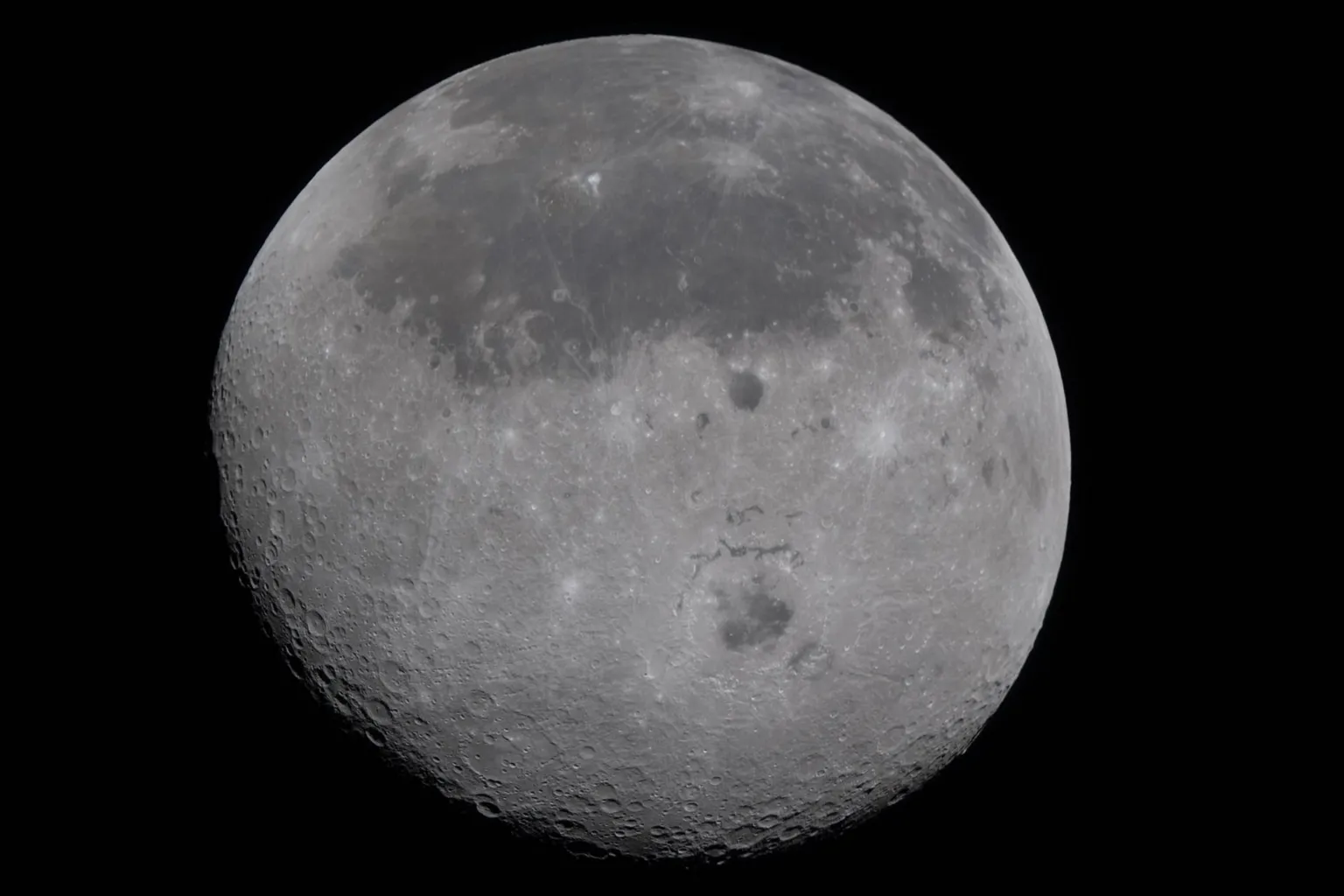
The astronauts’ equipment included two professional digital SLR cameras: one with a wide-angle lens to capture broad scenes, and another with a powerful zoom lens to detail the lunar surface. Additionally, they carried a mirrorless camera with a standard-view lens designed to produce images approximating human visual perspective.
Small, rugged video cameras mounted on each of Orion’s four solar array wing tips recorded smooth, continuous footage as the spacecraft traversed the Moon’s cratered landscape. Each astronaut also had a smartphone to film and photograph daily activities inside the capsule.
NASA intends to share much of the imagery either later during the mission or after the spacecraft’s return to Earth.
Enhancing the Viewing Experience
During the flyby, the crew dimmed Orion’s internal lights to minimize window reflections and improve visibility of the lunar surface.
NASA’s science team emphasized that the astronauts’ audio descriptions are as valuable as the images. As the crew vocalizes their observations, trained human eyes can detect subtle colors, contrasts, and textures that may not be evident in spacecraft images alone.
"Human eyes and brains are highly sensitive to subtle changes in color, texture, and other surface characteristics," explained Dr. Kelsey Young, NASA’s lunar science lead, in an interview with . "A well-trained observer could detect faint shades in the landscape—nuances of color, texture, and geological features on the far side—that become clearer the longer they observe the Moon up close."
Communication Blackout Behind the Moon
The most tense moment of the mission occurred as Orion passed behind the Moon, causing a loss of radio and laser communication with Earth. The astronauts were isolated on the lunar far side for approximately 40 minutes.
Just before the loss of signal, Pilot Victor Glover addressed those on Earth: "As we prepare to go out of radio communication, we're still going to feel your love from Earth. And to all of you down there on Earth and around Earth, we love you, from the Moon. We will see you on the other side."
During this period, mission controllers, the astronauts’ families, and viewers of the live stream waited anxiously for contact to be restored.
When the signal returned, there was a brief silence before Christina Koch’s voice was heard by mission control, evoking the spirit of the Apollo era.
"We will explore. We will build ships. We will visit again. We will construct science outposts. We will drive rovers, we will do radio astronomy, we will found companies. We will bolster industry, we will inspire.
But ultimately, we will always choose Earth. We will always choose each other."
Witnessing a Lunar Solar Eclipse
Beginning around 20:35 EDT (01:35 BST Tuesday), the Sun’s appearance from the capsule changed as the Moon moved to eclipse it. The remaining visible feature was the Sun’s corona, its shimmering atmosphere, visible as it protruded from the lower edge of the Moon’s silhouette, normally obscured by glare.

"It is amazing the brightness where the sunset is still bright and you still have a distinct Earth shine," remarked Victor Glover, moved by the sight.
Mission Objectives and Technical Evaluations
For NASA, the "Moon Day" was not merely a spectacle but a critical test of the Orion spacecraft’s performance under lunar conditions.
Artemis II serves as a test flight paving the way for future missions, including plans to land humans on the Moon for the first time since 1972.
Sensors aboard Orion recorded the spacecraft’s power and thermal system responses during nearly an hour without direct sunlight, experiencing rapid temperature fluctuations as it passed through the eclipse.
Orion completed its closest approach to the Moon, endured isolation behind the lunar far side, observed the eclipse, and utilized lunar gravity to adjust its trajectory back toward Earth.
Upcoming Challenges and Return Journey
The crew now faces several days of routine checks and experiments before the mission’s final challenge: reentry into Earth’s atmosphere at nearly 25,000 mph, followed by a parachute-assisted splashdown in the Pacific Ocean. This phase will test the capsule’s heat shield and recovery systems.