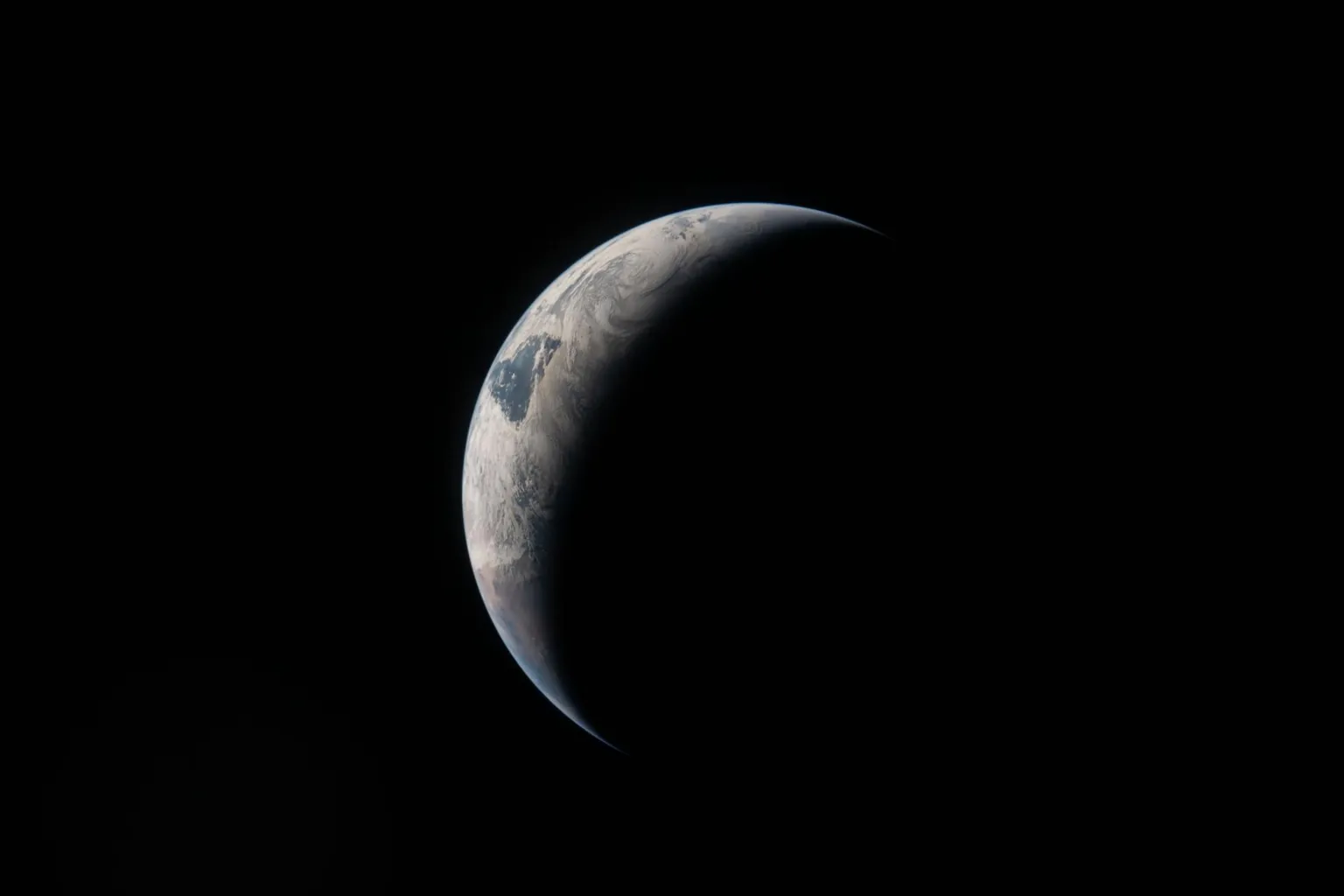
What Artemis II has taught us so far
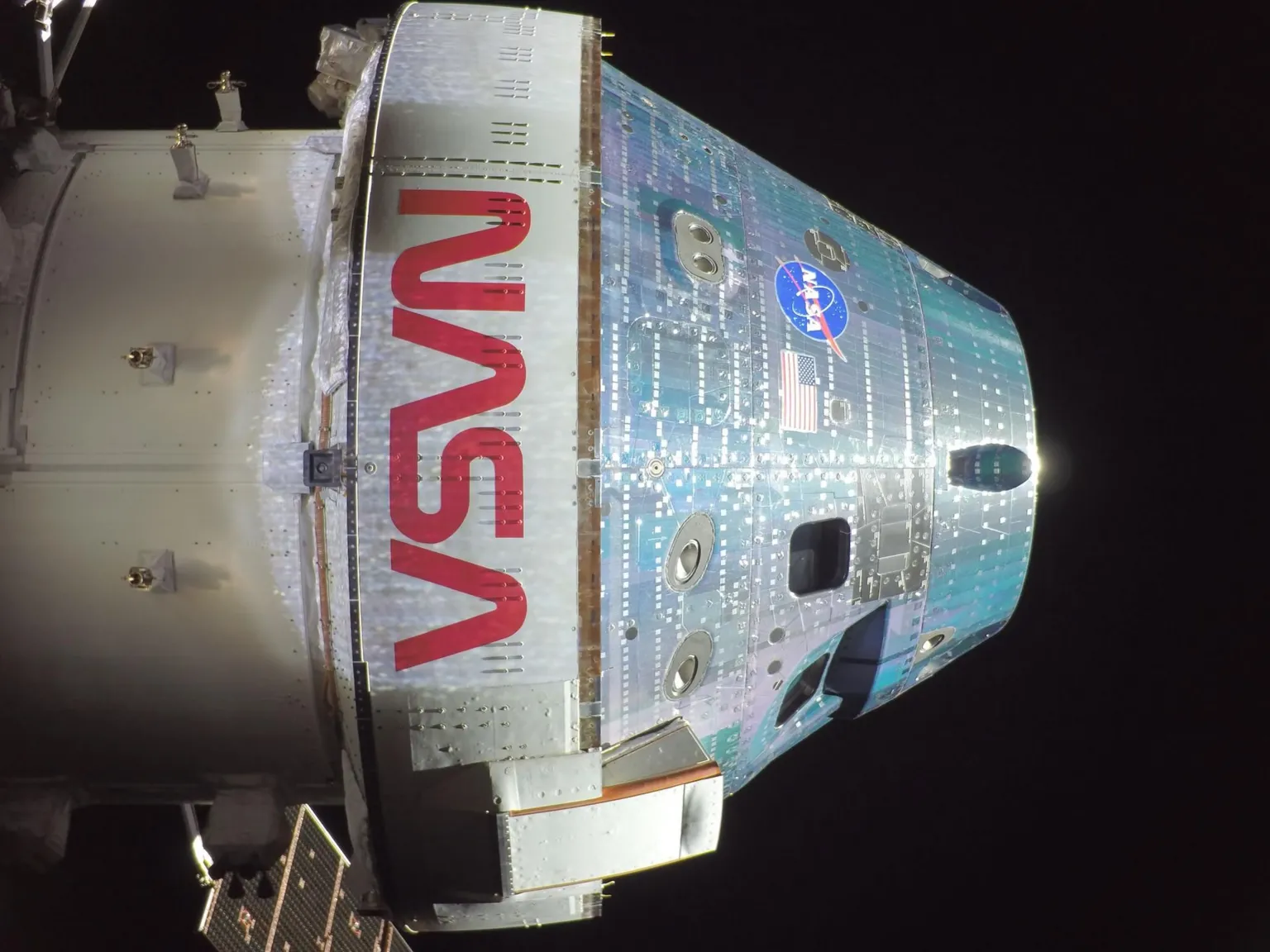
NASA's Artemis II mission has successfully passed every major test since its launch on 1 April, with its rocket, spacecraft, and crew performing beyond engineers' expectations. The first six days demonstrated that the Orion capsule operates as designed with humans aboard for the first time—a feat no simulator could fully replicate.
Perhaps the mission's greatest achievement lies in the crew's actions, which have inspired hope, agency, and optimism at a time when the world appears to need inspiration. However, the larger question remains: is a Moon landing by 2028, as NASA and former President Trump have aimed for, truly achievable?
A few days after NASA's Space Launch System (SLS) reached the launch pad at Kennedy Space Center, a crucial lesson about Artemis II had already been learned. Following two scrubbed launches in February and March due to separate technical issues, NASA Administrator Jared Isaacman stated:
"Launching a rocket as important and as complex as SLS every three years is not a path to success."
The previous uncrewed Artemis I mission launched in November 2022. Isaacman emphasized that the agency must stop treating each rocket "like a work of art" and instead launch with the frequency of a program that means serious business. This was effectively a declaration that relearning the same lessons every three years must end.
This perspective reframes everything that has followed. Judged against this ambition, what has the mission shown in the six days since Reid Wiseman, Victor Glover, Christina Koch, and Jeremy Hansen lifted off on April 1st? The short answer is more than even the optimists dared hope for.
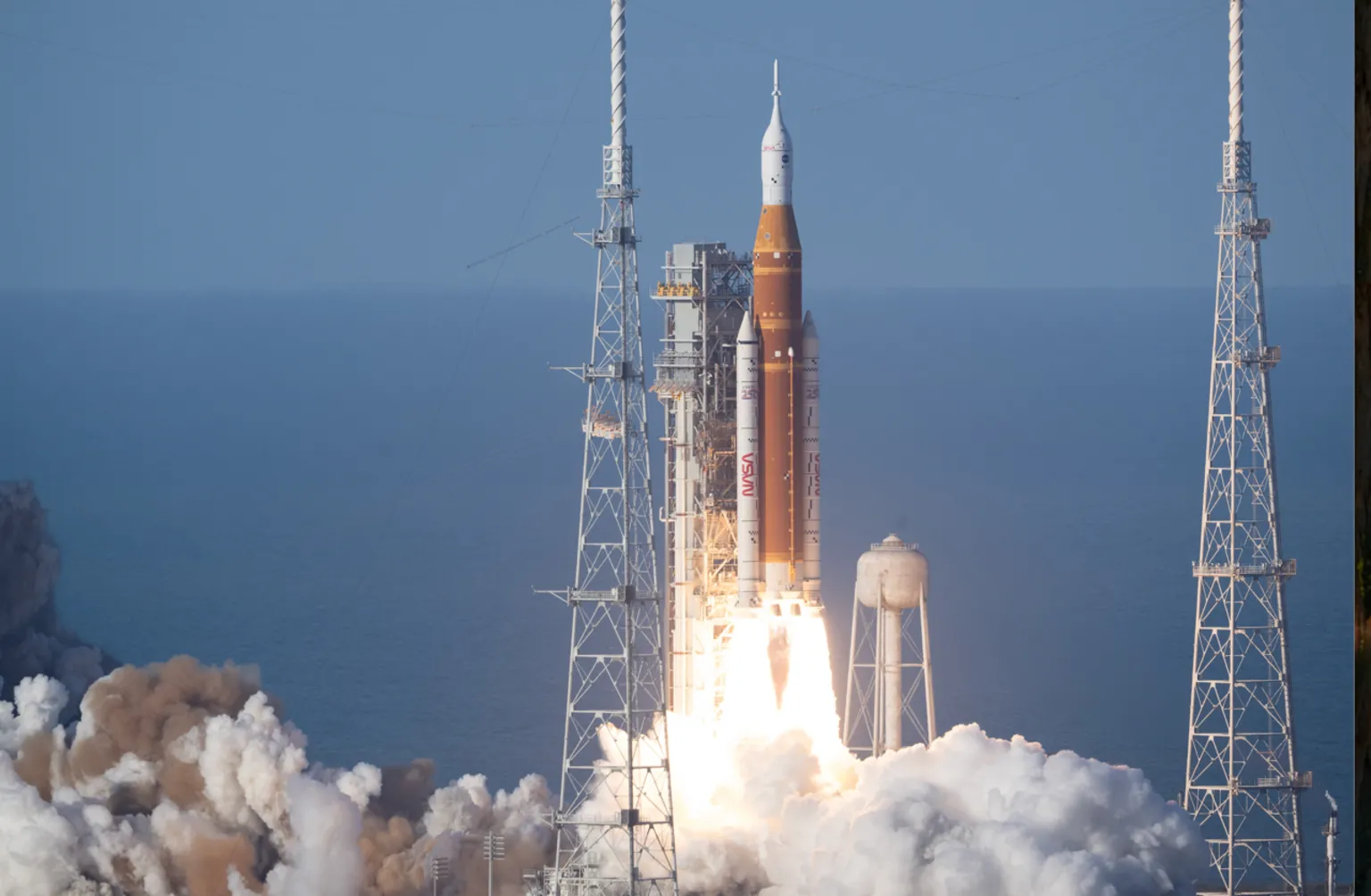
A Rocket that did the job
The SLS generated 8.8 million pounds of thrust at liftoff and performed according to plan by every engineering measure. Each phase of ascent was, in the understated language of mission control, "nominal": maximum dynamic pressure, main engine cutoff, and booster separation.
Two of the three planned course corrections en route to the Moon were canceled because the trajectory was already so accurate they were unnecessary. Dr. Simeon Barber, space scientist at the Open University, commented:
"Credit to them - they got it right the first time."
Approximately 36 hours after launch, Orion executed its main engine burn for five minutes and fifty-five seconds, known as the translunar injection burn, placing the spacecraft on a looping path to the Moon without further major maneuvers required. Dr. Lori Glaze, head of the Artemis program, described the engine burn as "flawless."
Humans in the machine
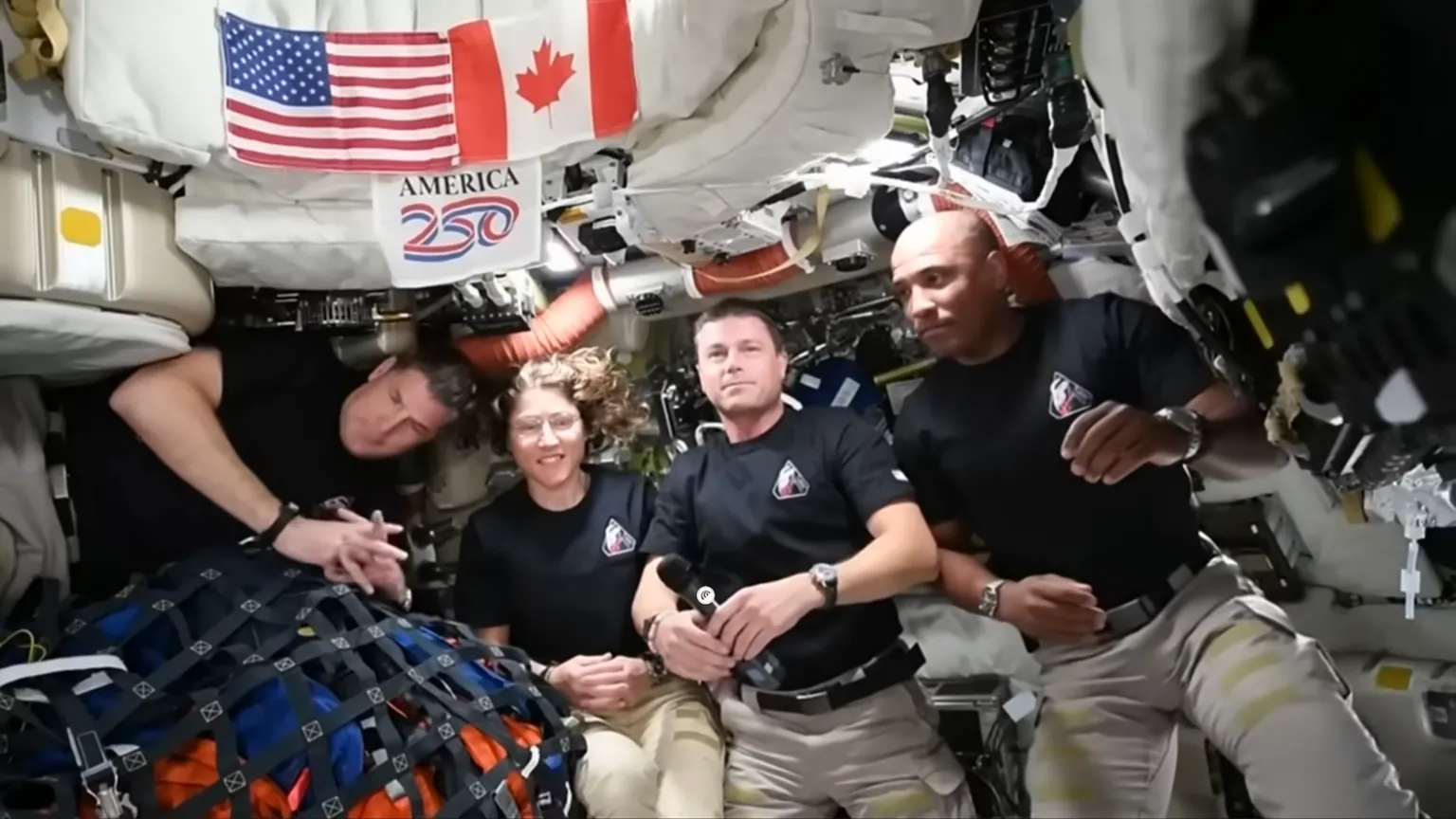
The official purpose of Artemis II is to place humans inside Orion and observe not only the spacecraft's performance but also the interaction between crew and machine. The mission has unfolded precisely as anticipated and revealed insights unattainable through simulation.
The crew encountered minor issues such as toilet malfunctions and a water dispenser problem that required precautionary bagging of water. A minor redundancy loss in one helium system was mentioned early on and quietly resolved.
As Barber noted:
"This is all about putting humans in the loop - these pesky humans that press buttons and breathe carbon dioxide and want air conditioning and want to use the toilet. It was all about how the system works with those guys on board."
Engineers monitored Orion's CO2 removal system through consecutive exercise sessions and tested spacecraft handling with thrusters deliberately disabled, building confidence that the vehicle is safe enough to carry humans to the Moon's surface.
Barber's overall assessment was candid:
"Orion itself seems to have worked pretty well, actually - certainly all the propulsion stuff, which is the real critical stuff."
Great science or NASA hype?
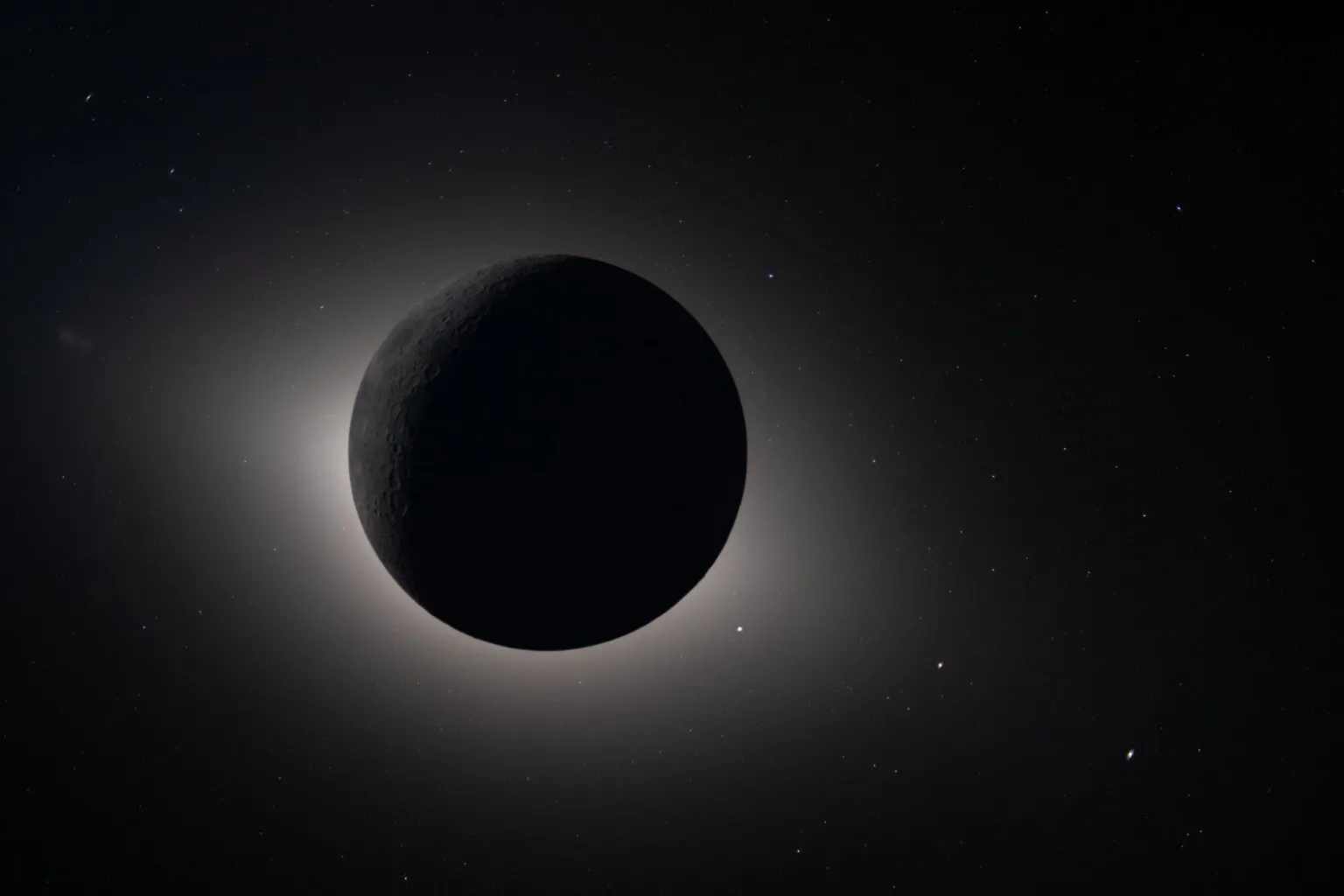
NASA has highlighted the scientific returns from the mission. The crew made extensive observations during their lunar flyby, noting around 35 geological features in real time, color variations that may indicate mineral composition, and captured a solar eclipse from deep space, which pilot Victor Glover described as "just looks unreal."
One particularly notable image was of the Orientale basin, a 600-mile-wide crater near the Moon's far side, seen in full by human eyes for the first time.
Despite these achievements, the scientific value is not the mission's primary focus. Professor Chris Lintott of Oxford, co-host of The Sky at Night, stated bluntly:
"The artistic value of the images returned from Artemis and its crew is significant, but their scientific value is limited."
Recent robotic missions have already mapped the lunar terrain in extraordinary detail. India's Chandrayaan-3 landed near the south pole in 2023, and China's Chang'e-6 retrieved samples from the far side in 2024.
The most poignant moment came not from instruments but from the crew. As the astronauts surpassed the distance record set by the Apollo 13 crew in 1970, Mission Specialist Jeremy Hansen communicated to Mission Control in Houston:
"There was a crater, on the nearside-farside boundary - a bright spot to the northwest of Glushko crater. We lost a loved one," his voice thickened. "Her name was Carroll - the spouse of Reid, the mother of Katie and Ellie. And we would like to call it Carroll."
Forty-five seconds of silence followed. Commander Reid Wiseman wept, and the crew embraced. On Earth, his daughters watched from Houston.
This moment holds significance beyond sentiment. Space programs that fail to generate genuine, unscripted human emotion rarely endure. Apollo's legacy is not solely engineering but what it symbolized about human reach and courage. Artemis II, in that moment, made a similar claim.
The biggest test to come
The mission is ongoing. Orion is returning to Earth, scheduled to splash down in the Pacific Ocean near San Diego on 11 April.
The critical remaining challenge is re-entry into Earth's atmosphere—the event that caused considerable concern after Artemis I, when unexpected heat shield damage triggered an investigation delaying Artemis II by over a year. The Orion capsule will enter the atmosphere at approximately 25,000 mph (40,000 km/h).
This test cannot be replicated by any simulator, and its outcome will define the mission's legacy more than any lunar image.
If re-entry proceeds successfully, Artemis II's results will be genuinely encouraging. The rocket performed as expected, the spacecraft functioned well, and the crew managed systems with competence and grace. NASA has finally articulated a credible plan to build on this success rather than waiting three years to start anew.
A Moon landing by 2028 remains ambitious. Barber estimates it is more likely three to four years away, a judgment difficult to dispute. However, the mission's smooth progress from launch to lunar flyby has shifted the probability favorably. The question is no longer whether Orion can fly but whether the landers, mission cadence, and political will can keep pace. The spacecraft has done its part.
Artemis II is a story of inspiration and science. The events evoke echoes of the Apollo program. At a time when the world lacks optimism, much like the 1960s amid wars and civil unrest in the US, this mission offered a moment to remember unity and to see Earth from afar.
This is not the story's end but a test flight for eventual Moon landings—not just one, but many more to come.