

Le Pen’s Appeal Decision Looms
Marine Le Pen, the leader of France’s far-right National Rally (RN) and a prominent presidential candidate, is set to learn on Tuesday whether she will be allowed to run in the 2027 presidential election following a Paris appeals court ruling on her attempt to overturn an electoral ban.
The decision will determine if the RN’s candidate to succeed the current president, Emmanuel Macron, will be the experienced Le Pen, aged 57, or her younger protégé, Jordan Bardella, aged 30.
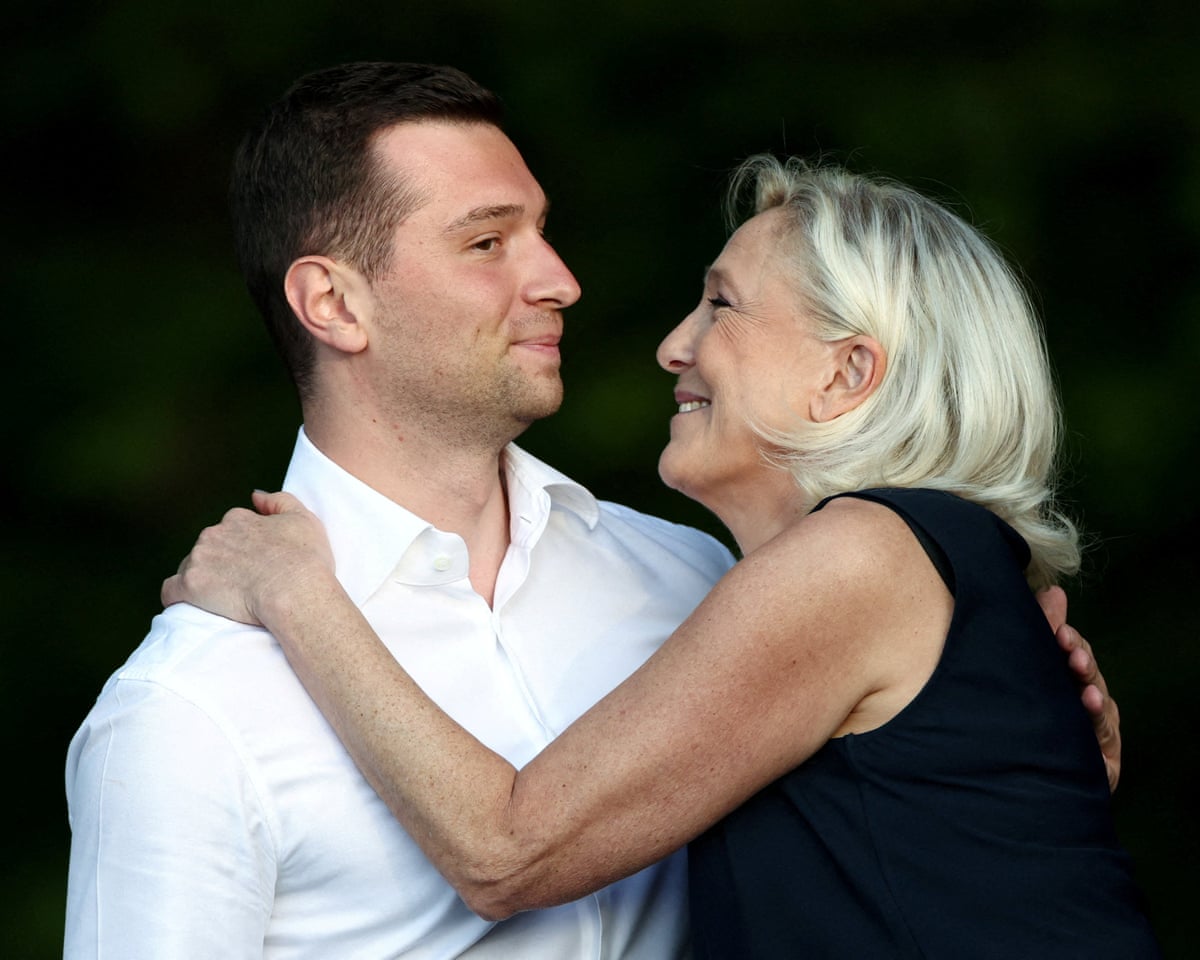
Currently leading comfortably in the polls, Le Pen, who finished third in the 2012 election and lost the runoffs to Macron in both 2017 and 2022, has stated she is ready for any outcome.
“I’m not scared,” she said this week. “If I can run, I will – as long as I can campaign.”
However, her supporters acknowledge that being declared ineligible would be a significant setback. Thomas Ménagé, an RN lawmaker, remarked to reporters,
“It would be a kind of personal grief if it happened.”
Background of the Ban
In a landmark ruling with implications beyond France, a lower court in March last year imposed a five-year ban from public office on Le Pen and sentenced her to four years in prison, with two years suspended, for embezzlement of European Parliament funds.
Le Pen, a three-time presidential candidate, along with 24 former Members of the European Parliament (MEPs), assistants, accountants, and the RN party itself, was found guilty of misappropriating European Parliament funds to employ RN staff in France between 2004 and 2016.
Le Pen has denied wrongdoing, asserting that her party was transparent and, along with 11 others, appealed the verdict. During the appeal trial, she denied that the RN had any systematic embezzlement scheme involving the several million euros in question and maintained that the party acted in “complete good faith.”
Prosecutors contended that Le Pen had professionalized a method of diverting EU funds originally developed by her father, Jean-Marie Le Pen, after she took over the party leadership in 2011. They are seeking to reduce her jail term to four years, with three years suspended.
Possible Outcomes of the Appeal
Analysts have outlined several potential outcomes from the appeal. The most favorable, though considered unlikely, would be a full acquittal. During the appeal, Le Pen acknowledged “a mistake,” admitting that some staff paid as EU aides had worked in party political activities, but she believed such work was permitted.

The court might also uphold her conviction but reduce the ban on holding elected office to two years or less, or remove it entirely. Since the lower court ordered the ban to take immediate effect, Le Pen has been subject to it since 31 March last year.
A ban of two years or less would expire before the first round of voting, scheduled for 18 April 2027. However, this would not guarantee her candidacy, as any jail term or electronic monitoring would severely restrict her ability to campaign.
“If I’m allowed to be a candidate, but am effectively prevented from campaigning freely – then you understand, that wouldn’t be possible,” Le Pen said on French television last week. “I can’t be dependent on a judge to authorise me to campaign.”
The appeals court could also order the electoral ban to take immediate effect again, as the lower court did. In that case, Le Pen could appeal to France’s highest court, the Court of Cassation, which has previously indicated it would rule before the election.
Nevertheless, Le Pen has indicated she is unlikely to pursue further appeals, arguing that prolonged uncertainty would harm her party’s electoral prospects.
“You can’t launch a presidential campaign at the last minute,” Le Pen said during the appeal trial.
RN’s Prospects and Internal Dynamics
Polls suggest that both Le Pen, who transformed the RN from a fringe nationalist movement into the largest party in France’s parliament, and Bardella would comfortably win the first round of the 2027 election to advance to the runoff.
However, RN’s left-wing and centrist opponents believe Bardella’s relative inexperience and lack of a strong personal brand could be significant disadvantages if he becomes the party’s presidential candidate.
Bardella has recently faced media scrutiny and criticism within the RN regarding his high-profile relationship with Princess Maria Carolina de Bourbon-des Deux Siciles, raising questions about how this might be perceived by the working-class voters who remain a core RN constituency.

Party officials maintain that Bardella and Le Pen are united and would campaign as a team regardless of who is the RN candidate. Nonetheless, tensions have surfaced between the two, particularly concerning economic policy, with Bardella advocating a more free-market approach.
Second Round Election Scenarios
Polls are divided on the potential outcome of the second round. Some suggest Le Pen would win against radical left leader Jean-Luc Mélenchon as well as centrist former prime ministers Gabriel Attal and Édouard Philippe.
Others propose that Philippe, who is also courting center-right voters, could prevail in a runoff against either far-right candidate.


