Nato announces plans to invest in antidrone, surveillance capabilities
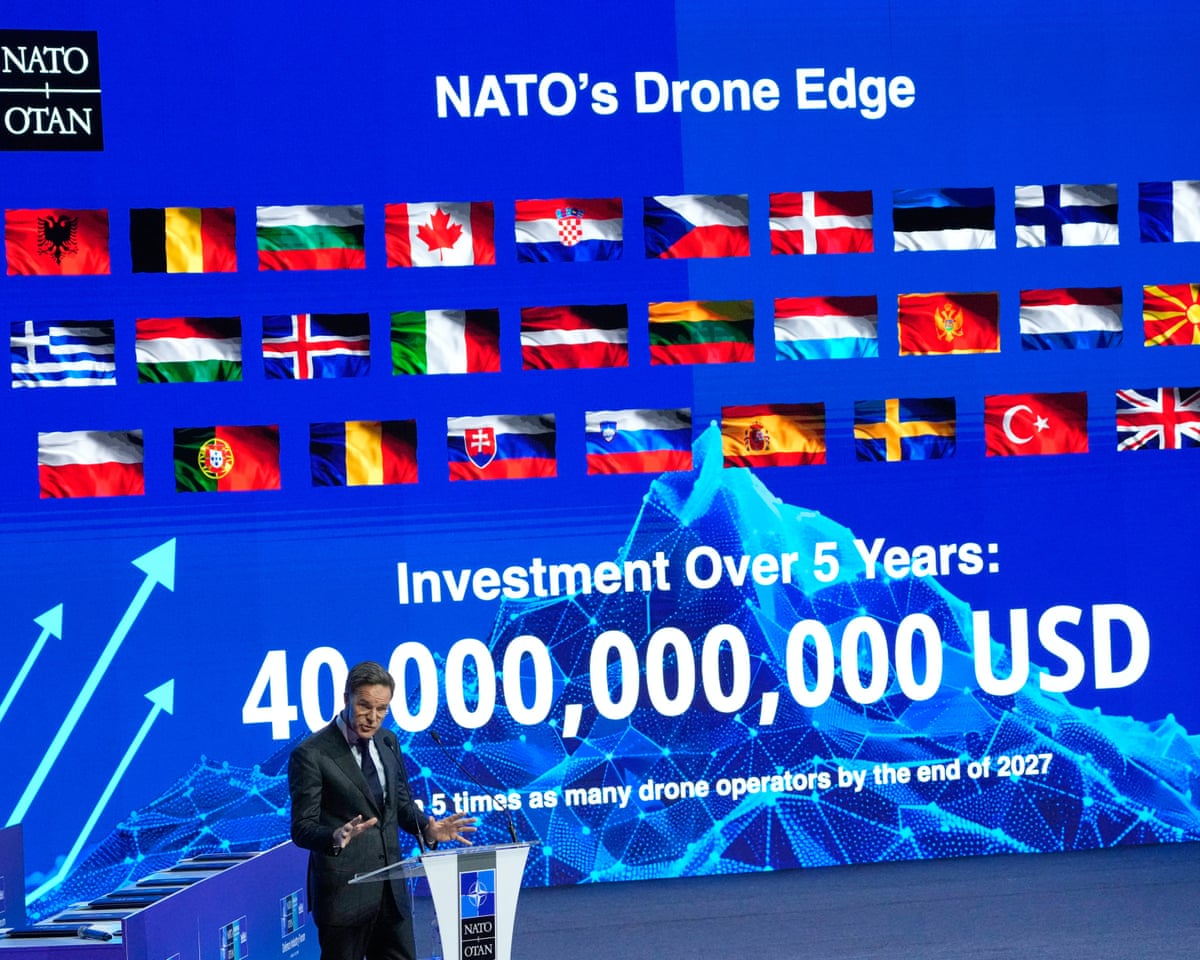
In Ankara, Nato has announced significant new investments, including a $40 billion allocation for antidrone capabilities, accompanied by promotional videos set to dynamic stock music.
The alliance plans to acquire up to 10 Saab GlobalEye surveillance aircraft to replace its aging fleet of AWACS early warning planes, as confirmed by Nato Secretary General Mark Rutte, who noted the selection of the Swedish manufacturer over US planemaker Boeing, according to .
Additionally, Nato will purchase up to five Northrop Grumman MQ-4C Triton high-altitude surveillance drones. Norway, Finland, Germany, and Denmark have signed a letter of intent for this acquisition.
Rutte also stated that the allies will collaborate on acquiring, storing, transporting, and managing stockpiles of critical defence materials.
'Important work' at Nato summit with focus on drone deals, air defence, Zelenskyy says
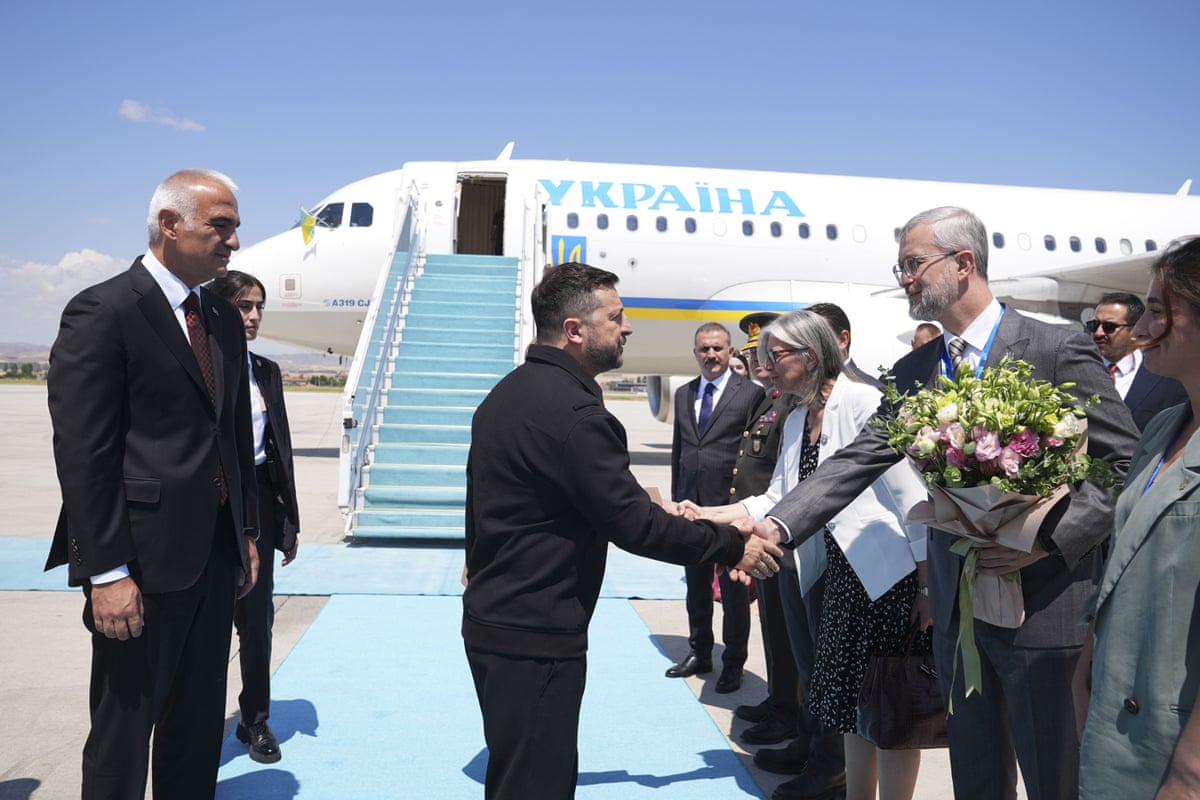
Ukrainian President Volodymyr Zelenskyy has arrived in Ankara. In a post on X, he emphasized the significance of the summit, stating that “important work lies ahead” and expressing hope for “a strong and productive summit.”
“Decisions are needed now that will provide greater protection for our people, more capabilities for our defence, and even stronger security cooperation between Ukraine, Europe, and the United States.”
Zelenskyy indicated he would attend nearly twenty bilateral meetings and sign new drone deals, focusing on strengthening Ukraine’s air defence amid ongoing Russian attacks.
“New systems, missiles for them, and the issue of production licenses – all of this is our priority,”he added.
The summit will continue this afternoon, with more leaders expected to arrive for the official dinner tonight, and the formal sessions beginning tomorrow.
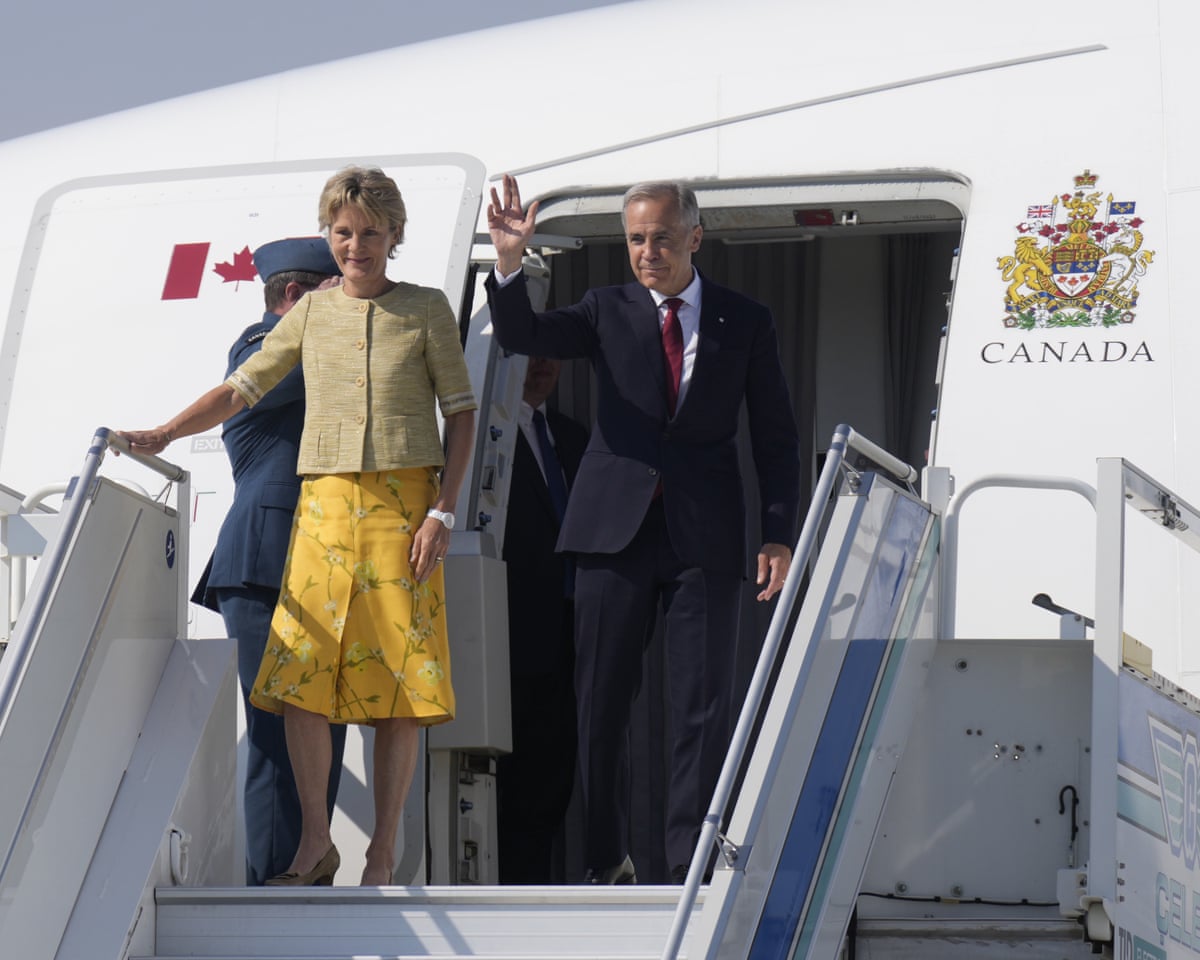
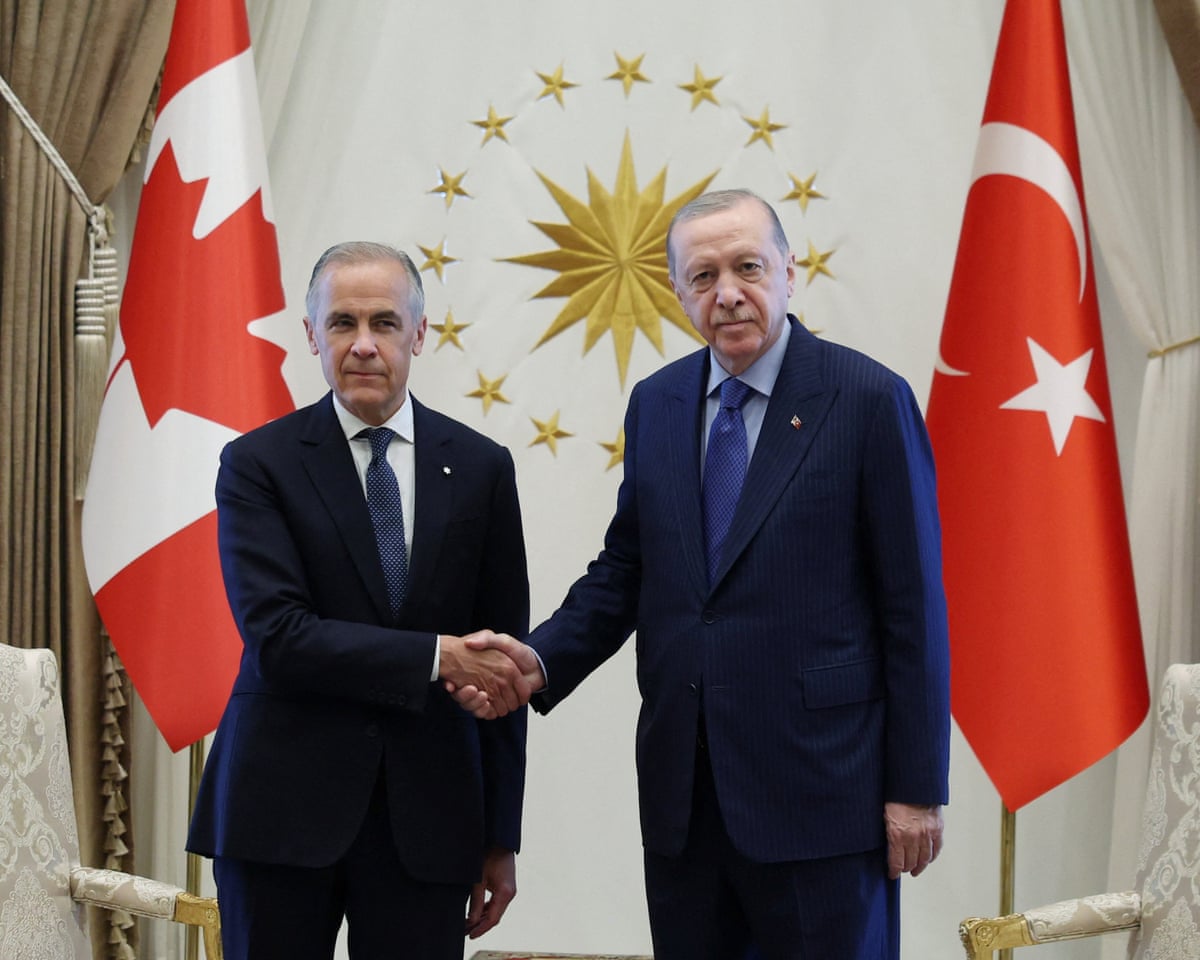
Among the early arrivals this morning was Canada’s Mark Carney, who met with Turkey’s President Recep Tayyip Erdoğan.
Currently, the agenda includes industry speeches and announcements of new arms deals aimed at reinforcing the alliance.
Nato Secretary General Mark Rutte is expected to deliver a speech shortly, with key points to be reported.
'I slept really well last night. And you?,' Belgian PM's cat mocks Trump after World Cup win, ahead of Nato summit
The official Instagram account of the Belgian prime minister’s cat has offered a typically oblique comment following the national team’s recent success, responding indirectly to US President Donald Trump’s controversial intervention.
Maximus, the cat of Belgian Prime Minister Bart De Wever, posted a speech bubble in Dutch reading:
“I slept really well last night. And you?”
Maximus often ventures into political commentary with sardonic, indirect remarks on politicians and events.
De Wever’s spokesperson declined to comment on Trump’s lobbying efforts to overturn a red card given to US striker Falorin Balogun, instead referring local media to another Maximus post showing the cat crouching by a red card with the caption:
“Red card: I am going to play anyway!”
Both De Wever and Trump will attend the Nato summit starting later Tuesday in Ankara, though Belgium faces challenges. The country has pledged to meet Nato’s 5% of GDP defence spending target but is forecast to reach the 2% target only by 2025 after years of delay.
The Nato summit occurs amid tense relations between Europe and the US president. Since early 2026, Trump has strained ties with US allies, including failing to consult European leaders before the US and Israel launched an economically damaging attack on Iran, and expressing frustration when European countries denied US jets permission to bomb Iran from their territories.
Recently, Trump has been involved in a personal dispute with Italy’s Giorgia Meloni.
In the past days, even football became politically charged after Trump’s reported intervention ahead of the US versus Belgium match last night. US Secretary of State Marco Rubio suggested he might raise the issue with the Belgian delegation at the summit, though this now seems unlikely.
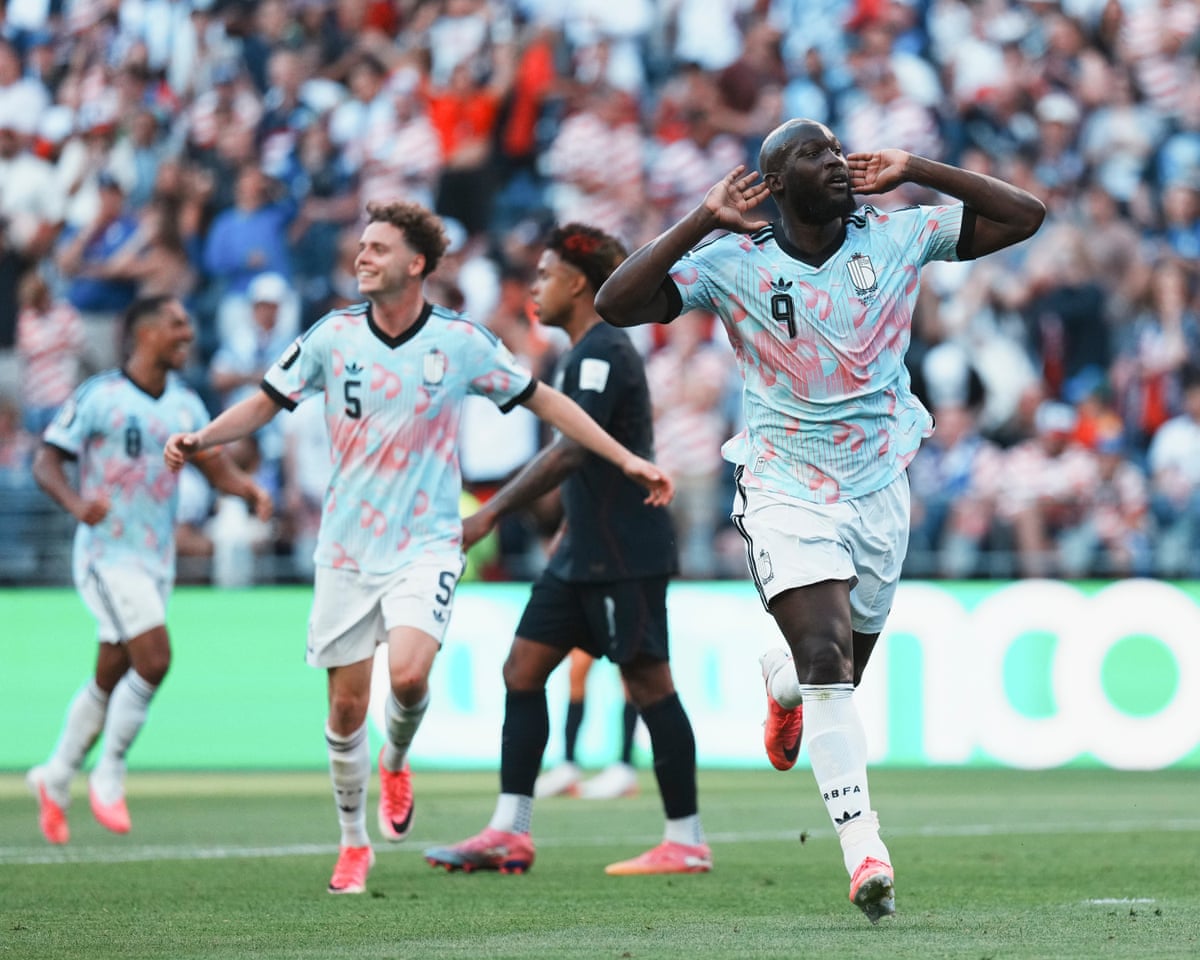
The Belgian national team celebrated a 4-1 victory with pointed barbs at the president’s actions, including mocking celebrations for the final goal.
Furthermore, Belgium’s most important resident, aside from the king, also commented on the result. For more details, Brussels correspondent Jennifer Rankin provides further insight.
At least 18 people injured in Damascus explosions near Macron's hotel
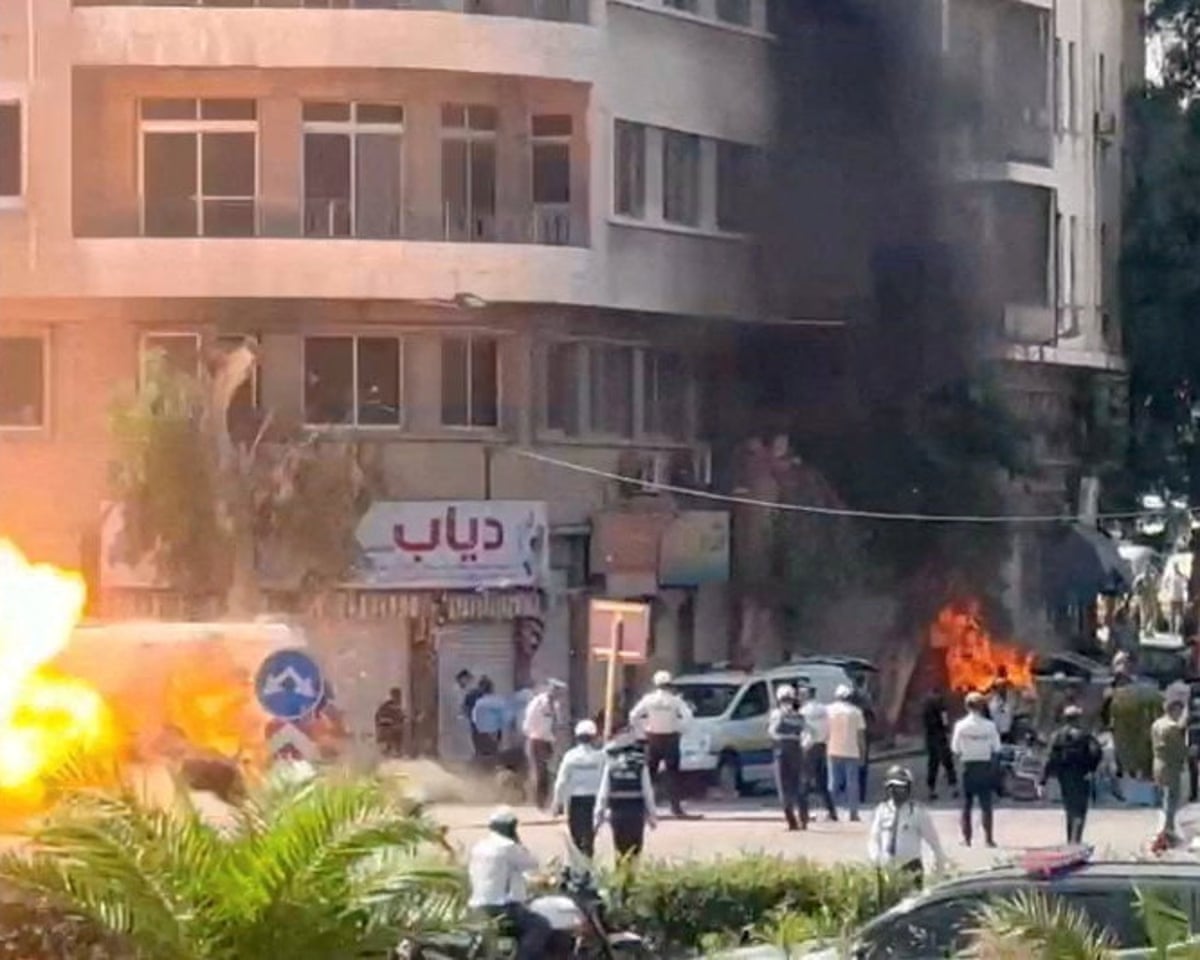
Initial reports from Damascus indicate that at least 18 people, including four police officers, were injured in explosions earlier today.
According to a Syrian security source who requested anonymity, one bomb was placed in a bin and another in a vehicle near the Four Seasons Hotel, where French President Emmanuel Macron spent the night.

This incident marks the second explosion since Thursday, when a bombing at a Damascus cafe resulted in 10 fatalities.
The Élysée Palace confirmed that President Macron was safe and unaffected by the incident and continued with his scheduled programme.
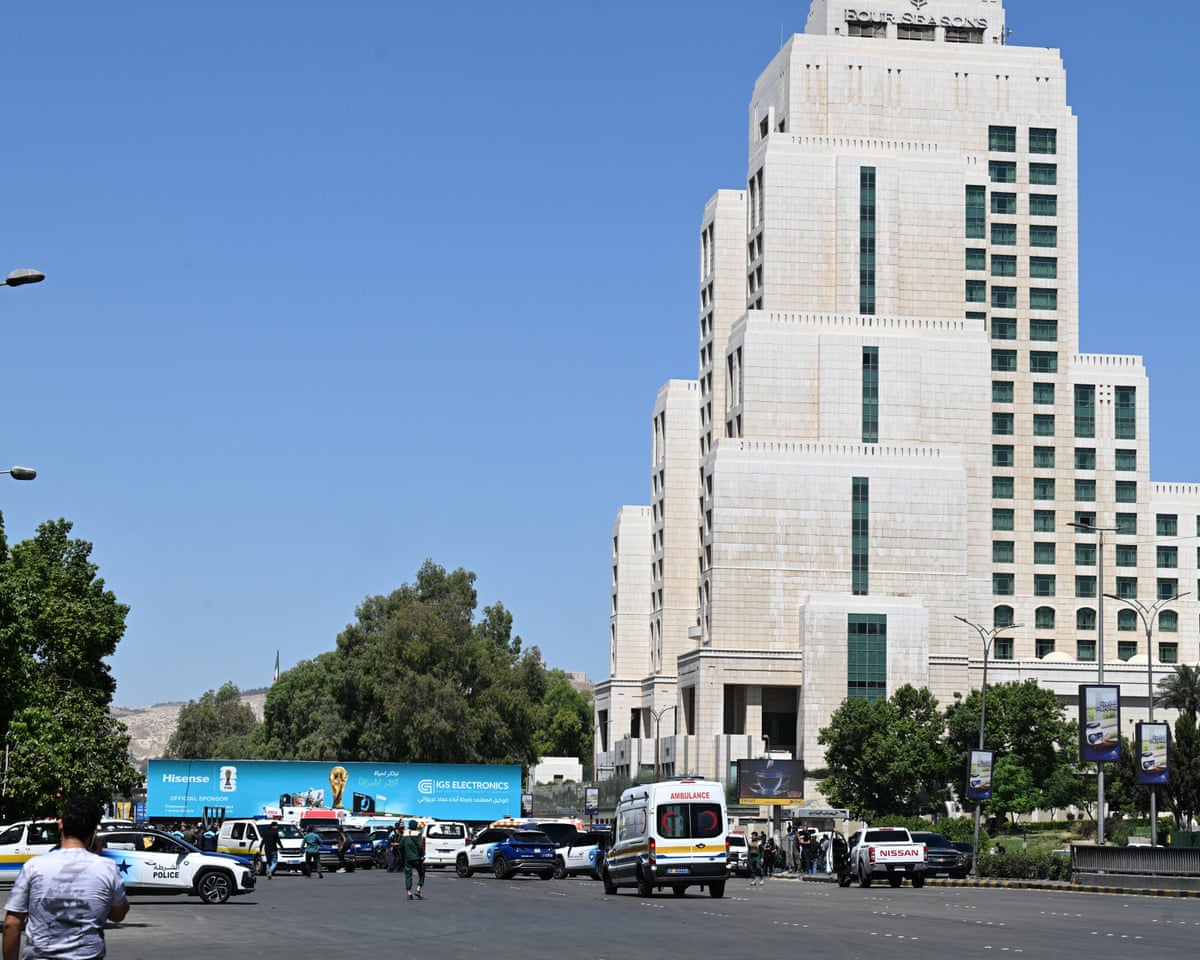
Reports of explosions in Damascus, Syria, during France's Macron visit
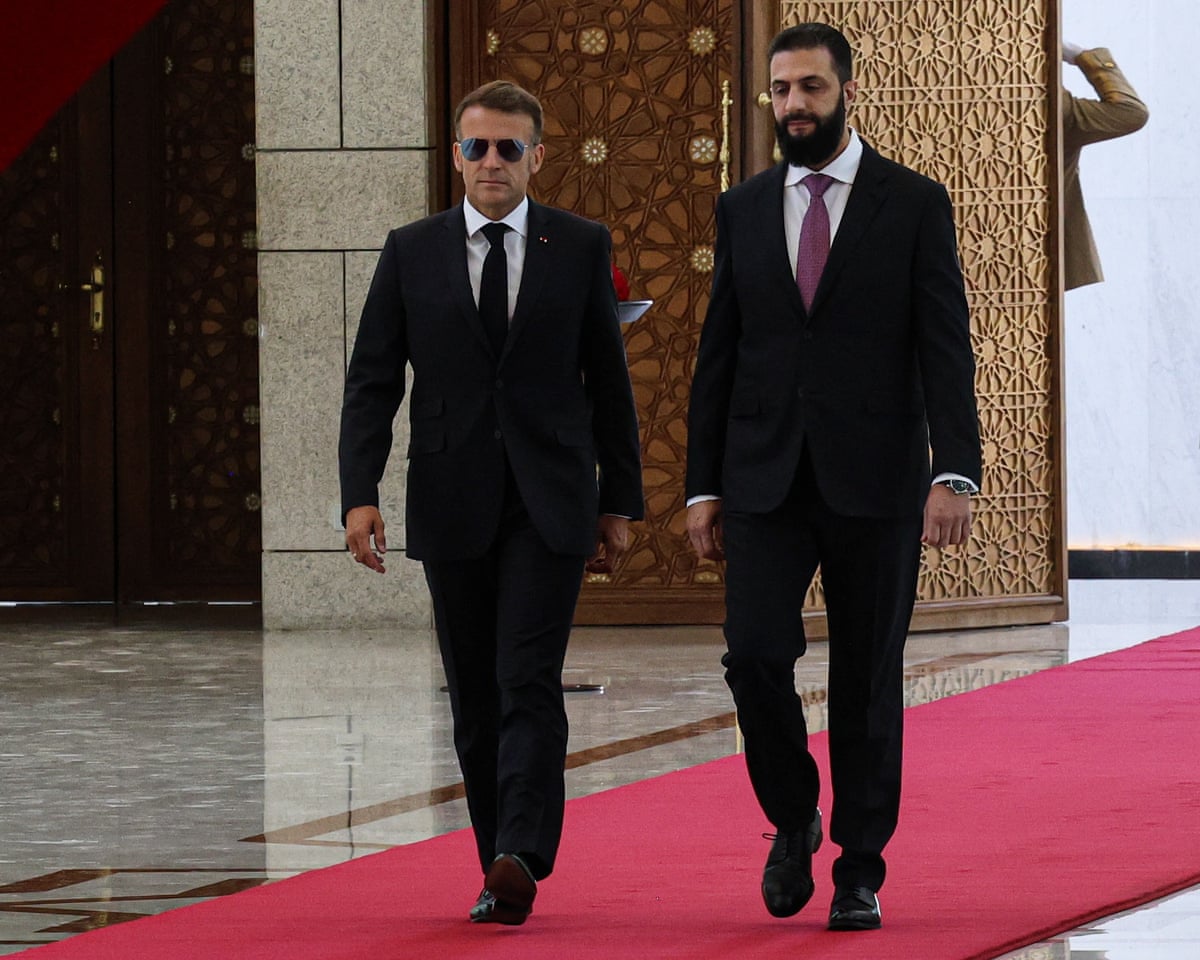
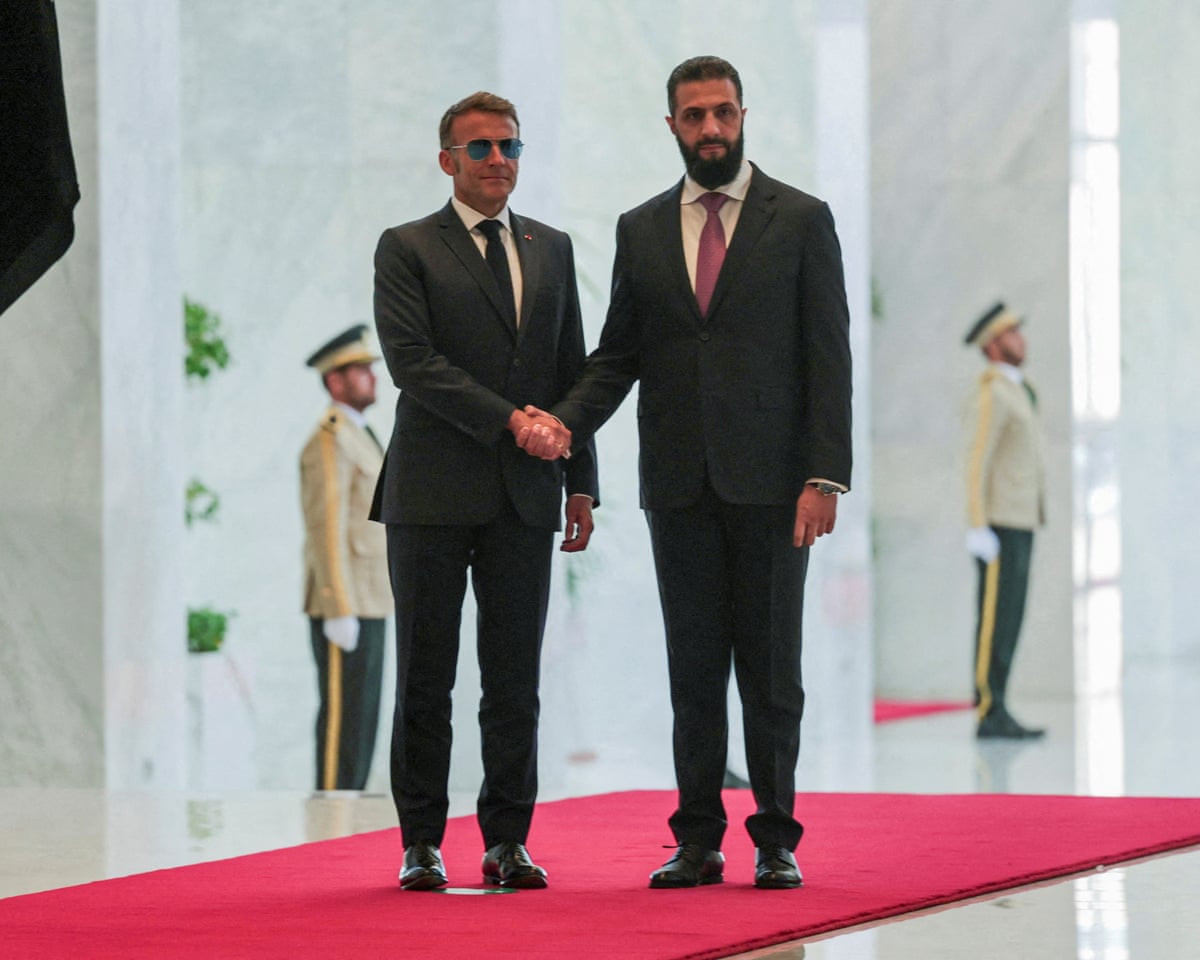
Reports of explosions in Damascus surfaced shortly after French President Emmanuel Macron entered the presidential palace to meet Syrian President Ahmad al-Sharaa.
The explosions occurred near the Four Seasons Hotel, where Macron reportedly stayed overnight.
The Élysée Palace stated that Macron was safe and did not hear the explosions, as he was already en route to the meeting with al-Sharaa.
Further updates will be provided as more information becomes available.
Europe faces up to prospect US may be unable to arm Nato allies
Concerns are growing in Europe that the US defence industrial base may no longer be able to supply the weapons pledged to Nato allies, as US stockpiles have been depleted due to conflicts in Ukraine and Iran. This situation is prompting allies to explore alternative means to arm and defend themselves.
As the Nato summit convenes in Turkey, the US plans to address European defence spending and concerns regarding the Trump administration’s future commitment to the alliance.
This year, the US has delayed or cancelled deliveries of key arms shipments to countries in Europe, including Tomahawk cruise missiles, Himars mobile rocket artillery, and Patriot Advanced Capability-3 (PAC-3) missiles. The US reportedly used approximately 50% of its PAC-3 missiles through April during its conflict with Iran.
These weapons are critical for countering missile threats in Ukraine and would be essential for Europe’s defence in the event of armed conflict with Russia.
These shortages have caused frustration among European capitals, which have sought to avoid direct confrontation with the Trump administration to preserve transatlantic relations.
Morning opening: Nato summit gets under way with focus on spending, capabilities
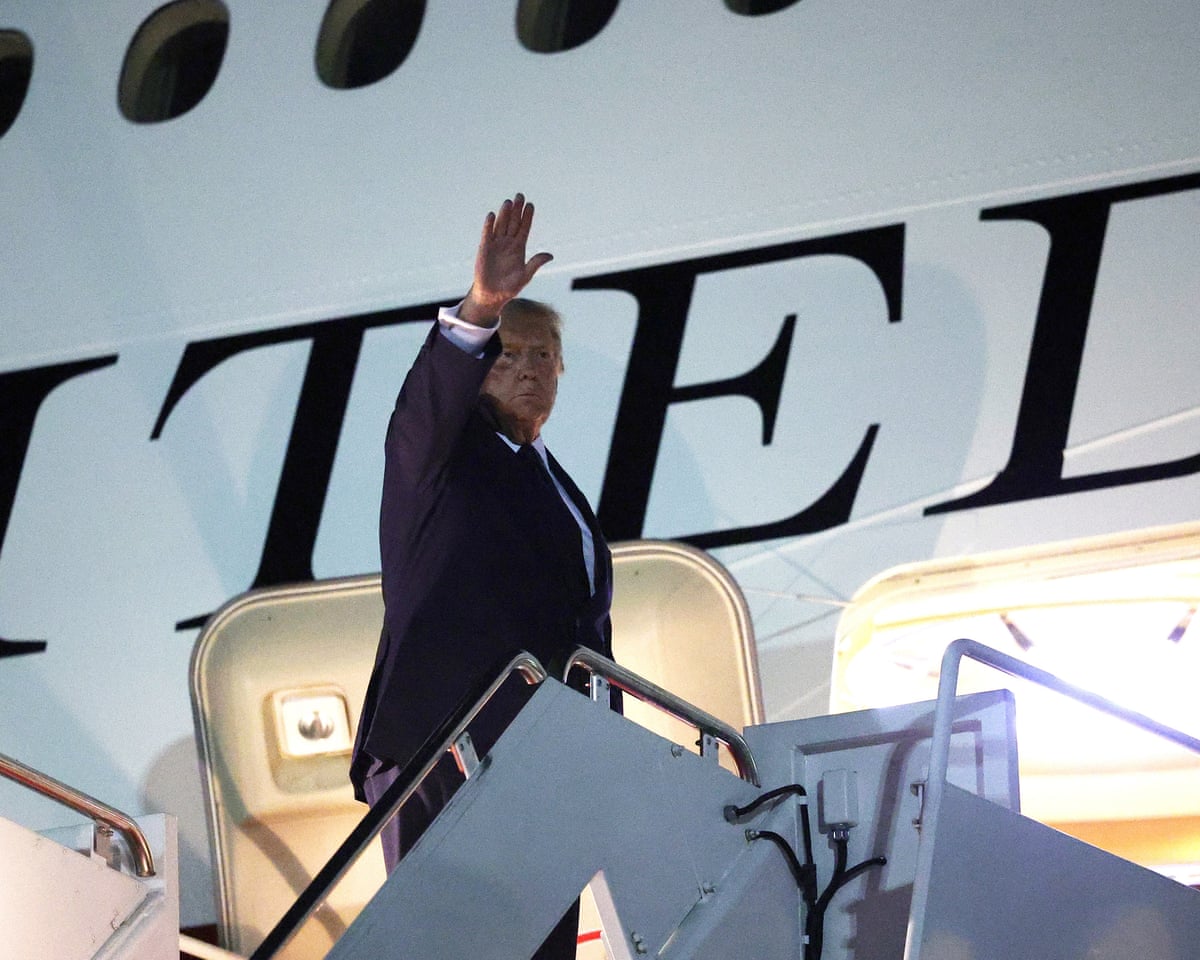
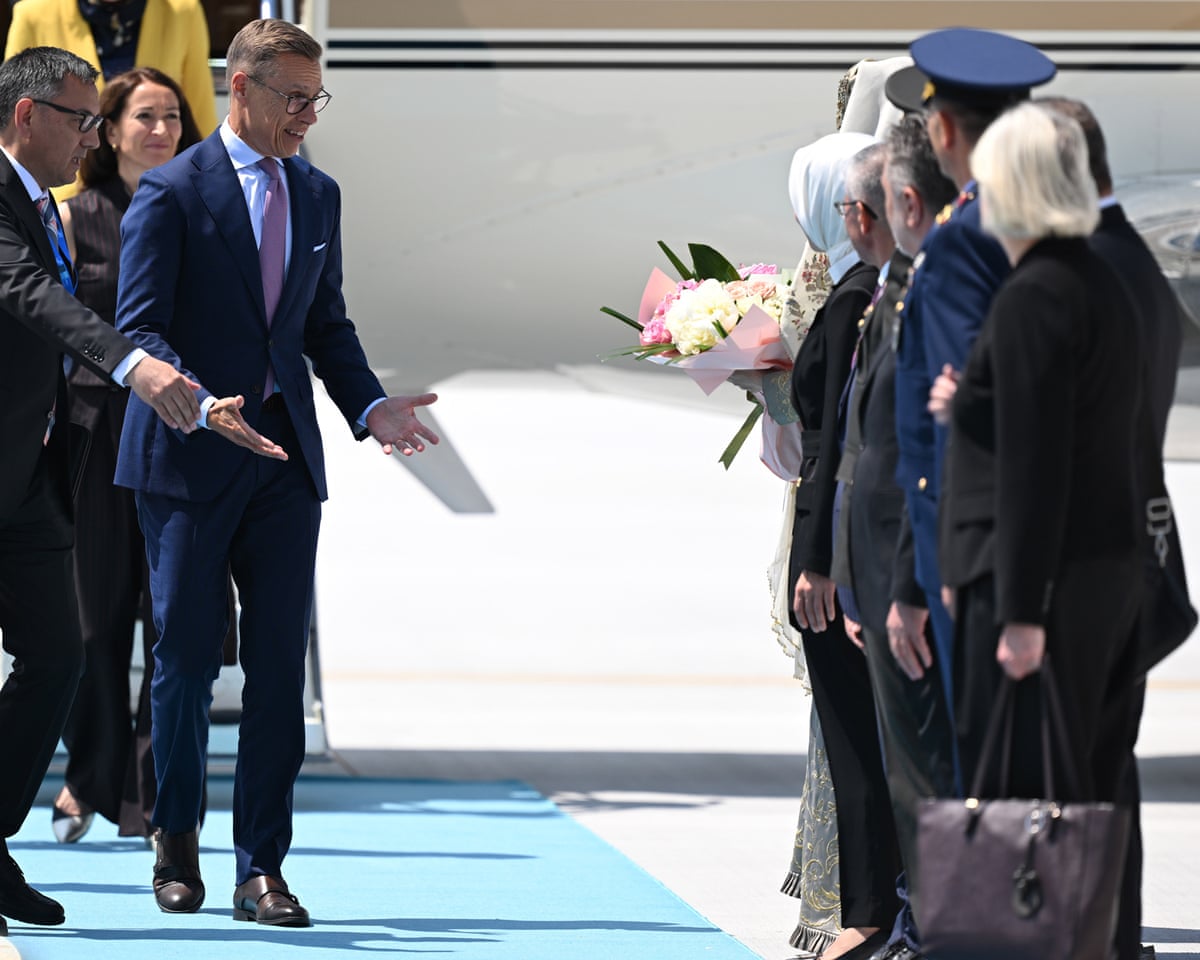
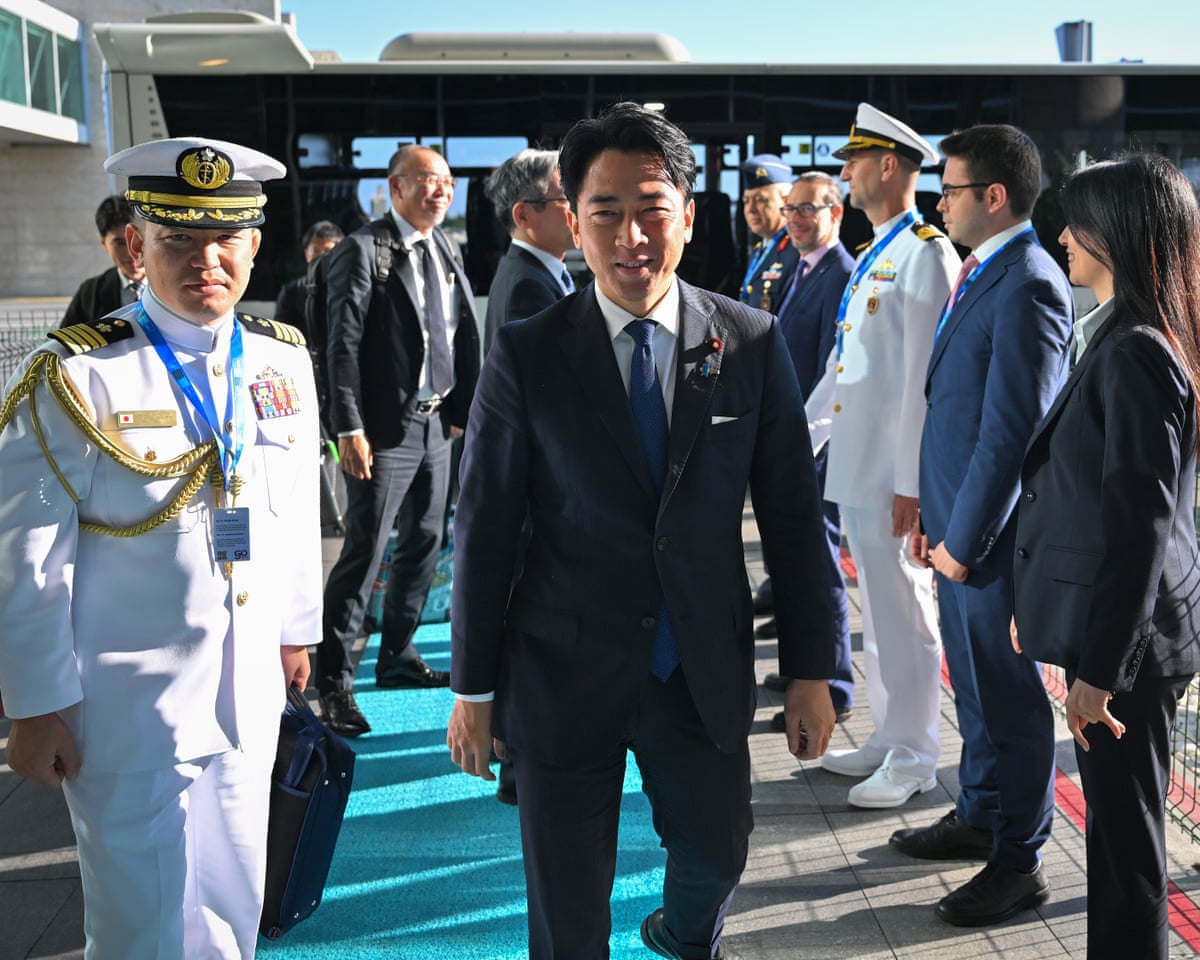
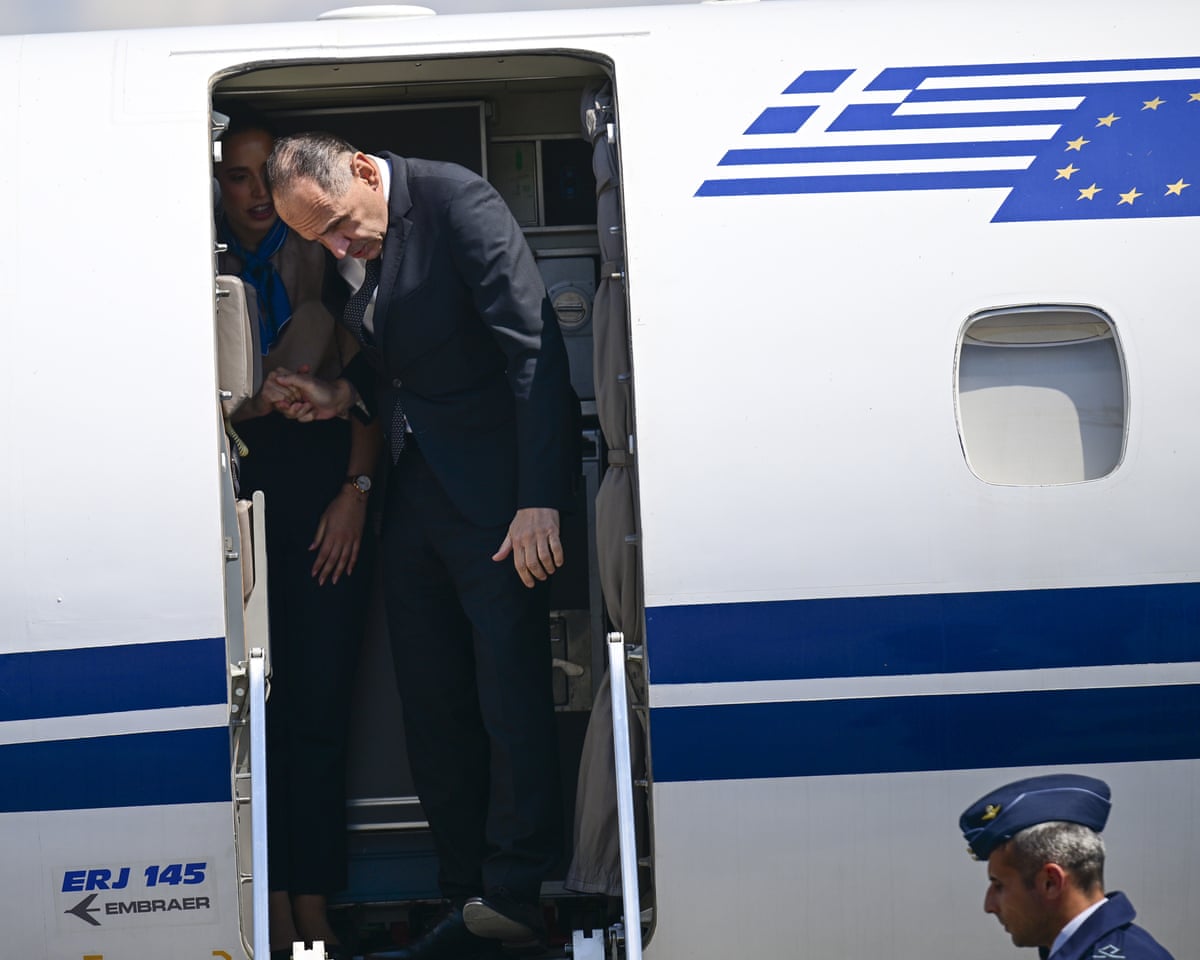
Nato leaders, including US President Donald Trump, are meeting in Ankara, Turkey, for discussions on transatlantic defence.
Defence and security editor Dan Sabbagh noted a “remarkable effort behind the scenes at Trump-proofing whatever happens in Ankara,” given Trump’s history of outbursts directed at allies.
Dan highlighted that:
“Trump is expected to bring 1,400 people with him to Turkey, including those responsible for bringing back his toilet waste – a standard protocol to prevent other countries analysing the material for intelligence about his health. That the US is coming in large numbers is seen as a relief, given that Trump has at times flirted with the idea of leaving Nato, including at a summit in 2018.”
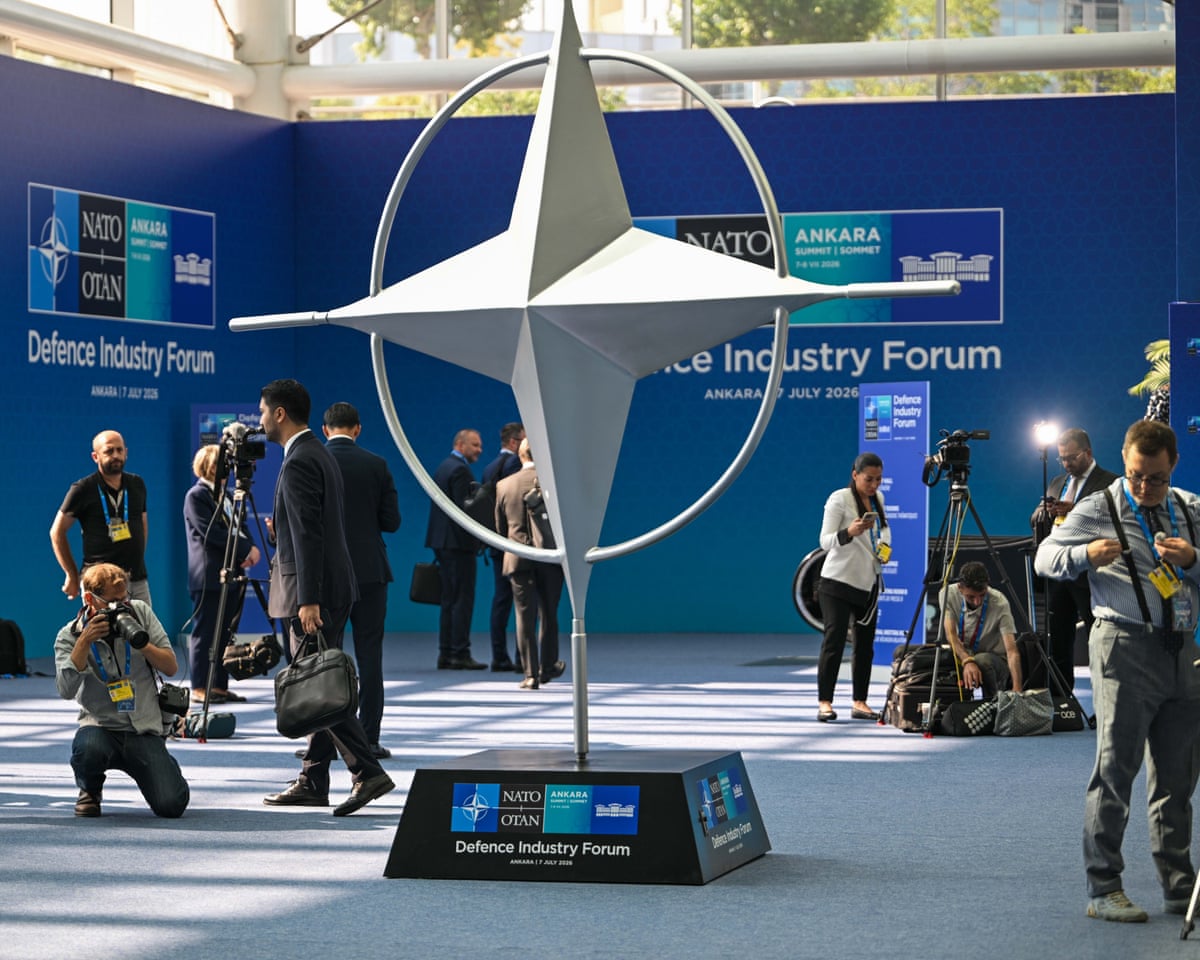
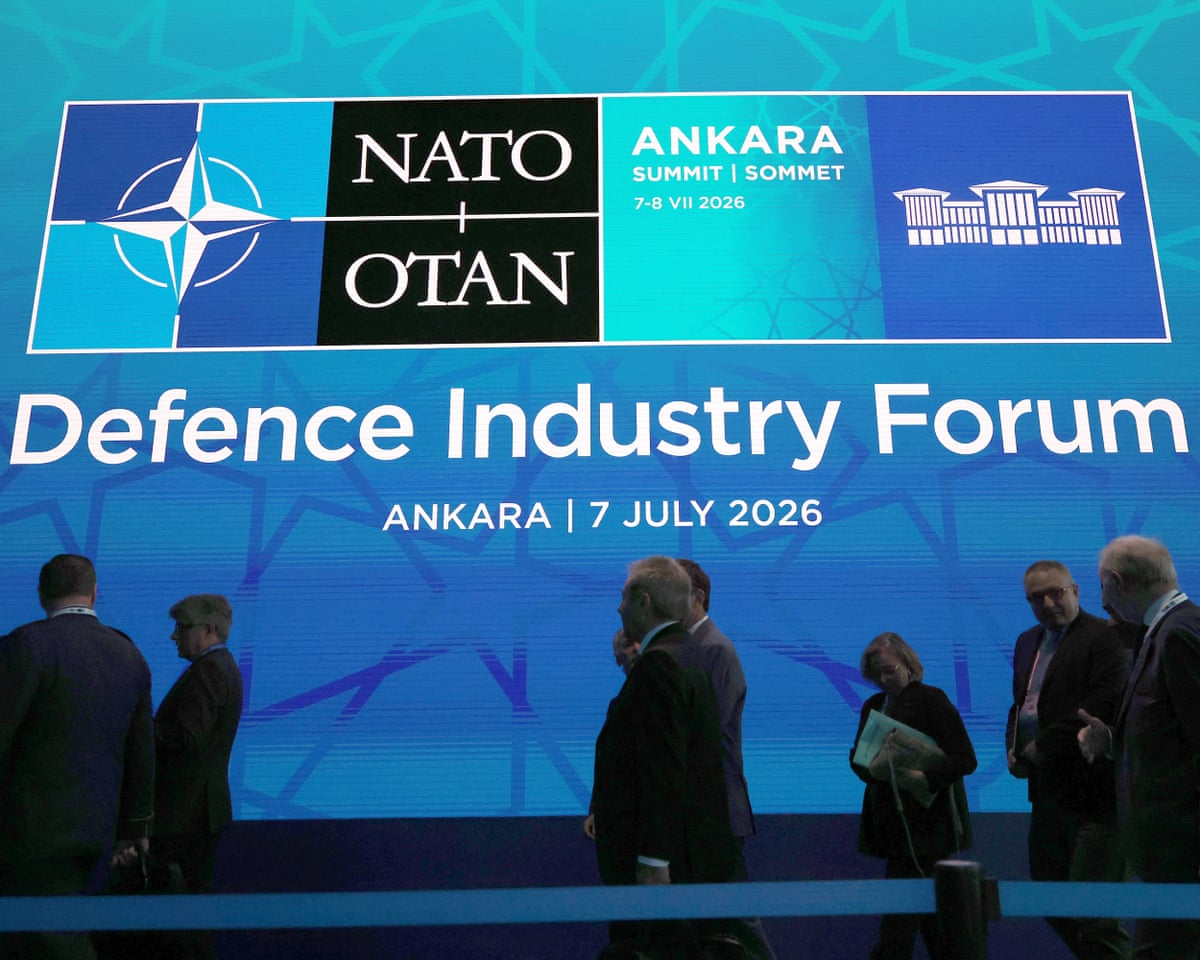
The day began with the Defence Industry Forum, a trade summit featuring announcements of new capabilities, including strategic airlift transport planes and intelligence, surveillance, and reconnaissance systems.
The main events will commence this afternoon, with anticipated meetings between US President Trump and Ukrainian President Zelenskyy ahead of the summit.
Zelenskyy is expected to speak later today, and Trump will arrive in Turkey for early talks at the Turkish presidential palace before the formal dinner this evening.
Additionally, a significant development is expected in France, where far-right figurehead Marine Le Pen will learn whether she can run in next year’s presidential election. A Paris appeals court will rule on her attempt to overturn a ban on holding elected office.
Last year, Le Pen received a five-year ban from public office and a four-year prison sentence, with two years suspended, for embezzling European Parliament funds. The appeal ruling will determine whether the National Rally candidate will be Le Pen, 57, or her younger protégé, Jordan Bardella, 30.
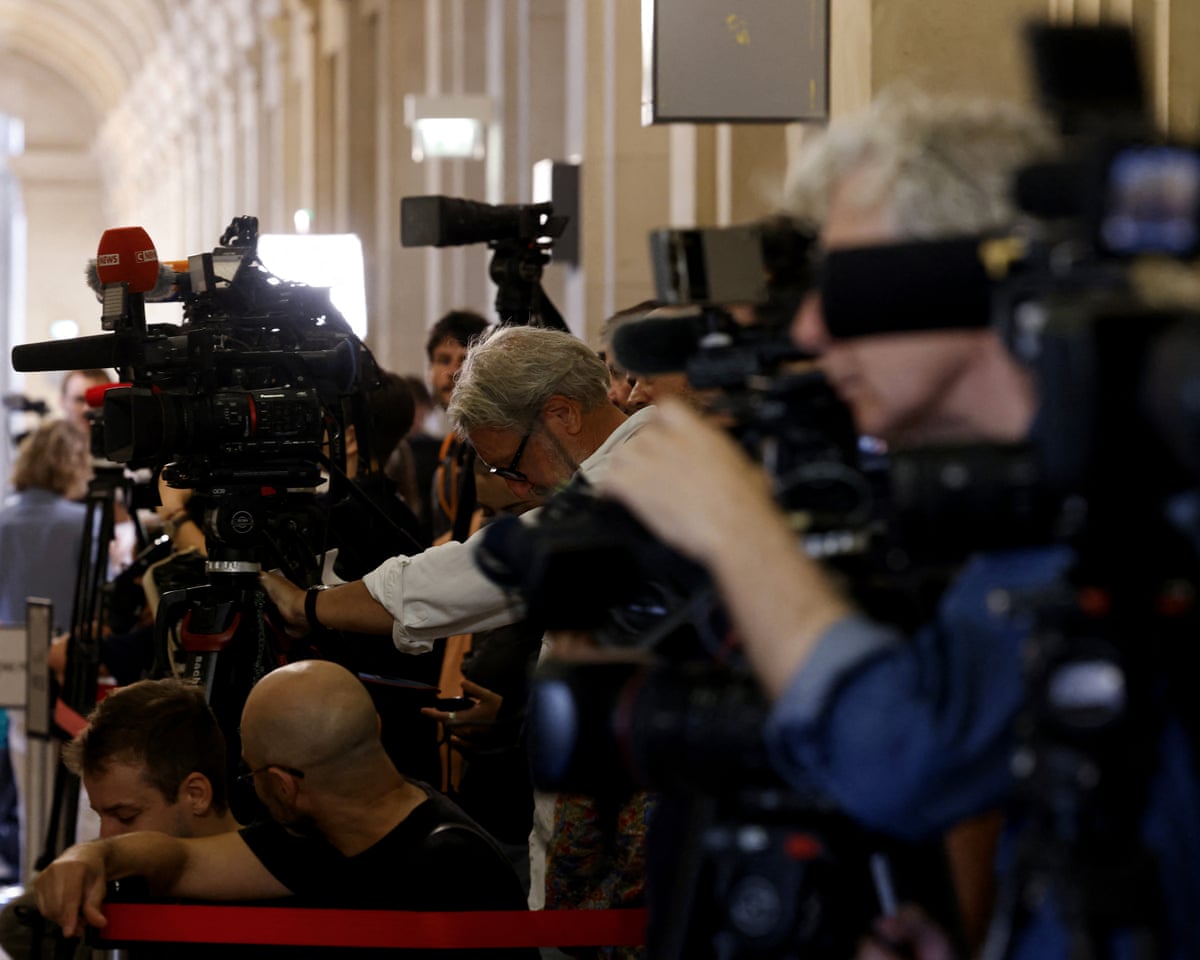
The court is expected to deliver its verdict early this afternoon, around 1:30 pm local time (12:30 pm London time), with details to follow.
There is much to cover today. Stay tuned throughout the day.
It is Tuesday, 7 July 2026. Jakub Krupa reporting for Europe Live.