

Anticipation and Shelter Amidst Threats
Ukrainians anticipated a significant strike following Russia's warning about intensifying attacks on Kyiv approximately a week ago. Many residents spent nights in underground shelters as a precaution.
We were two floors underground, yet the massive explosions above were both felt and heard. Subsequently, Russian drones appeared, possibly carrying additional explosives or assessing the damage inflicted by the missiles, followed by more missile strikes.
Over 41,000 individuals, including nearly 4,500 children, sought refuge underground in the Kyiv metro overnight, marking a record high in recent years, according to the metro company.
Impact of the Attacks
Despite Moscow's claims that attacks would escalate, this assault resembled previous ones Kyiv had endured multiple times. Russia asserted that military targets were the focus, but civilians bore the brunt of the damage.
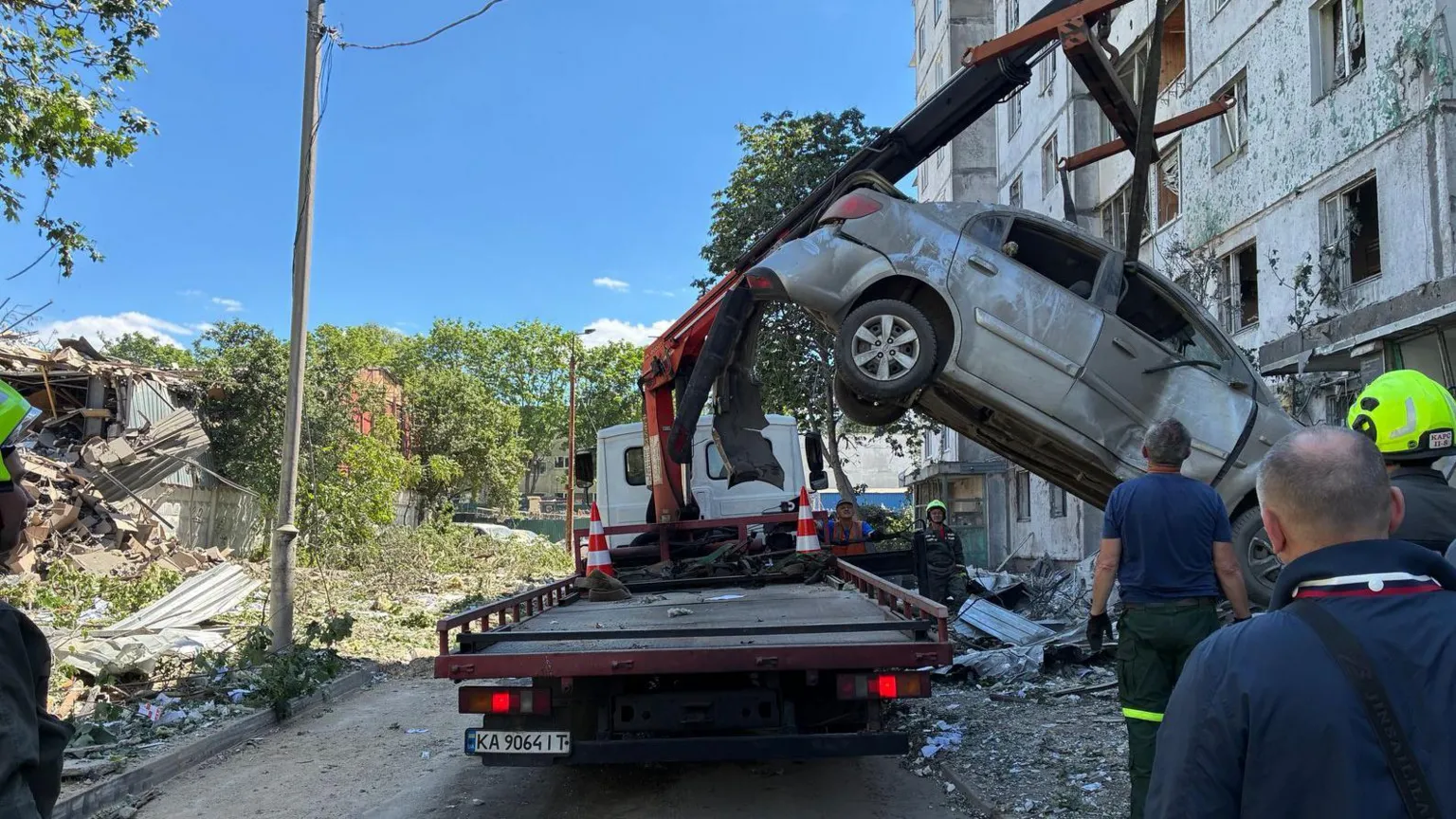
Emerging from shelters, many residents were shocked to find their neighbourhoods drastically altered. Windows were shattered, and cars were reduced to unrecognisable heaps of burnt, twisted metal.
In Kyiv alone, at least six people lost their lives that night. Elsewhere in Ukraine, destruction and fatalities were reported, including in Dnipro, where two residential buildings were struck, resulting in at least 16 deaths.
Across both cities, more than 90 people sustained injuries. Kharkiv, located in the north-east and also targeted, reported 10 injuries, including a child, with damage to energy facilities and civilian infrastructure. Other regions throughout the country experienced attacks as well.
Devastation in Vynohradar
In Vynohradar, typically a quiet suburb of Kyiv, the scene was one of complete devastation. High-rise apartment blocks had shattered windows, burnt-out cars littered pavements, and dust and smoke filled the air. Locals recounted hearing at least three massive explosions. Several neighbours were hospitalised with severe injuries.

Anna resides in a nine-storey apartment block adjacent to the epicentre of one explosion. Tearfully, she shared that one of the cars destroyed by the blast belonged to her. However, her concerns extended beyond personal loss.
"They'll fix the building, but not our souls," she said. "The whole of the building, the whole of Ukraine is in grief. What have we done to deserve this?"
Response and Recovery Efforts
Following the attack, a significant effort was undertaken to clear debris and assist survivors.
Outside Anna's residence, rescuers ensured the physical well-being of residents, government psychologists provided support to shell-shocked and tearful locals, and volunteers distributed free food and drinks.
Police directed people away from the high-rises as shards of glass continued to fall from broken windows.
Nearby, local boys joined municipal workers in removing rubble from a children's activity centre, where painted purple butterflies remained visible on the damaged windows.
Signs of Normalcy Amidst the Aftermath
Moving away from the blast's epicentre, a sense of normality began to re-emerge. Around the corner from Anna's home, children played on swings, observing the activity in their neighbourhood with disbelief.
Further afield, road workers laid new tarmac and buses operated as if no extraordinary events had occurred just a short distance away.
This resilience reflects Kyiv's approach to the ongoing war: despite severe impacts, the city strives to maintain its daily routines.


