

Ongoing Travel Disruptions Due to Fuel Protests
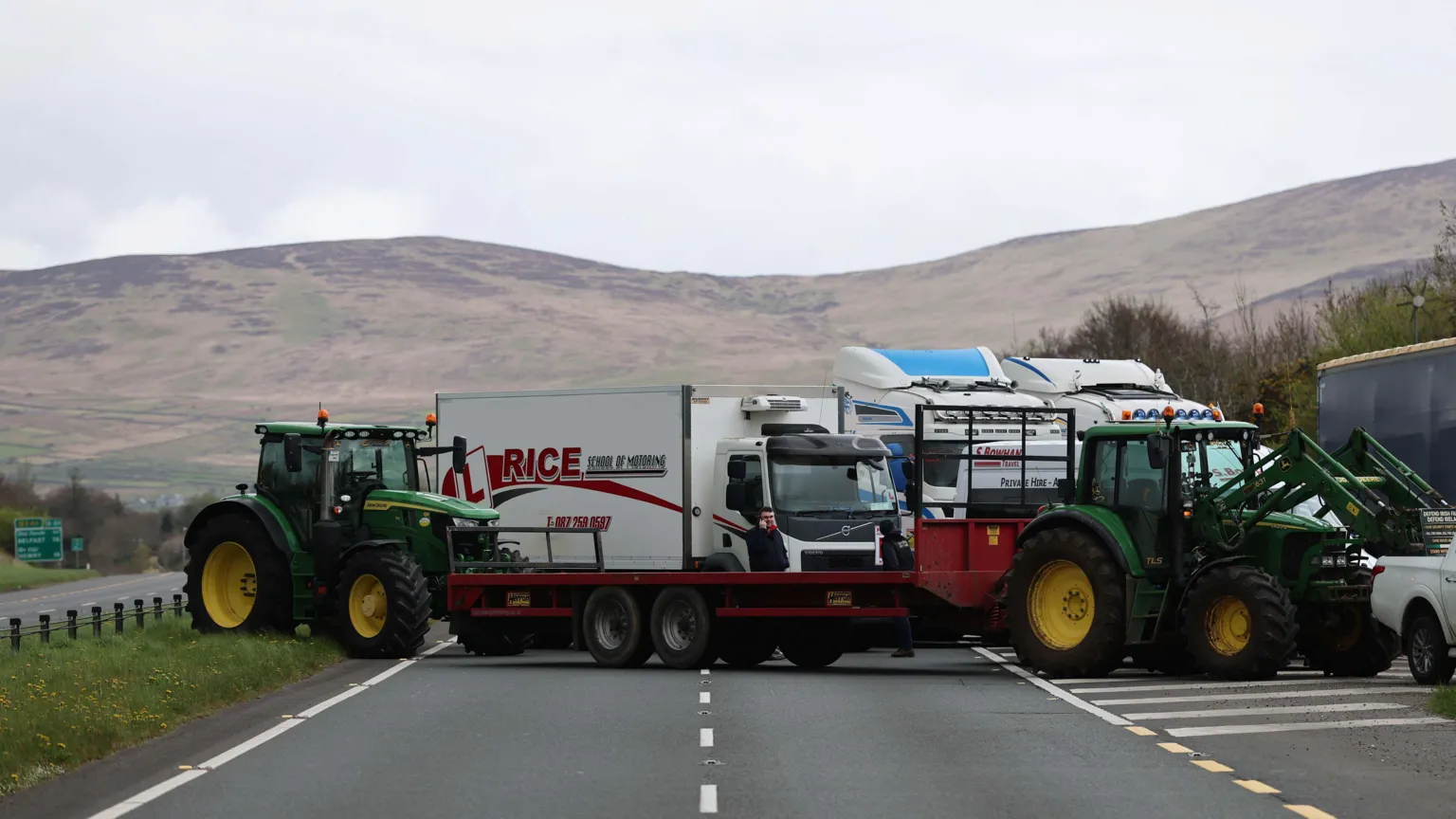
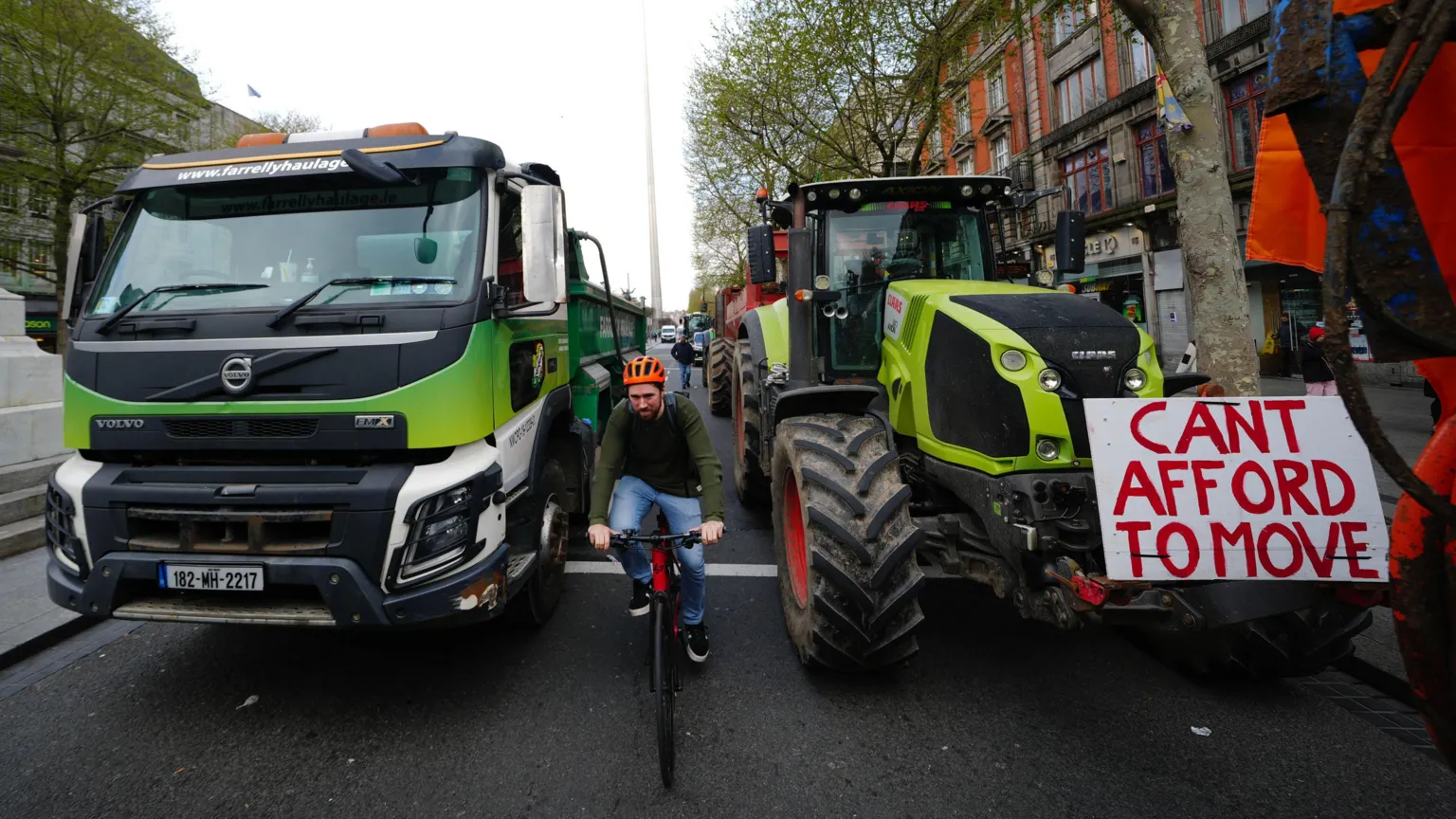
Travel in parts of the Republic of Ireland has been disrupted for the fourth consecutive day as vehicles continue to block roads amid fuel protests.
On Thursday, the Irish army was requested to assist in removing vehicles obstructing roads, with the Irish police classifying protests at fuel depots as "blockades".
Slow-moving convoys have been demonstrating against elevated fuel prices, which protesters attribute to the US and Israeli conflict with Iran.
Gardaí (Irish police) stated on Friday that they "continue to engage extensively with those taking part in fuel protests across the country".
Irish Minister for Agriculture Martin Heydon and Minister of State Timmy Dooley are scheduled to meet with representative bodies on Friday.
On Friday, Dooley told Irish broadcaster RTÉ that it was his understanding invitations had been extended to representative bodies, but that the decision on who they bring along rests with them.
The Irish Minister for Justice, Jim O'Callaghan, warned of "legal consequences" for some protests.
"It might not arise today or tomorrow but people have licences to drive vehicles, those licences will be affected."
In a statement on Thursday, a Gardaí spokesperson indicated the force was "moving to an enforcement phase" unless those blocking access to critical infrastructure "desist and disperse".
Authorities emphasized that blockades jeopardize supplies of food, fuel, clean water, and animal feed.
Fuels for Ireland reported that 100 garage forecourts have depleted fuel stocks, primarily in Munster and western Ireland.
Its chief executive, Kevin McPartlin, told RTÉ that the number could increase fivefold by Friday night, noting that 50% of the country's new fuel supply remains behind barricades.
Travel Delays and Public Impact
On Thursday, travelers were observed walking with luggage along Dublin's M50 motorway toward the airport as traffic came to a standstill.
In a social media update on Friday morning, Dublin Airport advised passengers traveling to and from the airport to "allow extra time for their journey due to protest activity."

Information regarding traffic disruptions across Ireland is available on the Transport Infrastructure Ireland (TII) website.
The Irish Health Service Executive urged that all routes to medical facilities remain clear to ensure access to treatment.
On Thursday, Taoiseach (Irish prime minister) Micheál Martin told RTÉ that the blocking of roads and infrastructure was "not a fair form of protest."
Irish Defence Minister Helen McEntee stated that the actions of some protesters were "now crossing into criminal behaviour."
Sinn Féin leader Mary Lou McDonald called on the taoiseach and tánaiste (deputy prime minister) to "pick up the phone" and engage with protesters.
Mark Maguire, a farmer from the Monaghan-Fermanagh border participating in the protests, told BBC Radio Ulster's Good Morning Ulster programme that fuel costs are unsustainable for his sector.
"There's not one farmer in Ireland or Northern Ireland that wants to be out protesting. They have enough to do."
"I want the Irish government to stop taxing fuel."
Deputy Vice President of the Irish Road Haulage Association, Eugene Drennan, criticized what he described as "green" policies introduced by the Irish government in recent years as "too big" and "too quick."
Drennan stated his association would not accompany protesters during their government meeting on Friday.
He added that while his organisation is not calling for protests to end, they would like to see an end to blockades as they are "hurting people."
Reasons Behind the Protests
The conflict in the Middle East has led to rapid increases in petrol and diesel prices.
Approximately 20% of the world's oil trade, the raw material for petrol and diesel, has been disrupted due to the closure of the Strait of Hormuz.
Diesel prices in the Republic of Ireland have risen from about €1.70 (£1.48) per litre to €2.17 (£1.89) at many forecourts in recent weeks, with petrol prices increasing by up to 25 cents per litre at many pumps, according to RTÉ.
The protests began on Tuesday morning.


