

CalMac Ferry Fleet Suffers Critical Shortage
Engine difficulties have sidelined an eighth CalMac ferry, prompting the operator to apologise for a "critical" shortage of vessels.
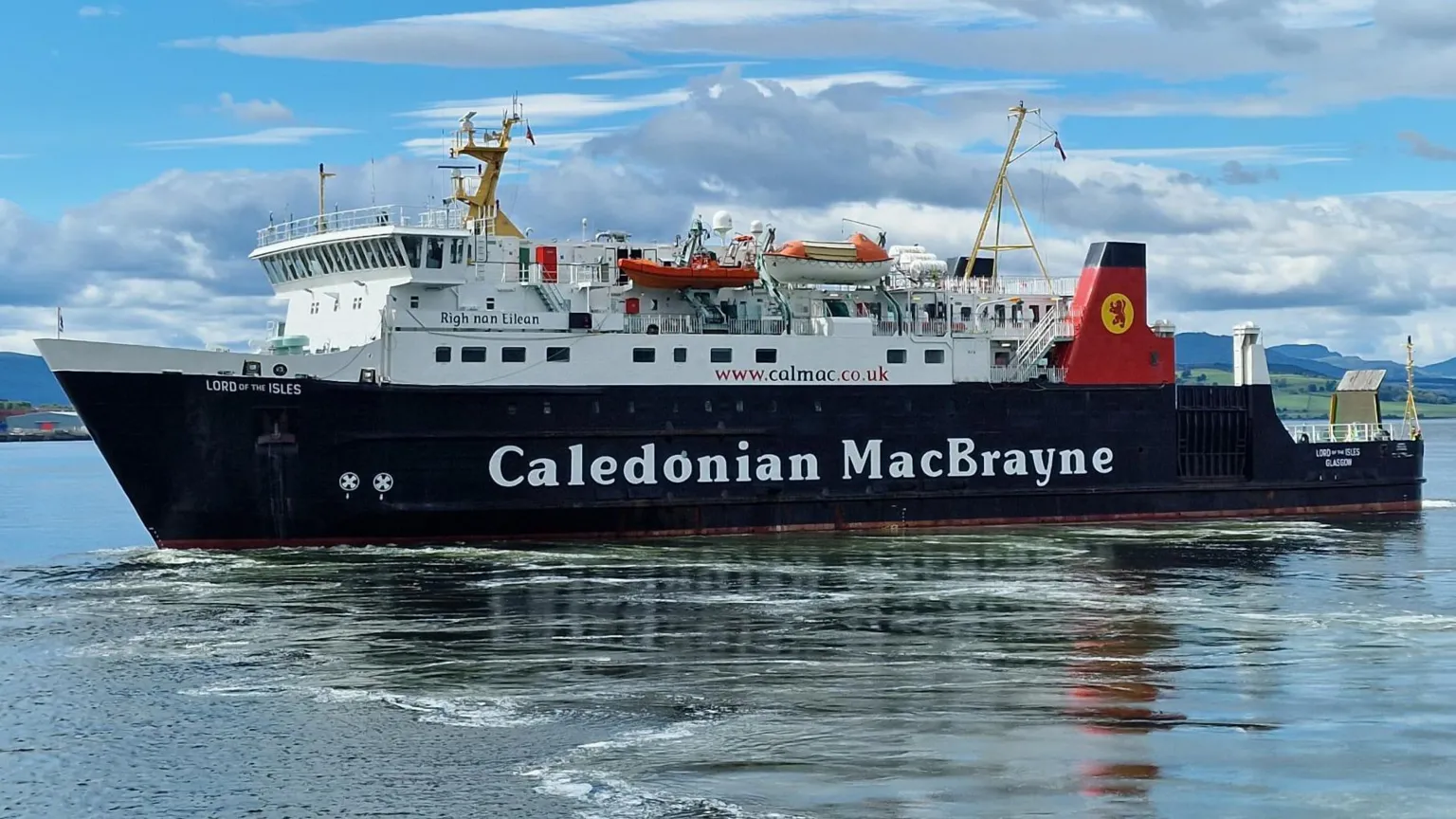
MV Lord of the Isles, which operated the Oban to Mull route, halted all sailings on Saturday following a "technical issue" with its main engine.
In addition to this, three other large ferries—including the problematic Glen Sannox—are currently unavailable, while four more vessels are undergoing their annual maintenance.
The state-owned company informed island communities that this represents the "most pressing" challenge it has encountered, with disruptions expected to continue into the following week.
CalMac stated that "virtually every island served by a major vessel" on its west of Scotland network is impacted by the shortage.
CEO Comments on Service Disruptions
"The critical situation we find ourselves in has worsened due to MV Lord of the Isles reporting an engine issue.
A combination of weather, sea swell and technical issues means services are below planned levels on Arran, Barra, Coll, Colonsay, Harris, Islay, North Uist, South Uist and Tiree.
We're urgently looking at deployment plans into next week to put services in place on islands facing disruption or cancellation due to vessel availability."
Details on Vessels Out of Service
Four ferries are out of action due to annual maintenance, while another four are sidelined with technical faults.
It is reported that on the final sailing of MV Lord of the Isles on Friday night, a problem with the bow door required vehicles to reverse off the vessel. Subsequently, CalMac suspended sailings on Saturday citing an engine problem.
The timeframe for repairs remains uncertain, with the ferry expected to move to a repair berth on Monday.

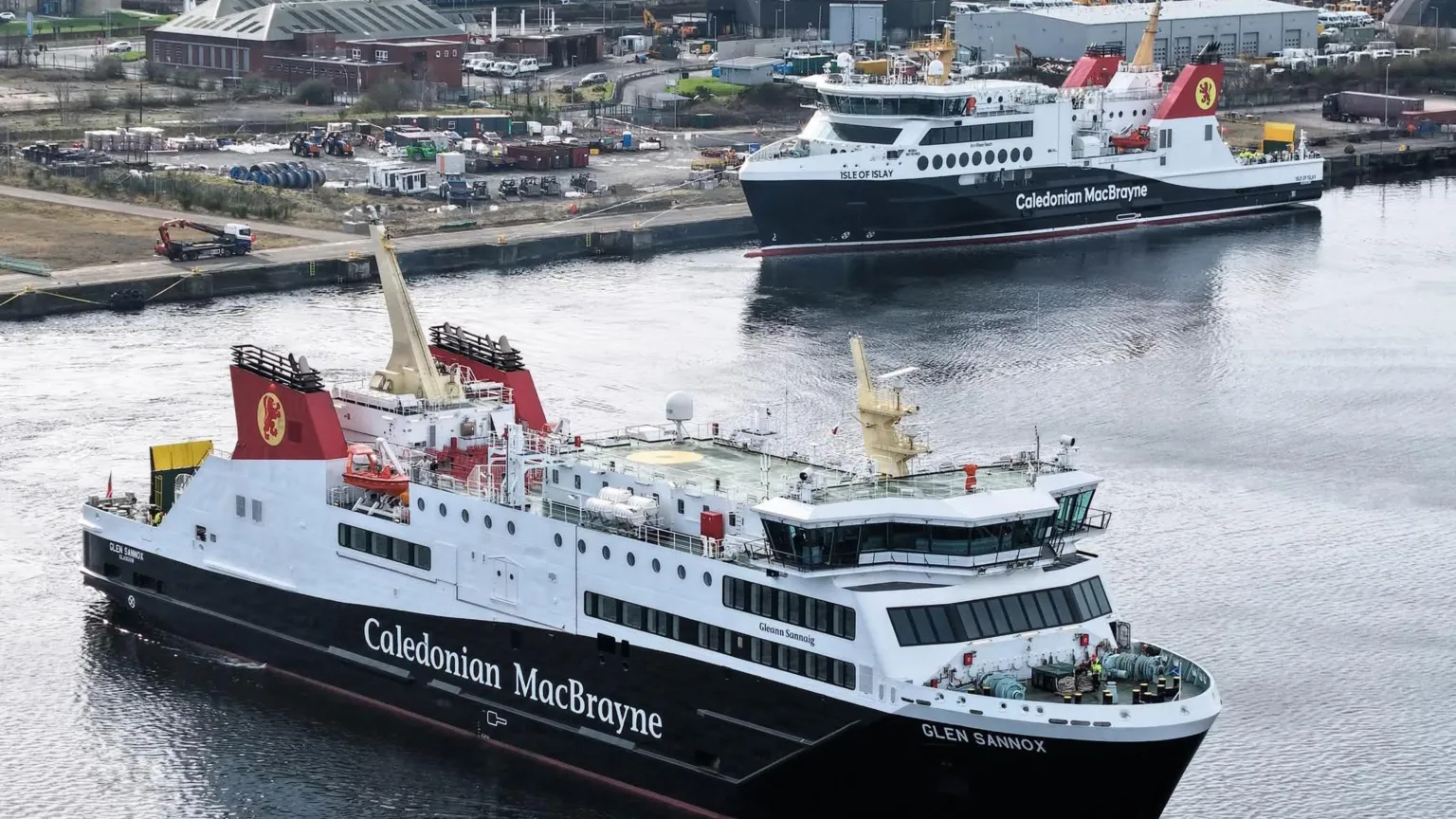
MV Glen Sannox, which operates the Troon to Arran route, experienced a failure in a flexible coupling within its exhaust system early on Thursday. A temporary repair allowed one sailing before the issue recurred, leading to its withdrawal from service until Tuesday.
MV Isle of Islay, the first of four new ferries constructed in Turkey, was scheduled to begin service on the Islay to Kennacraig route on Friday but this has been delayed until at least Monday.
MV Isle of Arran is currently out of service due to a malfunction in its fire suppression system. Additional faults have been identified with a coupling and the bow thruster, likely extending its downtime until early next week.
Four other vessels—MV Hebrides, MV Loch Frisa, MV Isle of Lewis, and the chartered catamaran MV Alfred—are all currently away for scheduled maintenance or repairs.
Background on Glen Sannox and Fleet Challenges
Earlier this month, the main ferry route to Arran was disrupted following a technical fault with Glen Sannox, occurring just one week after the vessel returned from its annual overhaul.
The Glen Sannox, which entered service years behind schedule and over budget, requires newly designed propellers to resolve a persistent vibration issue during manoeuvring.
Managers from Ferguson shipyard informed a committee of MSPs that addressing this problem could add an additional £3.2 million in costs for Glen Sannox and its sister ship Glen Rosa.
It was also revealed this week that these two vessels will be unable to dock at Ardrossan Harbour until at least 2029, as they are too large for the existing facilities.
The ships were ordered by the ferries agency CMAL in 2015.


