Social Media Algorithms Fuel Racist Content, Australian Human Rights Commission Warns
The Australian Human Rights Commission has urged the introduction of a digital duty of care to prevent social media algorithms from promoting racist content.
For over a week, many Aboriginal and Torres Strait Islander individuals have seen their social media feeds inundated with clips from a video posted by a self-identified Australian comedian.
The video features a white woman wearing a fur coat and white dot face paint, who calls herself “Aunty Lisa” and claims Aboriginal identity after ticking yes on an Aboriginal identity form. The clip ends with her stating,
“I am Aboriginal, end of story”before sniffing a red jerry can, referencing petrol sniffing, a serious issue in some Indigenous communities.
For First Nations people, such experiences are unfortunately common, exacerbated by social media algorithms that reward divisive content. The Australian Human Rights Commission’s recent inquiry received over 420 submissions, many highlighting a toxic online environment.
In its submission, the Commission recommended the government implement a digital duty of care requiring social media companies to
“identify, assess and mitigate foreseeable risks arising from recommender systems and monetisation practices that incentivise the amplification and normalisation of racist narratives”.
Australia reviewed hundreds of these submissions.
Community Support Groups Report Rising Online Racism
Carl Lymburner and Irene Leard, founders of Townsville-based support group Helping Our Mob Everywhere (Home), described an increase in offensive content targeting First Nations organisations, groups, elders, and individuals.
Leard told Australia,
“It doesn’t matter where they go, they’re judged, they’re labelled, they’re automatically alleged that they’re doing something wrong.”
She added,
“These narratives create real-world harm, intimidation, threats and community division.”
Lymburner expressed frustration with social media platforms, stating,
“I thought anything racist [said on social media], anything tech related is to be banned and put down, but and all the other platforms just seem to let them go.”
Social Media Creator Faces Racist Backlash
Sam Bennell, a 27-year-old who runs a social media account celebrating Noongar culture and language, gained nearly 10,000 followers across , Facebook and TikTok. However, when he began sharing more traditional culture and language from south-west Western Australia, he noticed an increase in racist comments.
Bennell told Australia,
“All the racists started commenting.”
He observed that his videos appeared to be pushed to a wider audience, attracting negativity.
“Facebook seems to be pushing my content to racist for some reason, which I don’t get,”he said.
“I haven’t been posting lately because it has been taking a toll on my mental health … all that online stuff is just crazy.”
‘This Isn’t Edgy Comedy’
The video circulating this month was posted by Victorian woman Lisa Jane Spencer and has been widely criticised for mocking First Nations culture and identity, perpetuating harmful stereotypes. Spencer defended it as a
“satirical skit”and stated to Australia,
“there should be no limits with comedy in terms of who and what someone can make fun of”.
She compared her video to the character Aunty Tiffany on ABC’s Black Comedy, a program created by and for Aboriginal people, and to characters played by comedian Chris Lilley. When asked if she intentionally tailored her content to social media algorithms, Spencer said,
“no. I make comedy that I love and find funny”.

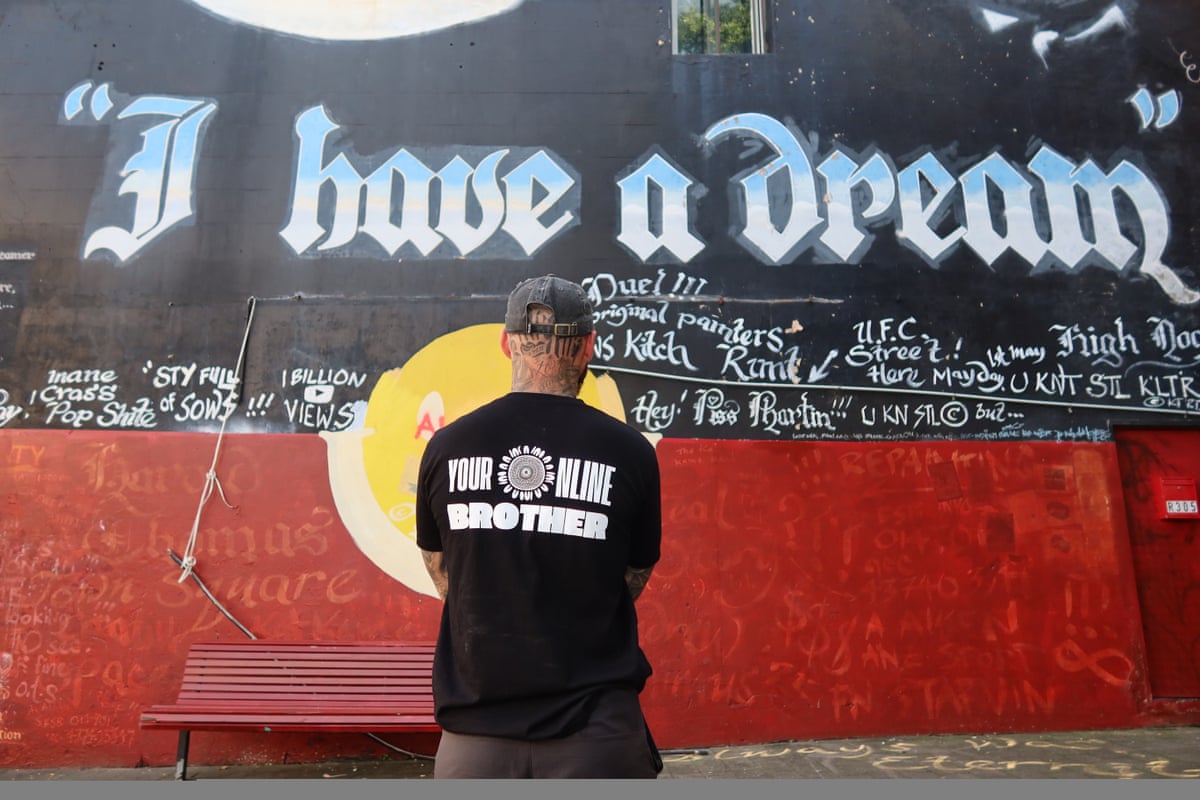
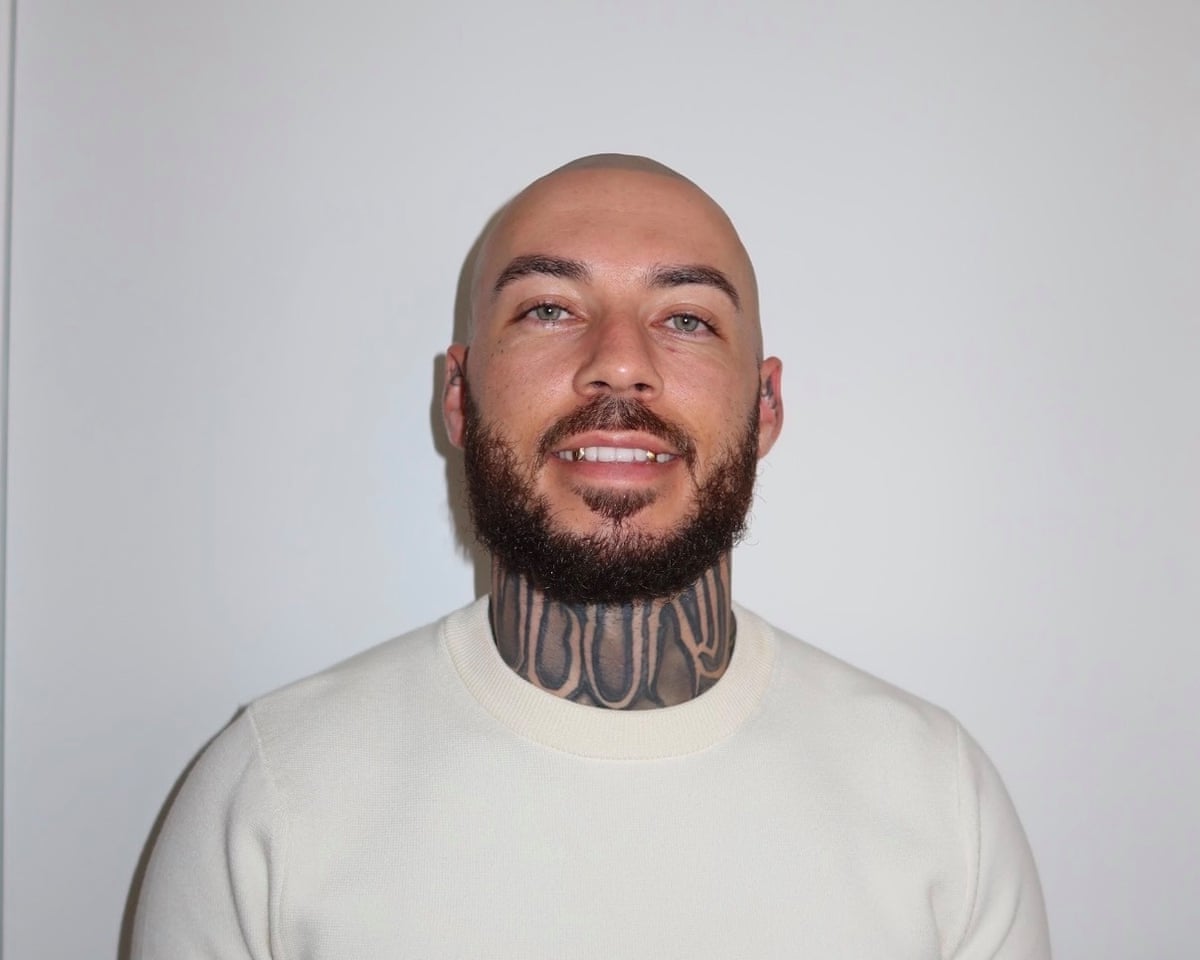
Kamilaroi man and content creator Jordan Hindmarsh-Keevil, known as Your Online Brother to his more than 80,000 Instagram followers, said the timing of Spencer’s video, coinciding with the end of Reconciliation Week, was
“deliberate and harmful”.
“This isn’t edgy comedy, it’s racism hidden as ‘comedy’ as a cover to dehumanise and make our people reactive whilst being able to say, ‘it’s just a joke,’”he said.
“She has since doubled down, making another video mocking a welcome to country, including more jerry cans hidden throughout the video.”
Spencer’s video was live for nine days before removed it from Facebook and Instagram for violating community standards on hateful conduct.
In a statement, Meta acknowledged that First Nations communities
“can be disproportionately targeted by online hate, and we take this issue seriously”.
They added,
“Our Hateful Conduct policy prohibits attacks against people based on protected characteristics, including race, ethnicity and national origin. This includes dehumanising speech, harmful stereotypes, and calls for violence or exclusion.”
Meta also noted ongoing engagement with First Nations communities to better understand manifestations of racism online and to improve their systems, encouraging users to report racist content.
Following the viral spread of Spencer’s video, she announced on Instagram that she was
“fired on the spot”from her workplace, which did not support content inconsistent with its values.
Since then, over $49,000 has been raised for Spencer via GiveSendGo, a Christian-focused crowdfunding platform. The platform’s terms prohibit fundraisers that are racist, hateful, libellous, promote violence, or financially benefit individuals for violent crimes. Spencer stated she did not believe her fundraiser violated these terms. GiveSendGo did not respond to inquiries.
Spencer has since posted two additional similar videos.
Community Response and Mental Health Impact
Hindmarsh-Keevil used the backlash to Spencer’s video to promote his own fundraising, encouraging followers to support his online mental health course for Aboriginal people, which operates on a pay-it-forward basis. He reported that more than 500 places have been funded this month, partly in response to Spencer’s video.
He told Australia that videos like Spencer’s
“directly affects the mental health and wellbeing of First Nations people – individually and collectively”.
“It’s death by a thousand cuts, when every day online means absorbing another racist comment, another unfair or untrue narrative, another round of bullying – it accumulates,”he said.
“It’s like carrying a bully in your pocket. One you nearly have to access to exist within the modern world.”