

Minns says bull sharks may be culled but great whites sharks are protected
NSW Premier Chris Minns has indicated that the government is considering a cull of bull sharks in Sydney Harbour following a shark attack on a woman swimming at Coogee Beach on Monday morning.
He emphasized that white sharks are a protected species and stated there is no evidence to support culling them as a means to improve swimmer safety.
"As it relates to bull sharks in the harbour, that’s a different story.
They’re not a protected species and we’re currently undertaking a head count … of whether there’s been an increase in the harbour as a result of a healthier harbour and more fish stocks within that tributary [and] what it means for swimming and recreating in the harbour. But a cull of great whites is not going to be the answer to this and we’re not contemplating that as a change.
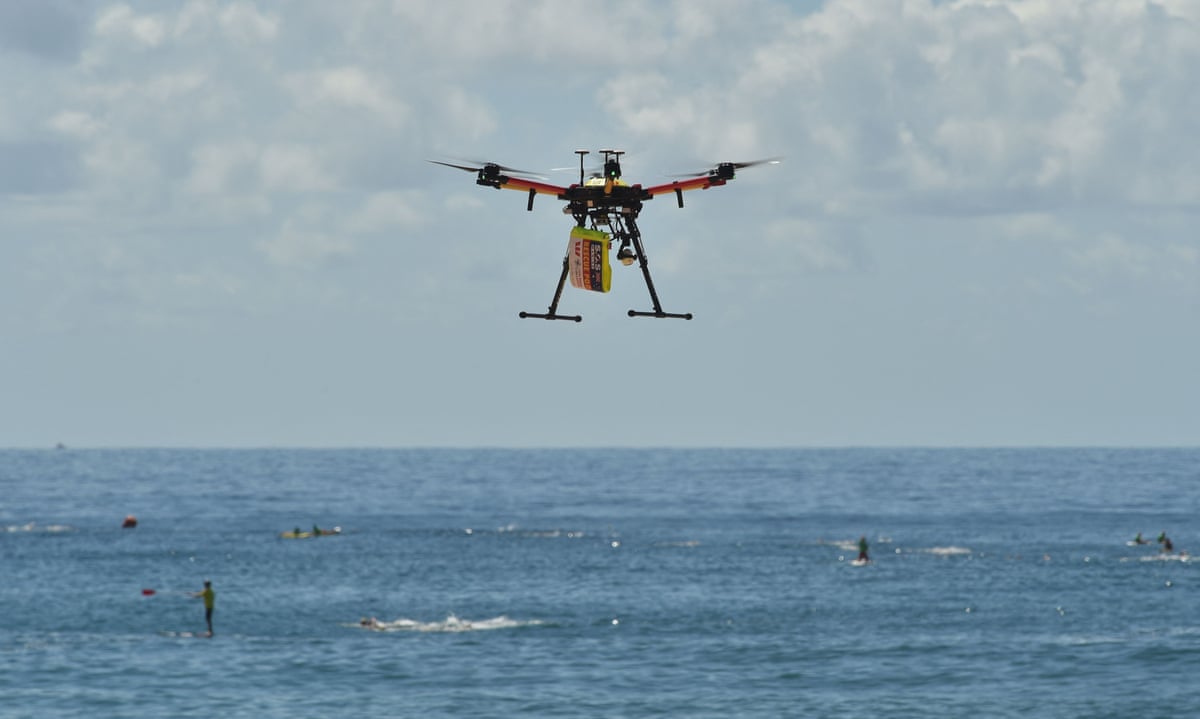
The state government is also exploring the use of AI-powered drones and year-round shark nets as safety measures.
"Our beaches on the Pacific Ocean are open to all sea life from anywhere in the Pacific Ocean at any time and we can’t promise 100% safety in all circumstances.
But if we can put in mitigation devices, drone technology and nets, a little bit from the old and some from the new, then I think we can significantly increase our safety protocols on those beaches and make it safer, not completely safe, but safer to swim in Sydney’s beaches.
Victorian high-school students will be able to use devices for only two hours a day
Ben Carroll, Victoria’s Deputy Premier and Education Minister, provided further details on device-free time for secondary schools during a press conference.
He stated that guidelines will be introduced in the coming months after consultations with schools, expecting that devices will be permitted for only two hours per day in secondary schools.
"There shouldn’t be any more than two hours. We want eyes up, screens down. A full reset in the classroom is so important – for behaviour, for calmness, for the students’ own mental health – the focus needs to be on the most important adult in the classroom, and that’s the teacher, and that’s why we are moving down this with a relentless focus on excellence inside every classroom.
Carroll noted the device limit would be "strict" but exceptions would apply for neurodiverse students who rely on technology and for those studying science and technology.
He emphasized that the limit is designed in the best interest of students, following "world best practice" from international experts.
"The big tech giants, their algorithms, they do not have these young people’s best interests at heart. They’re focused on eyeballs, and we’re focused on their minds and their hearts for the future.
Jacinta Allan announces device-free time for secondary schools
Victorian Premier Jacinta Allan and Deputy Premier and Education Minister Ben Carroll held a press conference to announce that all state secondary schools will be required to implement planned device-free time starting in term 1, 2027.
This complements digital device limits for primary schools, which will allow a maximum of 90 minutes per day for students in years 3-6 and minimal device time for those in prep to year 2.
The government stated that device-free time in high schools could include activities such as using whiteboards or paper, group debates, practical experiments, or performances.
Speaking from Ngayuk College in Kalkallo, Melbourne’s outer north, Allan said:
"Victoria was the first state in the nation to ban mobile phones in schools, and that has now been modeled in every other jurisdiction … Today we’re making a further announcement about how we are going to be supporting teachers in how they manage the time in the classroom with devices, limiting the time that devices are in used in classrooms.
"We were the first jurisdiction in Australia to limit screen times. And now we’re also going further at our secondary colleges. We want to make sure that students know their focus is on the teacher, the most important adult in the classroom, and their focus is on their learning.
Budget’s tax reform measures will deliver small boost to productivity
Experts have commented that proposed changes to the capital gains tax discount and negative gearing will encourage productivity but are unlikely to produce significant shifts.
At a Senate committee hearing on the budget’s tax reforms, ANU tax economist Peter Varela noted benefits from taxing different assets, such as shares and property, uniformly.
"Tax neutrality will always get you more productivity," Varela said, explaining that this approach allows investors to make decisions based on the fundamental value of investments.
Michael Brennan, head of the e61 Institute and former Productivity Commission chief, agreed in principle but described the reforms as "not economy changing." He noted that higher overall capital gains tax could offset productivity benefits.
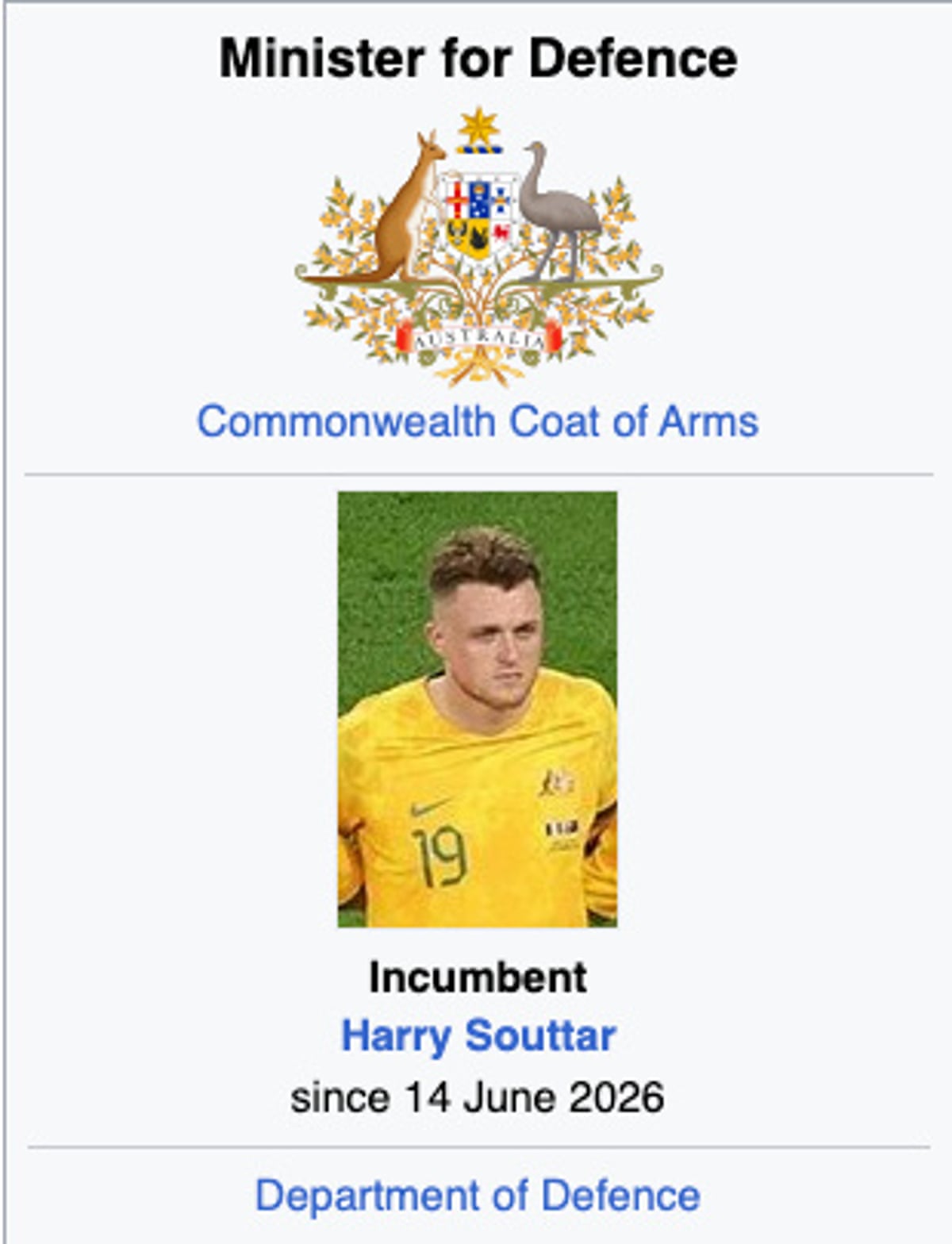
In a lighter moment, the Australian Defence Minister’s Wikipedia page was briefly altered to show Socceroos star Harry Souttar as the minister.
The page was quickly corrected, but the incident sparked amusement.

Drones given short-term approval to fly at Coogee beach after shark attack
Drones have been temporarily approved to operate above Coogee Beach for aerial surveillance following a shark attack on a woman in her 30s on Saturday.
The Civil Aviation Safety Authority (CASA) granted a temporary exemption despite the beach’s proximity to an airport.
Brent Manieri, Surf Lifesaving NSW’s public safety manager, confirmed that the CASA ban was lifted to allow drone flights across several beaches for the remainder of the week.

"We will be operating … to ensure there’s a level of aerial surveillance that the community can feel safe and assured in when they want to come back down and have a swim," he told ABC on Monday.
BHP hits record high $332bn as Australian share market bounces
The Australian share market gained $40 billion in value after Iran announced an "immediate and permanent" peace with the US and Israel.
The benchmark S&P/ASX200 index, valued at $2.7 trillion, rose 1.45% to 8,931 points this morning.
BHP, the Anglo-Australian mining company, briefly reached a record share price of $65.44, pushing its market value over $332 billion for the first time. It currently stands at $65.13.
The four major banks each added at least $1 billion in market value during early trading.
However, today’s ASX increase is smaller than the previous trading day’s rise, which followed former President Trump’s cancellation of planned strikes on Iran. By comparison, Japan’s Nikkei index is up 4.3%.
Market analysts suggest Australian traders are more cautious about bad news and less reactive to good news, indicating greater trust in Trump’s threats than his promises.

Big capital gains will be taxed more under budget reforms
Experts say the proposed capital gains tax changes will not significantly alter average tax rates in Australia compared to other countries, except for investors expecting very high returns.
A Senate committee is examining whether Labor’s reforms might deter foreign investment.
Matt Nolan, senior research manager at the e61 Institute, stated that Australia will remain in the "middle to lower-middle of the pack" regarding average tax rates.
The shift from a flat 50% CGT discount to an inflation-adjusted system will affect investors differently based on their returns.
"Once real rates of return go over about 15% we start looking similar to [high taxing] Denmark," Nolan said.
"This [inflation-adjusted] system will tax low returns less heavily, so if things go wrong, you don’t get as punished. But when things go really right, society shares in that a bit more.
While overall tax effects might be minimal, individuals anticipating substantial gains may view Australia as relatively higher tax.
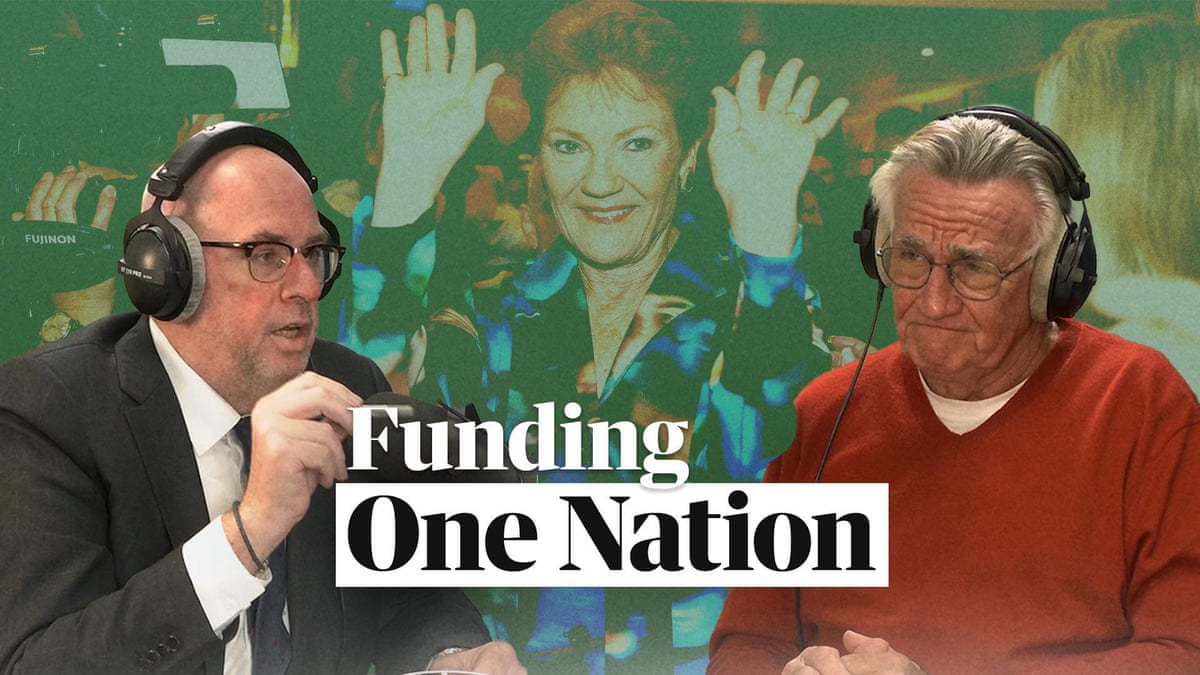
Who is donating to One Nation? – Back to Back Barries podcast
In the latest Back to Back Barries podcast, Tony Barry and Barrie Cassidy discuss One Nation’s successful fundraising efforts.
They analyze how major parties are responding to the rise of the right-wing party and critique the prime minister’s recent missteps.
Tax experts back budget tax reforms, but bill not ‘perfect’
The two-day Senate committee hearing on the budget tax reform began this morning, with tax experts supporting the general direction of changes to the capital gains tax discount.
Michael Brennan, head of the e61 Institute, described the inflation-adjusted capital gains tax treatment proposed in the budget as an improvement, citing a "fundamental weakness in any fixed discount relative to an inflation discount." He explained that the 50% discount "taxes high returns pretty lightly, and taxes low returns very heavily."
Brennan disagreed with suggestions to limit changes to housing, arguing for consistent treatment of all assets based on tax design principles.
He also advocated for inflation adjustment of losses and recommended replacing the proposed minimum 30% tax rate on capital gains with averaging gains over five years.
Peter Varela, tax economist at ANU’s Tax and Transfer Policy Institute, concurred that the reforms are a "step in the right direction," though he noted the bill is not perfect.
Both experts emphasized the importance of tax neutrality across different types of savings and investments.
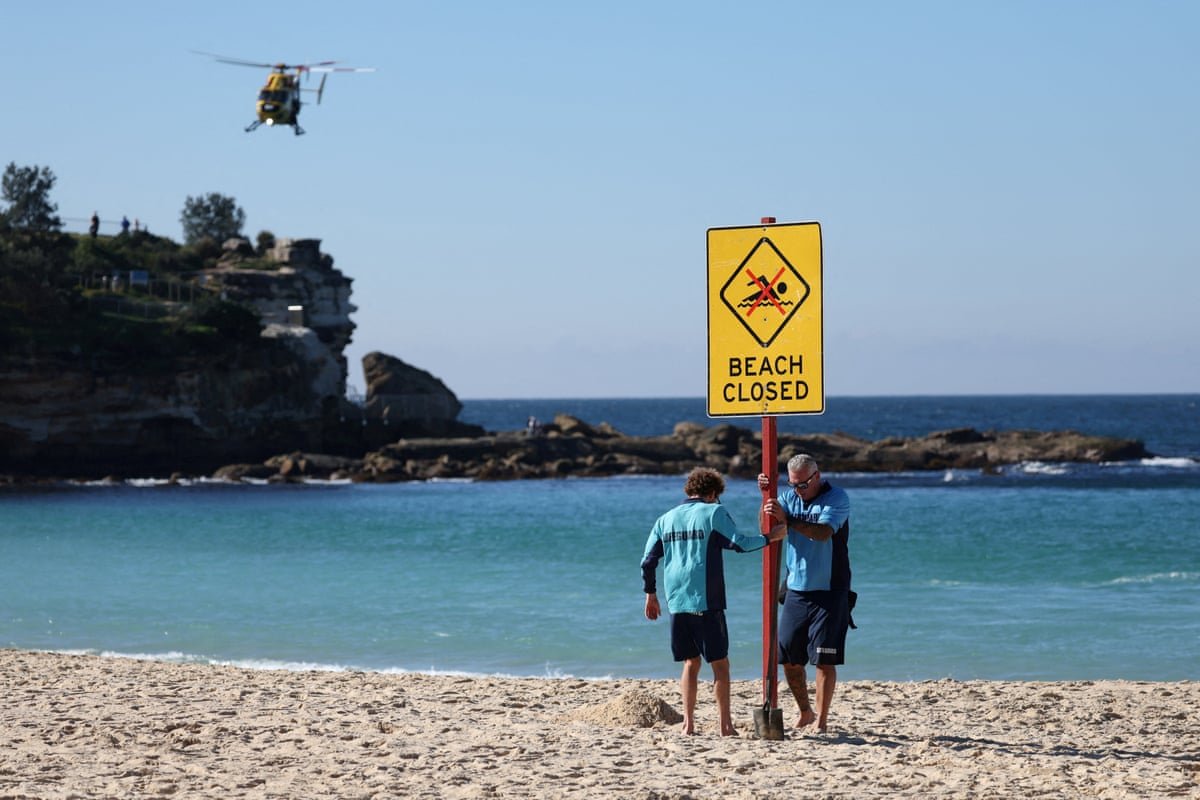
Woman injured in shark attack remains in critical but stable condition
The 35-year-old woman attacked by a shark at Sydney’s Coogee Beach remains hospitalized in critical but stable condition, according to a spokesperson for St Vincent’s Hospital.


