

Votes Counted After Early Thai Election Amid Political Turmoil
Votes are being tallied following an early election in Thailand, called after multiple coalition governments collapsed, resulting in the country having three prime ministers within three years.
Thais were voting throughout Sunday.
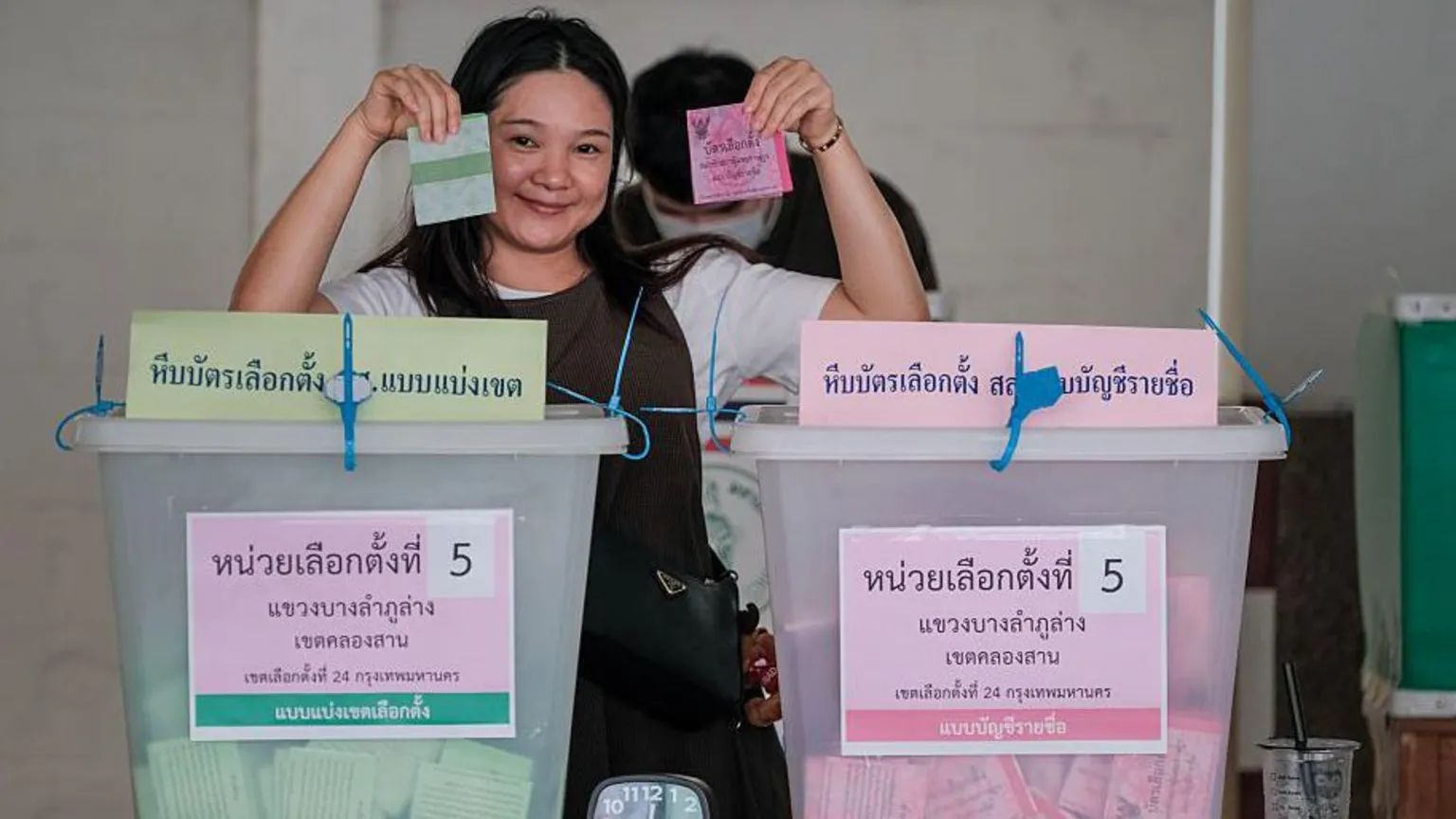
The election featured a contest between the People's Party, advocating extensive reforms, and the conservative faction led by incumbent Prime Minister Anutin Charnavirakul. Most polls forecast a tight race between these two groups.
Background of Political Contestants
In the previous election, the young reformers of the People's Party won, but the military-appointed senate prevented them from forming a government, and the constitutional court dissolved the party. Powerful unelected entities have repeatedly intervened to block parties challenging Thailand's established order.
Election results are expected to become clear around 22:00 local time (15:00 GMT).
The People's Party faces a strong challenge from Anutin, who has transformed his formerly small, provincial Bhumjaithai – meaning "Thai Pride" – party into the leading conservative force in Thailand.
Recent opinion polls and early vote counts indicate no party will secure a parliamentary majority, with Anutin anticipated to remain prime minister.
Anutin has appealed to patriotic sentiment following two brief border conflicts with Cambodia last year, and has pledged to uphold the status of traditional Thai institutions such as the monarchy and military.
Other Political Players and Campaign Promises
The third major contender is the Shinawatra family and its Pheu Thai – meaning "For Thais" – party. Historically dominant in elections with well-promoted populist policies, Pheu Thai has promised to create nine new millionaires daily through a national prize draw. Both Bhumjaithai and Pheu Thai have offered subsidies and cash handouts to voters.

However, Pheu Thai is expected to lose significant support in this election after its previous coalition government was criticized for mishandling the conflict with Cambodia, and its patriarch, former Prime Minister Thaksin Shinawatra, was imprisoned.
Economic Concerns and Voter Sentiment
Thailand's once dynamic economy has stalled due to political instability and a lack of structural reforms, causing concern among foreign investors. Voters are also worried about rising living costs.
"I want the economy to improve and I don't want big factories to relocate to our neighbouring countries,"
civil servant Phananya Bunthong told the BBC, referring to Thailand falling behind Vietnam.
Reformist Agenda and Challenges
The People's Party, led by Nattaphong Ruengpanyawut, promises significant changes, including reducing the power of major businesses and the military, streamlining the extensive bureaucracy, and modernizing the education system.
However, in Thailand, even winning an election outright may not guarantee governance.
Two previous versions of the People's Party were dissolved by the constitutional court, and their leaders banned from politics.
They are not alone in facing such interventions; five Pheu Thai prime ministers have been removed by the court since 2008, and two earlier versions of that party have also been dissolved.
If the People's Party surpasses the 151 seats it won in 2023, it may be difficult to prevent it from forming a government, despite strong opposition from conservative and royalist groups concerned about its radical platform.
At that point, further interventions by courts or other bodies are expected to weaken or disable the party politically. Conversely, if Anutin and Bhumjaithai match or exceed the reformists' seat count, backed by the conservative establishment, Anutin is very likely to remain prime minister.
Constitutional Referendum and Voter Choice
Alongside the election, Thai voters are also participating in a referendum on whether to reform the 2017 constitution, which was drafted under military rule. Many Thais and critics believe the charter grants excessive power to unelected entities like the senate, effectively "handcuffing" the country's democracy.
"I want change. I don't want things to be the same,"
28-year-old Kittitat Daengkongkho told the BBC.
Effectively, Thai voters faced a choice in this election between sweeping change or maintaining the status quo.


