

Governments Respond to Rising Energy Costs
Governments in Southeast Asian countries heavily dependent on Middle Eastern oil have introduced various measures to protect the public from escalating energy costs.
In Thailand, news anchors have stopped wearing jackets on air following government appeals for the public to reduce air conditioning usage to conserve energy. Many government employees in the region have shifted to a four-day workweek, while in Vietnam, officials have encouraged employers to permit remote work.
Across Southeast Asia, authorities are urgently seeking ways to conserve energy and mitigate the impact of soaring prices caused by the Middle East conflict, which the International Energy Agency has identified as the largest supply disruption in the history of the global oil market.
Regional Impact and Government Measures
Asia, which relies extensively on imported energy—much of which transits through the Strait of Hormuz—is particularly vulnerable to the crisis. The Philippines, dependent on the Gulf for 90% of its oil needs, is implementing cash handouts for public transport drivers and has instructed government agencies to reduce electricity and fuel consumption by 10 to 20%.
The rising prices have severely affected many individuals. Elmer Carrascal, 58, a jeepney driver in Mandaluyong City, part of the capital region, reported that his income has dropped by more than half since the conflict began.
“Before, I spent 700 pesos [£8.80] on diesel and took home around 1,000 pesos per day. Now I only earn 400 pesos. It’s not even enough for food,”
said Carrascal, who has driven jeepneys—the backbone of the Philippines’ transport system—for 35 years.
“How far can your 400 go? Rice alone is 65 per kg.”
On Tuesday, the Philippine Senate granted President Ferdinand Marcos Jr emergency powers to temporarily suspend or reduce excise taxes on oil, though the duration of the crisis remains uncertain.
“We are victims of a war that is not of our choosing,”> Marcos said earlier this month.
“But we control how we will protect the Filipino,”> he added while announcing a series of energy-saving initiatives.
Energy Conservation and Alternative Supply Efforts
Governments throughout the region are accelerating efforts to conserve energy, secure alternative supplies, and shield citizens from steep price hikes. The Thai and Vietnamese governments have promoted energy-saving measures, including work-from-home policies for many public sector employees.
The Thai government has halted most overseas travel for bureaucrats and instructed officials to wear short-sleeved shirts without neckties except during formal ceremonies to reduce air conditioning needs. Government offices have been urged to maintain air-conditioning temperatures between 26-27°C, reduce elevator use, and encourage carpooling. Should the energy crisis worsen, additional measures such as dimming billboards after 10 p.m. and closing petrol stations may be implemented.

Thailand is also increasing the biofuel blend ratio from 5% to 7% and suspending most oil exports. Indonesia is expediting a biodiesel program blending 50% palm-oil-based biodiesel with 50% conventional diesel. Vietnam has requested assistance from Japan and South Korea to enhance its crude oil access.
Thailand, the Philippines, and Vietnam—major net importers of oil and gas reliant on Middle Eastern supplies—are particularly susceptible to price increases, according to recent Eurasia Group analysis.
Subsidies, Price Caps, and Market Reactions
Many countries in the region have introduced temporary subsidies and price caps. However, Eurasia Group cautioned that budget constraints make sustaining subsidies challenging beyond one to two months. Diesel subsidies are currently costing the Thai government over 1 billion baht (£22 million) daily.
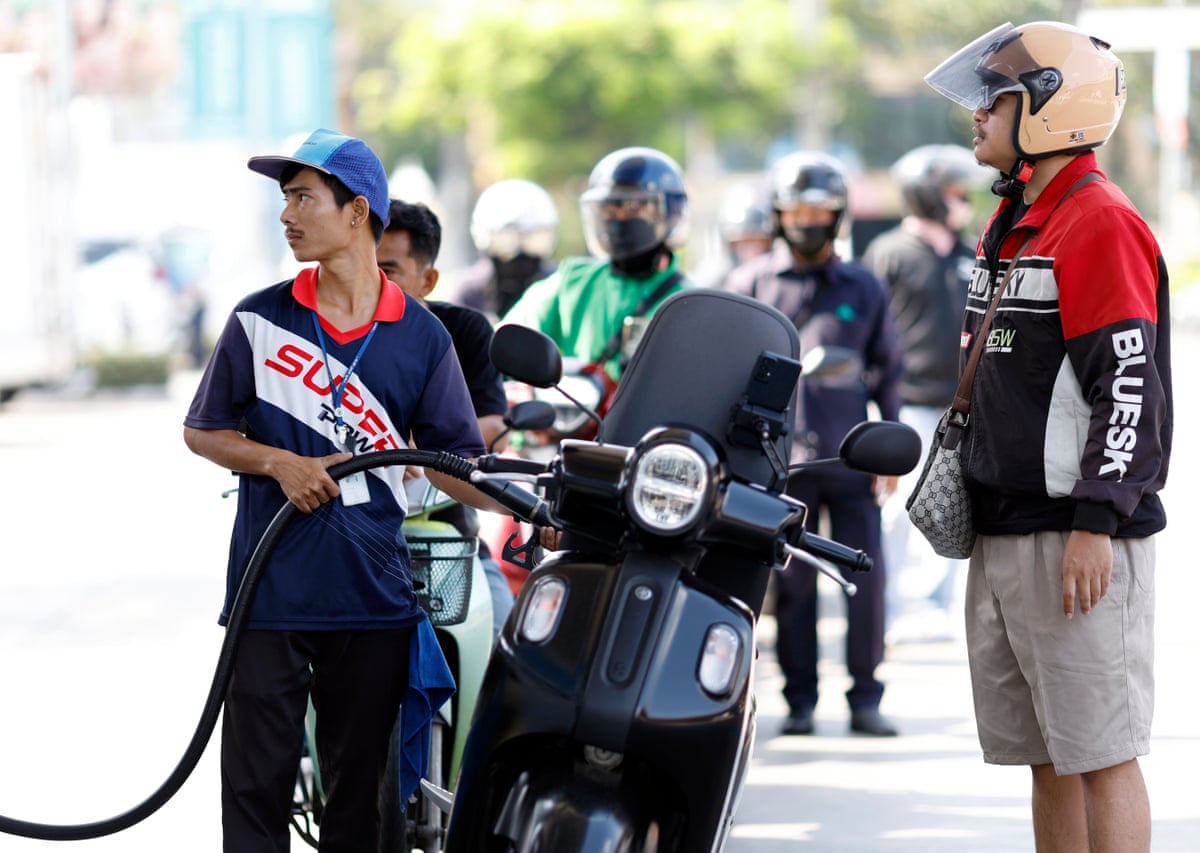
Petrol stations across Thailand have experienced panic buying amid fears of further price hikes. Some retailers have posted “out of stock” notices, implemented rationing, or prohibited customers from filling containers to conserve supplies.
This week, a prominent temple in northeastern Thailand announced it had suspended cremation services after local gas stations refused to allow fuel filling of jerry cans, according to ThaiPBS. In Ayutthaya, the ancient Thai capital, an elephant camp reported that elephants now walk 5 km to work because fuel rationing at nearby stations prevents transport by trailer truck.
Support for Transport Workers
On Tuesday, tricycle drivers in the Philippines queued to receive cash assistance aimed at alleviating the impact of rising fuel prices.
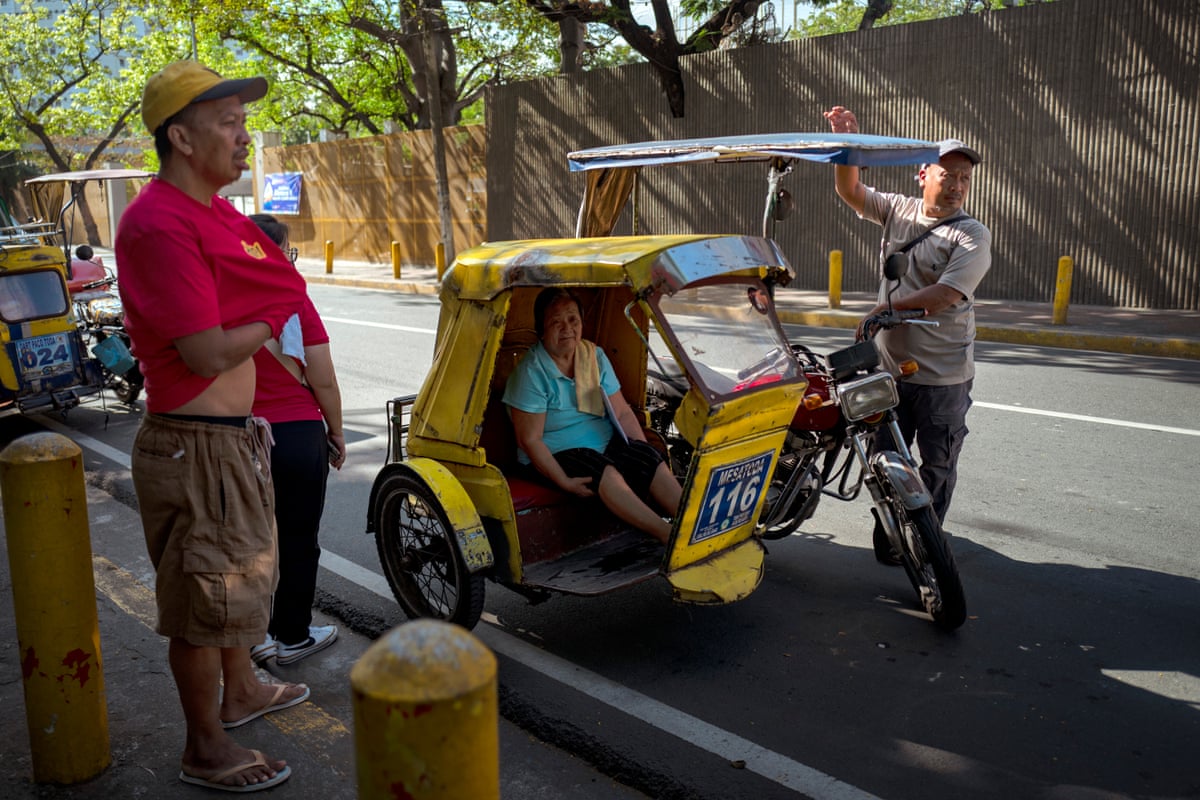
Financial aid will also be provided to jeepney drivers like Carrascal, though he expressed skepticism about the long-term effectiveness of the 5,000-peso handout.
“It will only last for days and it’s gone,”> he said, emphasizing the need for more sustained support.
Jeepney fares are increasing, but Carrascal fears higher prices will discourage passengers.
“There are fewer passengers now because a lot of companies implemented work from home. It’s a double blow, the fuel prices increased and we’ve lost passengers,”> he explained.
Before the conflict in Iran, diesel cost 52-53 pesos per litre, Carrascal noted.
Prices continue to rise daily.
“Last week, it was 79.40 pesos at the gas station where I usually get diesel,”> he said.
“In many gas stations the cost for diesel has already surpassed 100 pesos. Tomorrow there’s another increase.”


