Dhaka University: A Hub of Political Expression
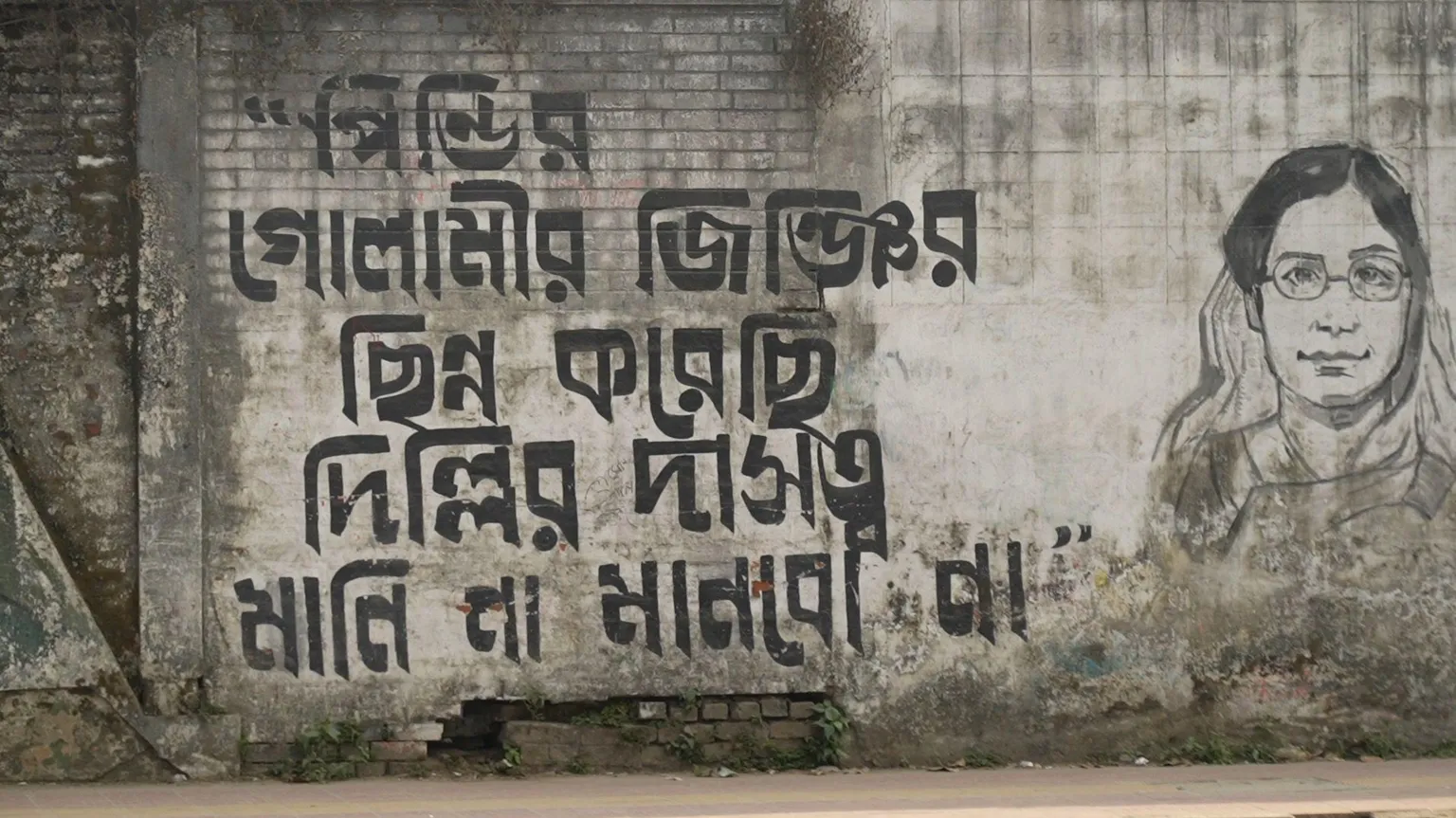
The walls of Dhaka University are once again a canvas for vocal expression.
Graffiti—ranging from angry to witty and sometimes poetic—covers walls and corridors, reflecting the Gen Z-led uprising of July 2024 that ended Sheikh Hasina’s 15-year rule. Once regarded as a pro-democracy figure, critics accused her of becoming increasingly autocratic. Following her resignation, Hasina fled to India.
Students gather in groups, engaging in political debates. On an untended lawn, red lanterns hang above a modest Chinese New Year celebration—a subtle yet significant detail in a country where China and India compete intensely for influence. For many young Bangladeshis, the upcoming election on 12 February will be their first meaningful experience with voting.
Nobel Peace Prize laureate Muhammad Yunus assumed leadership shortly after Sheikh Hasina’s departure. Hasina now resides in exile in Delhi, which has refused to extradite her to face a death sentence imposed in absentia for the harsh security crackdown in 2024—a violent episode in which the United Nations reports approximately 1,400 deaths, predominantly caused by security forces.
Her Awami League party, the oldest in Bangladesh and previously securing around 30% of the popular vote, has been barred from contesting the election. Analysts note that the main opposition, the Bangladesh Nationalist Party (BNP), is positioning itself to fill the liberal-centrist space vacated by the Awami League. Meanwhile, the Islamist party Jamaat-e-Islami has allied with a party emerging from the student uprising.
However, the slogans on campus and beyond extend beyond domestic democracy concerns, increasingly focusing attention across the border.
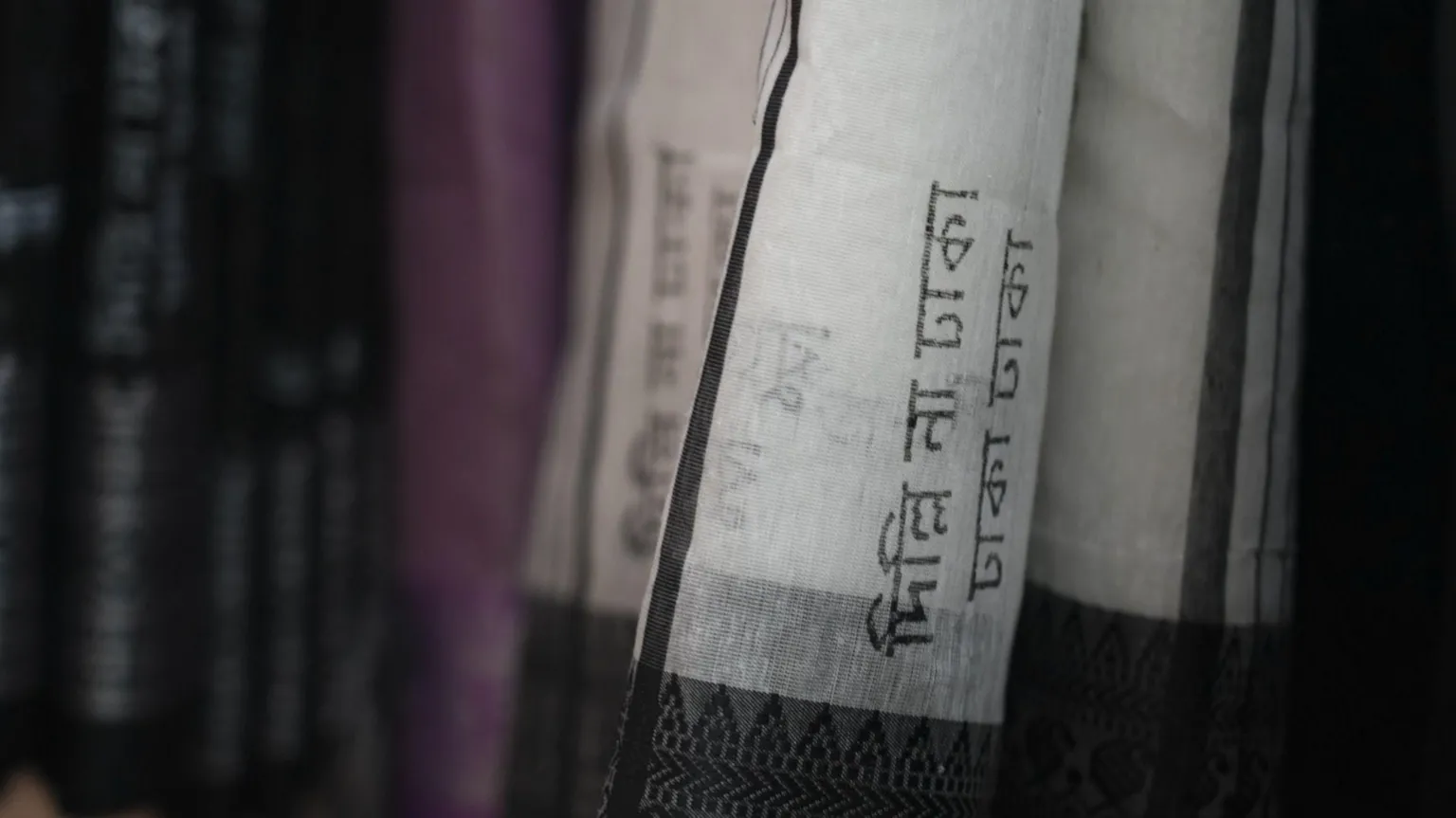
"Dhaka, not Delhi"is prominently displayed on walls and embroidered onto saris, a traditional South Asian female garment. Among the youth, the term
"hegemony"has entered everyday vocabulary, symbolizing India’s perceived dominant influence over Bangladesh.
"The young generation feels India has been intervening in our country for many years,"says Mosharraf Hossain, a 24-year-old sociology student.
"Especially after the 2014 election, which was basically a one-party election."
Anti-Indian Sentiment and Its Roots
This grievance—India’s perceived role in enabling Bangladesh’s democratic decline—lies at the core of a sharp rise in anti-Indian sentiment. Consequently, India-Bangladesh relations, once hailed as a model of neighborhood diplomacy, have deteriorated to their lowest point in decades.
"Delhi is struggling in Dhaka because of deep anti-India sentiment in Bangladesh and a hardening, often a hostile turn, in India's own domestic political discourse towards its neighbour,"explains Avinash Paliwal, a politics and international studies professor at SOAS University of London.
Many blame Delhi for supporting an increasingly authoritarian Hasina during her final years and view India as an overbearing neighbor. Memories of disputed general elections in 2014, 2018, and 2024, and India’s perceived endorsement of these elections, fuel this perception.
"India supported Hasina's regime without any pressure, without any questions,"Hossain states.
"People think the destruction of democracy was supported by India."
This sense of betrayal has merged with longstanding grievances such as border killings, water-sharing disputes, trade restrictions, and inflammatory rhetoric from Indian politicians and media, culminating in a more corrosive belief: that India regards Bangladesh less as a sovereign equal and more as a compliant backyard.
Local media frequently reports allegations that an Indian conglomerate supplying electricity to Bangladesh has defrauded the country—a claim denied by the company. On Facebook, a key platform for political mobilization, campaigns call for banning a leading daily newspaper labeled an "Indian agent." Both countries have suspended most visa services.
Delhi’s decision to bar a Bangladeshi cricketer from the Indian Premier League (IPL) and refusal to relocate Bangladesh’s T20 World Cup matches from India to Sri Lanka have further fueled resentment across the border.
"To be sure, India has channels with all stakeholders in Bangladesh. But translating such engagement into positive political outcomes remains challenging in the current political climate,"says Paliwal.
India’s Diplomatic Efforts Amid Tensions
India has recently expanded its outreach efforts.
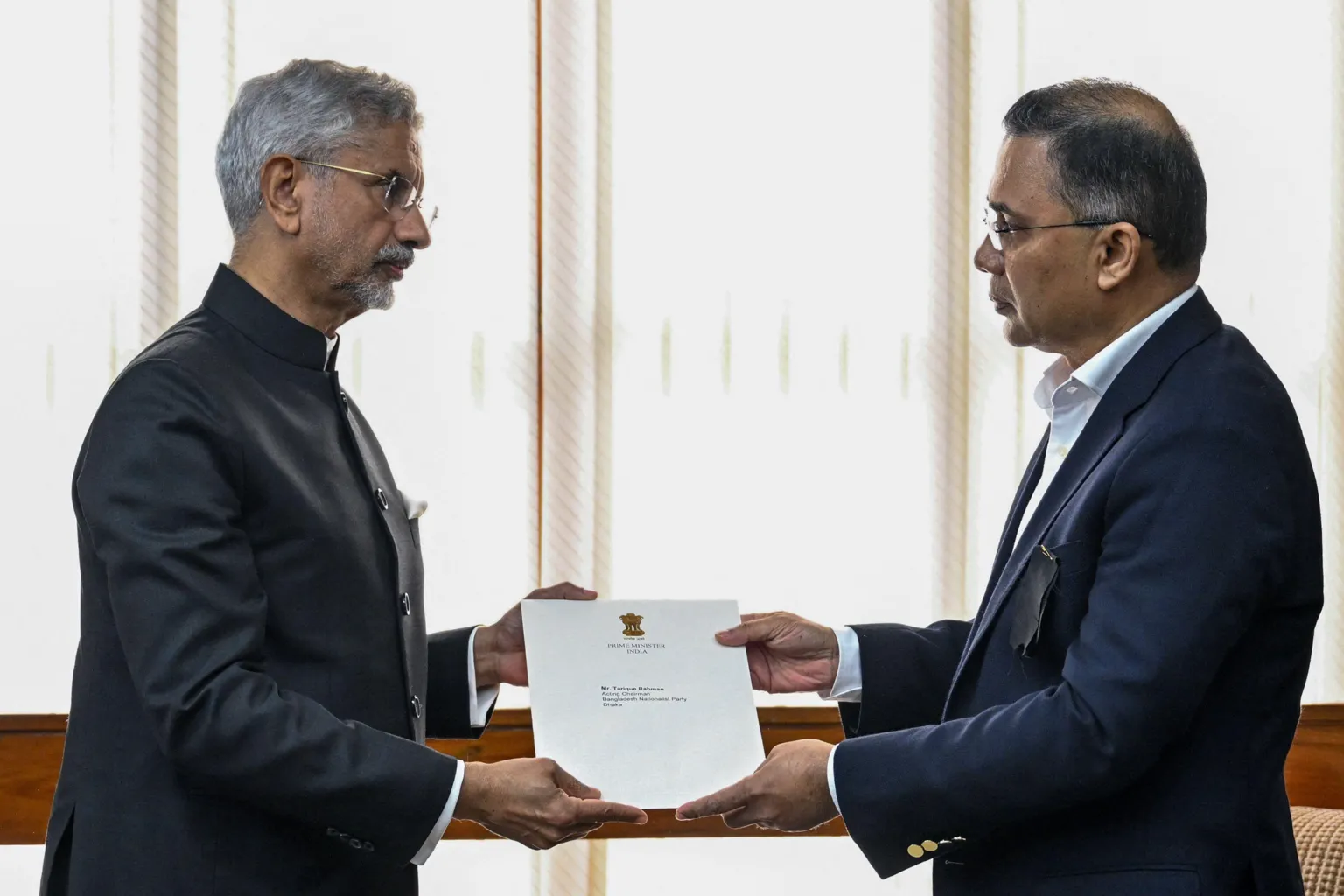
Last month, Foreign Minister S Jaishankar traveled to Dhaka for the funeral of former prime minister and BNP leader Khaleda Zia, using the occasion to meet the party’s acting chairman, Tarique Rahman. Rahman, 60, recently returned after 17 years in exile in London and is considered the frontrunner in the upcoming election.
India has also opened dialogue with Islamist factions. A senior Jamaat-e-Islami leader disclosed that Indian officials engaged the party’s leadership four times in the past year, including an invitation to the Indian High Commission’s Republic Day reception held at a Dhaka hotel.
Despite these tactical efforts, the overall decline in relations continues. Kamal Ahmed, consulting editor of The Daily Star, describes the current chill as unprecedented even during previous crises.
"There's no doubt this is the lowest point of the bilateral relationship,"he told the BBC.
The contrast with the Sheikh Hasina era is stark.
Over 17 years, Dhaka opened nearly all fronts to India—security cooperation, transit, trade, cultural exchange, and people-to-people ties. Today, Ahmed notes,
"nothing is moving—neither people nor goodwill."
What appears to have transformed skepticism into anger was Delhi’s response following Hasina’s ouster last August. Many Bangladeshis expected India to adjust its policy, which had heavily relied on supporting a single party. Instead, India seemed to reinforce its stance—offering Hasina refuge and tightening visa and trade restrictions. The message perceived in Dhaka was that Bangladeshis were
"not being valued as neighbours."
When Indian politicians refer to Bangladeshi migrants as
"termites"or suggest teaching Bangladesh a lesson
"like Israel did in Gaza,"Ahmed asks:
"How do you expect people in Bangladesh to react?"
Cultural retaliation followed, including calls to boycott Indian goods and suspension of IPL broadcasts, driven by resentment.
"Culture, trade, respect—nothing is one-way traffic,"Ahmed states.
"Unfortunately, that's how the current Indian leadership is practising it."
Complexities Beyond Diplomatic Strain
Officials in Dhaka caution against interpreting the relationship solely through its crises.
Shafiqul Alam, press secretary to Yunus, describes ties with India as
"multi-dimensional,"grounded in geography and politics alike.
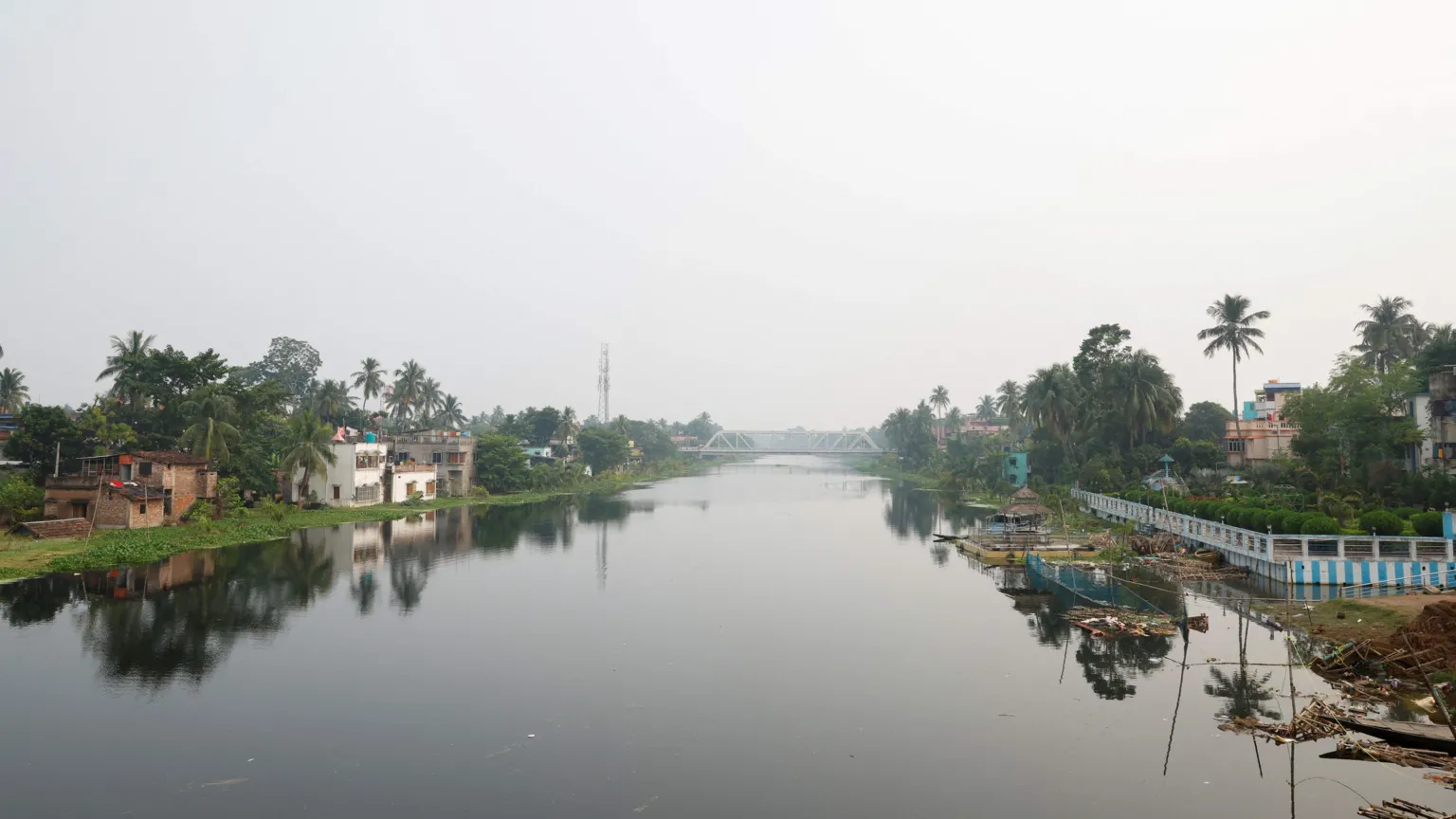
"We share 54 rivers... We share language, we share the same history,"Alam says, citing trade flows and daily movement across the 4,096km (2,545-mile) border.
Still, Alam acknowledges that public sentiment has hardened considerably.
When asked why Bangladeshis were unable to vote freely for over 15 years, many attribute it to Sheikh Hasina’s authoritarianism and India’s backing of her regime.
"They also say that Hasina has always been supported by India."
Hasina’s flight to India after the 2024 violence remains a particularly sensitive issue.

"Hundreds of young people were killed... and then she fled to India,"Alam says. The perception that she was treated as a
"head of a government,"rather than a disgraced leader, intensified public anger.
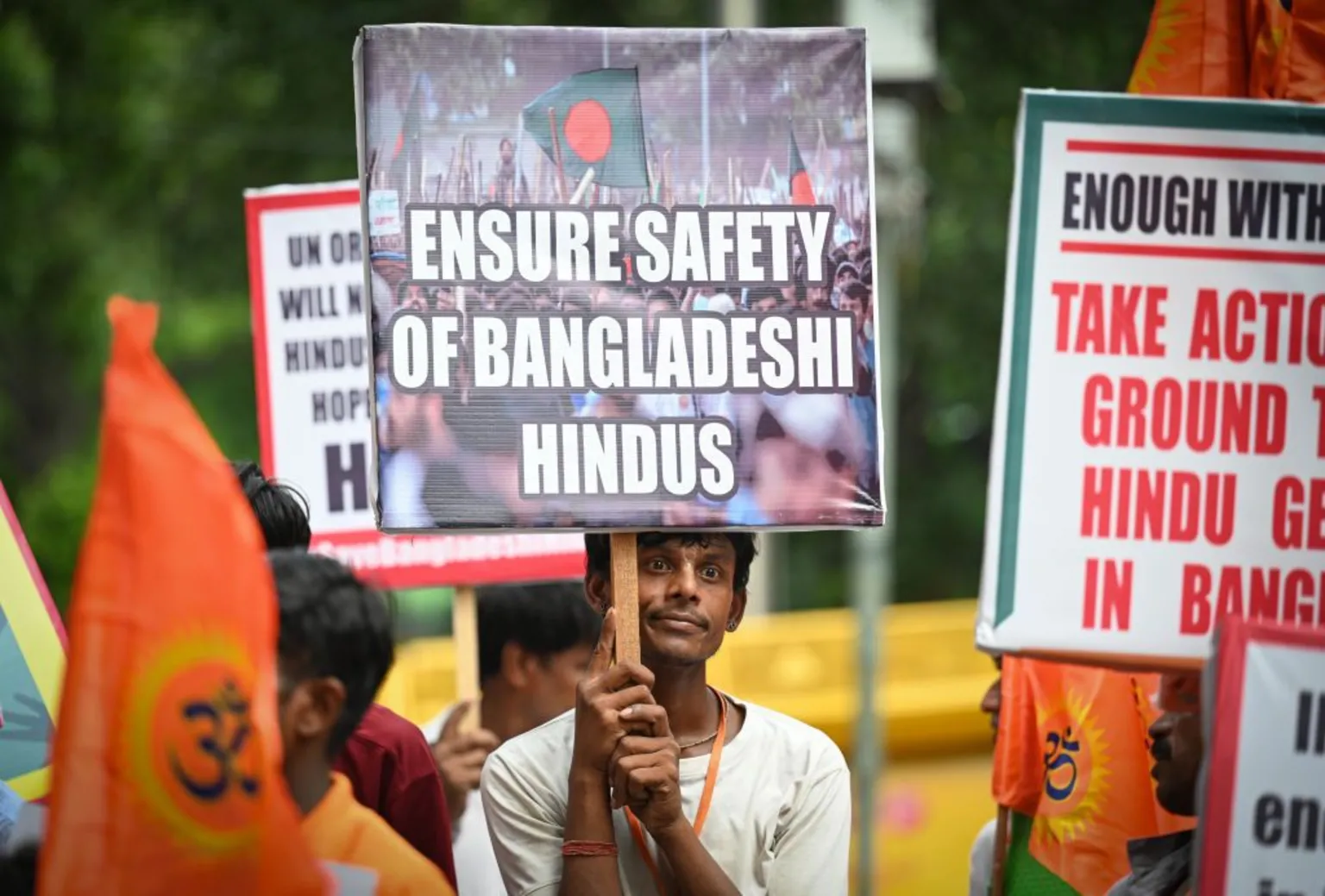
Alam also criticizes Indian media coverage as alarmist, dismissing claims of systematic persecution of minority Hindus as
"a massive disinformation campaign."He acknowledges isolated incidents but contends they are often misrepresented as religious violence.
"Come and visit,"he urges Indian journalists.
"Meet the people and see what actually happened."
India, in contrast, asserts that independent sources have documented over 2,900 incidents of violence against minorities—including killings, arson, and land seizures—during the interim government’s tenure, emphasizing that these cannot be dismissed as mere political violence or media exaggeration.
Deepening Ruptures and Underlying Issues
Ali Riaz, an academic and special assistant to Yunus, believes the rupture extends beyond miscommunication.
"It has reached the bottom,"he says, adding that the relationship had narrowed over time to one between a party or individual and the Indian establishment, rather than between the two nations.
Longstanding disputes have exacerbated the damage. Water-sharing issues, Riaz argues, create a hierarchical dynamic.
"If you control the water, the relationship immediately becomes unequal."
Border killings have an even deeper impact.
"It is viewed as how the Indian establishment see the lives of Bangladeshis,"he states. India denies unlawful killings by its forces in specific border incidents.
Analysts emphasize that these issues are not isolated irritants but symbols of imbalance.
Critics argue that this imbalance was reinforced after Hasina’s fall. Mohammad Touhid Hossain, foreign affairs adviser to Yunus, says India failed to adjust its approach, missing an opportunity to reset relations with the interim government.
"We tried to go forward on a number of occasions, but then the response from India was on again, off again,"he told the author.
India, for its part, has expressed concern about Bangladesh’s
"deteriorating security environment"and called for
"free, fair, inclusive and credible elections"to be conducted peacefully.
Economic Impact of Political Strain
Political tensions are now affecting economic relations. Bilateral trade, valued at $13.5 billion, could increase significantly if tariff and non-tariff barriers were reduced and diplomatic relations improved, according to Fahmida Khatun of the Centre for Policy Dialogue (CPD).
"Political tension has led to economic tension,"she notes.
Public Sentiment and Cultural Perspectives
Despite state-level hardening, public attitudes are more nuanced.
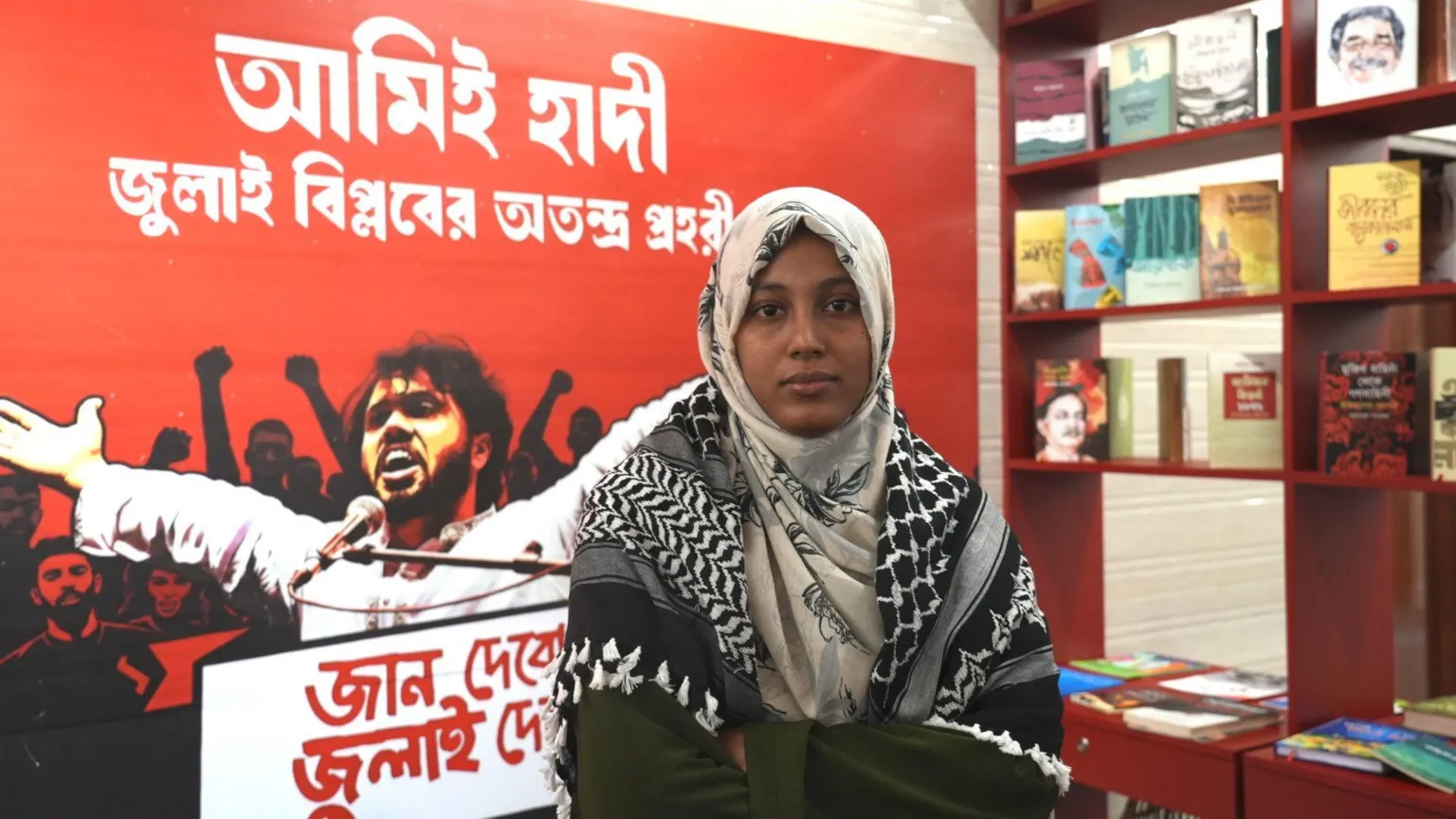
"Whenever I hear India, I think it is my enemy,"says Fatima Tasnim Juma of Inquilab Mancha, a cultural platform known for nationalist anti-India messaging.
"But when it comes to people, it does not work like that."Juma explains that she grew up in a Hindu-majority area and that relatives cross the border freely.
"Our conflict is with the Indian government or the structure. Not with people."
Anti-Indian sentiment has been notably subdued on the election campaign trail—not due to its disappearance but because all political contenders recognize that a reset with India is inevitable.
Still, restoring India-Bangladesh relations will be neither swift nor superficial.
"A reset won't be easy simply because there's an election or a new government. The background [issues] will remain,"Alam says.
Nevertheless, the rupture is not irreversible.
"No state relationship is,"says Riaz, emphasizing that the responsibility for repair largely lies with Delhi and requires moving beyond managing Dhaka through favored intermediaries.
Ahmed states that Bangladesh is open to normalizing ties but that India must initiate a reset that engages with whoever governs Dhaka.
Political Perspectives on Reconciliation
Political figures frame the reset in both moral and strategic terms.
Mahdi Amin, a key adviser to BNP leader Rahman, states bluntly:
"The bigger the nation, the more the responsibility."
He argues that people-to-people ties can only grow if India aligns its policy with the aspirations of Bangladeshis, not merely the preferences of governments.
Jamaat-e-Islami’s assistant general secretary, Ahsanul Mehboob Zubair, offers a cautious endorsement:
"If those in charge in both countries act with sincerity, accept present realities, and treat each other with mutual respect and dignity, a constructive relationship is possible."
That space for repair remains, and a new government could influence the trajectory.
"The current situation is more than a diplomatic chill, and less than a structural break,"notes Paliwal.
"Geography, history, and shared cultural heritage means that India and Bangladesh cannot wish away each other."