

Pakistan Announces Temporary Ceasefire Amid Kabul Funeral
Pakistan has declared a five-day halt to its military strikes against Afghanistan, coinciding with a mass funeral for some of the hundreds of victims of Monday’s airstrike on a drug rehabilitation centre in Kabul.
The Afghan government reported that over 400 individuals were killed and 265 wounded in the attack, which occurred while patients and staff at the centre were engaged in prayers during the final days of Ramadan.
Pakistan denies intentionally targeting the drug rehabilitation centre, asserting that it had "precisely targeted military installations and terrorist support infrastructure." Islamabad accuses Kabul of providing sanctuary to extremist groups responsible for cross-border attacks on Pakistani territory.
Late on Wednesday, Pakistan’s Information Minister, Attaullah Tarar, announced via social media that military operations against Afghanistan would be paused from midnight until midnight on Monday.
The pause, marking the conclusion of Ramadan, was made at the request of "brotherly Islamic countries" Saudi Arabia, Qatar, and Turkey, according to Tarar.
However, Tarar emphasized that any "cross-border attack, drone attack or any terrorist incident" within Pakistan would prompt an immediate resumption of military operations against Afghanistan with increased intensity.
The Afghan Taliban government also declared a temporary suspension of its military actions against Pakistan on Wednesday, as stated by spokesperson Zabihullah Mujahid.
Deadliest Attack in Ongoing Conflict
Monday’s airstrike on the 2,000-bed Omid Addiction Treatment hospital represents the deadliest single incident in the more than three-week conflict between the two nations.
On Wednesday, a mass funeral was conducted for some of the victims, with coffins transported from ambulances by volunteers from the Afghan Red Crescent Society.
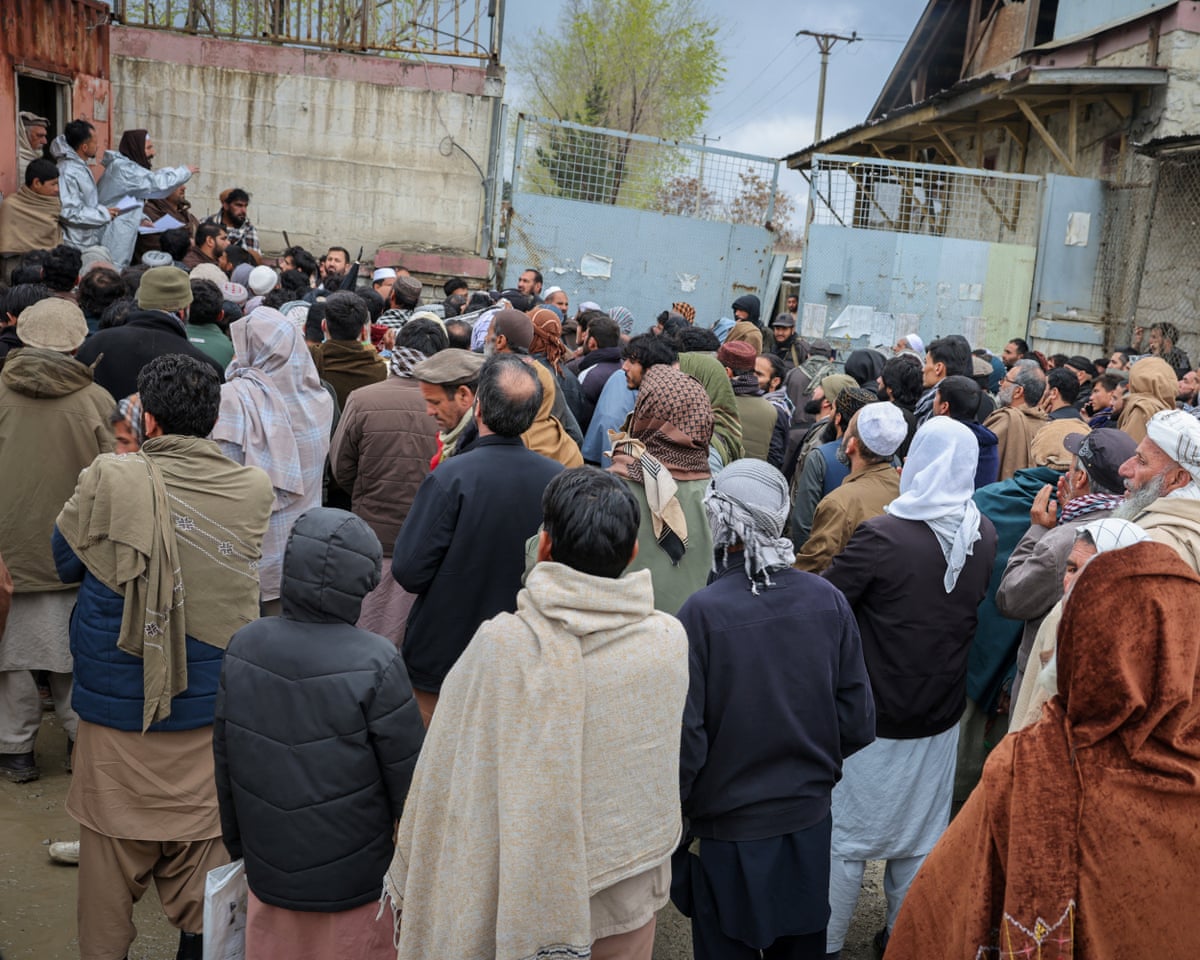
Many relatives, uncertain of their loved ones’ status, continued to gather at the site of the destroyed Omid hospital.
“We came here looking for our patient, he is missing,”said Mazar, 50, who provided only his first name, to .
“We came to find out whether he is well, alive, or what has happened to him.”
Mazar explained that his relative had been admitted to the centre for a second time and that no information was available about his condition.
“We checked the lists, but his name was not in the list of the living. Maybe he is injured or has been killed,”he said.
Another man, who wished to remain anonymous, reported that he had attempted to visit the centre on Tuesday but was denied entry.
“We did not find his body, nor was he among the wounded, and his name is not on the list of survivors,”he said.
“We have come again today for more information.”

Afghan Officials Respond to the Attack
Afghanistan’s Interior Minister, Sirajuddin Haqqani, who attended the mass funeral on Wednesday, described the victims as innocent and targeted by "criminals."
“We will take revenge,”he stated, warning those responsible for the bombing:
“We are not weak and helpless. You will see the consequences of your crimes.”
Haqqani also noted that Afghan authorities do not seek war and are endeavoring to resolve issues through diplomatic means.
Survivors Describe Devastation
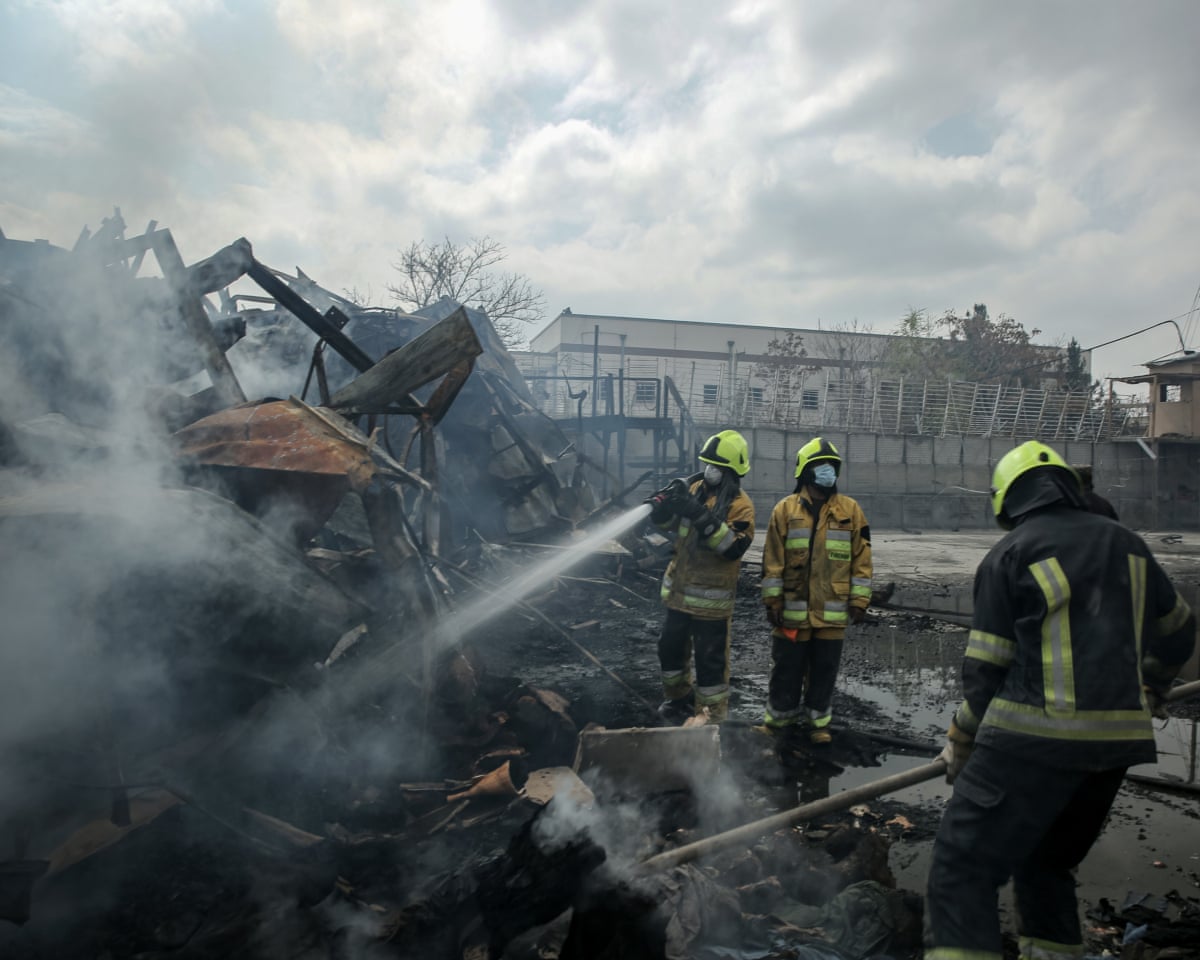
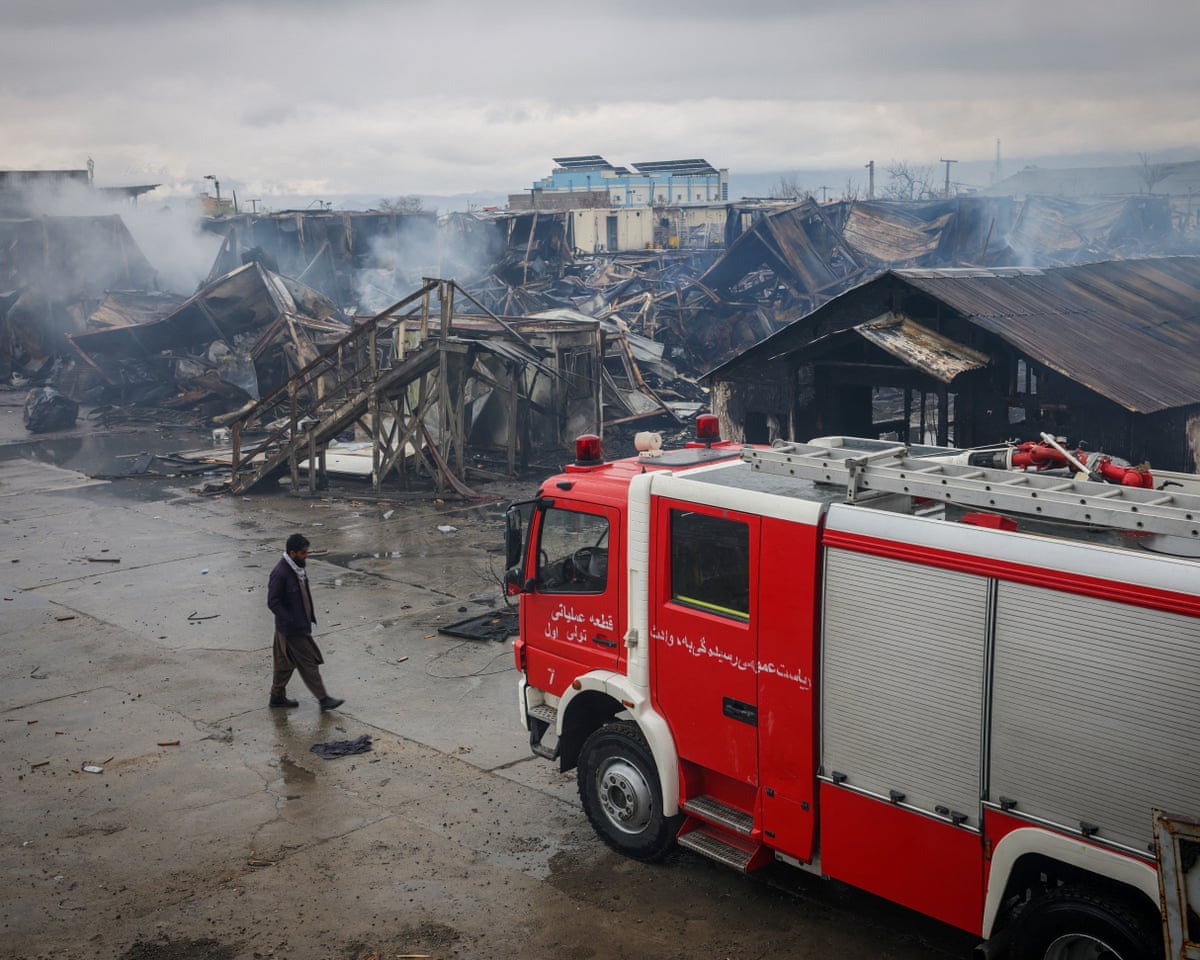
Survivors recounted harrowing scenes following the bombing, describing how sections of the treatment centre were instantly reduced to rubble. Photographs from the site depict volunteers sifting through twisted metal and piping, with clothing, mattresses, and blankets scattered among the debris.
The Norwegian Refugee Council (NRC), whose teams were present immediately after the strikes, confirmed to Agence France-Presse that hundreds of people were killed and injured.
Abdul Mateen Qanie, a spokesperson for the Afghan Interior Ministry, reported:
“Some of the bodies were not identifiable and are currently at the forensic department. Some bodies were intact and were handed over to their families. Others were completely destroyed, collected almost like pieces of flesh.”
Najibullah Farooqi, head of Afghanistan’s legal medicine directorate, stated that bodies were still being recovered from the debris as late as Tuesday night and were being returned to families.
“Some bodies have been handed over after their identities were confirmed. However, a large number of bodies still remain with us,”he said.
Dispute Over Target and International Reactions
Afghanistan and Pakistan have contested the nature of the airstrike’s target.
Afghan officials maintain that the attack targeted the rehabilitation centre, which has operated at the site of a former NATO military base for approximately ten years.
Conversely, Pakistan’s military claims the location was used to store drones and military-grade ordnance and to train suicide bombers.
The European Union, United Nations agencies, and international aid organizations have emphasized that civilian and medical facilities must not be targeted during conflicts.
In a joint statement, aid groups including the NRC called for de-escalation, noting that over 115,000 civilians have reportedly been displaced, many of whom are children. The ongoing conflict has also resulted in border closures, disrupting imports and causing a rise in prices for essential goods.
Background of the Conflict
The conflict between the former allies began last year after Islamabad accused Kabul of sheltering and supporting militants responsible for attacks in Pakistan, allegations denied by the Afghan Taliban government.
Although tensions had eased due to mediation efforts by countries such as China, hostilities escalated again last month. Pakistan began targeting the Afghan Taliban directly, rather than solely focusing on Pakistani Taliban militants allegedly operating from Afghan territory.


