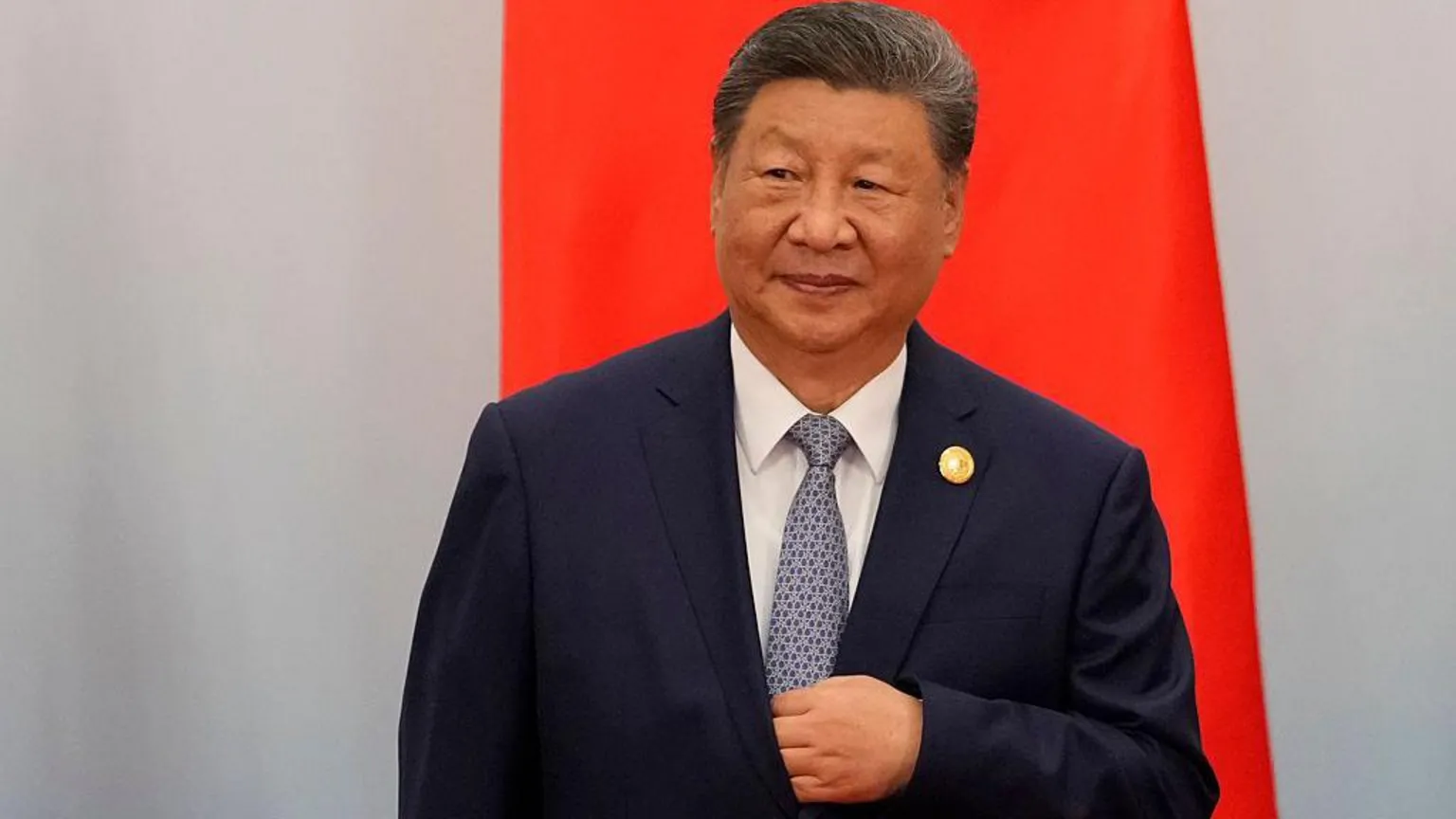
Overview of China's 'Two Sessions'
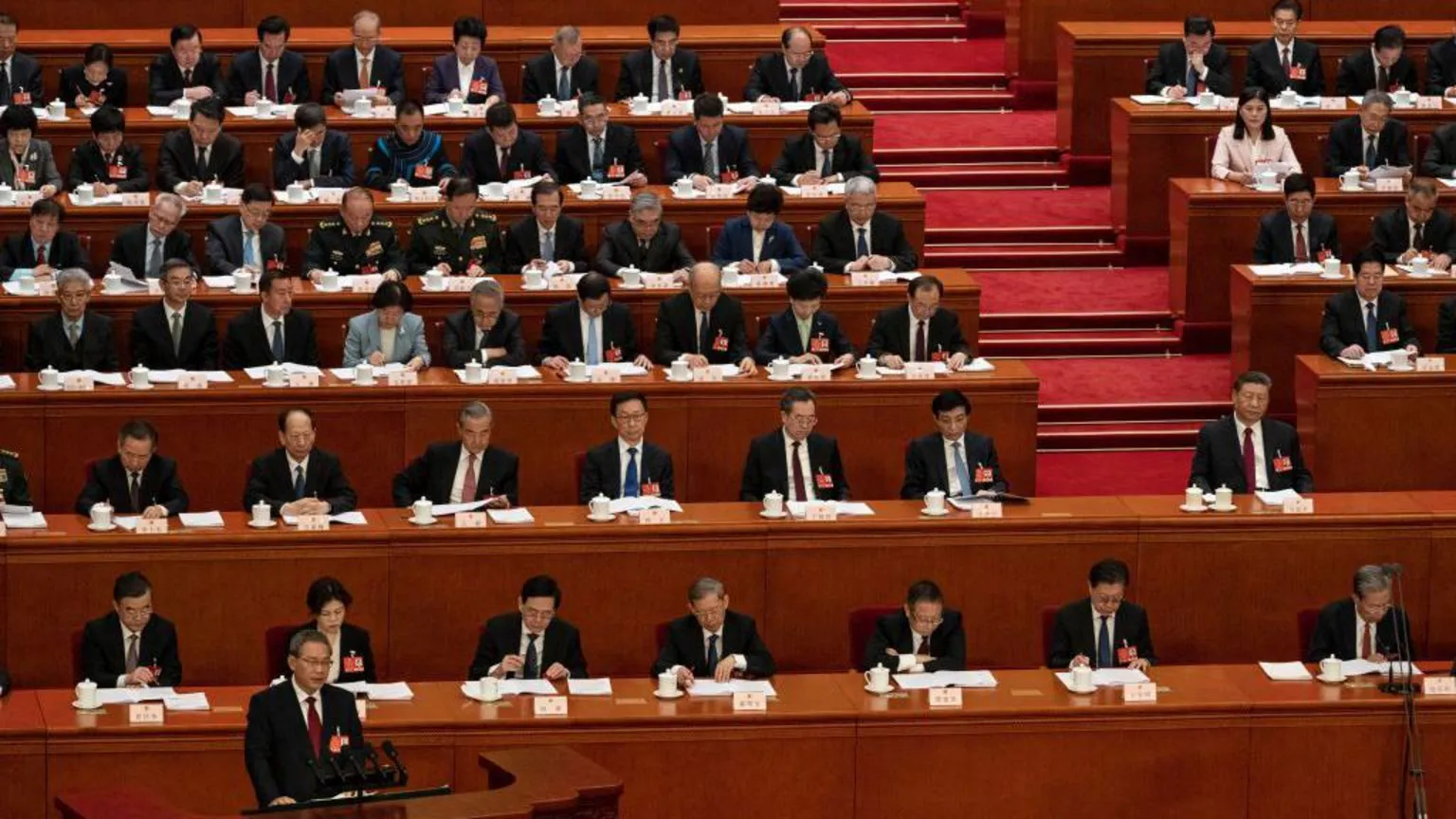
The stage is set for China's largest political gathering: the carefully orchestrated annual meetings of the political advisory body and the rubber-stamp national legislature.
The "two sessions," which commenced on Wednesday and typically last one to two weeks, highlight the priorities of the world's second-largest economy.
Observers will monitor whether China sets ambitious growth targets despite challenges in boosting domestic consumption, and will analyze the new Five Year Plan to discern Xi Jinping's strategic vision for the country.
Looming over the event are recent dismissals of high-ranking military officials as part of Xi's ongoing anti-corruption campaign.
Here is a detailed overview of the gathering.
What are the 'two sessions'?
The term "two sessions" refers to two separate meetings.
The first is the Chinese People's Political Consultative Conference (CPPCC), the advisory body that began on Wednesday. Its membership exceeds 2,000 individuals drawn from various sectors, not limited to the Communist Party.
While the CPPCC offers insight into key policy discussions, it holds no legislative authority.
The legislative power technically resides with the National People's Congress (NPC), which convened on Thursday.
Although the NPC possesses broad authority, including lawmaking, constitutional amendments, and budget approval, it primarily functions as a rubber-stamp parliament endorsing decisions made behind closed doors by the Communist Party.
Established in 1954, the NPC meets annually. Approximately 3,000 delegates from all provinces, autonomous regions, municipalities, and government branches, including the armed forces, attend the NPC in Beijing.
Most delegates are party members or government officials serving five-year terms.
Real power lies with a smaller standing committee elected from the congress delegates, which meets every few months.
The current standing committee has 175 members and is chaired by Zhao Leji, who also serves on the Communist Party's politburo standing committee—China's equivalent of a cabinet.
Is the NPC more than a 'rubber stamp'?
Despite its scripted nature, the NPC remains important for those seeking to understand China's direction.
Although the event features party-approved speeches and media sessions with pre-screened questions, these communications provide clues about the Party's goals and ambitions and offer rare insight into government operations.
Historically, when the Communist Party initiated market reforms to open the economy, its intentions were evident at these annual meetings; similarly, when Xi expanded state control over the economy, this was reflected in NPC discussions.
Beyond economic policies, past reports have included goals such as improving sanitary conditions and enhancing China's soft power.

Why does it matter to the rest of the world?
China's industrial and technological footprint has expanded rapidly in recent years, encompassing electric vehicles, solar panels, humanoid robots, and AI applications. These developments follow a state-driven strategy to transform China from the world's factory floor into a global technology leader.
This transformation is deliberate, as evidenced by language used in previous NPC meetings, prompting analysts to closely watch this year's congress for indications of future directions.
What may appear as minor policy adjustments in China can generate global ripple effects. Although the speeches may seem lengthy and monotonous, they highlight priorities that may signal increased focus and funding for particular industries.
Moreover, this year's NPC occurs amid world leaders seeking more stable relations with Beijing, especially given the unpredictability associated with a potential second Trump presidency.
Western leaders, including British Prime Minister Keir Starmer and Canada's Mark Carney, have visited Beijing in recent months.
What to expect this year
Among the proposals is an "ethnic unity" law, which human rights observers warn could further entrench repression of minority groups.
The law aims to elevate the status of Mandarin over minority languages, despite already significant reductions in local language education in regions such as Tibet, Xinjiang, and Inner Mongolia.
It also promotes intermarriage between the Han Chinese majority and ethnic minorities and prohibits acts deemed harmful to "ethnic unity." The draft legislation requires parents and s to "educate and guide minors to love the Chinese Communist Party."
The congress is also expected to approve the Ecological and Environmental Code, which addresses pollution control, ecological protection, and low-carbon development, among other areas.
The main event at the NPC is the Government Work Report delivered by Premier Li Qiang, which reviews the previous year's performance and sets the policy agenda and economic targets for the coming year.
The report will specify this year's economic growth target. In recent years, the target has hovered around 5%. A lower target would indicate a shift toward slower but higher-quality growth.
This NPC is particularly significant because delegates will approve the next Five Year Plan, outlining China's blueprint from 2026 to 2030.
This plan will provide insight into Beijing's long-term economic objectives, especially regarding high-tech and renewable energy sectors, and strategies to stimulate sluggish domestic consumption.
China watchers will also observe delegate attendance closely. Absences at this major political event can signal political trouble.
Xi Jinping has removed numerous senior military officers in recent months, including nine who lost their NPC delegate status last week and three who lost their CPPCC delegate status this week.
Officials in other sectors have also "disappeared," but the People's Liberation Army has experienced the most removals and resignations among all NPC delegations this term.