

Kasasa Island’s Quiet Life and Strategic Importance
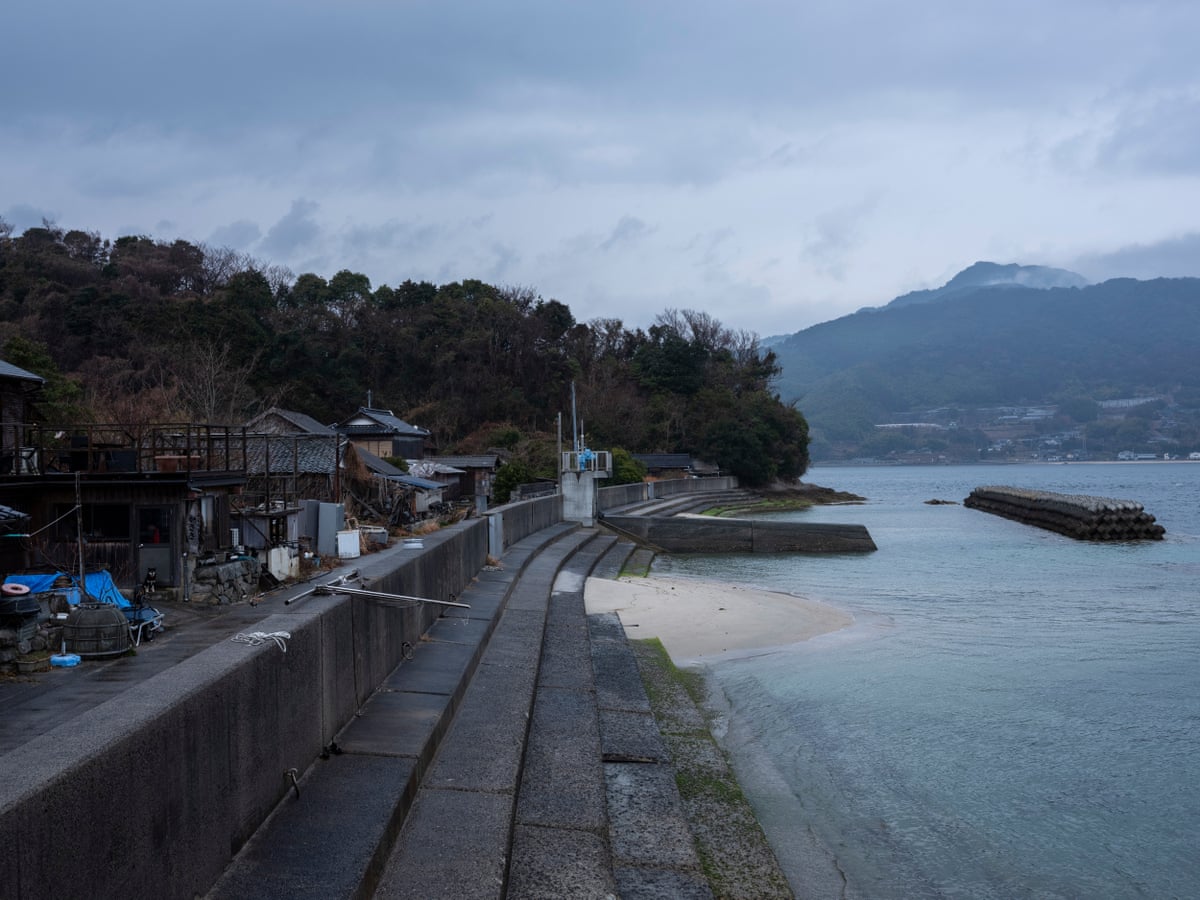
Kasasa island, located in the Seto Inland Sea, has a population of just seven registered residents. Despite its small size and sparse habitation, the island’s fate is closely linked to the complex relationship between Tokyo and Beijing.
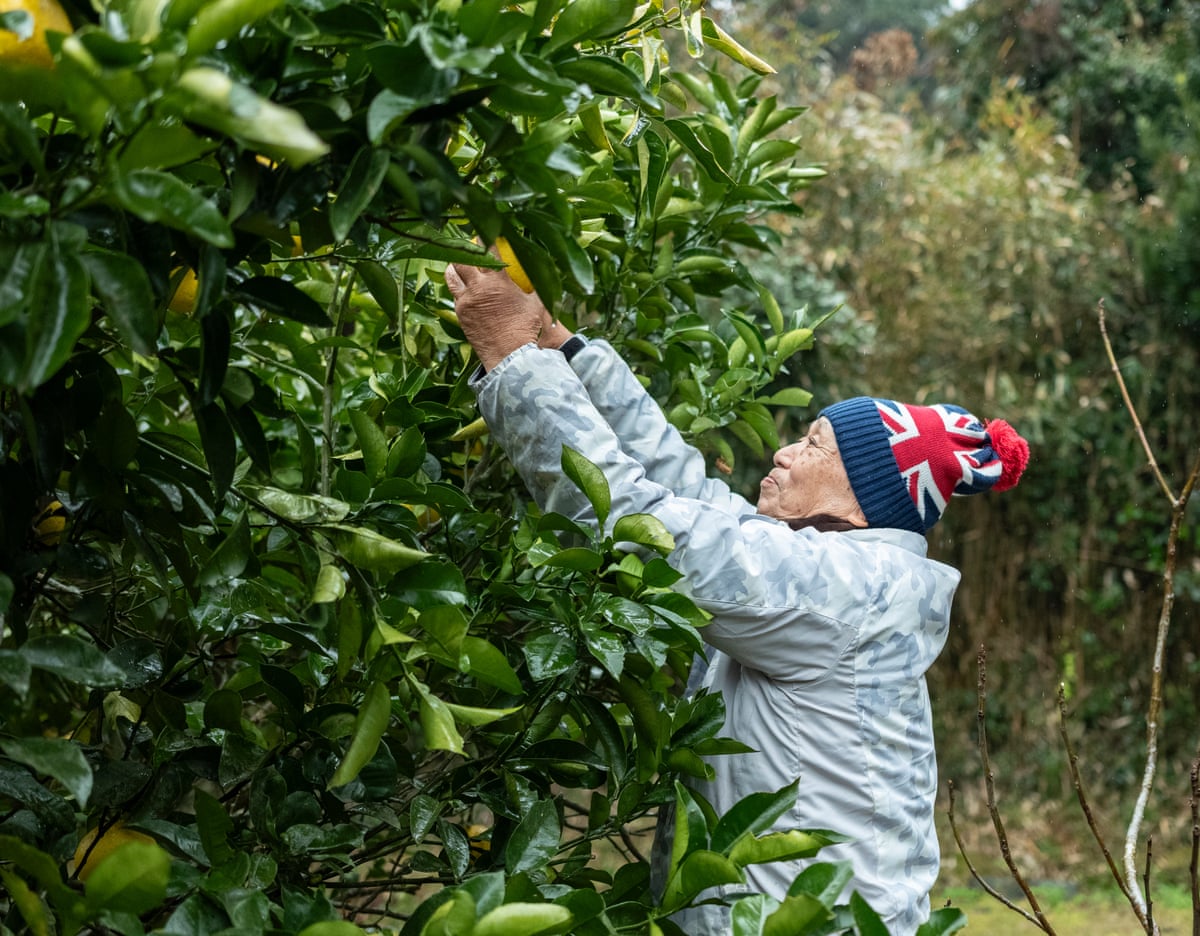
Hideya Yagi, an 80-year-old former construction company president, is easily identifiable by his union jack woolly hat as he welcomes visitors arriving by boat. Yagi, along with his wife Mihoko, lives quietly on Kasasa alongside one other couple and an elderly woman; the remaining two residents are seldom present.
“You can stand on the quayside and just reel the fish in,”Yagi says, standing on the simple quay and reflecting on the hobby that brought him to the island 25 years ago.
“And you can eat what you catch straight away.”
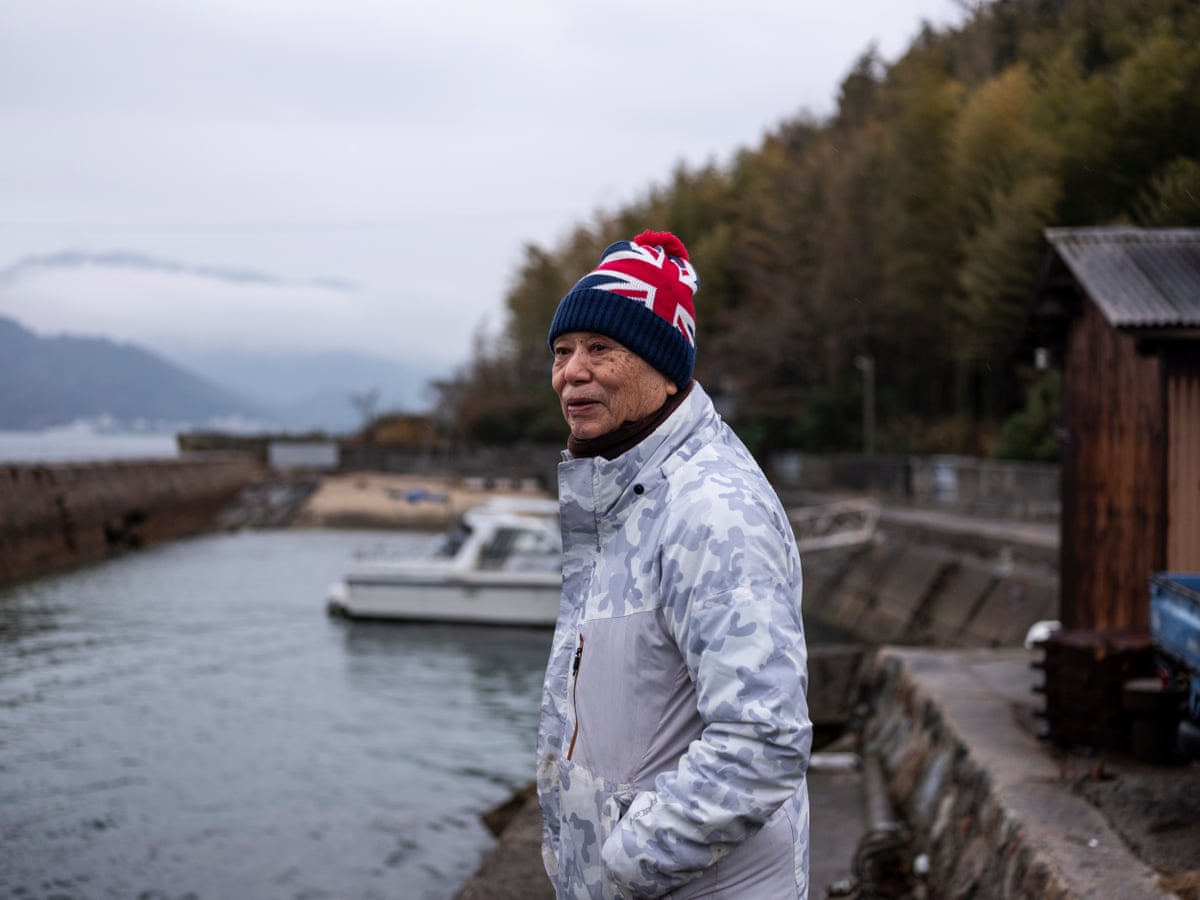
Kasasa is often referred to as the “Hawaii” of Japan’s inland sea due to its warm climate and scenic coastline. However, its location also holds strategic military significance. The island lies near two important military installations: the Iwakuni US Marine Corps airbase, 20 kilometers away, and a Japanese Maritime Self-Defense Force base located 50 kilometers to the north in Kure city.
Recently, the purchase and development of two plots of land on Kasasa by wealthy Chinese investors sparked concerns and rumors that these properties could be used by Beijing for surveillance purposes. This led to a local councillor warning that the island
“could eventually become a Chinese island.”
While critics emphasize that Japanese law applies equally to landowners regardless of nationality, the debate over foreign ownership persists within Japan.
In just a few months, this modest island, measuring approximately 700 square meters, has become symbolic of the deteriorating relations between Japan and China, as well as Japan’s apprehensions about Beijing’s regional ambitions.
Foreign acquisition of land in politically sensitive areas of Japan is increasing. According to public broadcaster NHK, in the 12 months ending March last year, Chinese investors accounted for nearly half of hundreds of land and real estate purchases near locations deemed critical for national security. All transactions were legal and approved by Japanese authorities.
Residents concerned about these developments have found support in Prime Minister Sanae Takaichi, who has pledged to tighten regulations on the sale of land and other assets. The conservative leader has also tapped into broader public unease regarding record immigration levels, which Japan requires to address workforce shortages but which have also fueled societal tensions.
Tokyo’s relationship with Beijing has grown increasingly strained following Takaichi’s warning that Japan’s forces would respond in the event of a conflict over Taiwan. These remarks triggered a strong reaction from China, including bans on exports of “dual-use” items to major Japanese corporations that Beijing alleges supply Japan’s military. The Chinese commerce ministry stated these restrictions aim to curb Japan’s “remilitarisation” and nuclear ambitions. Japan condemned the measures as
“completely unacceptable.”
Residents’ Perspectives on Foreign Ownership
When two plots on Kasasa’s southeast coast were purchased nearly ten years ago, residents anticipated development into holiday homes and a jetty. However, years passed without visible progress.
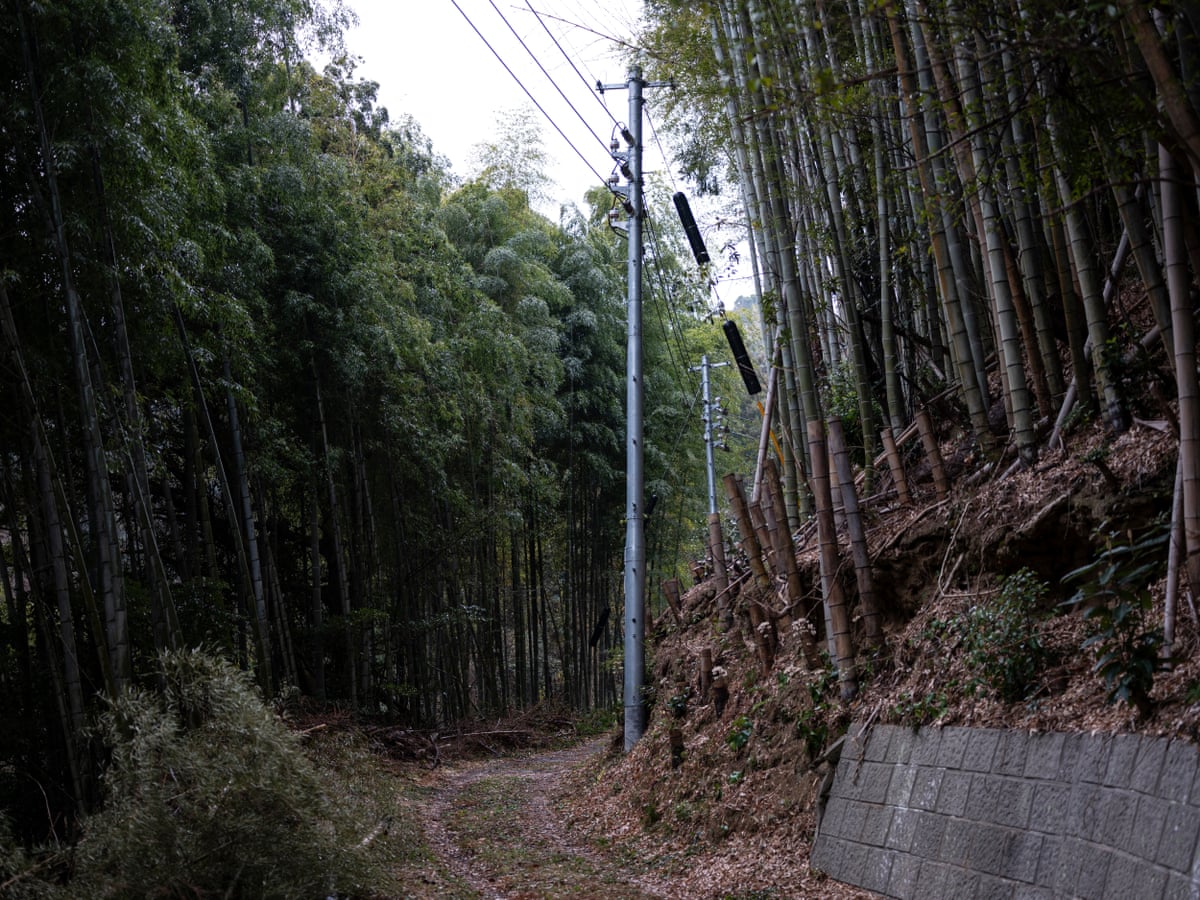
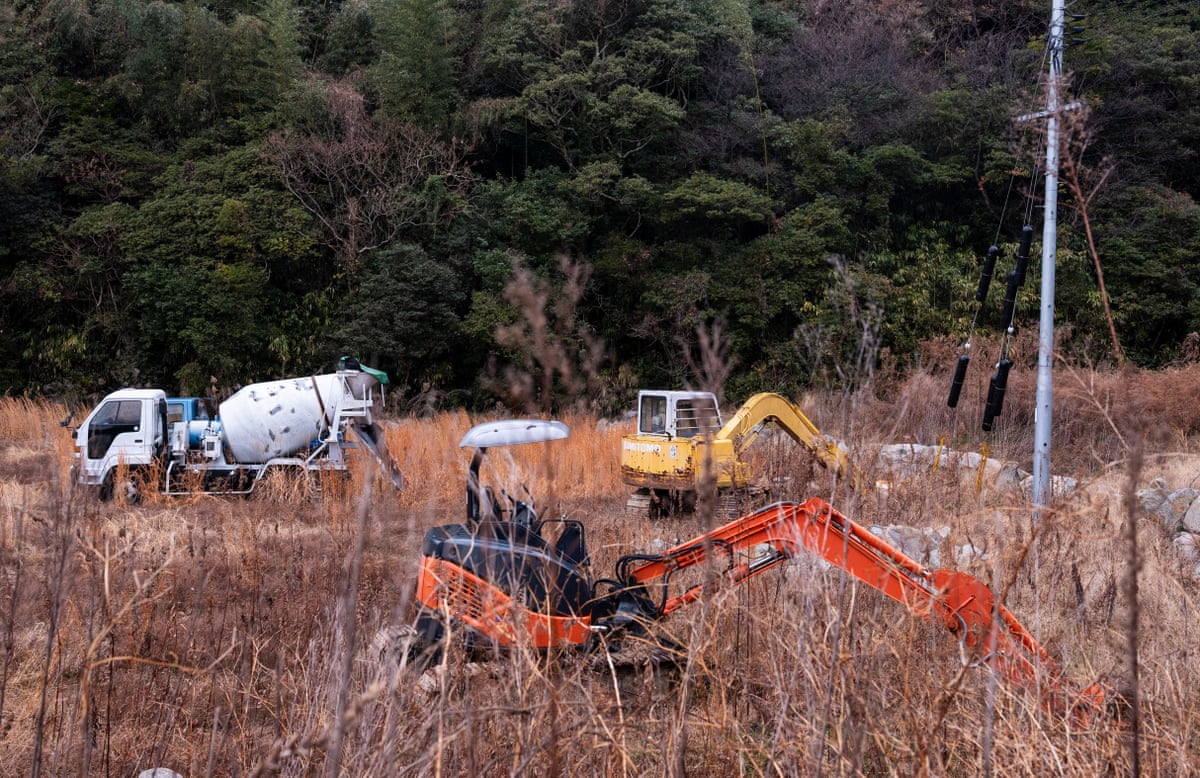
Late last year, construction equipment including a mechanical digger and cement mixer arrived by boat to begin clearing the land. Steel telegraph poles and high-voltage power lines were installed, and visitors were observed in the area. The Kasasa Island Preservation Association, a local campaign group, identified the owners as Chinese investors who acquired the land through a Japanese real estate company that owns additional plots on the island. Although their purchase and activities were fully legal, their intentions remain unclear. Documents reviewed by outline a range of potential plans, from tourism facilities to cruises and restaurants.
Attempts to contact the investors in Shanghai were unsuccessful, and calls to the real estate company went unanswered.
“I don’t care where our neighbours are from, but we still don’t know who these people are and what they want to do here,”says Yagi, who has never met the Chinese investors whose plot is at the opposite end of the island.
“Hardly anyone lives here, so new arrivals could do what they like and we would never know.”Yagi relocated from nearby Hiroshima prefecture after retiring in his 50s.
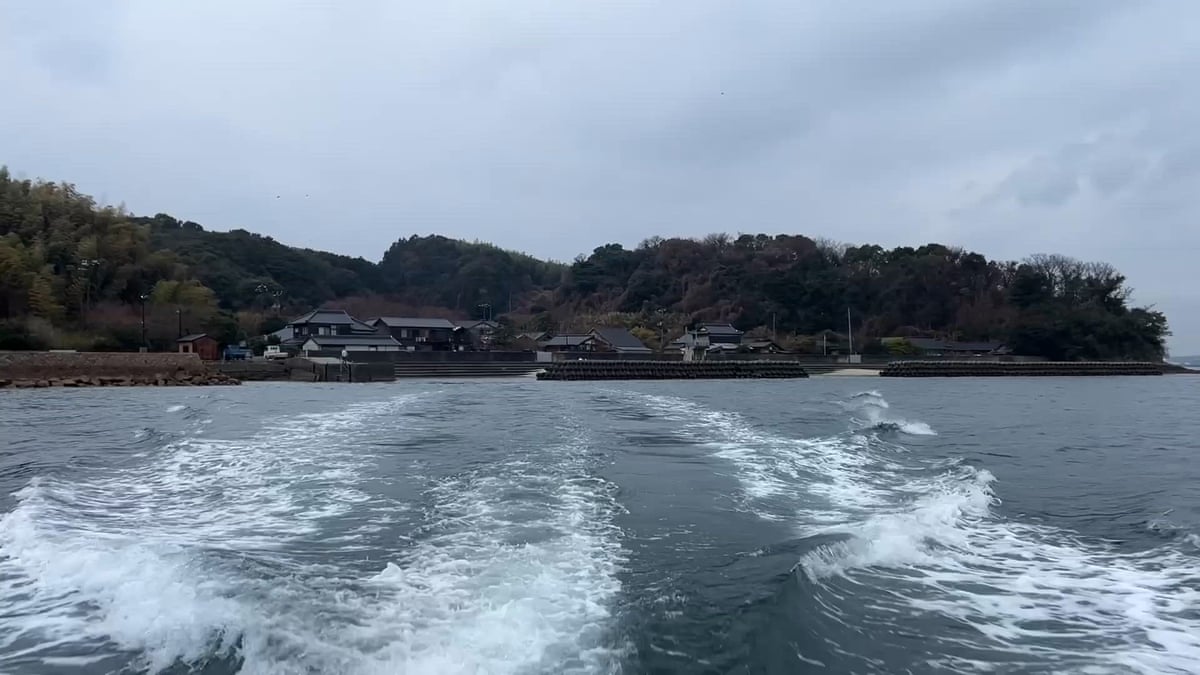
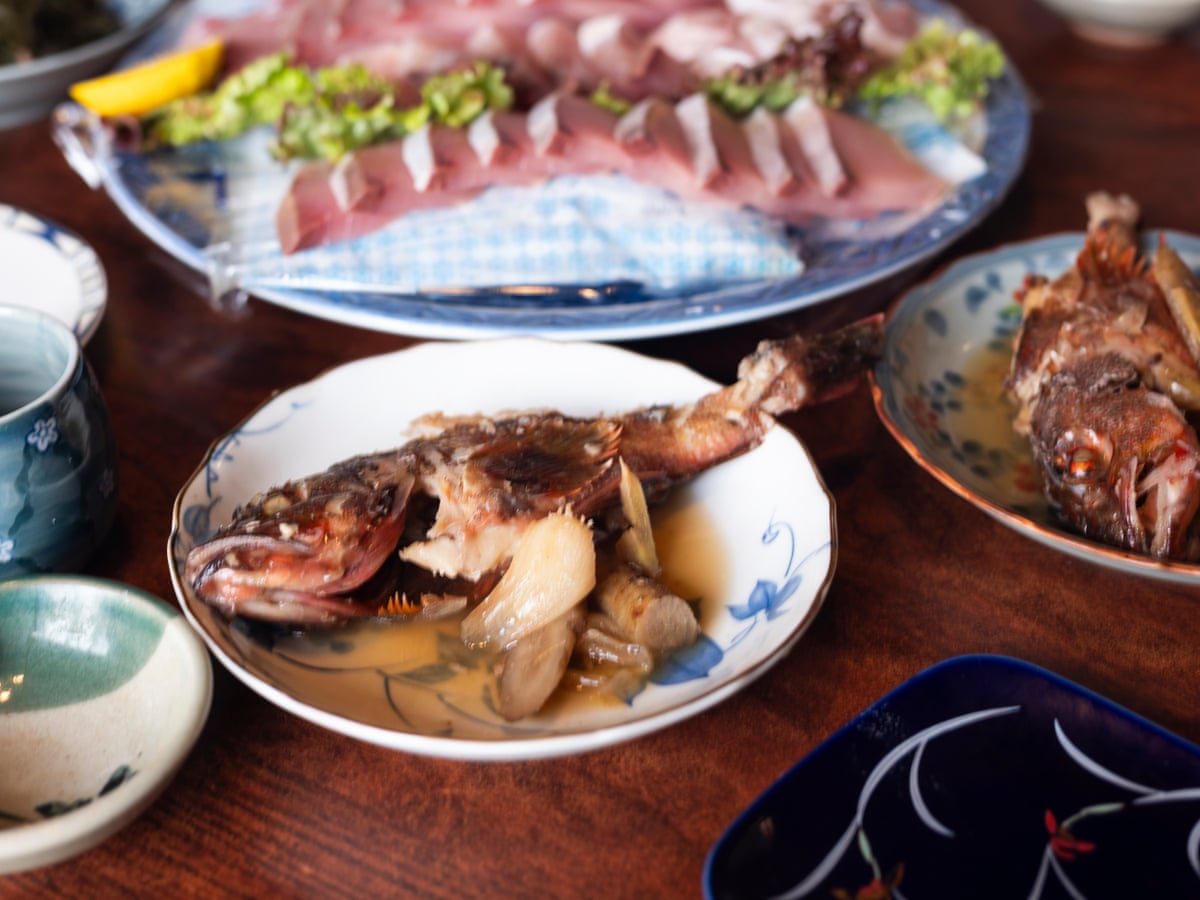
During warmer months, Kasasa thrives with its fertile soil and natural water supply producing watermelons, mikan oranges, blueberries, and tomatoes. The island’s crystal-clear waters provide abundant catches such as sea bream, yellowtail, and octopus, even for novice anglers.
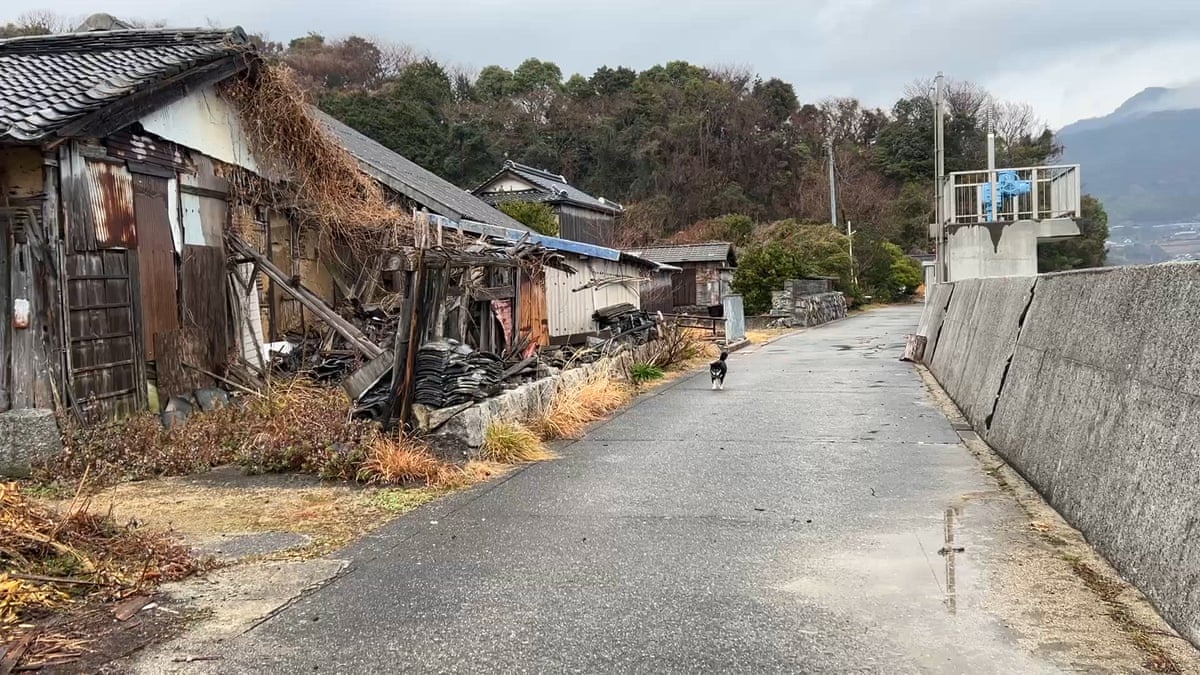
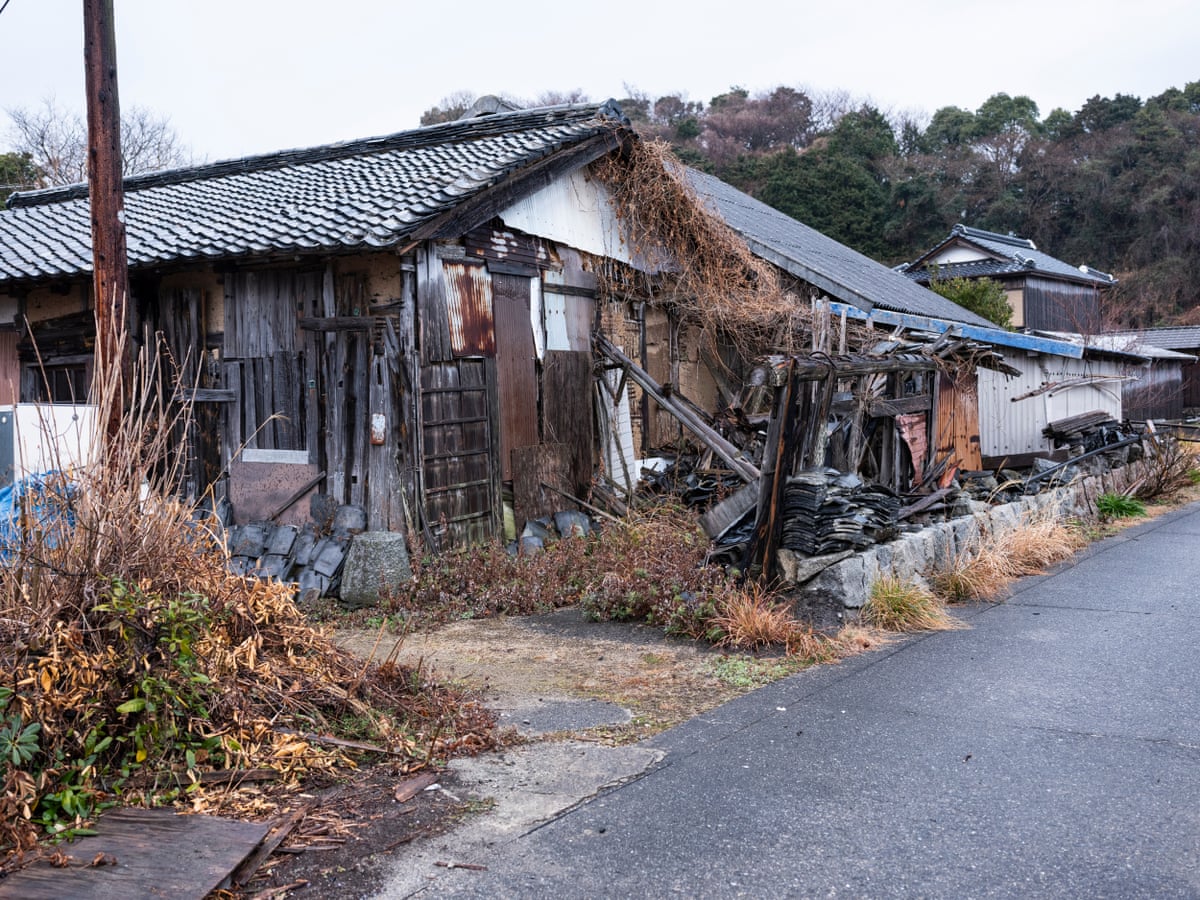
Currently, cleaners who arrived by ferry shelter from the cold in a fishermen’s hut, carrying bags filled with beach debris. A lone dog roams an empty coastal road, pausing outside dilapidated wooden homes and befriending the few visitors passing through.

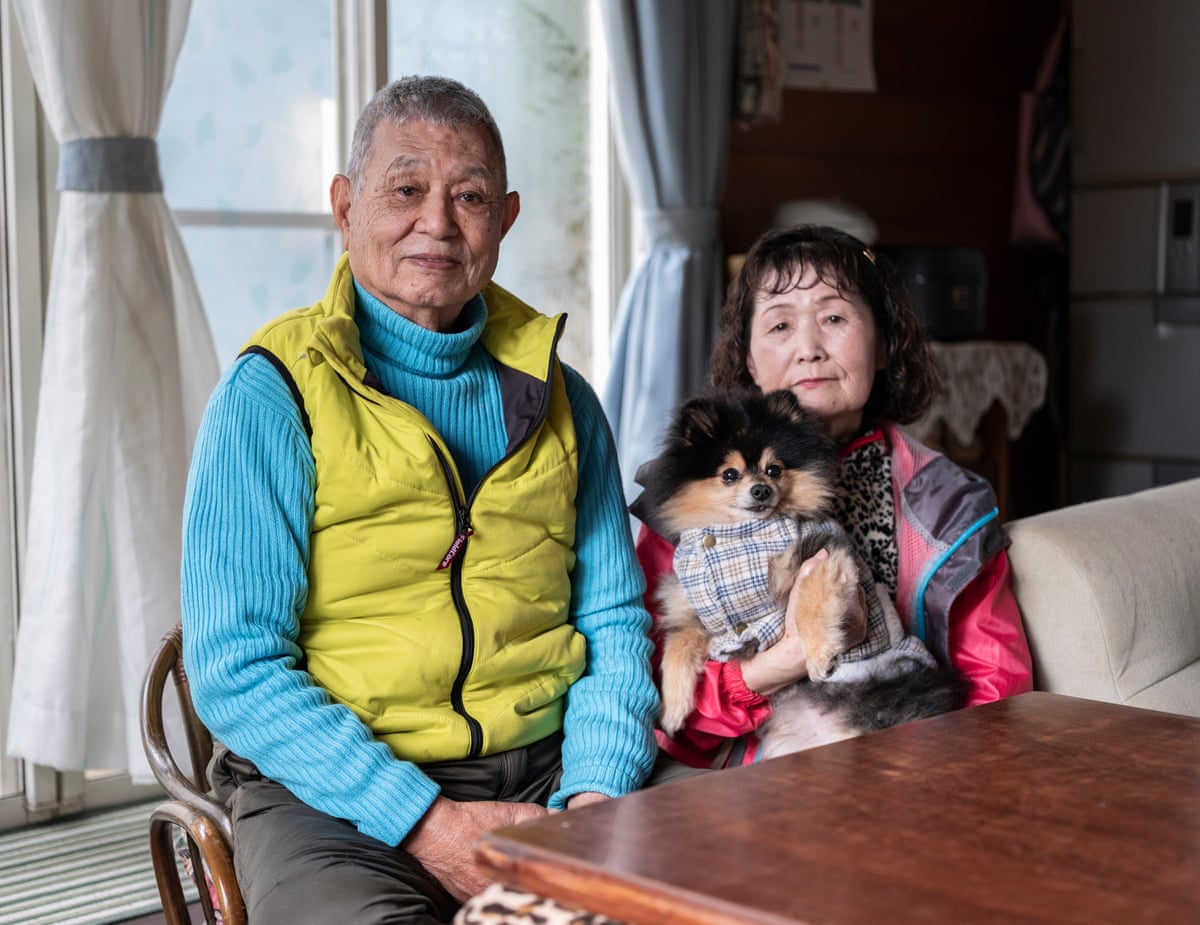
Yagi spends his days fishing, with the day’s catch spread across the couple’s living room table, while Mihoko tends their garden. Their nearest neighbors are away, leaving their front door unlocked.
“I’m worried about what will happen to the island’s atmosphere,”Mihoko says as she cuddles their dog, Kuro-chan.
“We’re being kept in the dark. I just want to carry on with life as it is, with my husband fishing and me growing fruit and vegetables.”
Concerns Over a ‘Silent Invasion’
The efforts by residents, local politicians, and campaigners to preserve Kasasa’s way of life have escalated into a broader discussion about protecting Japan’s assets from what some conservative commentators describe as a “silent invasion” by Chinese property investors.
Takashi Ishikawa, a conservative councillor in nearby Yamaguchi city, warned that Kasasa
“could eventually become a Chinese island.”He told the Sankei Shimbun newspaper,
“It could even serve as a drone base. If islands in the Seto Inland Sea … are bought up collectively, it would be as if Japan were effectively being invaded.”
Hideki Miyagawa, who helped establish the Kasasa Island Preservation Association last year, said:
“Ideally, we want to buy the land back, protect the island’s environment and persuade people to move here to live.”Kasasa’s population was approximately 100 before World War II.
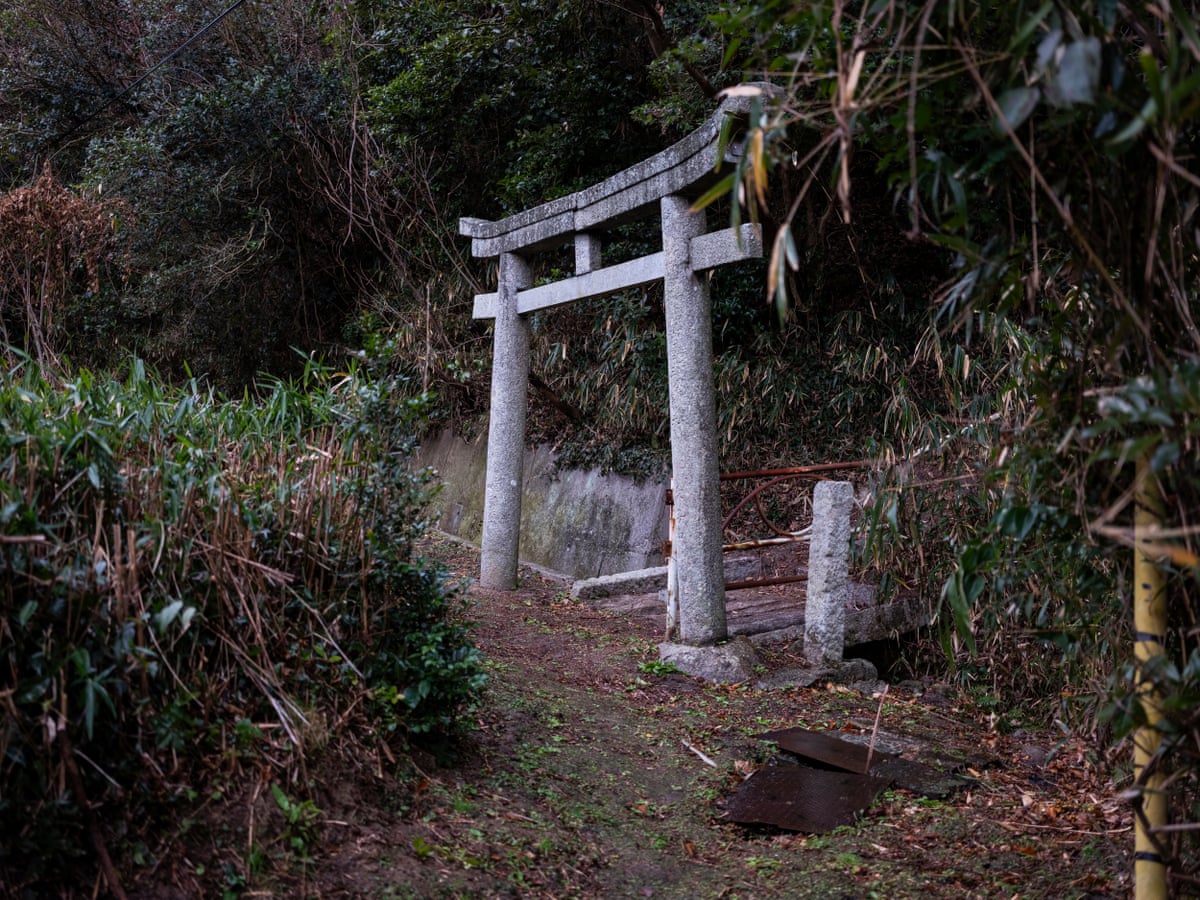
The association recently repaired the island’s only Shinto shrine and plans to organize events aimed at attracting younger residents to an island where many homes remain vacant.
“This has got nothing to do with discriminating against foreigners,”Miyagawa explains.
“We just want the government to protect the interests of residents and for new residents to follow the rules. It’s hard to do that when we don’t even know the investors’ intentions. How do we know that they won’t use the location for something like surveillance?”
National Backlash and Legal Perspectives
Kasasa is not unique in experiencing local opposition to foreign investment in land and property. Although foreign ownership is legally protected, critics argue that more stringent scrutiny is necessary.
In some regions, residents have taken direct action. In December last year, a landowner in Fukuoka, western Japan, abandoned plans to build apartments targeting foreign buyers—primarily Chinese and Taiwanese—after local protests.
In June last year, authorities in Hokkaido blocked the construction of a villa in Kutchan town by a Chinese national who had illegally cleared forest land.
However, some experts contend that concerns about foreign investors acquiring and developing Japanese land without oversight are overstated. They argue that existing laws sufficiently prevent illegal activities regardless of the owner’s nationality.
Hiroshi Matsuo, a professor at Keio University Law School, states:
“Restricting foreigners’ ability to acquire property won’t solve the problem. There are effective legal measures in place to deal with illegal development, regardless of whether it’s by Japanese or foreign nationals. What we need is a mature approach to land use regulations, which currently allow unexpected developments to go ahead without the knowledge or consent of existing residents.”
Matsuo adds that fears of foreign landowners transforming their property into quasi-independent territories confuse land ownership with national sovereignty and are fueled by misinformation online.
“It’s right to want a society in which it’s normal for foreigners to integrate into local communities. They and Japanese people must all follow the same rules.”
In China, some have exploited the controversy to provoke Japan’s right wing on social media platforms such as WeChat and RedNote. One commenter described the land purchases as a
“good investment strategy: buy land in Japan, stir up Japanese nationalistic sentiment, and then sell it back to the Japanese at a high price.”Another urged compatriots to take ownership of the entire island and
“plant the Chinese flag after you buy it.”A third asked,
“Can we crowdfund to buy the whole of Japan?”
As visitors prepare to depart on the last boat back to the mainland, Yagi’s thoughts return to fishing.
“I would love people to come here to fish, eat and drink together and stay overnight,”he says.
“I don’t care which country they’re from … I’d just like that to happen before I die.”
Additional research by Lillian Yang


