Trapped Amid Smoke and Flames
"I can't breathe any more. There's too much smoke. I'm inside. You are killing me."
These words were typed by Zyma Islam on Facebook well past midnight on 18 December. She was not reporting from a conflict zone but trapped on the roof of her own newsroom in Dhaka. Alongside 27 other journalists and staff, she was cornered by a mob that had set fire to the building housing The Daily Star, Bangladesh's largest English-language newspaper.
That evening, Islam, an investigative reporter, was writing the lead story on the death of Sharif Osman Hadi, a prominent youth leader involved in the movement that had ousted former prime minister Sheikh Hasina in August. Hadi had been shot by masked assailants outside a Dhaka mosque the previous week and later died in a Singapore hospital.
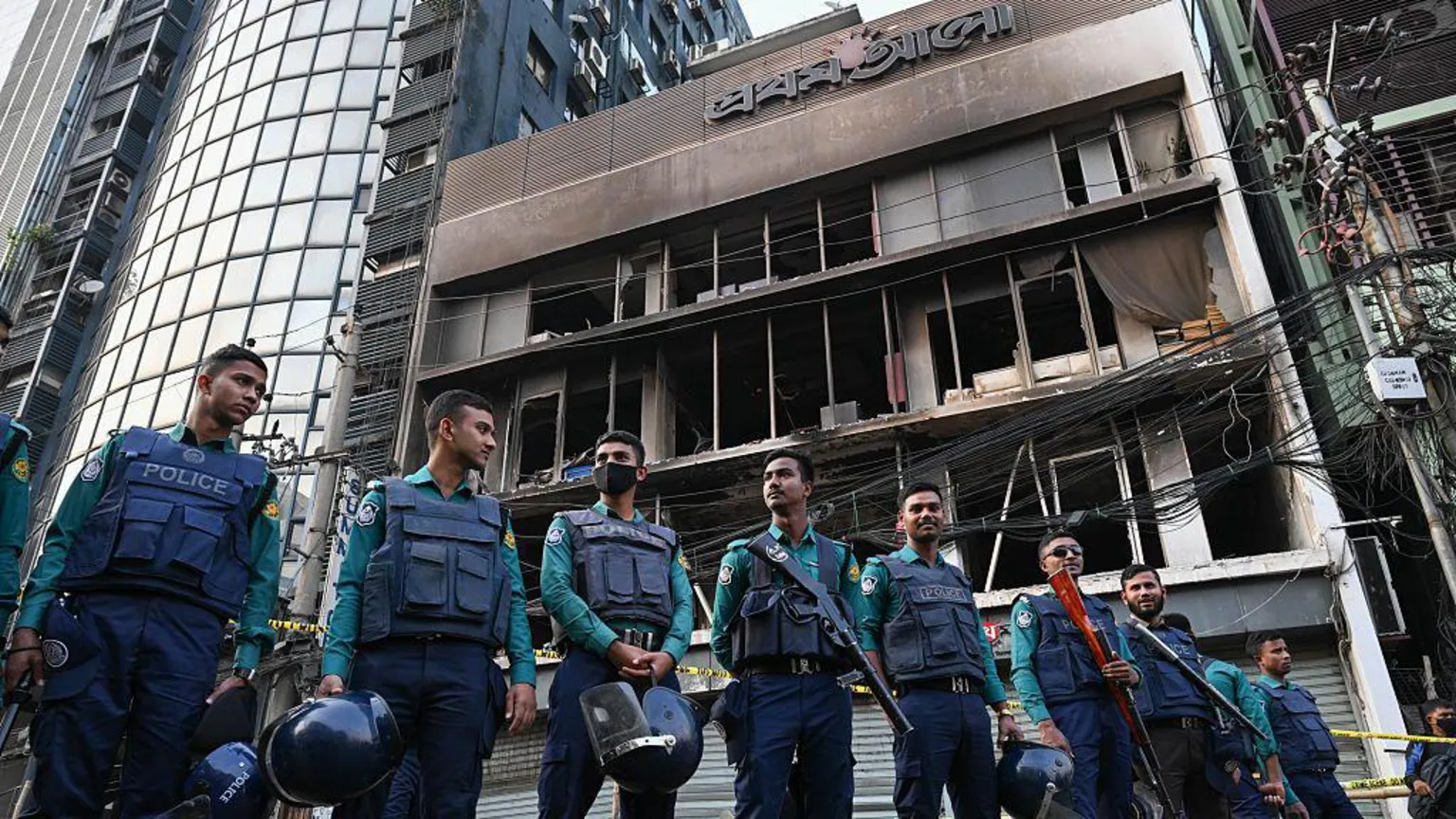
While Islam was still filing her story, warnings arrived that a crowd was advancing on Kazi Nazrul Islam Avenue, the media hub of the capital. Another mob was moving toward the offices of Prothom Alo, The Daily Star's sister newspaper and Bangladesh's leading Bengali-language daily.
Protesters accused the newspapers of "setting the ground" for Hadi's assassination—an unsubstantiated claim that inflamed an already tense political environment. Threats had been escalating since Hadi's murder, with social media posts branding the papers as "Indian agents" and accusing them of downplaying the killing, charges amplified by the leader's own anti-India rhetoric. Protests had already taken place outside their offices.
Despite the threats, Islam and her colleagues worked diligently to finish the paper.
"We don't stop the press. Not for nothing,"Islam said.
"If we stopped every time there was a threat, we wouldn't go to print on many days."
At five minutes past midnight, Islam submitted her story and went downstairs to the ground floor, being the last to turn off her computer. Then came the sound of bricks smashing glass.
"It wasn't sporadic. It was furious. You could tell there were a lot of people outside."
Some staff managed to escape the building, while others heard the escalating noise and retreated. Twenty-eight journalists and staff, including two women, remained inside. Some suggested locking themselves inside the newsroom, but Islam and others decided to move to an area with open air and easy access for fire services.
"We knew they would burn the building,"Islam said quietly.
"So we went up to the roof before the fire even started."
They climbed nine floors in darkness, with Islam still on the phone to police at 00:24 local time (18:24 GMT). By 00:50, thick black smoke engulfed everything.
"If I held my hand in front of my face, I couldn't see it. It wasn't grey. It was black."
On the rooftop—a small garden with large potted palms—they locked the iron door and dragged heavy planters to barricade it.
"Fire doors are never locked,"Islam explained.
"But in this case the mob were going to use the fire exit to reach us."
From the rooftop, the trapped journalists saw the mob gathering below but avoided the edges to prevent triggering motion-activated lights. Fifteen minutes later, the building was ablaze.
"I can't say exactly when they set it alight. What I know is this: by around 12:50, the smoke was so thick I couldn't see my own hand in front of my face,"Islam recalled.
The fire, ignited below, funneled smoke and flames up the elevator shaft. The staff soaked shirts and handkerchiefs in water to cover their mouths, lay flat to find cleaner air, and called to each other in the darkness, seeking pockets of breathable air.
Colleagues who had blended into the mob relayed frantic messages that some attackers carried firearms and crude bombs and were planning further assassinations. On the roof, some staff broke down, calling family members to say farewells and seek forgiveness. Islam did not. One man attempted to jump from the roof to a lower building but was stopped by colleagues.
"One colleague collapsed in front of me,"Islam said.
"That's when I got scared. I thought - we might see the first fatality."It was then she posted her desperate Facebook message amid the smoke and darkness.
At some point, Islam called her parents, who were at a family event outside Dhaka.
"There was no goodbye, no grand farewell. I kept it spare. I'm here. I'm stuck. We'll figure something out."
"Doing journalism in Bangladesh has never been about being safe. We are used to death threats. When we get them, we just take precautions,"Islam said.
Rescue and Aftermath
The army arrived at half past four in the morning, forming a cordon to hold back the crowd for a brief window. The trapped staff ran down the fire escape and scaled a wall at the rear. They descended nine smoke-filled floors without masks, using wet clothing to cover their faces. Firefighters had broken windows along the way, providing minimal relief.

At the building's rear, a ladder was propped against the wall, with a broken rickshaw van positioned below to break any fall.
"We climbed up and jumped onto the rickshaw,"Islam said. Some sustained injuries, as not all were young or agile, but there was no alternative after four hours trapped on the roof.
"The four hours felt like half an hour - everything was moving so fast. By the time I got out, my phone had long died. I couldn't believe it was nearly dawn. Up on that roof, it had felt like one endless midnight,"she recalled.
In a quiet side alley, the staff lay low while the mob ransacked the newsroom. Amid the chaos, they slipped away. Army vehicles transported them to a nearby camp. Islam returned home, contacted her parents, and briefly rested before seeking hospital treatment for carbon monoxide poisoning.
"I took a day off. I had a bit of carbon monoxide poisoning,"she said.
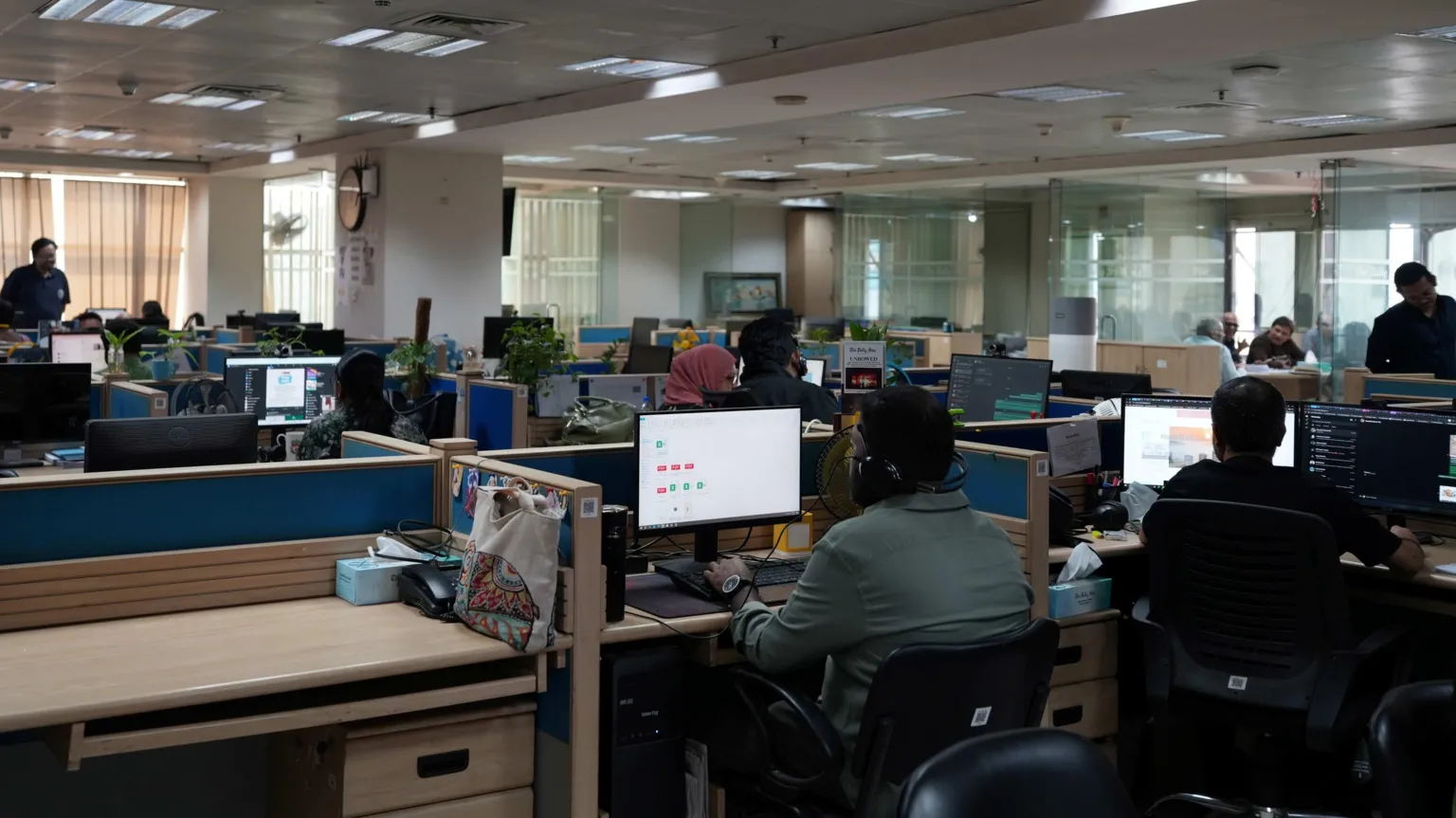
The Daily Star did not print the following morning, a first in its 34-year history, but the interruption lasted only 15 hours. The office was gutted and unusable, so staff worked remotely. Within two weeks, two editorial floors were repaired, and the team returned to their desks.
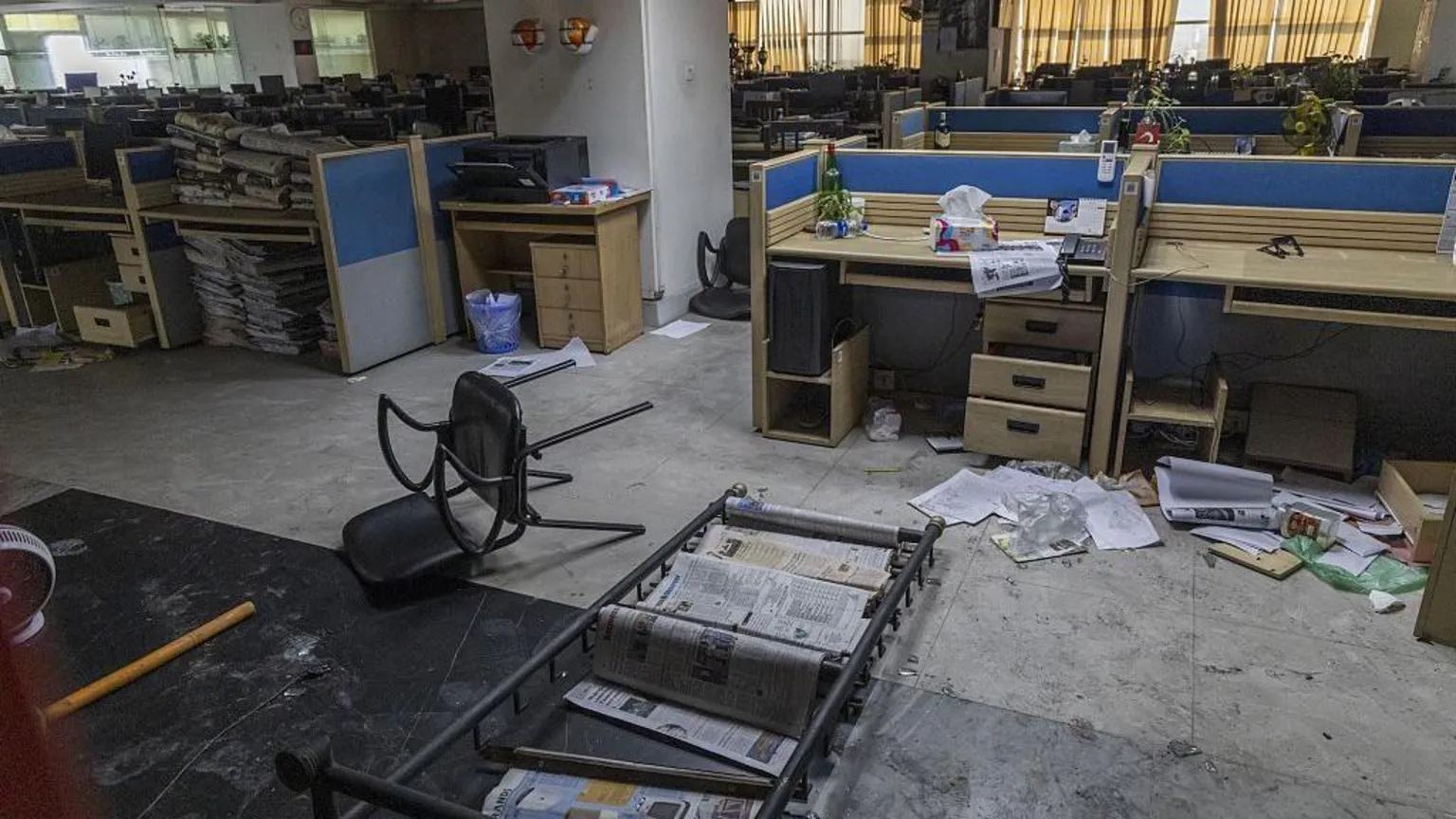
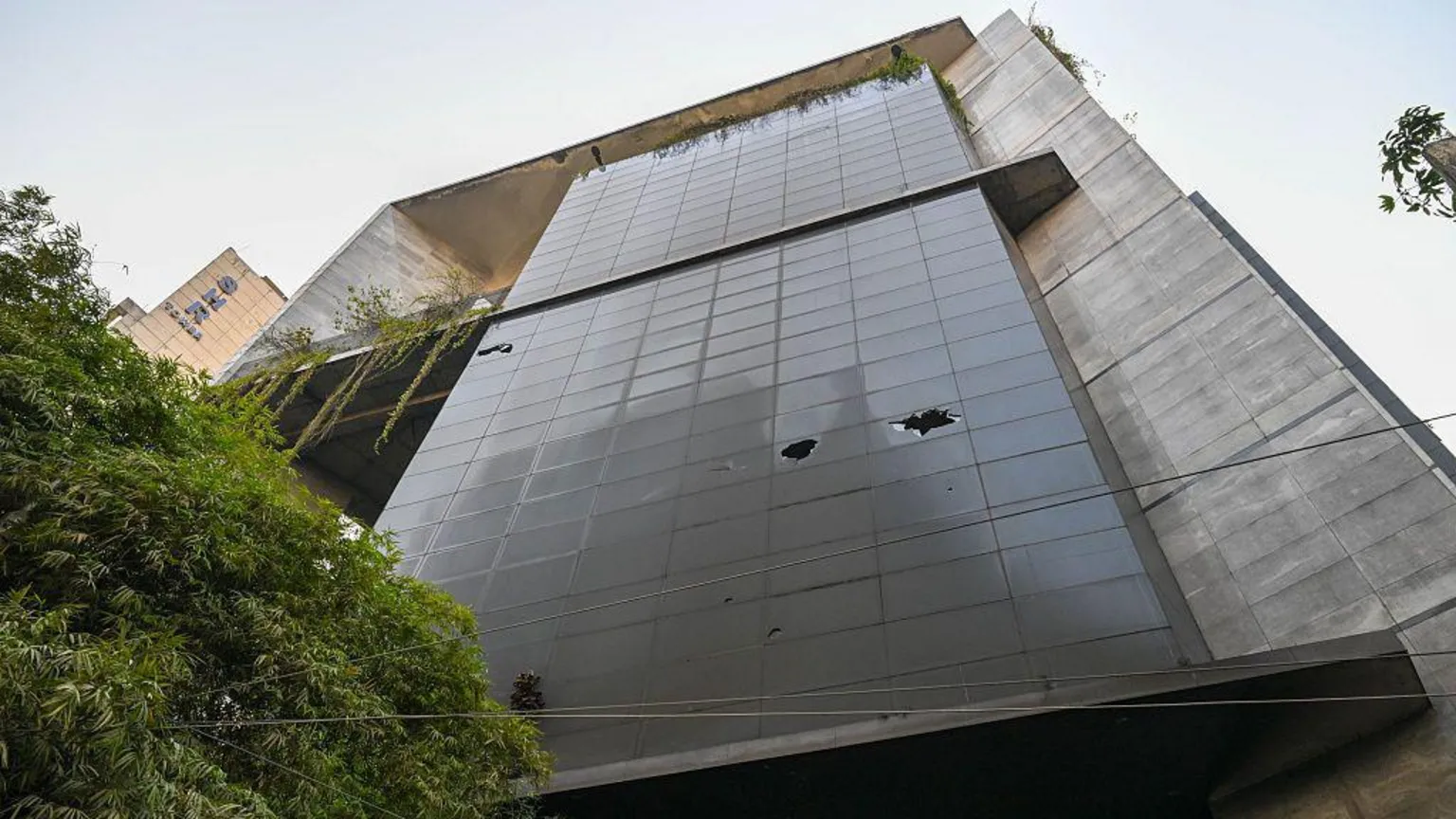
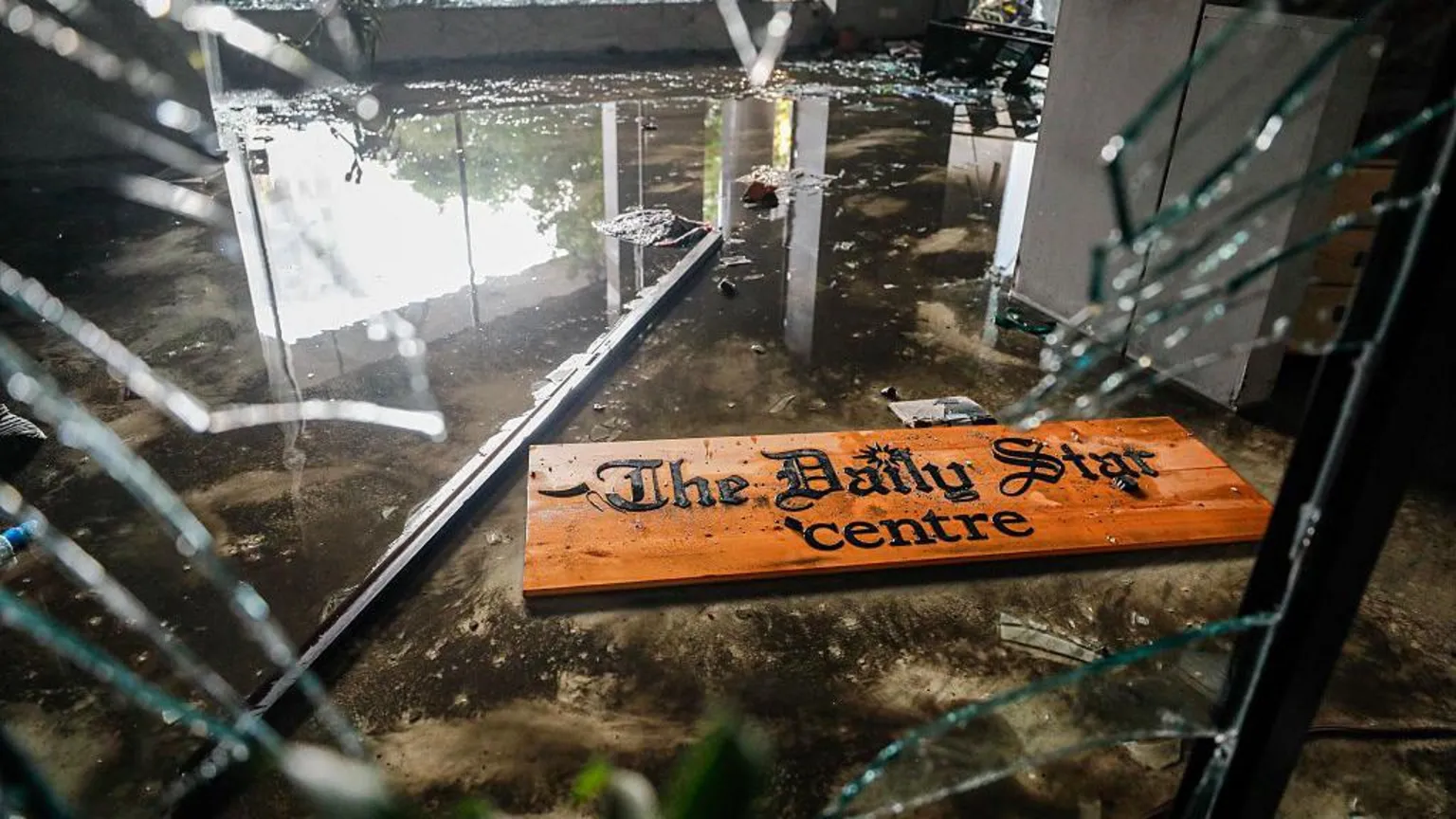
Nearly three months later, the building still bore scars of the attack: insurers sifted through debris, piles of shattered glass remained by the entrance, and the auditorium was a burnt-out shell. Foreign diplomats continued to visit, underscoring the attack's wider significance beyond the newsroom.
Below the roof where staff had sheltered, the mob unleashed what the paper later described as "nightlong mayhem".
Furniture was smashed, archives torched, a photo exhibition torn down and burned. The ground-floor auditorium was gutted, and the cafeteria looted. Stationery stores were set ablaze; the conference hall, library, and 100-seat auditorium vandalized; the video studio charred.
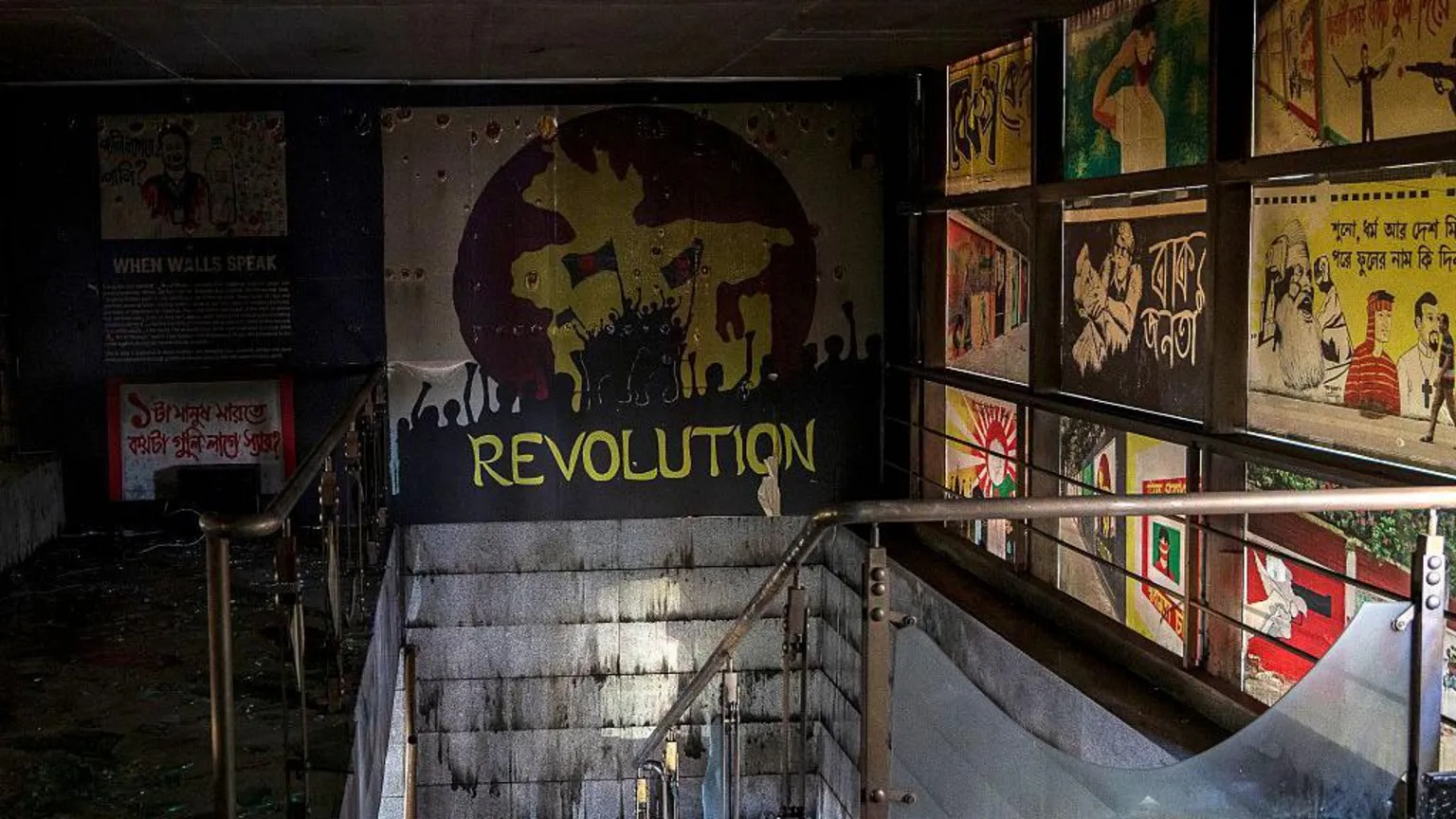
The photo department and 35 years of archives were stripped bare, with cameras and hard drives stolen. Administrative offices were looted, and attackers climbed as high as the seventh floor, smashing glass. Only thick smoke likely spared the server room.
Nevertheless, by the next day, reporters were working from home. Broken glass was replaced, laptops sourced, and the sixth-floor newsroom patched up.
The 20 December morning paper featured a single-word headline: "Unbowed." Much of the eight-page edition was written and edited by journalists who had spent the night on the rooftop.
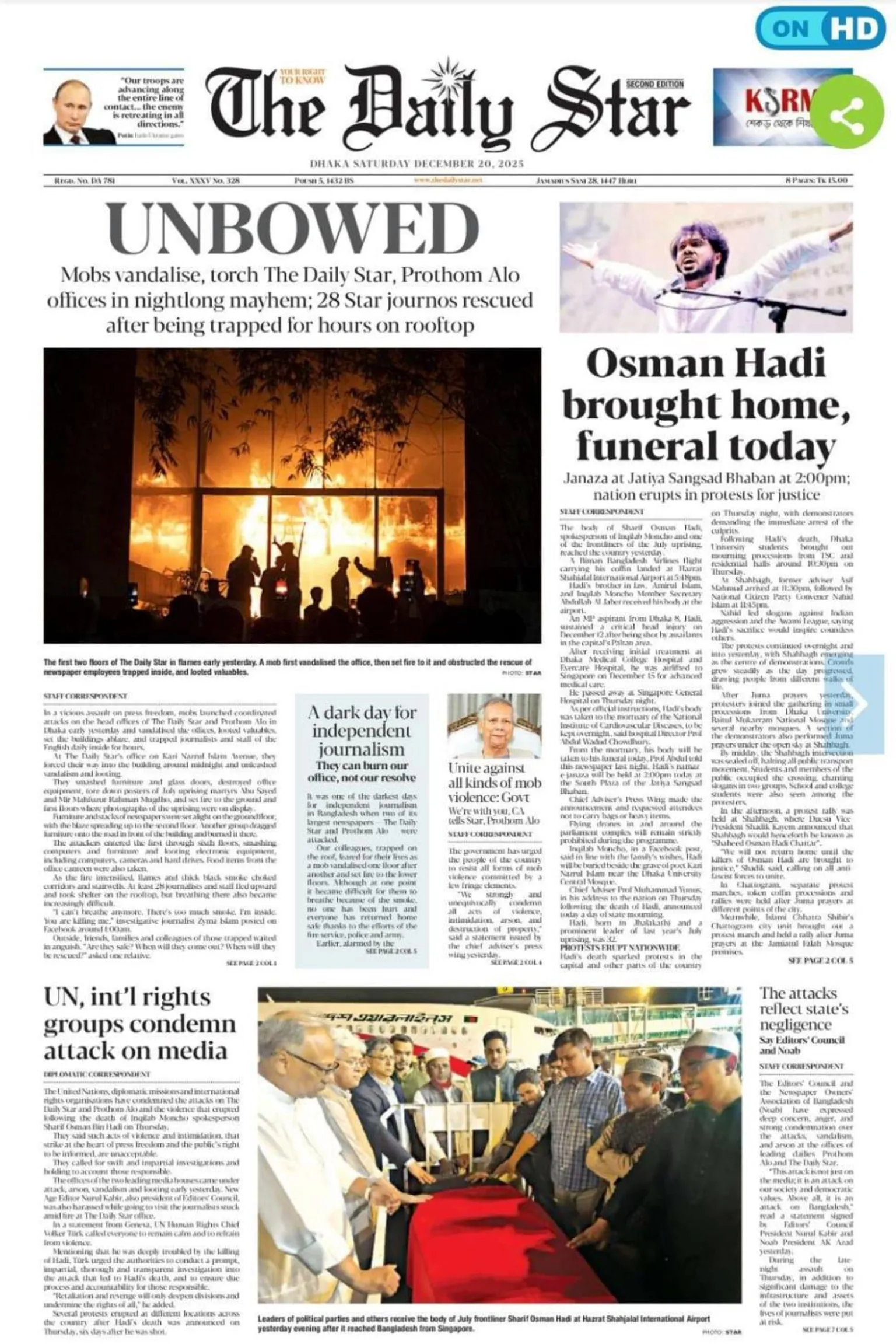
"Those people who were trapped there and were afraid for their lives started working after just 15 hours,"said Kamal Ahmed, the managing editor.
"This resilience - we are not going to give up."
The Daily Star estimates its losses at about $2 million—a steep toll for a single night of violence.
Nearly three months later, only 37 arrests have been made in the immediate aftermath—11 related to The Daily Star and 26 to Prothom Alo. Police have identified a man who incited the violence on social media but have yet to apprehend him. The full planning and motivation behind the attacks remain unclear.
Reflections on Press Freedom
When asked if the night of the attack was the most significant of her life, Islam shook her head.
"Bangladesh isn't a conflict zone. But it doesn't give the same rights and protections to its journalists the way democracies are supposed to,"she said.
"We got through one night. We can get through another."
Her concluding words sounded less like defiance than a resigned acceptance of the risks inherent in journalism in Bangladesh.