

International Rescue Effort Underway in Laos Flooded Cave
An Australian cave diver is among an international team assembled to rescue seven individuals trapped in a remote, flooded cave in Xaysomboun province, central Laos. The group had entered the cave over a week ago to hunt wildlife and search for gold when heavy rains blocked the entrance, leaving five survivors found alive while two remain missing.
Rescue teams, including some members who participated in the 2018 Tham Luang cave rescue in Thailand, are currently working to extract the survivors from the submerged passageways.
Kengkard Bongkawong, head of operations for Metta Tham Rescue, a Thai rescue organization, explained on social media that searching for the two missing men presents significant challenges. The search requires divers to navigate a 30-meter narrow tunnel, carefully checking for any intersections along the way.
“The next mission will be harder,” he wrote.
Extracting the five survivors is also difficult due to low oxygen levels, ongoing rain, and the lack of diving experience among those trapped.
Specialized Divers Deployed to Remote Jungle Site
On Friday, divers with specialized skills for navigating extremely narrow cave conditions were flown in from various countries. They are being transported by military helicopter to the remote jungle terrain where the trapped men are located.
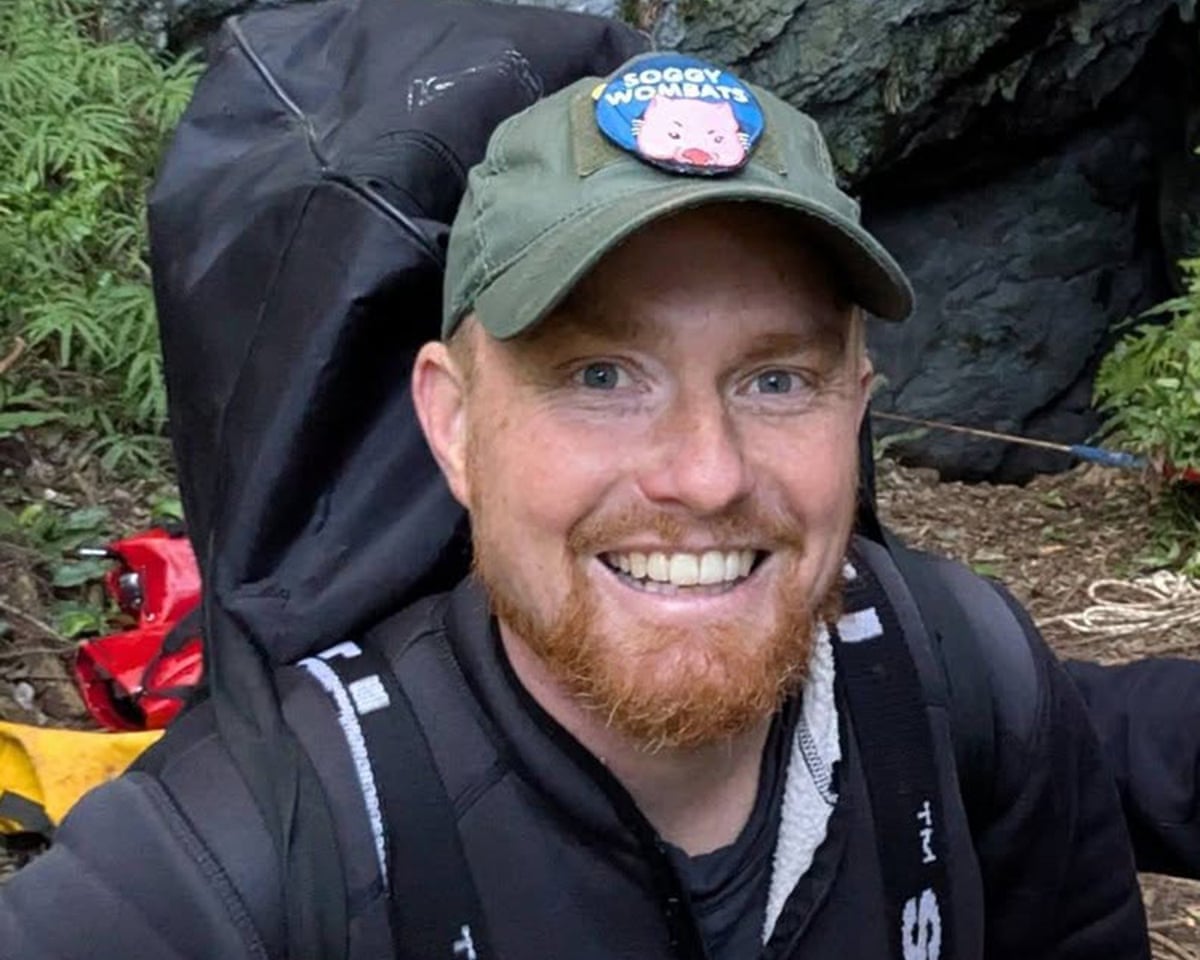
Australian cave diver Josh Richards, leader of the Soggy Wombats cave exploration team in Australia, arrived on Friday to assist with the rescue operation.
“It’s pretty awful, by the looks of things,” Richards said. “We’re predominantly dealing with clay and mud walls, which are particularly unstable and unpleasant. That mud and clay also [affects] the water; you’re essentially diving in coffee. You’re not going to be seeing anything through it.
“It’s all being done by touch and feel, following the lines that have been laid through the mine.”
Richards described himself as not physically large and noted that the international divers supporting the mission are similarly small and light, with extensive experience squeezing into confined underground spaces.
“I’m very comfortable underwater with a regulator in my mouth, twisting and turning and doing all those bits and pieces, contorting myself around in order to get into particularly nasty places,” he said. “And unfortunately, this mine sounds like it’s one of them.”
Additional diving specialists have reportedly arrived from Japan, Indonesia, Thailand, and France, with a Malaysian diver joining the mission on Thursday.
Richards stated that the rescue plan is currently being developed collaboratively among the divers to ensure maximum safety for all involved.
“There’s a lot of different ideas being thrown around.”
Dual Approach: Pumping Water and Diving Through Flooded Sections
Because parts of the tunnel between the trapped miners and the surface are fully flooded, the rescue team is attempting to pump out as much water as possible while preparing for diving operations.
“If they’re not able to pump all that water out, and there are sections that are completely flooded, that’s … why we need to be there to potentially get these folks through short sections, where they’ll be using scuba equipment,” Richards explained, “and they almost certainly have never used scuba equipment before in their lives.”
Comparisons and Differences with 2018 Tham Luang Rescue
Richards noted similarities and significant differences between this rescue and the 2018 Tham Luang cave rescue in Thailand.
The Laos cave is considerably smaller in length and tunnel size. The Tham Luang cave extends for kilometers and contains multiple air chambers where rescuers could establish base stations. While Thai rescuers managed to pump out large volumes of water, they also contended with much more flooding.
“This site is about 350m long. It is much, much smaller, but at the same time, the actual tunnels that we’re trying to squeeze down into are considerably smaller again,” Richards said.
“So, there’s similarities in that you’ve got a group of folks who are not trained cave divers, but are stuck in a cave, and flooding is a concern, but it is a radically different environment that we’re dealing with, and also not dealing with kids is another factor.”
Logistical Support and Terrain Challenges
Heavy machinery is being used to clear a route to the cave site to facilitate the transport of equipment necessary for the rescue operation.
Additional reporting by Rebecca Ratcliffe.


