Samsung Galaxy S26 Ultra Review: Privacy Display and Premium Features
Samsung’s newest Ultra model aims to protect users from shoulder surfing with an innovative privacy display integrated into its expansive 6.9-inch screen.
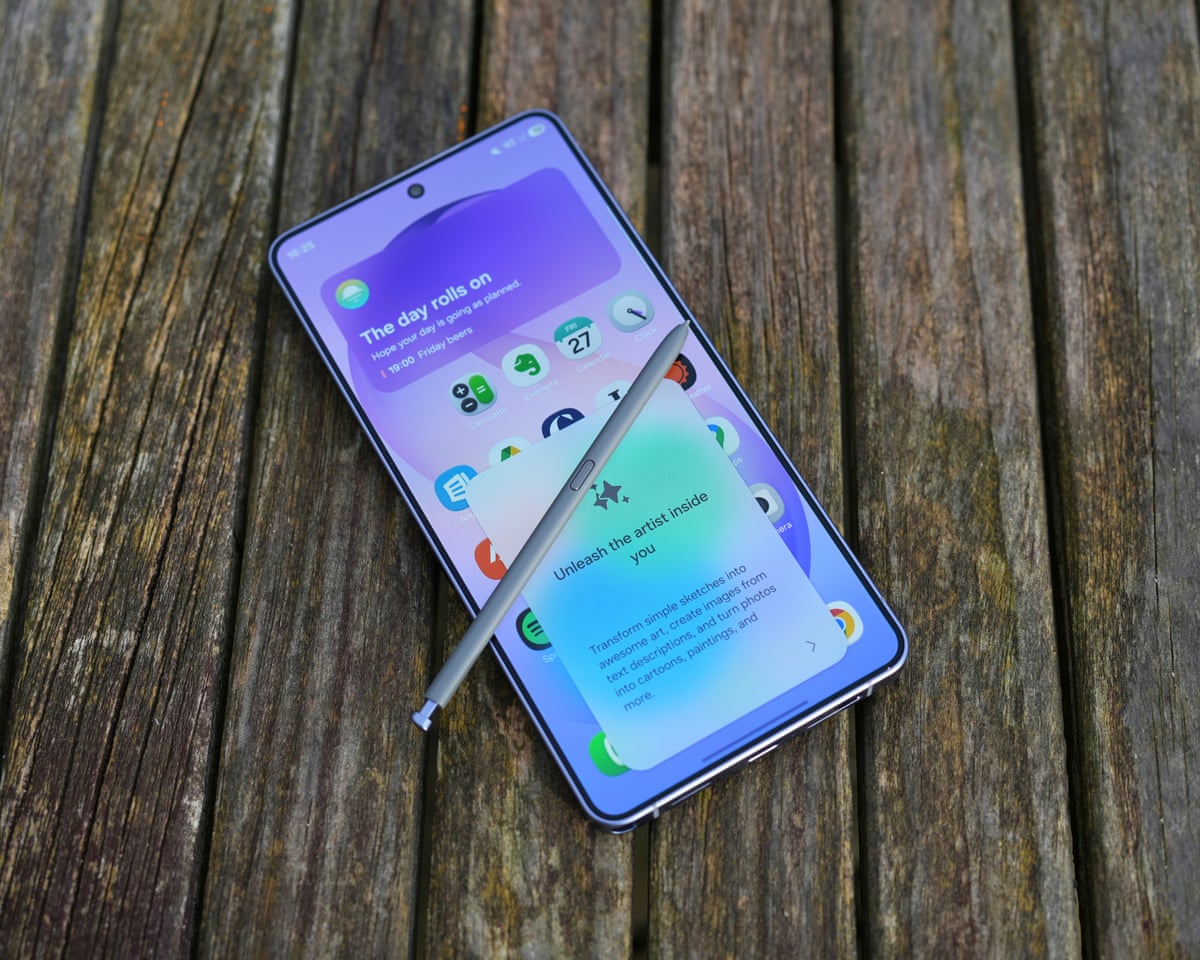
The Galaxy S26 Ultra stands as Samsung’s flagship device, priced at £1,279 (€1,449/$1,299/A$2,199). It is among the most feature-rich smartphones available, boasting a quad-camera setup, an integrated stylus, and AI assistance embedded throughout the system.
This includes a selection of three built-in AI chatbots, such as Google’s Gemini, Samsung’s updated Bixby, and additional AI enhancements. New predictive AI features align the Galaxy S26 Ultra with Google’s leading Pixel phones.
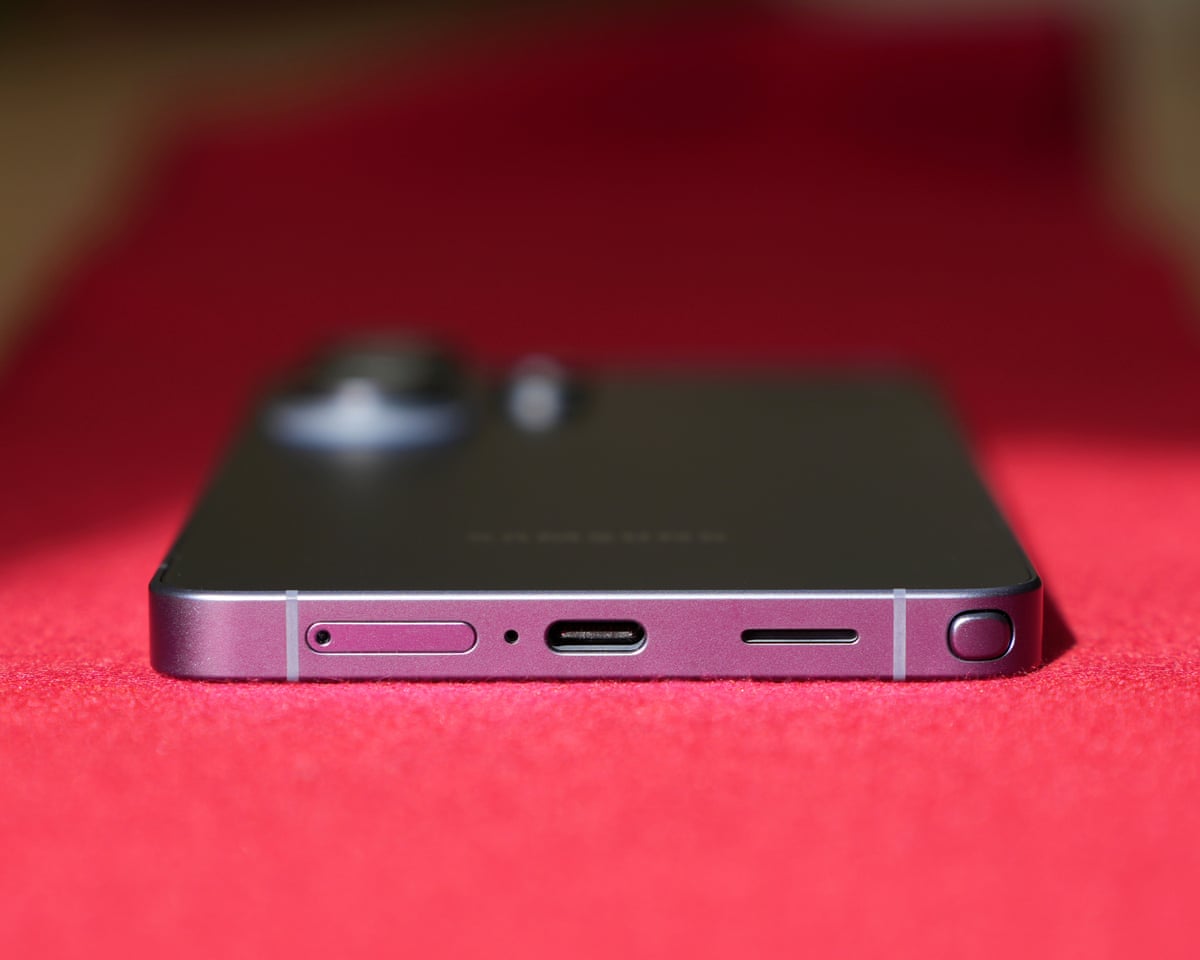
The design has evolved from previous generations, with softened corners that bring the Ultra’s appearance closer to other S26 models. This change results in a more generic look, losing the distinctive monolithic slab aesthetic. The sides are now made of aluminum, replacing the titanium used previously, which, while attractive and premium-feeling, was softer and more prone to marks.
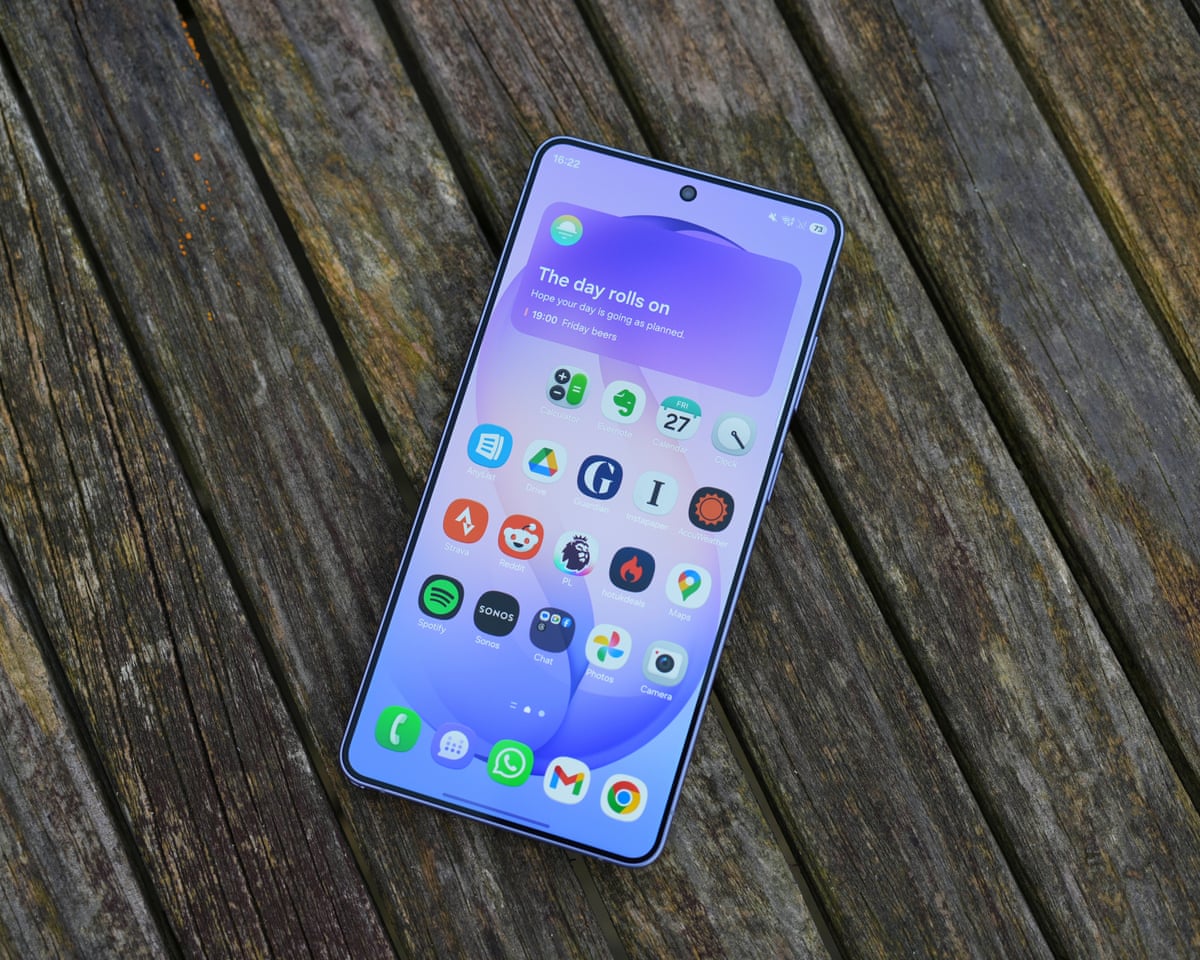
The new Ultra is 4 grams lighter and slightly thinner, though the camera module protrudes significantly from the back. The device is large and generally requires two-handed use, but its massive screen is exceptional—bright, sharp, and smooth—making it ideal for video viewing and gaming.
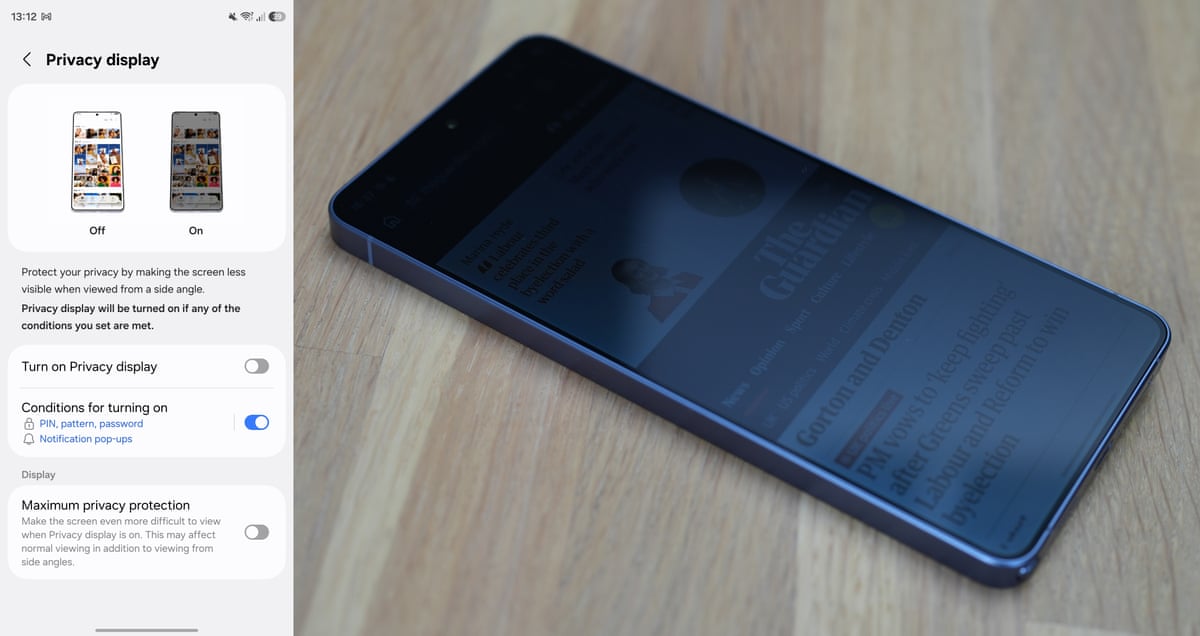
Most notable is the display’s new privacy feature that deliberately narrows viewing angles, making it difficult to read the screen unless viewed straight on. This technology, common in business laptops, is a first for smartphones without the need for additional screen films.
The privacy mode can be toggled on or off via quick settings, offering two intensity levels. It can also be activated selectively for specific tasks, such as when using banking apps or entering PINs and passwords on the lock screen. Users can configure it to block only notifications while keeping the rest of the screen visible.
While it does not prevent someone directly behind the user from seeing the screen, it effectively blocks others from viewing content.
Good Software but Mixed AI Tools
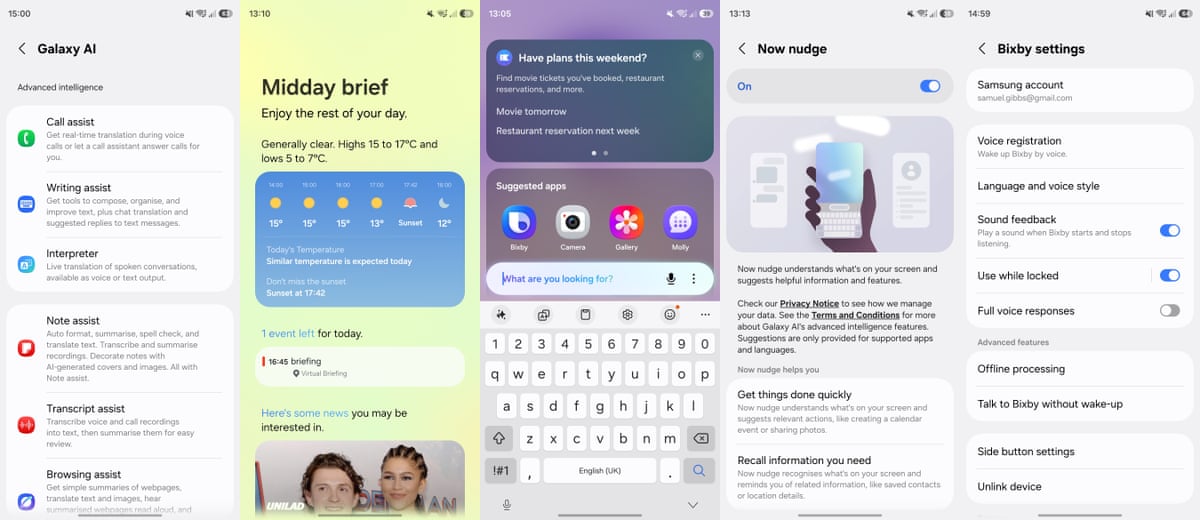
The Ultra operates on One UI 8.5 (Android 16) out of the box, featuring extensive generative AI capabilities. Many smaller functions perform well, including transcription, image editing, and text manipulation tools. The Call Assist feature helps block spam by answering calls and querying the caller’s purpose, a functionality also found on Pixel and iPhone devices.
The most intriguing AI addition is Samsung’s version of contextual assistance called “Now Nudge,” which aggregates data from various apps to provide timely suggestions above the keyboard in messaging apps. It recommends recent photos, calendar events, locations, and other relevant information. While promising, it remains limited compared to competitors like Magic Cue.
Bixby has been improved and can perform phone actions such as toggling settings, but it delegates other requests to Perplexity. Although functional, with Gemini integrated, the necessity of Bixby is questionable.
Samsung commits to providing software updates, ensuring one of the longest support periods available for smartphones.
Specifications
- Main screen: 6.9-inch QHD+ Dynamic AMOLED 2X (500ppi) 120Hz
- Processor: Qualcomm Snapdragon 8 Elite Gen 5 for Galaxy
- Operating system: One UI 8.5 (Android 16)
- Camera: 200MP + 50MP 0.6x + 10MP 3x + 50MP 5x; 12MP front-facing
- Connectivity: 5G, USB-C, Wi-Fi 7, NFC, Bluetooth 6, UWB, GNSS
- Water resistance: IP68 (1.5m for 30 minutes)
- Dimensions: 163.6 x 78.1 x 7.9mm
Performance, Battery Life, and Charging
The device is powered by the fastest Android chipset available, a customized Qualcomm Snapdragon Elite Gen 5, delivering excellent performance across all tasks, particularly gaming and other demanding applications.

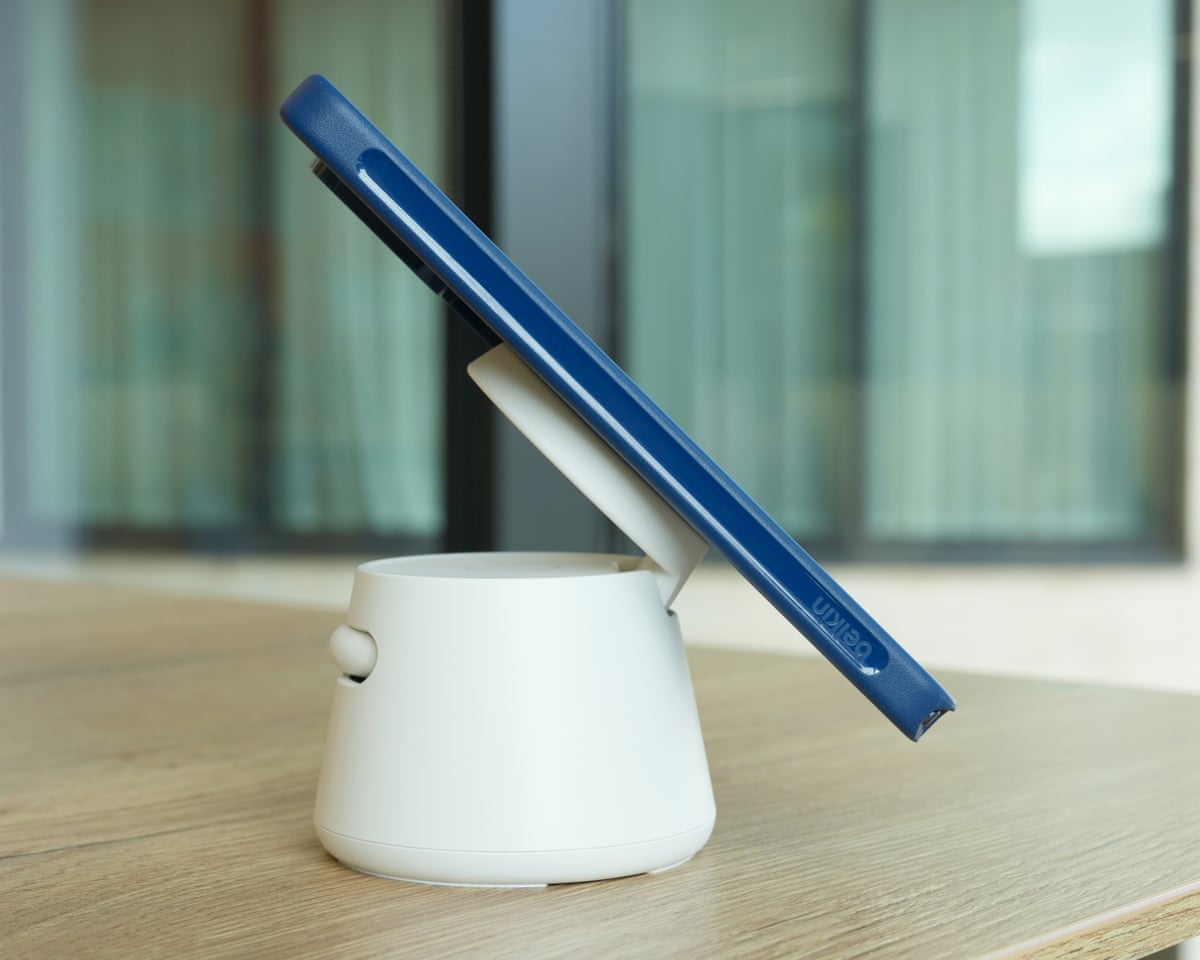
Battery life is equally impressive, lasting approximately two days with active screen usage of about eight hours across mixed Wi-Fi and 5G connectivity. This endurance makes it suitable even for intensive daily use, including gaming.
Sustainability
Samsung supports screen repairs and battery replacements for the device. The company also offers trade-in programs.
The phone contains 17.7% recycled materials. Samsung provides recycling and trade-in options for old devices and publishes sustainability reports and impact assessments.
Camera System
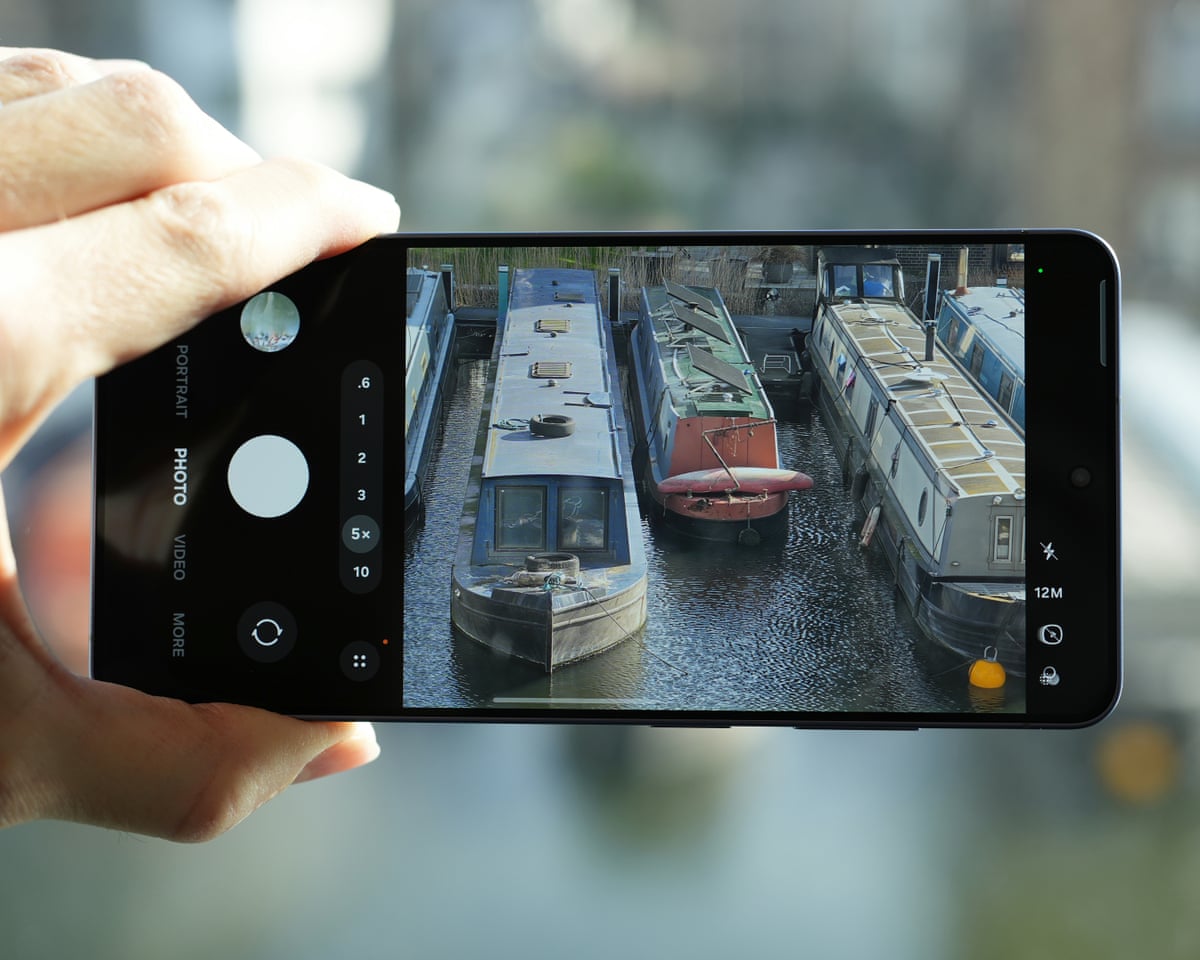
The Ultra’s four rear cameras offer greater versatility than many competitors. This year, Samsung upgraded the lenses on the 200MP main and 50MP 5x telephoto cameras to capture significantly more light. This results in brighter, more detailed images in low-light conditions and sharper shots of moving subjects due to faster shutter speeds.
The 50MP ultra-wide camera remains one of the best available on smartphones, delivering detailed close-up shots. The main camera defaults to 12MP photos, producing high-quality images with ample detail. It can also capture 50MP or 200MP images and offers a solid 2x crop zoom. Beyond this, the 10MP 3x telephoto lens is used, though it is the weakest of the four cameras.
The 5x telephoto camera features a faster lens, improving depth of field and producing pleasing bokeh effects for portraits without relying on Samsung’s artificial portrait mode. It can zoom up to 10x optically before switching to digital zoom, which extends to 100x but image quality degrades noticeably beyond 30x.
The camera system captures some of the best smartphone video across various scenarios. The new horizontal lock feature stabilizes video effectively, similar to an action camera, although it switches to the ultra-wide camera during stabilization, which slightly reduces quality.
Pricing and Comparison
The Samsung Galaxy S26 Ultra starts at €1,449. For comparison, the regular Galaxy S26 is priced lower, the S26+ costs less, and the Apple iPhone 17 Pro Max is also a competitor in this premium segment.
Conclusion
The Galaxy S26 Ultra remains the most capable slab-style smartphone, packed with an unmatched set of features. For users seeking a comprehensive Android device, it is an excellent choice.
Its four rear cameras provide adaptability, with faster lenses enhancing low-light performance and depth of field. The expansive screen, long battery life, and fastest Android chipset make it a powerhouse. The stylus, while seemingly secondary, proves valuable for quick sketches or form filling on the go.
The additional AI tools are inconsistent, but proactive AI features like Now Nudge show promise, unlike the extra built-in chatbots. The privacy display stands out as Samsung’s key innovation, effectively blocking phone snoopers, though it may not excite all users.
For owners of recent flagship phones, including previous S-series models, the S26 Ultra may not represent a significant upgrade. However, for others, it is the best Android smartphone to start 2026.
Pros: Huge 120Hz screen with privacy display, highly capable camera with 5x+ optical zoom, robust software with seven years of support, fastest Android chip, long battery life, latest AI features, integrated stylus.
Cons: Large size, very expensive, incremental upgrade over predecessors, AI features somewhat overhyped, more generic design.