

Sustainable smartphone takes a step forward with modular accessories, a good screen and mid-range performance
The Dutch ethical smartphone brand Fairphone returns with its sixth generation model, aiming to make its repairable phone more modern, modular, affordable, and appealing. It features screw-in accessories and a user-replaceable battery.
The Fairphone 6 is priced at £499 (€599), making it more affordable and positioning it against budget competitors such as the Nothing Phone 2 and the Google Pixel 7a. It offers home repairability, long-term software support, and a five-year warranty. On paper, it appears to be an ideal phone to last through the decade.
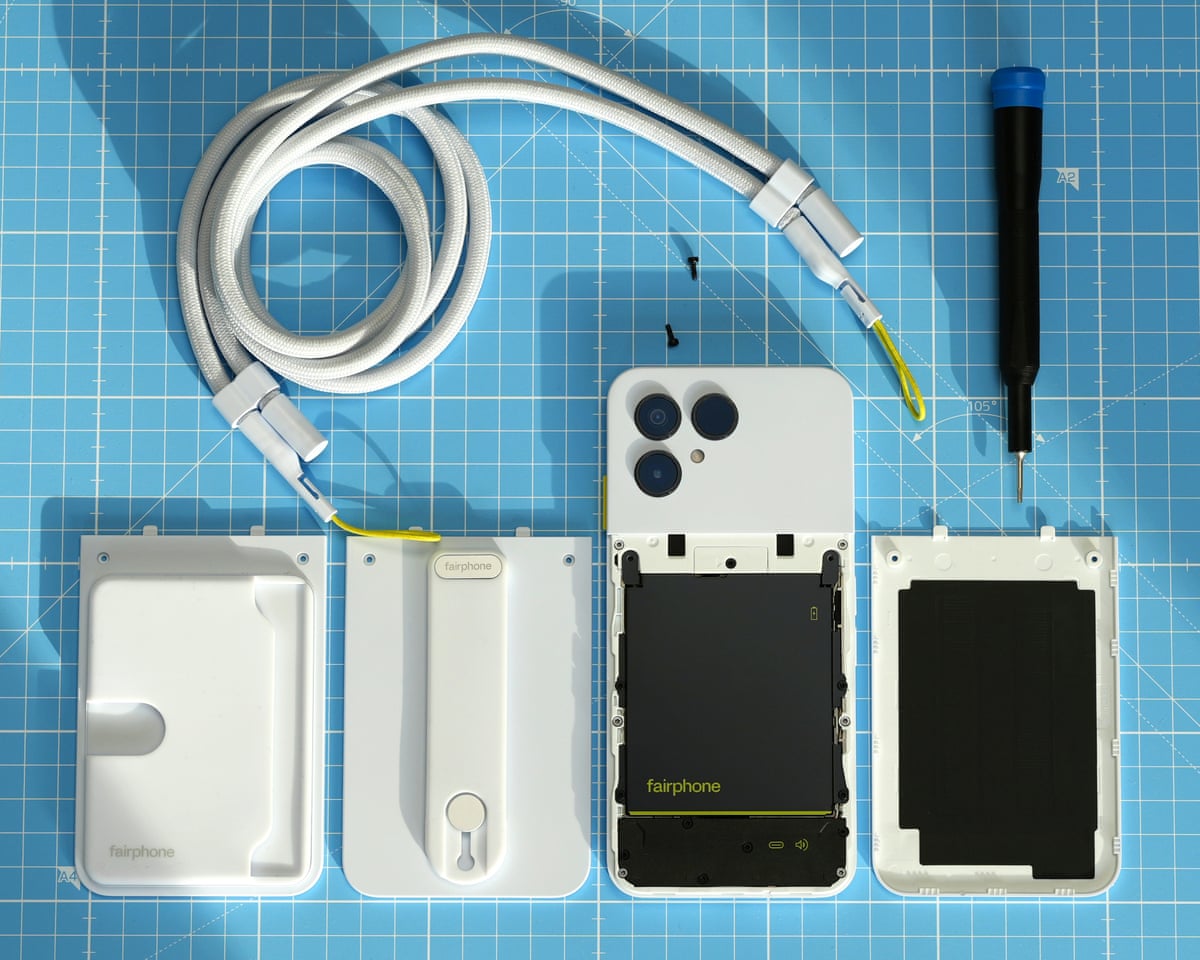
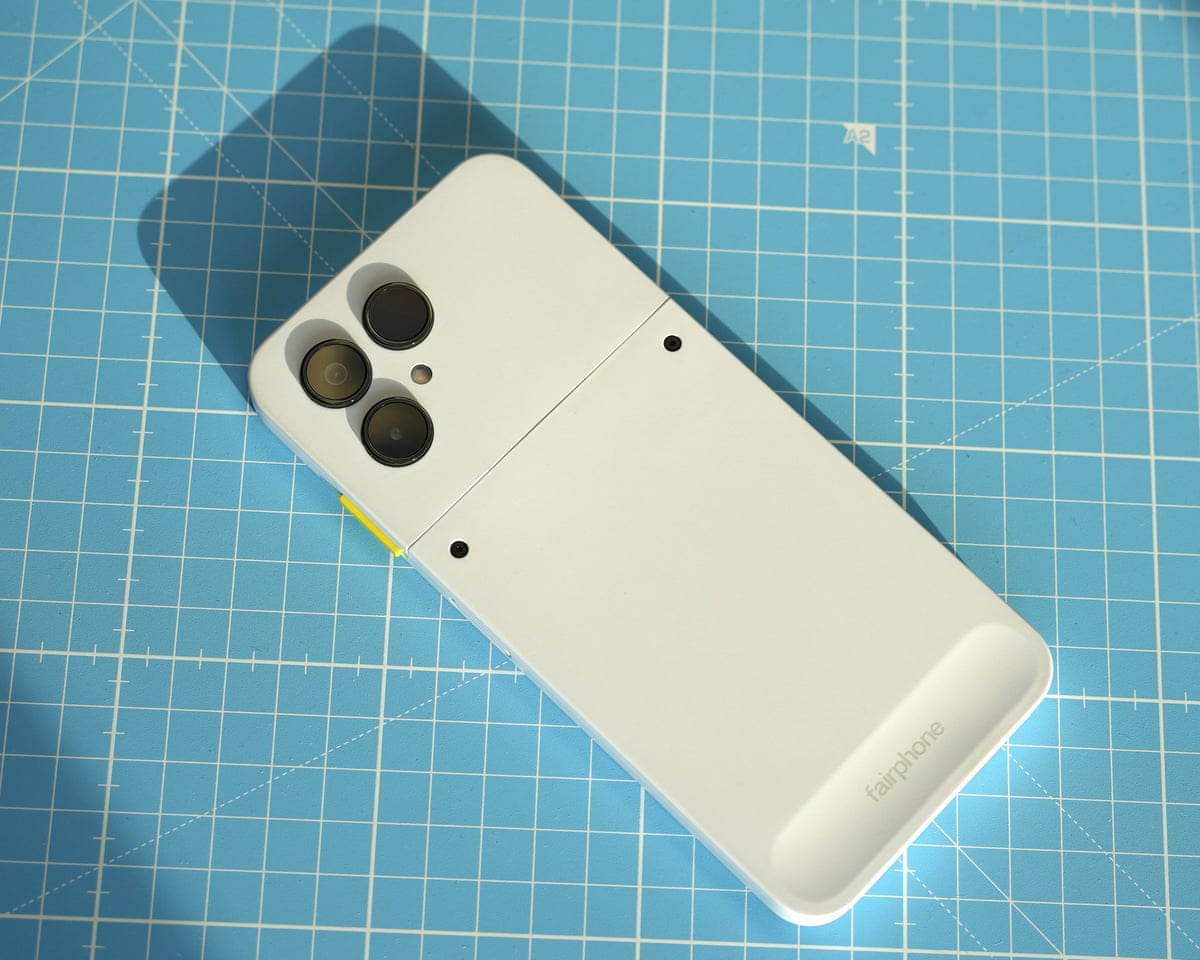
The new Fairphone has a sleeker design than its predecessors, with a modern 6.3-inch 120Hz OLED screen on the front and a recycled plastic body that feels solid and high quality. It is available in off-white (as tested), green, or black. The phone is water-resistant against rain and splashes but not suitable for immersion, so it should not be dropped in water.
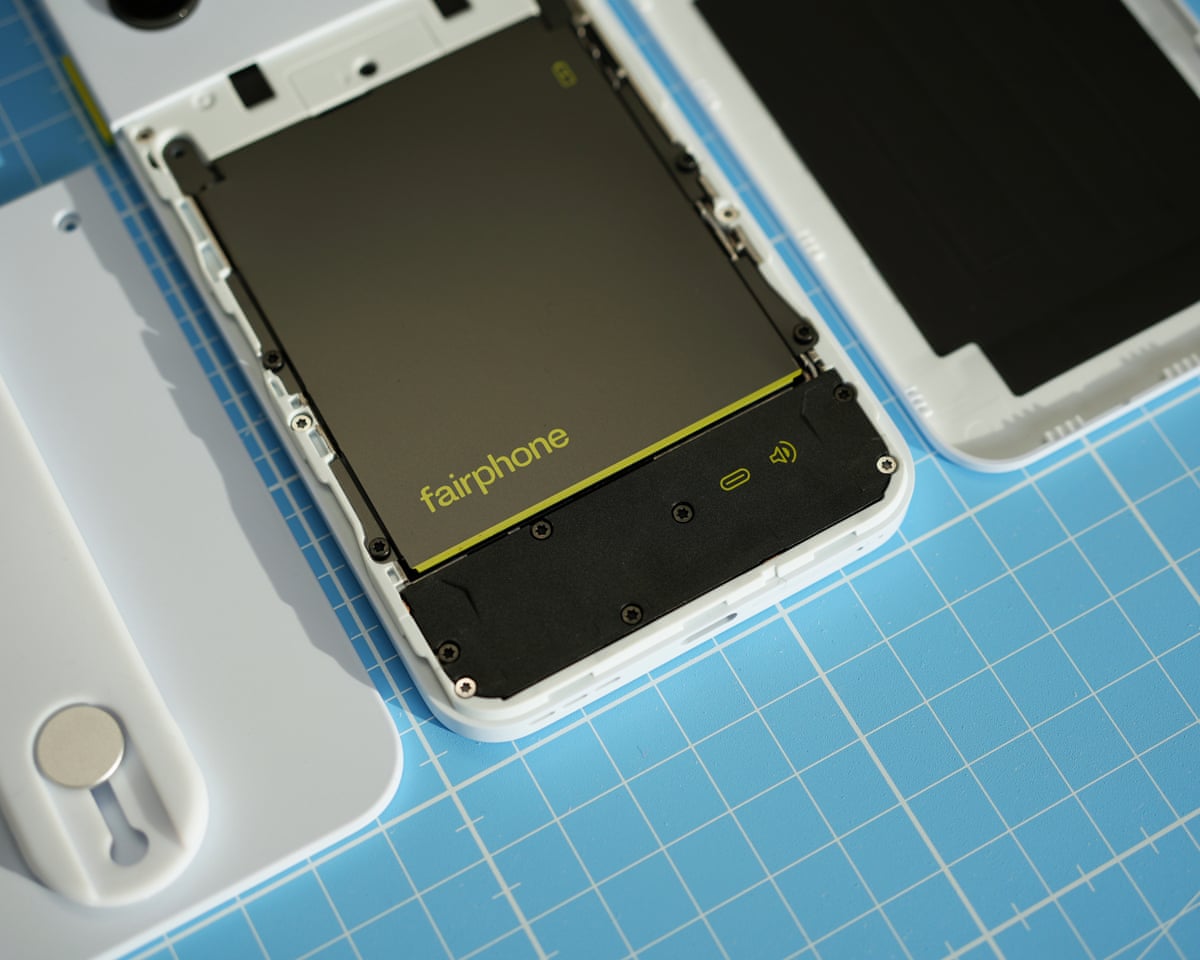
The back plate is secured by two exposed screws and conceals the battery and other modular components, which can be unscrewed and replaced at home if necessary.
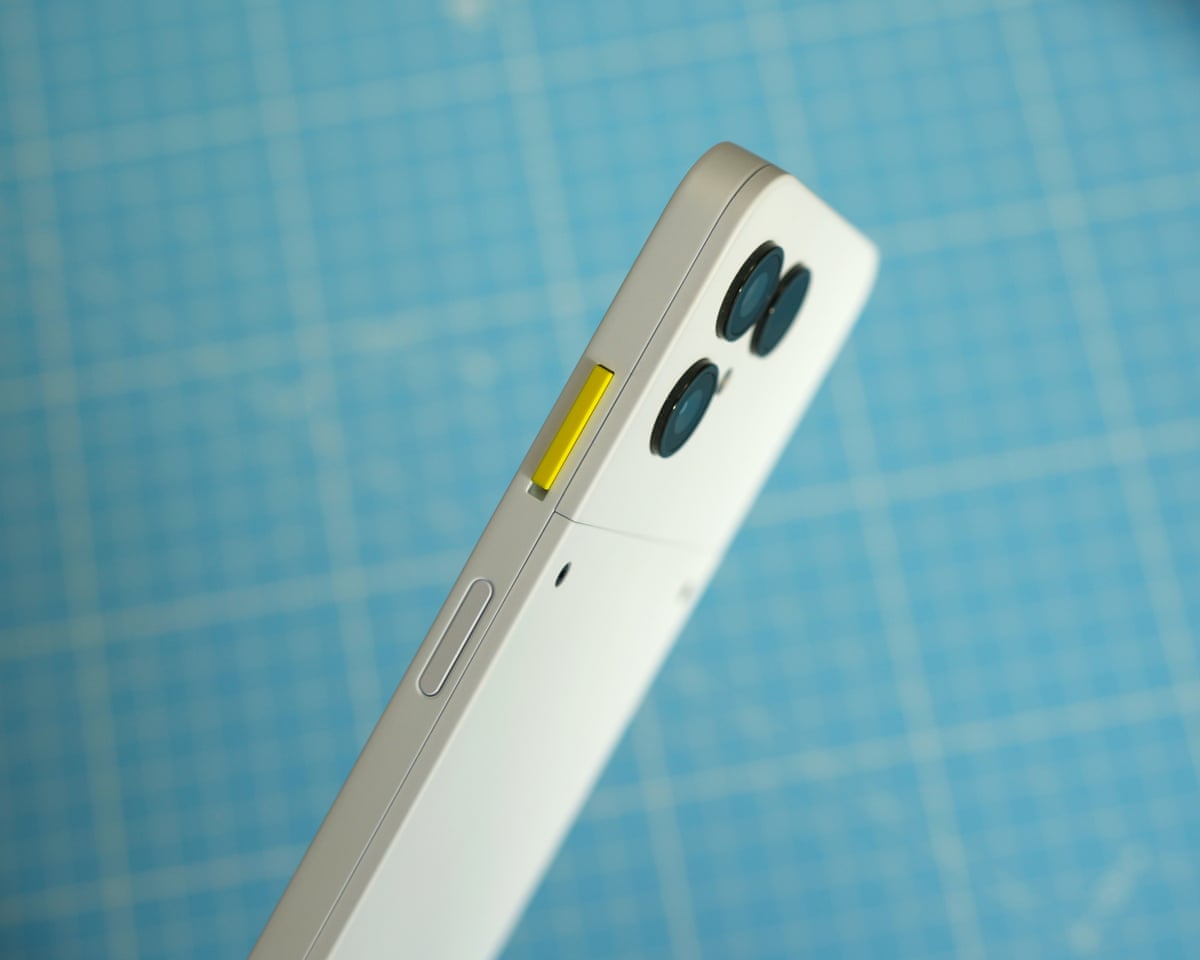
The power button doubles as a fingerprint scanner but is quite slim and flush with the side, making it harder to press. The volume buttons are located directly opposite the power button, precisely where fingers grip the phone, leading to frequent accidental presses that trigger unwanted screenshots or the power-off and restart menu. They are also easily pressed when removing the phone from a pocket, increasing volume unintentionally.
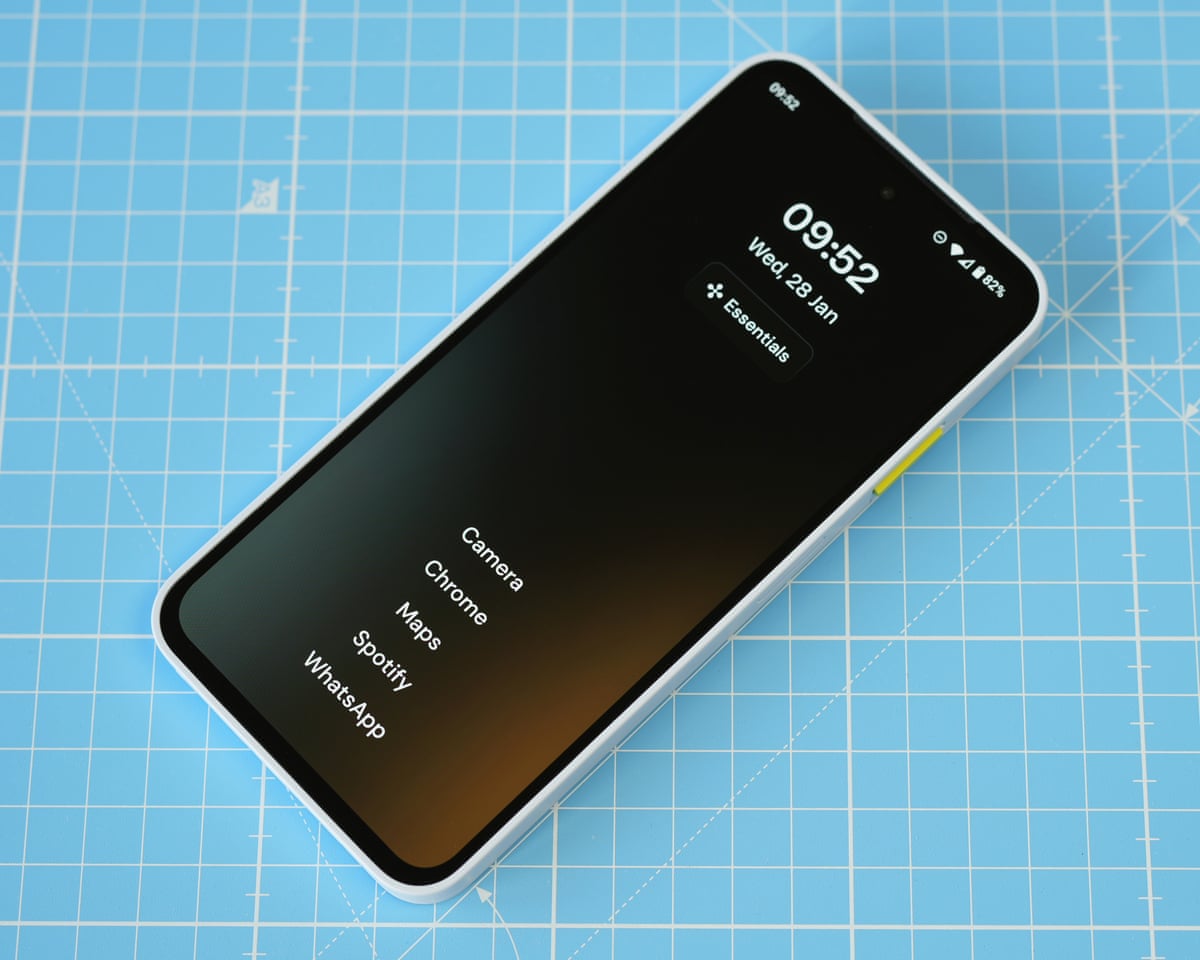
Above the power button on the right side is a large, colorful switch that activates "Moments" mode, which blocks notifications and replaces the standard Android home screen with a simple list of essential apps. This feature aims to reduce distractions. However, swiping up to exit an app briefly shows the regular home screen, making the implementation feel somewhat improvised. The switch can be reassigned to other functions, including activating “do not disturb” or the torch.
Specifications
- Screen: 6.31in 120Hz FHD+ OLED (431ppi)
- Processor: Qualcomm Snapdragon 7s Gen 3
- Camera: 50MP main, 13MP ultrawide, 32MP selfie
- Connectivity: 5G, eSIM, Wi-Fi 6E, NFC, Bluetooth 5.4, GNSS
- Water resistance: IP55 (splash/rain)
- Dimensions: 156.5 x 73.3 x 9.6mm
Mid-range power with expandable storage
The Fairphone 6 is powered by the mid-range Qualcomm Snapdragon 7s Gen 3 chip, the same as found in the Nothing Phone 2. While it does not match the performance of flagship devices, it generally feels responsive and handles light gaming and most tasks adequately. More demanding games may challenge the device. It includes 256GB of internal storage and a rare microSD card slot for additional storage expansion.
Battery life is reasonable but not exceptional, lasting approximately 35 hours between charges with about four to five hours of active screen use across 5G and Wi-Fi. The phone should last through most heavy-use days but will require nightly charging.
Sustainability
The battery is designed to retain at least 80% of its original capacity after 1,000 full charge cycles and can be replaced at home using a single screwdriver, along with other modular components. Batteries cost around £25, screens approximately £100, and the main camera about £40. The phone was rated highly for repairability by specialists at iFixit.
The handset is constructed using recycled and fair materials, and Fairphone publishes its supply chain details to promote transparency.
Barebones Android 15
The device runs either standard Android 15 with Google services, as reviewed, or a privacy-focused, open-source version of Android without Google services called /e/OS. Unfortunately, the Fairphone 6 does not run the latest Android 16 but will receive updates until 2033, providing about a year longer support than many mainstream phones.

The software is generally uncluttered with minimal customization, which is mostly positive. However, it lacks some of the features and polish found in Samsung, Google, and other manufacturers’ software.
Notably, the phone does not include the artificial intelligence features common in other devices. It includes Google’s Gemini chatbot assistant but lacks the ability to activate it via voice while the phone is locked. The Fairphone also does not support Google’s excellent call screening feature, which is common on many other phones.
Recent updates have addressed some bugs, including one causing screen stuttering after waking from standby. Nevertheless, the software still lacks the refinement expected from a modern smartphone.
Camera performance
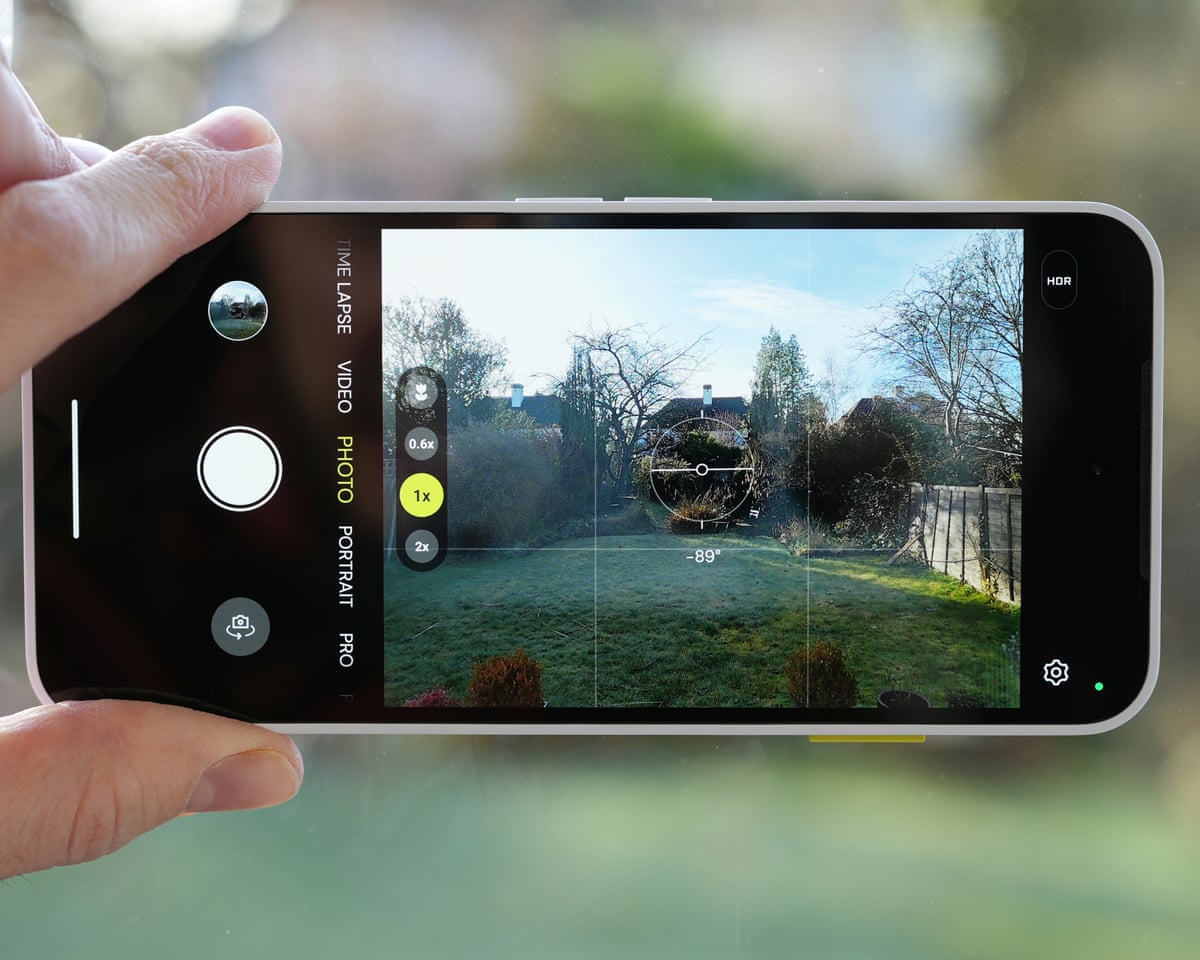
The Fairphone 6 has two rear cameras and one front-facing selfie camera embedded in the screen. The main 50-megapixel camera produces good photos in bright light but struggles with high contrast scenes, often misjudging white balance or producing washed-out images. The night mode is usable but does not match the quality expected from contemporary smartphones.
The 2x digital zoom delivers reasonable results, but extending to 10x zoom introduces significant artifacts. The 13-megapixel ultrawide camera produces decent photos in good lighting, with solid detail in the center of the frame, although edges appear somewhat soft. The macrophotography mode can yield excellent close-up images with practice. The 32-megapixel selfie camera takes good photos for the price.
Overall, the Fairphone 6 offers the best camera the company has produced to date and is adequate for general use but does not compete with similarly priced rivals.
Pricing and comparison
The Fairphone 6 is priced at €599. For comparison, the Nothing Phone 2 costs around €570, the Google Pixel 7a approximately €499, and the Samsung Galaxy A54 about €450.
Conclusion
The sixth-generation Fairphone advances the company toward the mainstream with a solid mid-range Android device that includes the benefits of a modular, repairable, and more ethical design.
It sacrifices some premium features to offer a lower price than its predecessors while maintaining a good screen, attractive design, and reasonable battery life. The inclusion of a microSD card slot for expandable storage is a rare feature in 2026.
The camera is serviceable but not among the best available for the price. The software is basic Android 15, not the latest version, somewhat rough around the edges, and lacks AI enhancements aside from Google’s Gemini chatbot. However, Fairphone is gradually addressing bugs and will provide support until 2033. The distraction-free Moments mode switch is a useful addition. The processor is adequate now but may become outdated over an eight-year lifespan.
The fingerprint scanner is suboptimal, and the placement of the power and volume buttons is an inconvenient design flaw. While few phones offer such a repair-friendly design, many mainstream devices now provide comparable software support durations.
The Fairphone 6 is the best, least-compromised phone the company has produced. However, improvements in the wider industry, including better repair access and longer software support, make it challenging to recommend over mainstream alternatives for all users.
Pros and Cons
- Pros: modular accessory support, repairable-at-home design, software support to 2033, recycled and fair materials, microSD card slot, good screen, five-year warranty
- Cons: mid-range performance, fingerprint scanner and volume button placement issues, average camera, no water immersion resistance, no Android 16 yet, software somewhat rough around the edges


