Misdiagnosis and Delayed Diagnosis of Endometriosis
A woman has reported that doctors initially misdiagnosed her endometriosis as irritable bowel syndrome (IBS), highlighting concerns as new data reveals increasing delays in diagnosing the condition.
Jade Boden-de Mel first experienced severe pain at the age of 17, describing it as "unbearable." Despite her symptoms, medical professionals were unable to determine the cause and prescribed the contraceptive pill to manage the pain.
It was not until four years later, prompted by a friend's suggestion while she was at university, that she was diagnosed with endometriosis.
A specialist performed an ultrasound but was unable to confirm the diagnosis through imaging alone. However, the specialist found sufficient evidence to recommend surgery the following day to both diagnose and remove the affected tissue.
New statistics from the charity Endometriosis UK indicate that the average time to receive an endometriosis diagnosis has increased to nine years and four months, up from eight years in 2020.
According to the NHS, endometriosis is a chronic condition characterized by the growth of tissue similar to the womb lining outside the uterus. Currently, there is no cure for the condition.
Boden-de Mel was placed on a two-year NHS waiting list for surgery but was able to access specialist care earlier through private treatment while studying full-time.
She reported that it took a year to recover internally following surgery and has since used the contraceptive pill for eight years to manage her symptoms.
"I've had a very supportive family and friends who've kind of taken it seriously, so other than the odd comment of 'I get painful periods too', everyone has been very understanding," she told BBC South East.
"But then it happens so often that it's almost like it's tiring. It's like, 'can't we be over this?'"
Despite her condition, Boden-de Mel remains hopeful about starting a family in the future.
Emily Knell's Experience with Severe Menstrual Pain
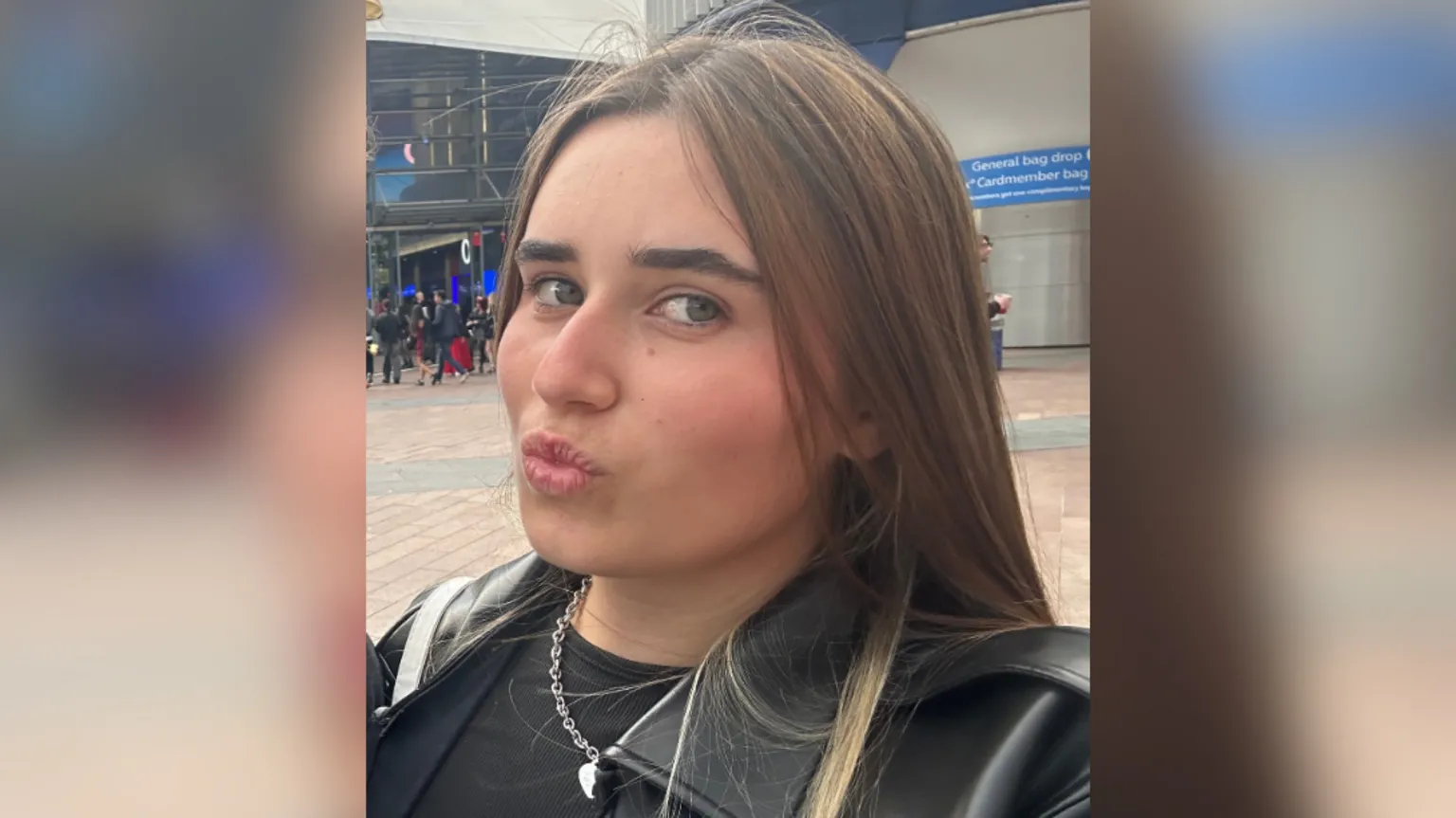
Emily Knell has suffered from severe menstrual pain since she was 14 years old. Initially, doctors recommended the combined contraceptive pill to alleviate her pain, which was severe enough to cause her to pass out.
At 17, after she began experiencing migraines, doctors discontinued the combined pill, which resulted in her periods becoming "really, really painful." She was then prescribed the mini pill, which worsened her symptoms, making it difficult for her to cope.

"I was missing days off school," the 20-year-old from Margate said. "They just thought I was being dramatic. It was a really bad time."
Despite feeling "lucky" with her medical care, Knell stated that doctors appeared unfamiliar with endometriosis.
"I went to a gynaecologist, I went to the sexual health clinic, I went literally everywhere. They wouldn't even bring endometriosis up," she said. "They would just try and find another cause."
After waiting a year to seek private care, Knell was finally diagnosed with endometriosis following surgery.
She expressed that some doctors seem uncertain about how to manage the condition.
"My pain therapist, a male doctor, told me he did not know about endometriosis or how he could deal with it," she said.
Knell also shared that doctors have indicated there are no further surgical options available due to her young age.
"Doctors have basically said now there's nothing else we can do because I'm so young, they can't do any more surgery," the McDonald's shift manager told the BBC.
She advocates for increased research and awareness of endometriosis and hopes it will be recognized as a disability in the future.
Medical Perspectives and Advice
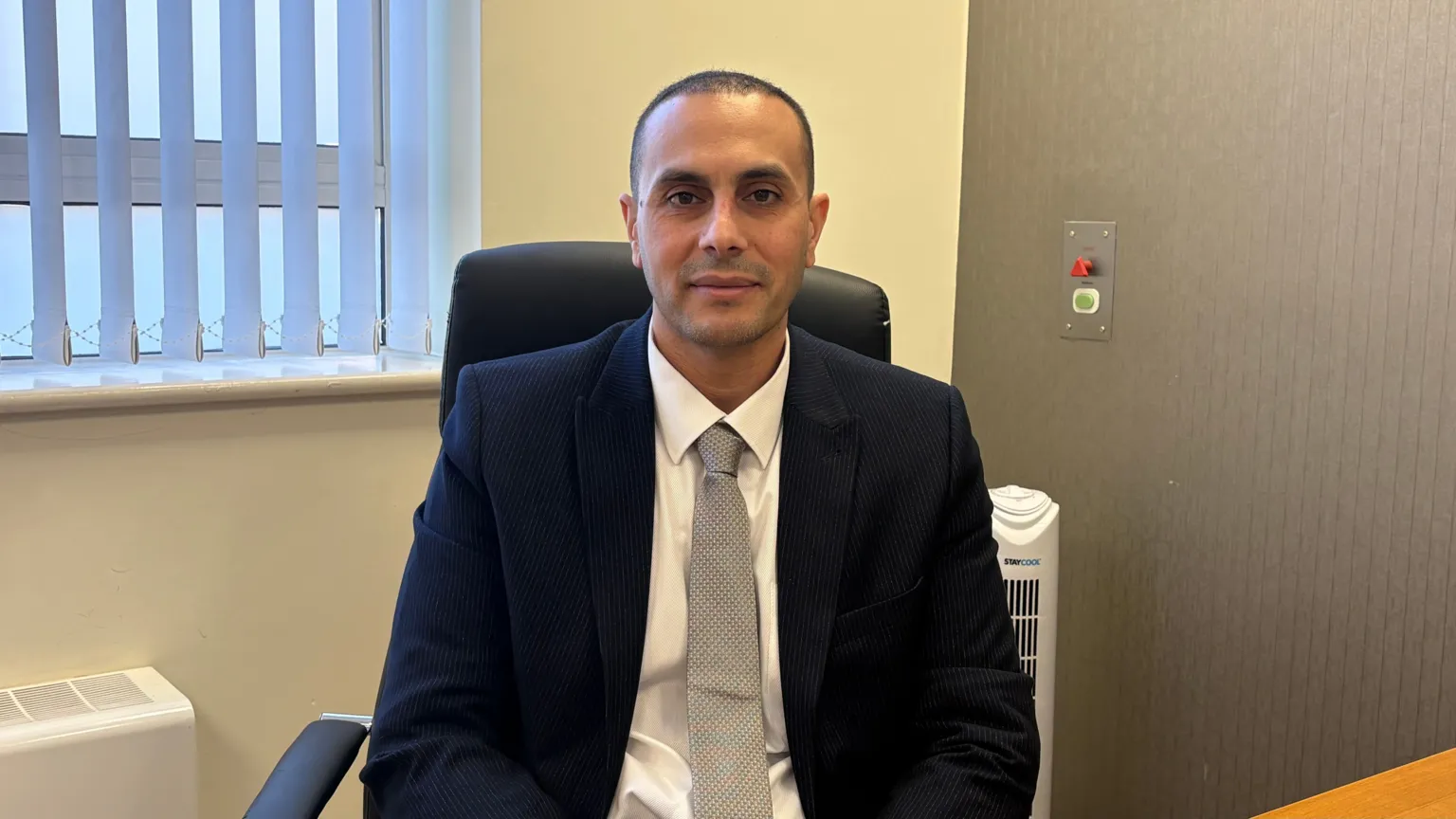
Consultant gynaecologist Ahmed El Gohari, who has 13 years of experience in gynaecology, encourages women with endometriosis to advocate for themselves.
He observes that many patients endure symptoms for years before being referred to a specialist.
"The pain has either been ignored or put down to normal life or stress," he said.
El Gohari is hopeful that attitudes towards endometriosis are improving but acknowledges that symptoms are still frequently overlooked.
He emphasizes that greater awareness can be achieved through women sharing their experiences.
The specialist, who practices at Nuffield Health Tunbridge Wells Hospital, advises women to be informed about available treatments and services.
"Patients can ask for a referral to an endometriosis specialist," he said.
"Don't sit down and be in pain. And don't be shy or ashamed that you're in pain. Our duty here is to help you and provide good support to you."
For further engagement, BBC Kent can be followed on Facebook, X, and Instagram. Story ideas can be sent to southeasttoday@bbc.co.uk or via WhatsApp at 08081 002250.