

Monitoring Health Benefits on the Isle of Wight
Scientists are set to monitor visitors on the Isle of Wight to investigate the potential health and wellbeing benefits provided by the island's parks, forests, and beaches.
Starting in April, researchers from the University of Southampton will collaborate with the Hampshire and Isle of Wight Wildlife Trust to conduct surveys of visitors at several locations: Wilder Nunwell, Bembridge Beach, Puckpool and Appley parks in Ryde, and Sandown Beach.
The objective of the research team is to understand how people utilize these outdoor spaces and identify the specific elements that contribute to their improved wellbeing.
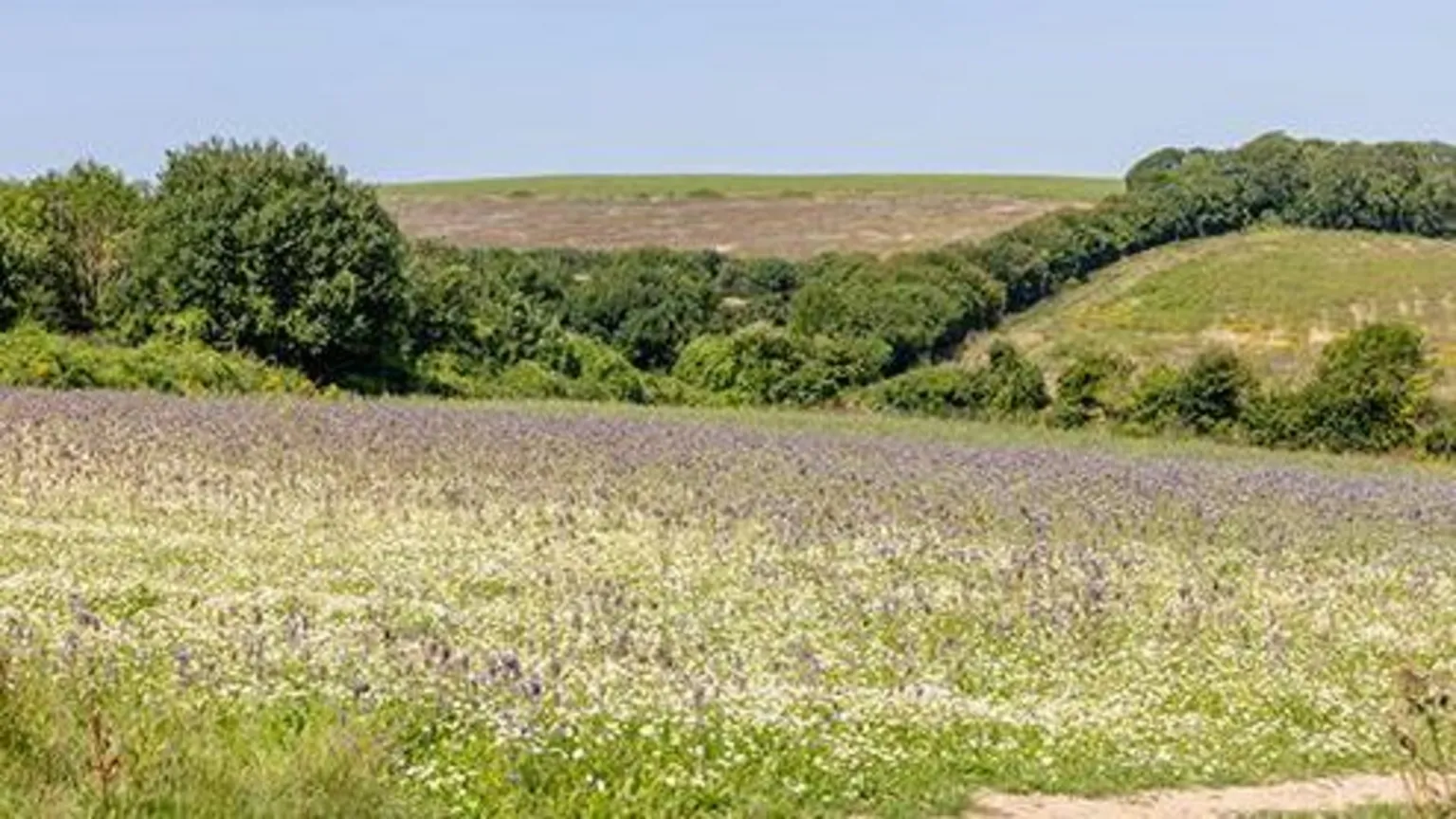
Understanding Nature's Role in Wellbeing
Co-lead researcher Dr Rebecca Collins explained the current knowledge gap regarding the precise benefits of natural environments.
"We have a general understanding that time spent in these outdoor spaces is good for us, but we don't know exactly what components of nature are beneficial."
She further elaborated on the aspects under investigation.
"For example, we don't know how big a role wildlife features like bird song or scenery play compared to more recreational activities like sea swimming or opportunities to socialise."
Collaboration with Wildlife Trust and Nature Recovery Goals
Deborah Whitfield, senior nature‑based solutions manager at Hampshire & Isle of Wight Wildlife Trust, expressed enthusiasm about the inclusion of one of their rewilding sites in the study.

"We're delighted that one of our rewilding sites on the Isle of Wight, Wilder Nunwell, is part of this research.
By surveying visitors across five green and blue spaces, we'll better understand how people use and value these landscapes, helping to guide future nature recovery.
Ultimately, we hope to show that restoring nature can improve not just biodiversity, but people's wellbeing too – creating a genuine win‑win for wildlife and local communities."
It is noted that in the UK, green spaces refer to land with vegetation, while blue spaces include bodies of water such as rivers, lakes, and the sea.
Addressing Barriers to Access and Engaging Young Adults
The research team also aims to identify obstacles that prevent people from accessing these natural spaces more frequently, as well as determine which demographic groups are most affected.
Co-lead Dr Sien Van Der Plank highlighted concerns regarding young adults' access to nature on the Isle of Wight.
"We're hearing about concerns that young adults on the Isle of Wight have limited access and time to spend time in nature – time that's thought to be beneficial for mental and physical health.
Working with local artists, we want to invite young adults to be creative and share their experiences of visiting their local parks, coasts and other outdoor spaces."
To facilitate this, researchers will partner with Common Space, Artecology, and Swim the Wight to organize a creative workshop targeted at individuals aged 18 to 35 years old.
Isle of Wight's UNESCO Biosphere Status
The Isle of Wight was designated a UNESCO biosphere reserve in 2019, recognizing the sustainable relationship between local communities and their natural environment.
Stay Connected
For updates, follow BBC Hampshire & Isle of Wight on Facebook, X (Twitter), or Instagram.


