US Officials Outline Plan to Combat Flesh-Eating Parasite
US agriculture and health authorities have announced a strategy to address the detection of the New World Screwworm parasite in the United States for the first time since 1966.
The approach centers on releasing hundreds of millions of genetically modified sterile flies to prevent a widespread outbreak. However, experts caution that the current supply of sterile flies is insufficient to immediately control the expanding screwworm population.
Additional measures include establishing a containment zone near the initial infection site along the southern US border and deploying sniffer dogs to detect the insects.
The risk to humans is considered low, but cattle ranchers are concerned about potential significant impacts on beef markets.
Understanding the Screwworm Threat
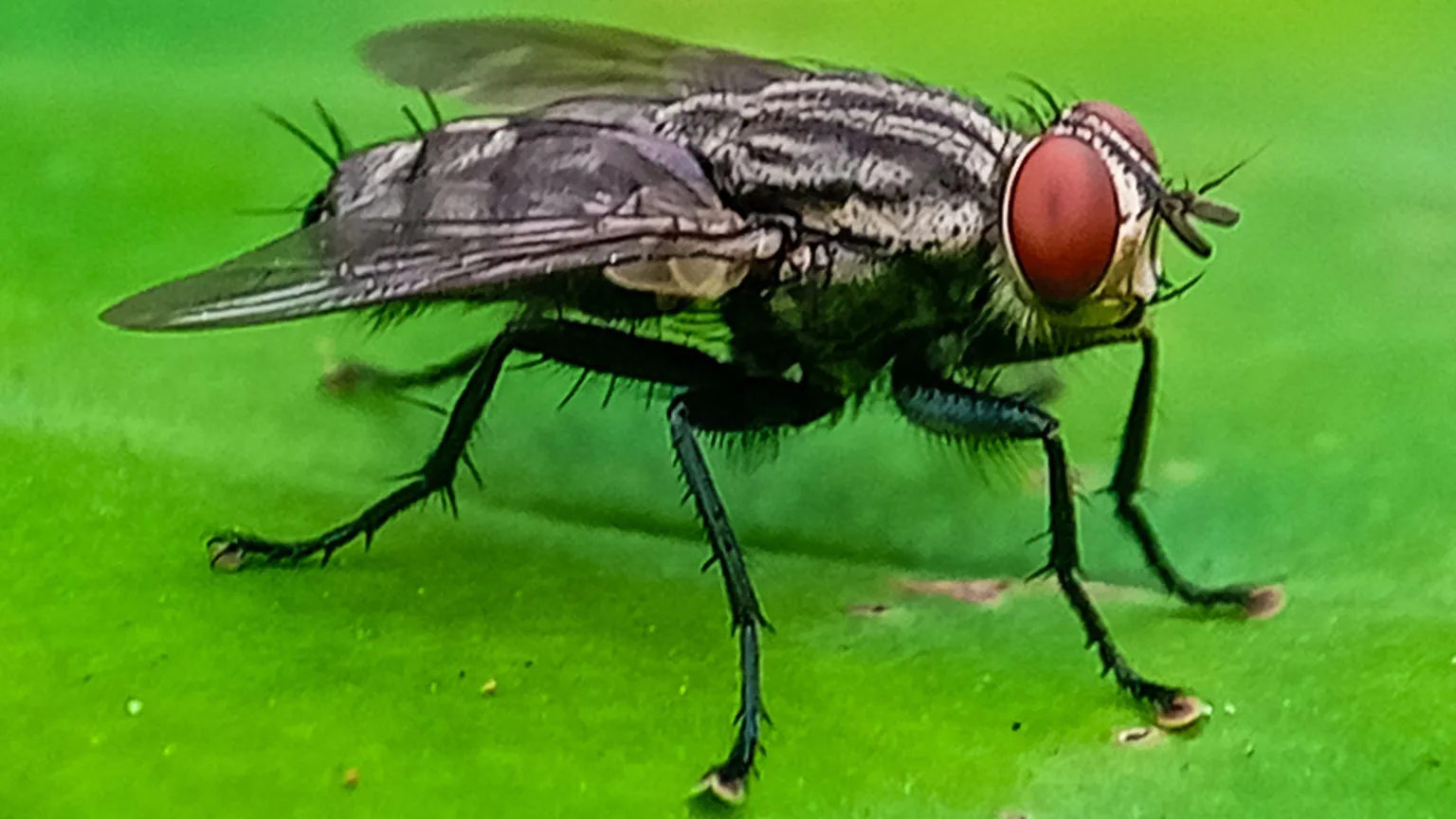
Screwworms are parasitic flies whose females lay eggs in open wounds and mucous membranes of living warm-blooded animals, including humans. Upon hatching, larvae burrow into living flesh with sharp mouths, potentially causing death if untreated.
On Wednesday, US officials confirmed the first case in six decades, identifying larvae in the umbilical area of a three-week-old calf in La Pryor, Texas, approximately 30 miles (48 km) from the Mexico border.
Authorities have established a 20-kilometer-wide control zone, implementing quarantines, movement restrictions, and surveillance, according to the US Department of Agriculture (USDA).
Screwworm larvae mature into flies capable of short-distance travel, but long-distance spread has primarily occurred through human transport. Since 1966, a few isolated US cases have been linked to travelers, but no major outbreaks have occurred.
Historical and Current Control Efforts
US and Latin American officials have been combating screwworms for over sixty years with limited success.
A key control method involves releasing sterile screwworm flies, exploiting the fact that females mate only once; eggs laid by sterile males do not hatch.
This Sterile Insect Technique (SIT) has been employed for years to manage various insect populations, including fruit flies and mosquitoes. The process involves hatching flies in controlled environments, sterilizing them via radiation, and releasing them into the wild.
Officials estimate that up to 600 million sterile screwworm flies need to be produced weekly to effectively combat the outbreak. Currently, US and Mexican facilities can produce approximately 100 million sterile flies per week.
US Secretary of Agriculture Brooke Rollins stated on Thursday that since the infected calf's discovery, four million sterile flies have been released by ground, in addition to another four million released weekly by air since February.

"There is no reason to believe that this incursion will result in any sort of establishment of the pests," said Rollins.
Despite these efforts, some critics, including Texas cattle farmers, express concern that the response is inadequate and accuse the Trump administration of insufficient action.
The last outbreak threatening American cattle occurred in the 1970s, though no screwworms were found within US borders at that time.
The sterile fly releases historically pushed screwworms south of the Darien Gap, Panama's dense forest border with Colombia. During that period, officials released between 500 and 700 million sterile flies weekly across Central America, according to Sonja Swiger, an entomologist at Texas A&M University.
However, screwworms have resurged in recent years, moving northward. Panama reported a significant increase in cases in 2022, followed by other Central American countries. By 2024, cases appeared in Mexico, advancing toward the US.
This outbreak has resulted in 2,070 human screwworm cases, according to the US Centers for Disease Control and Prevention (CDC).
Political and Public Reactions
Democrats have criticized the federal response as slow and delayed, attributing part of the issue to the Trump administration's elimination of the US Agency for International Development (USAID), which previously maintained a screwworm tracking program in Central America.
Texas Agriculture Commissioner Sid Miller condemned the federal government for what he described as a "slow, bureaucratic, and incomplete response that allowed the pest to advance unchecked through Mexico and reach American soil."
Miller advocated for the use of insecticide traps, a method dismissed by officials during a Thursday news conference as ineffective against screwworms and involving chemicals suspected to be carcinogenic to humans and wildlife.
Secretary Rollins attributed the screwworms' northward spread to "open border" policies and cartel smugglers transporting livestock and pets. She also criticized the Mexican government's response as inadequate.
Additional Control Measures and Recommendations
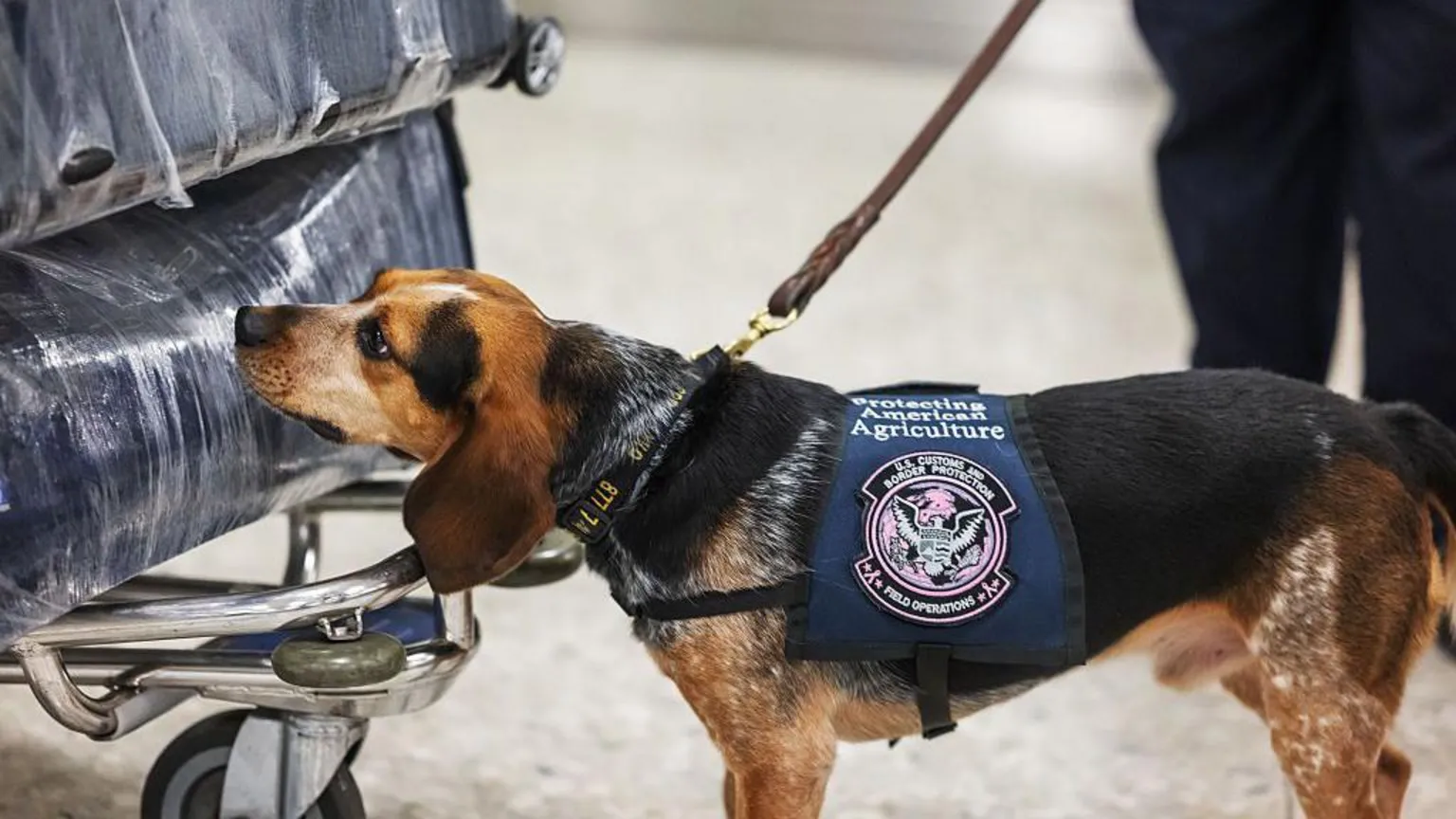
As part of the containment strategy, the US has deployed specialized dogs trained to detect screwworms at border crossings. These dogs, part of Customs and Border Protection and USDA operations, are known as the "Beagle Brigade."
Officials emphasize the importance of ranchers diligently covering wounds on livestock to prevent screwworm infestation.
Individuals are advised to inspect themselves and pets regularly and report any suspected screwworm presence to authorities promptly.
Screwworms typically inhabit warmer climates but may be expanding northward due to climate change. Native to tropical regions of the Americas, they are not classified as an invasive species, according to Swiger.