

Rise in Emergency Caesarean Births in England
Recent analysis by the BBC reveals that one in four babies born in England are delivered via emergency caesarean section, indicating a significant increase over the past five years.
The rate of unplanned caesarean surgeries has risen by eight percentage points, alongside an increase in elective caesareans. Concurrently, the proportion of vaginal births without the use of instruments has declined from over half of all deliveries to 43%.
Professor Marian Knight, director of the National Perinatal Epidemiology Unit, which focuses on research into pregnancy and birth care, describes this trend as a "total change in how women give birth" in England. She notes that such a rise has not been observed in other European nations.
The NHS does not currently publish data detailing the reasons behind emergency caesarean procedures, and experts indicate that there is no single, definitive explanation for the increase.
Some professionals have expressed concern to the BBC that a culture of fear within maternity units and among expectant mothers may be contributing to the higher number of caesarean operations.
The Royal College of Obstetricians and Gynaecologists, representing maternity doctors, highlights that pressure on staff and operating theatres is causing the system to "really struggle" to cope with the growing demand.
NHS England states that "decisions are made by considering individual circumstances and clinical advice to ensure the safest and most appropriate approach for each birth."
Understanding Caesarean Sections
A caesarean section, commonly known as a C-section, involves making an incision through the mother's abdomen and uterus to deliver the baby.
Emergency C-sections are categorized by urgency, ranging from the most critical cases where there is an immediate threat to the life of the mother or baby, to situations where labour is not progressing adequately.
Trends in Birth Methods Over Five Years
BBC Verify has monitored birth method changes in England over the last five years. Although vaginal deliveries without instruments remain the most common method, their proportion has decreased from 53% to 43%.
Planned caesarean births now constitute 20% of all deliveries, while emergency caesarean rates have steadily increased from 18% to 26%.
Data from other UK regions, though less current, indicate emergency caesarean rates of 22% in Scotland, 20% in Wales, and 16% in Northern Ireland.
International Comparisons
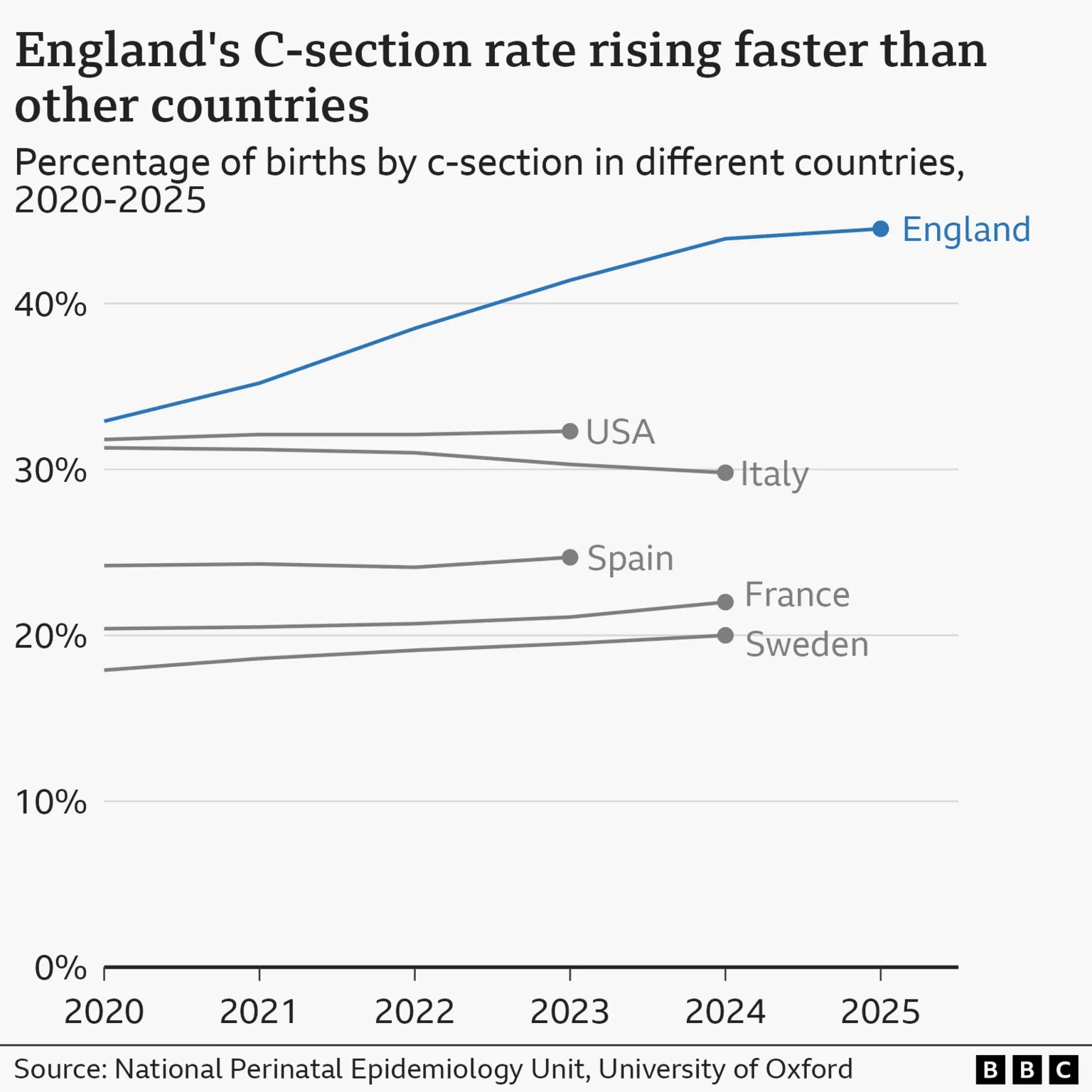
Professor Knight's team compared caesarean birth rates, both planned and emergency, across 42 countries. They ranked each country by the proportion of births via C-section from highest to lowest. In 2020, England ranked 14th, but by 2025 it had risen to 9th place.
She notes that other countries generally have not experienced such sharp increases.
Impact on Stillbirth and Neonatal Mortality Rates
Despite the rise in emergency caesarean sections since 2020, rates of stillbirth and neonatal mortality have remained largely stable.
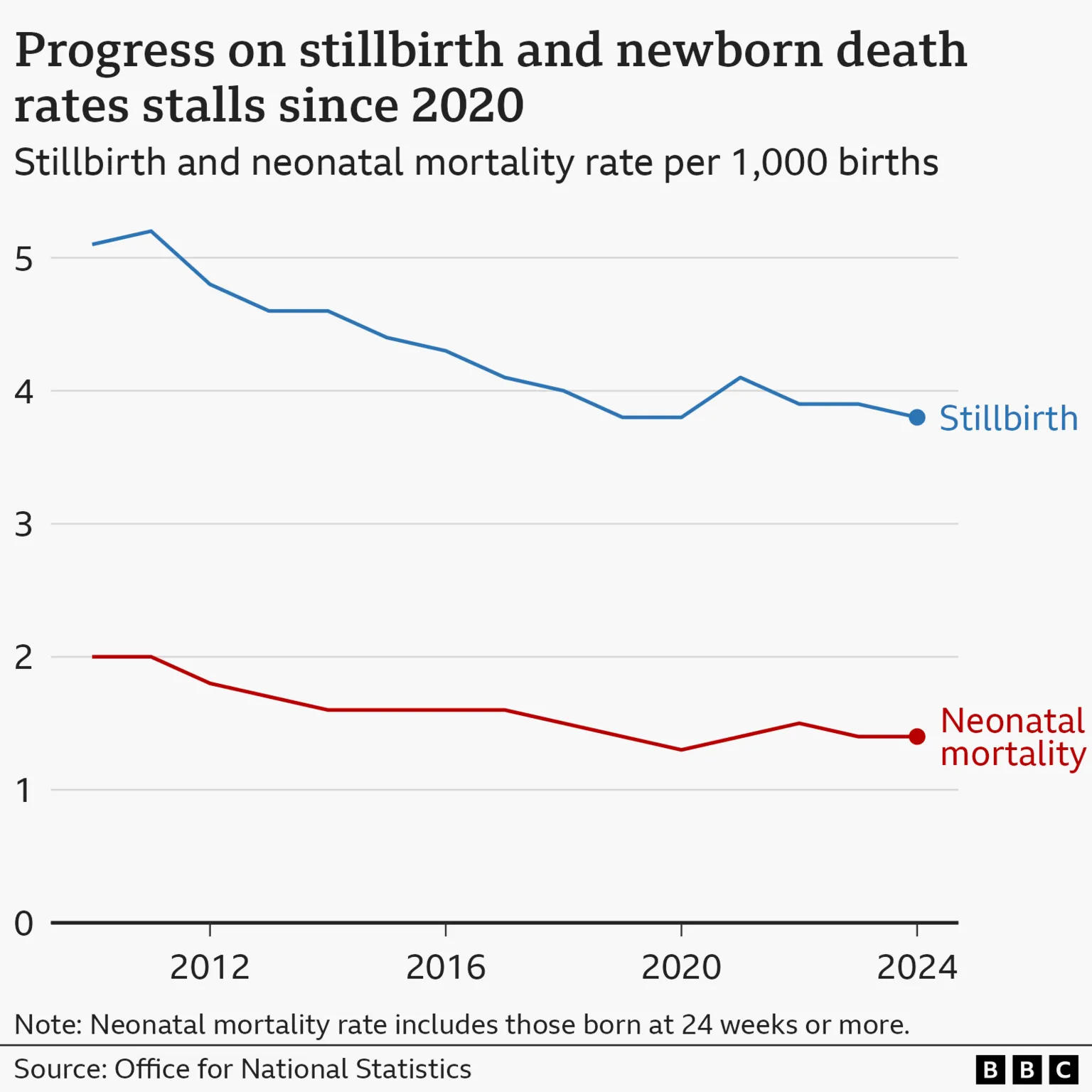
Professor Shakila Thangaratinam, a women's health expert at the University of Liverpool and consultant obstetrician, expresses concern about the increase in emergency caesareans without a corresponding reduction in stillbirths, newborn, or maternal complications.
"An increase in emergency caesarean sections poses concern if these are not accompanied by a corresponding decrease in stillbirths, newborn and maternal complications."
She adds that the reasons for the rise are largely unknown and that there is "no clear and consistent reporting." She emphasizes the need for "good quality data" to understand why these operations are performed.
Professor Thangaratinam also highlights the importance of investigating racial disparities. While the national average for emergency caesareans is one in four births, the rate is approximately one in three for Black and Asian mothers.

Potential Contributing Factors
Professor Knight is examining whether factors such as maternal age, obesity, and pre-existing medical conditions contribute to the increase. She also suggests that NHS staff and mothers may be influenced by recent high-profile maternity scandals.
For many years, maternity units were encouraged to maintain low caesarean rates, but these targets were removed in 2022.
Recent safety scandals in Morecambe Bay, East Kent, and Shrewsbury and Telford have revealed tragic stories of mothers and babies dying, often linked to reluctance to perform caesareans. Ongoing inquiries in Nottingham and Leeds are expected to raise similar concerns.
"We also need to recognise the potential impact of rising fear among women, families and staff, which may lead more to choose or to recommend caesarean birth,"
she states.
Another healthcare professional told the BBC that no one wants to be involved in the next scandal.
Legal Claims and System Pressures
Over the past five years, legal claims against the NHS related to maternity issues have increased by 11%.
"Legal cases typically question why caesareans are not undertaken or not undertaken sooner,"
Professor Knight explains.
"Doctors and midwives are rarely criticised for performing an early caesarean."
NHS England reiterates that "many factors" influence caesarean births and that its "priority is always the safety and wellbeing of both mothers and babies."
Personal Story: Khushi's Emergency Caesarean
The BBC spent two days at Northwick Park Hospital's maternity unit in London, where they met Khushi, an 18-year-old new mother.
Khushi underwent an emergency caesarean after her baby's heart rate repeatedly slowed during labour. The procedure was classified as category one, indicating the highest urgency.
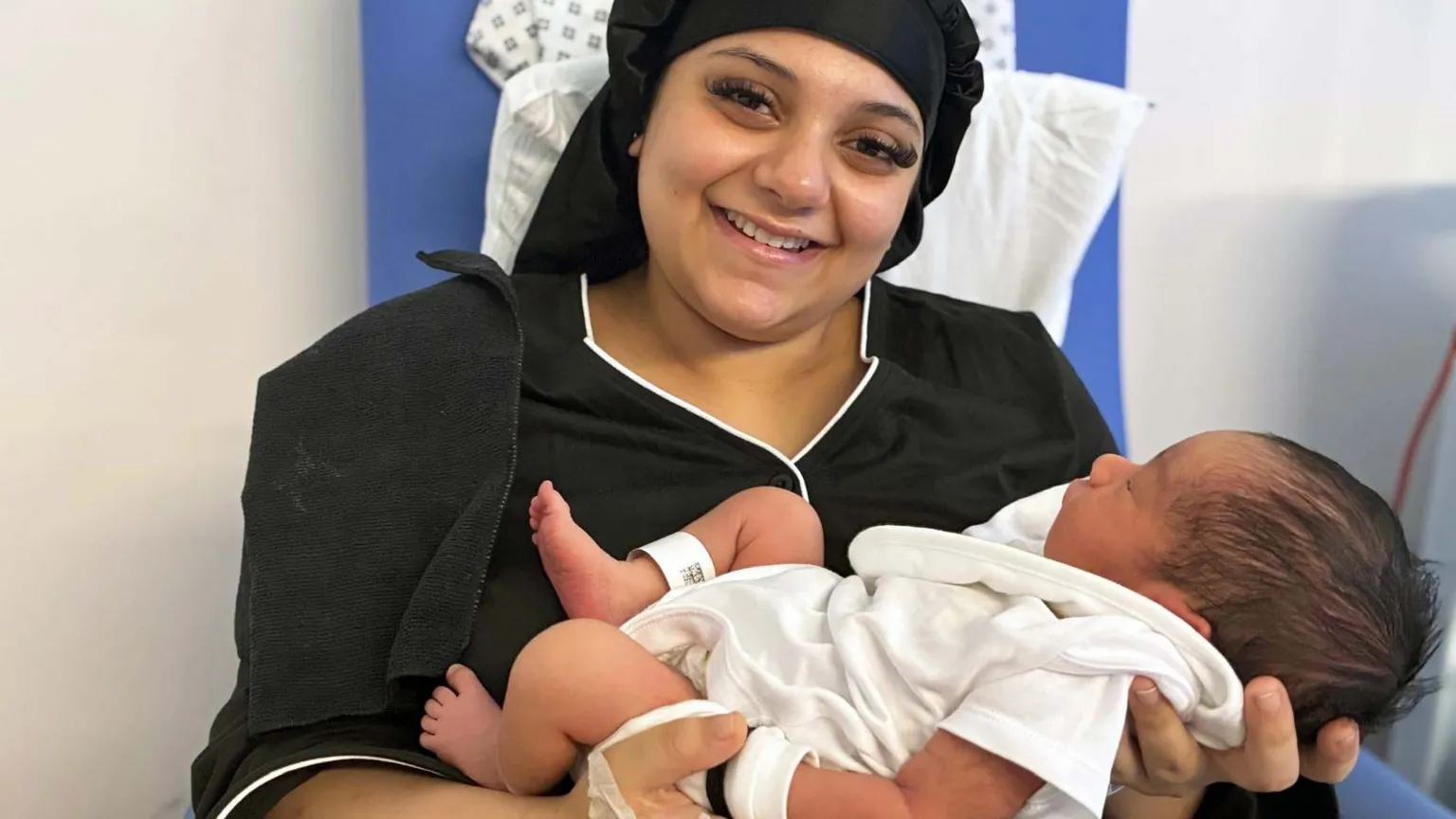
She describes feeling confused and frightened, having no prior experience with surgery.
"It was my first ever surgery. Just the thought of being open on a table still feels so surreal and so unbelievable,"
Khushi is now recovering at home with her baby, Aarav. While the physical recovery from major surgery is expected to take six weeks, she says the mental trauma has been the most challenging aspect.
Concerns About Capacity and Costs
Dr Alison Wright, president of the Royal College of Obstetricians and Gynaecologists with 35 years of experience delivering babies, expresses concern about how maternity services will manage the rising number of emergency caesareans.
She notes that many maternity units already lack sufficient dedicated obstetric theatres.
"If we do not invest in our workforce and in our operating theatre capacity, we may be in a position in the future where we cannot do the emergency caesareans we need to,"
she warns.
Professor Ed Wilson, a health economist at the University of Exeter, provides cost estimates based on NHS data: a routine vaginal delivery costs nearly £4,800, a planned caesarean approximately £6,000, and emergency caesareans about £9,000.
Official Responses
An NHS spokesperson states:
"The increase in the number of emergency caesarean births is influenced by many factors, and our priority is always the safety and wellbeing of both mothers and babies.
Decisions are made by considering individual circumstances and clinical advice to ensure the safest and most appropriate approach for each birth."
The Department of Health and Social Care affirms its commitment to improving maternity and neonatal safety, highlighting Health Secretary James Murray's leadership as chair of the national maternity taskforce.


