Living with Epilepsy and Employment Challenges
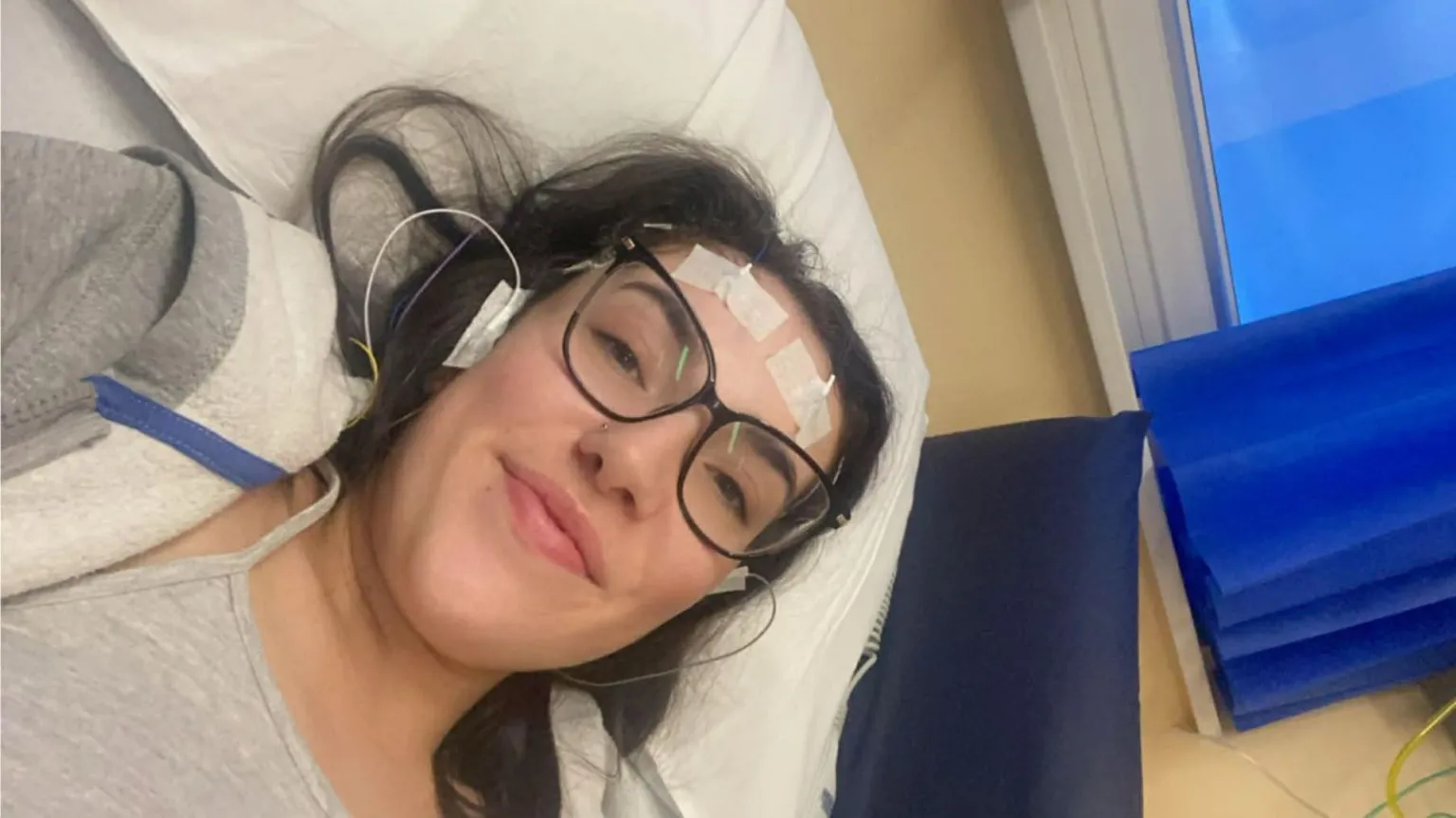
Since being diagnosed with epilepsy at the age of 13, Sophie Morgan has undergone extensive efforts to lead a "normal" life, including invasive brain surgeries and various medications.
However, one of the most significant obstacles for the 28-year-old has been securing employment.
Despite holding both an undergraduate and a master's degree, Sophie revealed that she applied for 300 jobs over the past year, resulting in only one interview and no job offers.
"I have to accept it. It's wrong, but I'm learning to adjust to it."
Sophie, who lives in Newport, stated that employers frequently informed her they "cannot facilitate" her condition, while recruiters often became silent when she disclosed her epilepsy.
"Trying to find a job with epilepsy is like trying to find a needle in a haystack. It's 10 times harder for us and a constant battle."

According to UK government data, only 44% of individuals with epilepsy are currently employed.
"I'm qualified, I'm experienced, I would like to say I'm a nice person... I don't think I'm an issue for a workplace, but they always seem to think I'm an issue," Sophie said.
"It has become more difficult... I have all the tools I need, I've just not been able to use them."
Despite her academic credentials — a bachelor's degree in education with additional learning needs and inclusion, and a master's degree in developmental and therapeutic play — Sophie has spent the past year receiving rejection emails.
Understanding Epilepsy and Surgical Attempts
Epilepsy is a neurological condition characterized by seizures, also known as fits. While it cannot be cured, treatment can help manage symptoms.
In 2024, Sophie underwent two brain surgeries aimed at identifying the cause of her epilepsy. The procedures revealed that removing the affected brain area would be too risky.
"The fact that both of my surgeries failed... it almost felt like I did it all for nothing."

Following surgery, Sophie had to discontinue her medication for six months to allow doctors to monitor her seizures and required 24-hour care for several weeks.
Because the surgery took place in Cardiff, Sophie had to leave her job in children's education and relinquish her rented home in Swansea, which was a significant emotional challenge.
"When I got the keys to that flat it felt like I'd reached the top of Mount Everest," she said.
"Giving that flat up absolutely broke my heart."
She described feeling "so proud of herself" when she first obtained the flat, marking a milestone in her journey since her epilepsy diagnosis.
Living with Family and Employment Barriers
To recover and regain stability, Sophie moved in with her cousin in Newport. What was intended as a six-month stay has extended to two years due to her inability to secure employment.

"Because I can't find a job, I can't move out. If I could get a job that could all change, but it just seems employers aren't open enough, they aren't opening their arms to people with epilepsy."
"I am trying my hardest... living with my cousin, although it's been a massive help for me, it's definitely something I want to move on from.
"It has been really really difficult, and my mental health has been a massive hit."
Discrimination and Employer Attitudes
Sophie is not alone in perceiving her condition as a barrier to employment. A study by Epilepsy Action found that six in ten people with epilepsy reported experiencing discrimination due to their condition.
Another study by the charity involving 500 employers and managers revealed that nearly half were reluctant to hire someone with epilepsy.
Of all her applications, Sophie secured one interview in April.
"As soon as I mentioned epilepsy, the tone changed, it was like the temperature changed in the room," she recalled.
"I felt very uncomfortable, They sort of dodged it, didn't want to know more about it, no questions asked.
"But I wanted to tell them you don't have to worry about me collapsing on the floor during work, it doesn't work like that."
Sophie explained that job applications vary; some include a checkbox to disclose disabilities, while others require disclosure at a later stage.
"I do like to address it in an interview, it's not something I want to hide, it's not something I'm embarrassed or ashamed of, I want to address it."
Financial Support and Awareness Challenges
Sophie currently receives job seekers allowance and Personal Independent Payment, but she cannot access housing support until she earns a wage.
One of her main frustrations is the widespread lack of understanding about epilepsy among employers. She emphasized that epilepsy is not solely characterized by "flashing lights, on the floor, convulsing."
Many of Sophie's seizures are absence seizures, during which she briefly loses awareness of her surroundings.
"They are not particularly dangerous, you're not at risk of hurting yourself or anyone else. My convulsions are very rare, I have maybe three or four a year, they don't massively impact my life."
She compared absence seizures to daydreaming but noted she is completely unaware of her actions during these episodes, which leave her feeling drained and exhausted.
Community Support and Future Hopes
Sophie participates in numerous online support groups for people with epilepsy who report similar employment challenges.
"It just feels like we're stuck in one place, And I don't think it's just epilepsy, I think it's disabilities on the whole."
She hopes for increased awareness and openness among employers in the future.
Epilepsy Action highlighted that all employers have a legal obligation under the Equality Act to avoid discrimination and provide reasonable accommodations for employees with epilepsy.
The charity suggested that employers can implement subtle adjustments, such as flexible start times to accommodate travel or breaks to manage stress and reduce seizure risk.
"Creating inclusive workplaces where people with epilepsy can succeed is not only beneficial to the people with epilepsy, but also the employer," the charity stated.
"People with epilepsy often bring a wide range of skills and experience, including those they've learned through living with their condition such as strong resilience.
"We know that when employers have the right awareness and make simple adjustments people with epilepsy can and do thrive."
Sophie also expressed gratitude for her friends' understanding and support regarding her condition.