

Microplastics Found in Majority of Pet Food Brands
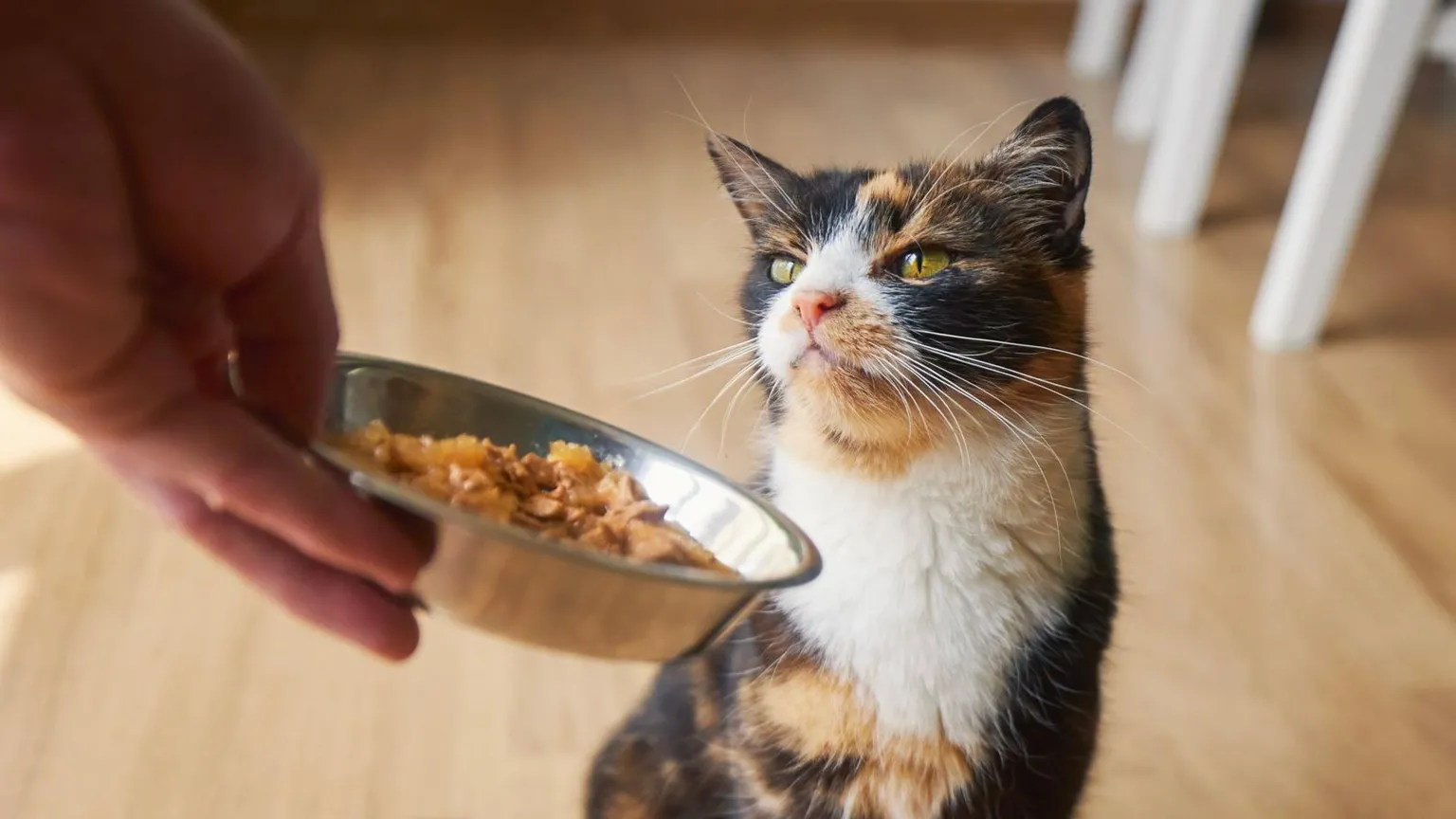
Microplastics have been detected in more than three-quarters of pet food products, according to a recent study conducted by the universities of Sussex and Exeter.
The research identified microplastics in 16 out of the 19 pet food brands tested, including several "very well-known ones." The study also revealed that cheaper "value range" products fed to dogs, cats, and wild animals contained higher levels of microplastics compared to more expensive brands.
Microplastics are defined as tiny plastic particles, generally smaller than 5mm in size.
Previous studies have indicated that microplastics may pose harm to both animals and humans, although determining their precise impact remains challenging.
The researchers from Sussex and Exeter noted that the presence of plastic pollution in pet food could have potential health implications, but assessing these effects was beyond the scope of their study.
Differences Between Dry and Wet Pet Food
The study found that while dry pet food contained higher concentrations of microplastics, wet food resulted in a greater daily intake of microplastics for pets. This is because pets consume larger quantities of wet food to meet their energy needs.

Calls for Regulatory Action
Researchers are urging the government to introduce new regulations requiring processed food manufacturers to test for microplastic contamination. They suggest that such measures should be similar to existing legislation aimed at preventing chemical contamination in food products.
The Food Standards Agency has been contacted for comment regarding these findings.
Expert Perspectives on Environmental Impact
"Our results are a reminder that our pets are exposed to the same chemical pollutants as ourselves," said Professor Tamara Galloway, Professor of Ecotoxicology at the University of Exeter.
"Pets may be inadvertently spreading plastic pollution through their food and faeces, affecting wildlife and the wider environment," added Professor Fiona Mathews, Professor of Environmental Biology at the University of Sussex.
Unclear Sources of Contamination
The researchers stated that the sources of microplastic contamination in pet food remain unclear.
"Further research is now needed to find out whether ingredient quality, packaging types, or processing methods, are the main contributors to the problem," they said.
Industry Response
A spokesperson for UK Pet Food commented:
"Our members' pet food products comply with all applicable regulations and food safety standards, and pet owners can continue feeding commercially prepared pet food with confidence.
Microplastics are a wider environmental issue and are found in many aspects of everyday life, including in food, drinking water and air.
On behalf of our industry, UK Pet Food continues to engage with regulators, scientists, and colleagues in our sector and beyond to ensure new research is carefully considered as scientific understanding develops."
Veterinary Perspective
Alison Thomas, head of veterinary standards at Blue Cross, stated:
"It is likely there is a risk of exposure to pets through the use of plastic bowls, water from plastic bottles, plastic toys and food from plastic packaging to name a few.
However, we don't have any detail on where the greatest risks of exposure are and what impact that will have on a pet's health during their lifespan."
Additional Information
For more updates, follow BBC Sussex on Facebook, X, and Instagram, and listen to BBC Radio Sussex on Sounds. Story ideas can be sent to southeasttoday@bbc.co.uk or via WhatsApp at 08081 002250.


