

Patient's Experience Highlights Impact of Whole Genome Sequencing
Last year, Laraine Chung discovered she had a tumour located behind her left eye. Initial tests were unable to determine the tumour's type, which meant she faced the prospect of losing her eye through complex surgery that also risked affecting her brain and face.
However, the 63-year-old carer from Peterborough had access to Whole Genome Sequencing (WGS) at Addenbrooke's Hospital in Cambridge, an option not available to many cancer patients in similar situations. This advanced genetic analysis altered her treatment outcome significantly.
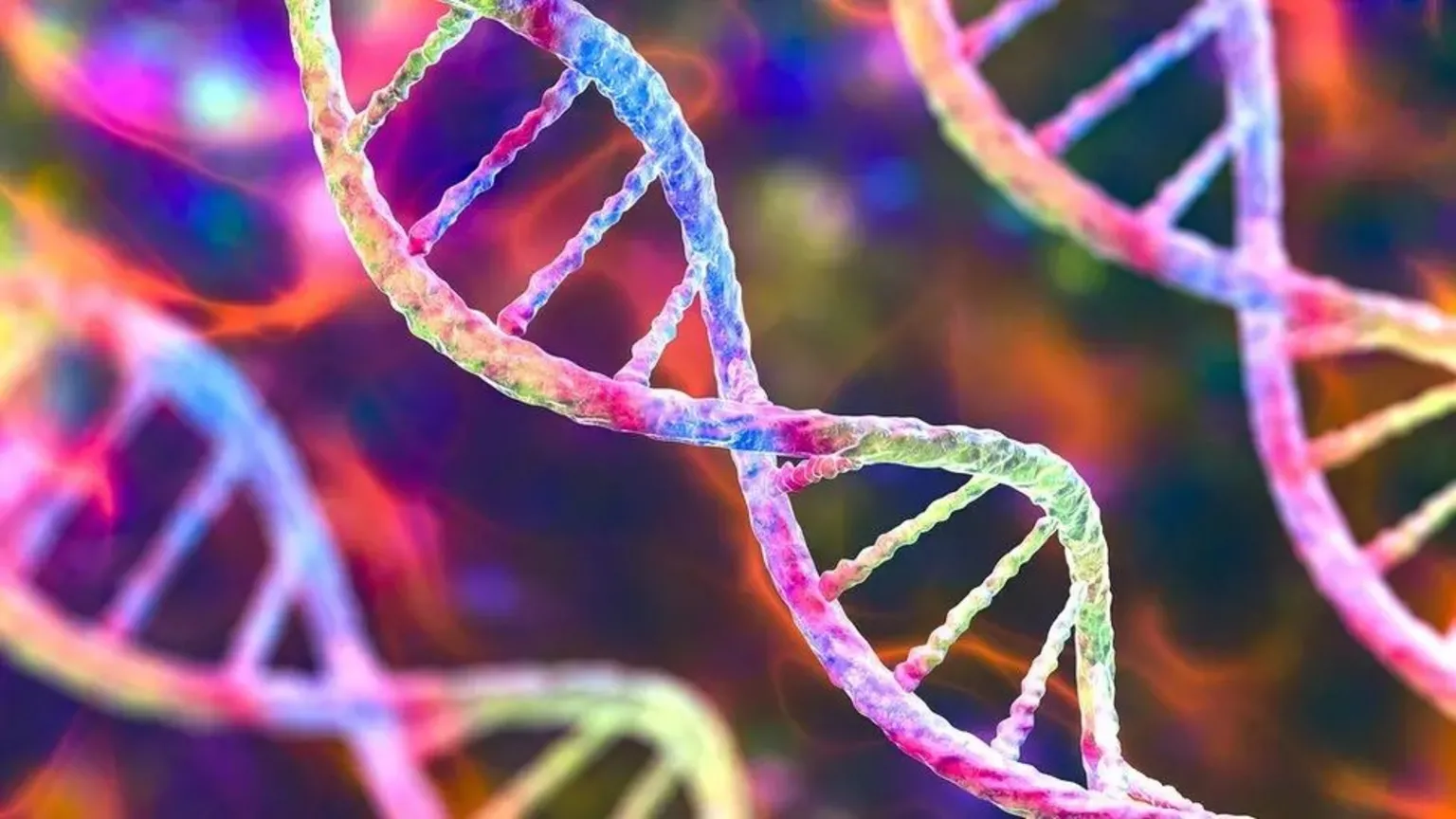
WGS examines a patient's DNA to identify the types and causes of cancers and other genetic diseases. In Chung's case, it revealed the tumour was a benign meningioma, which required less extensive surgery. This information was crucial in guiding her doctors toward the most appropriate treatment.
"Without the test, I would have needed much more complex surgery, and it would have taken even more time to recover,"
said the grandmother-of-four.
"Getting the genetic results made everything clear. It was a long, anxious wait for the results but it was a huge relief for me and my family when they rang to say they knew what it was and that I wouldn't lose my eye."
Current Availability and Challenges of WGS on the NHS
Whole Genome Sequencing is available on the NHS for all children with cancer up to age 25, and for adults with certain cancers, including advanced ovarian cancers, triple negative breast cancers, some sarcomas, blood cancers, and cancers of unknown origin.
Despite this, some patients cannot currently access WGS due to logistical challenges in transporting tissue samples to regional testing laboratories such as the one at Cambridge University Hospitals NHS Foundation Trust (CUH).
When a biopsy is taken, the genetic material in the tissue degrades within hours unless it is properly preserved. Freezing the sample can maintain its integrity, but not all clinical facilities have the capability to freeze samples immediately.
A new technique developed at Addenbrooke's Hospital allows samples to be preserved in a stabilising solution and transported at room temperature, eliminating the need for freezing.

Regional Rollout and Clinical Impact
This new preservation method was launched across the East of England at the end of 2025. It facilitates easier access to WGS for patients at hospitals including Queen Elizabeth Hospital King's Lynn, Peterborough City Hospital, and Ipswich Hospital.
Dr Jeffrey Rubasingham, a consultant clinical oncologist, was among the first to implement this approach at King's Lynn Hospital.
"This is truly game-changing for our patients and for clinical practice,"
he stated.
"It removes the need for minus 80C sample freezing and specialised transport, and opens the door to cutting-edge trial therapies when standard treatment options have been exhausted."
The process has now received national accreditation and is anticipated to be introduced in other regions across England.
Recognition and Future Prospects
Dr John Tadross, a consultant molecular pathologist at CUH who pioneered the preservation technique, emphasised the importance of removing barriers to WGS testing.
"Whole genome sequencing can make a huge difference to a person's cancer journey, and it's vital that we remove barriers to testing so as many people as possible can benefit."
"Our teams have worked closely together to deliver this change, which will improve diagnosis and treatment for many more people."
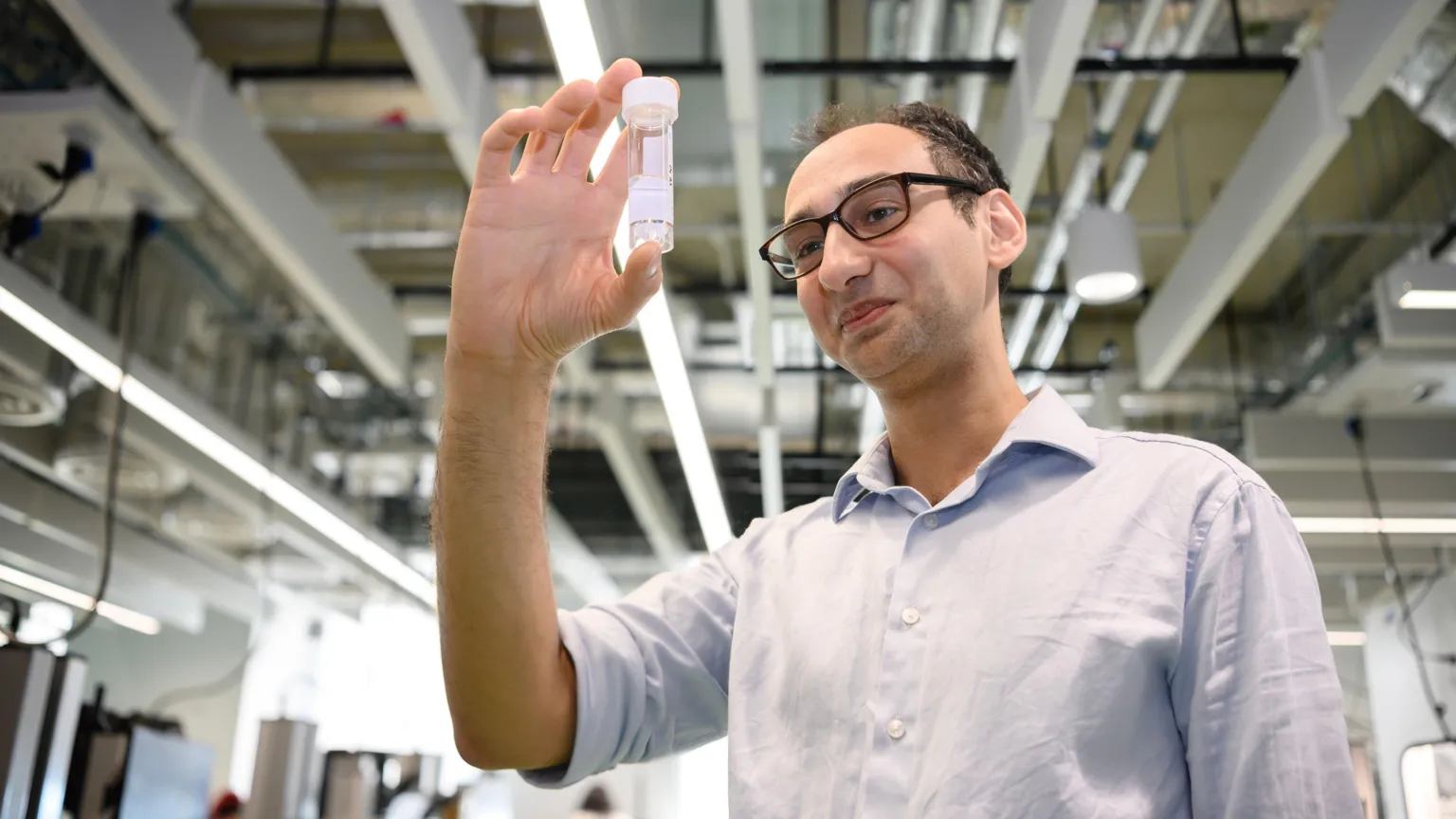
Dr Tadross and his colleagues were honoured with the Royal College of Pathologists Achievement Award 2026 for Sustainability at a ceremony in London. This award recognised the environmental benefits of transporting samples without the need for freezing.
Do you have a story suggestion? Contact us below.
Follow East of England news on X, Instagram and Facebook: BBC Beds, Herts & Bucks, BBC Cambridgeshire, BBC Essex, BBC Norfolk, BBC Northamptonshire or BBC Suffolk.


