

From sleeping lions to spitting snakes: a year in the life of London zoo vets
As the Zoological Society of London (ZSL) marks its 200th anniversary, photographer David Levene documents the dedicated veterinary team caring for some of the world’s most endangered and sometimes dangerous animals. This account, introduced by Patrick Barkham, explores the challenges and expertise involved in maintaining animal health and welfare at London and Whipsnade zoos.
Some images may be upsetting to young audiences.
How do you move a sedated rhinoceros? Is it possible to safely anaesthetize a dormouse? What procedures are required when a lion has an unusually narrow ear canal? And how does the world’s longest venomous snake react to treatment? These questions were part of the year-long photographic project by David Levene, who observed complex veterinary operations on a variety of species.
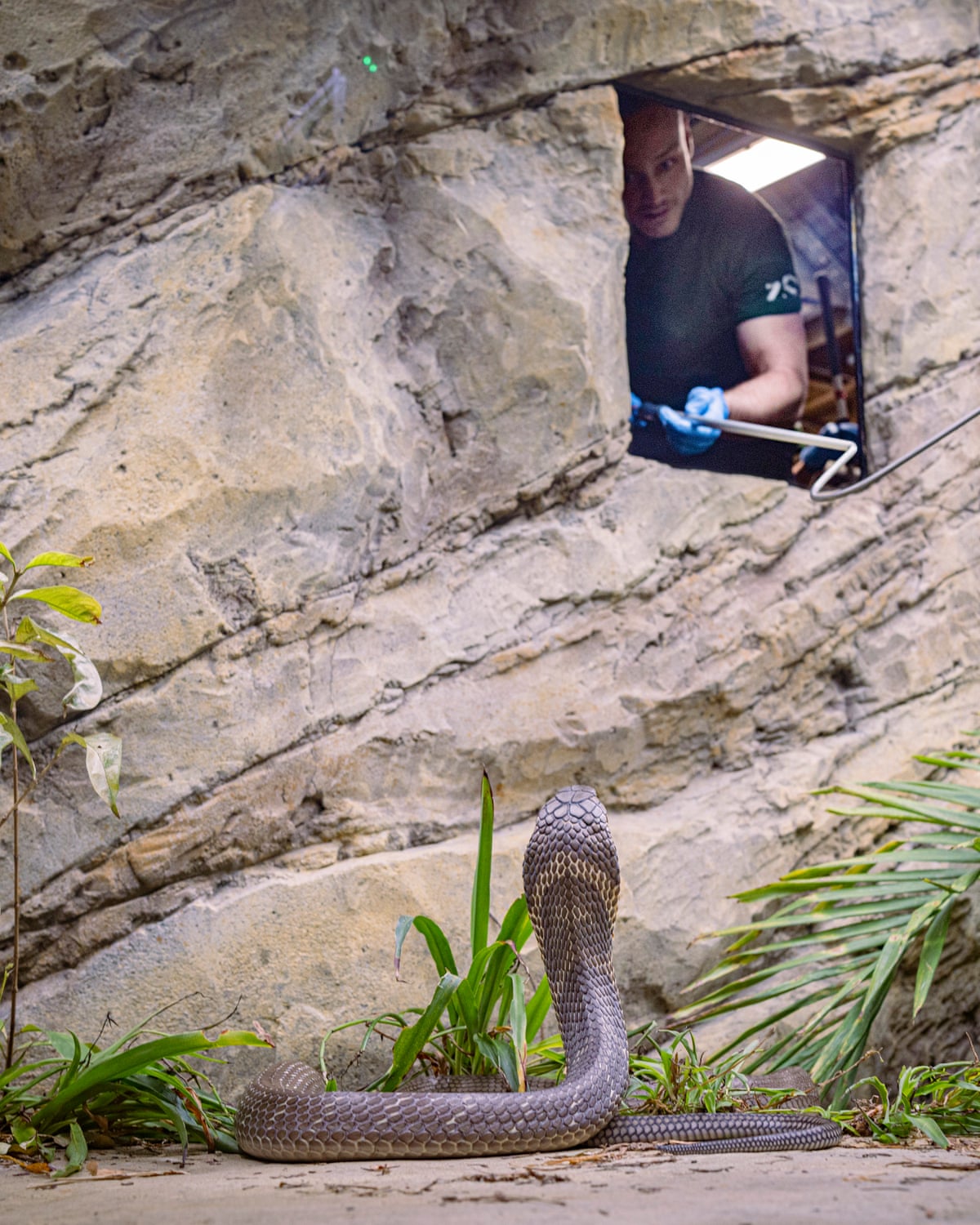
Levene recounts an encounter with a king cobra named Arthur, who, shortly after receiving anaesthetic, reacted by rearing up and spitting at him through the glass enclosure.
“I was the first person he saw after he’d been jabbed in the tail and he reared up and opened his mouth and started spitting at me. I was behind glass but I told him, ‘It wasn’t me!’”
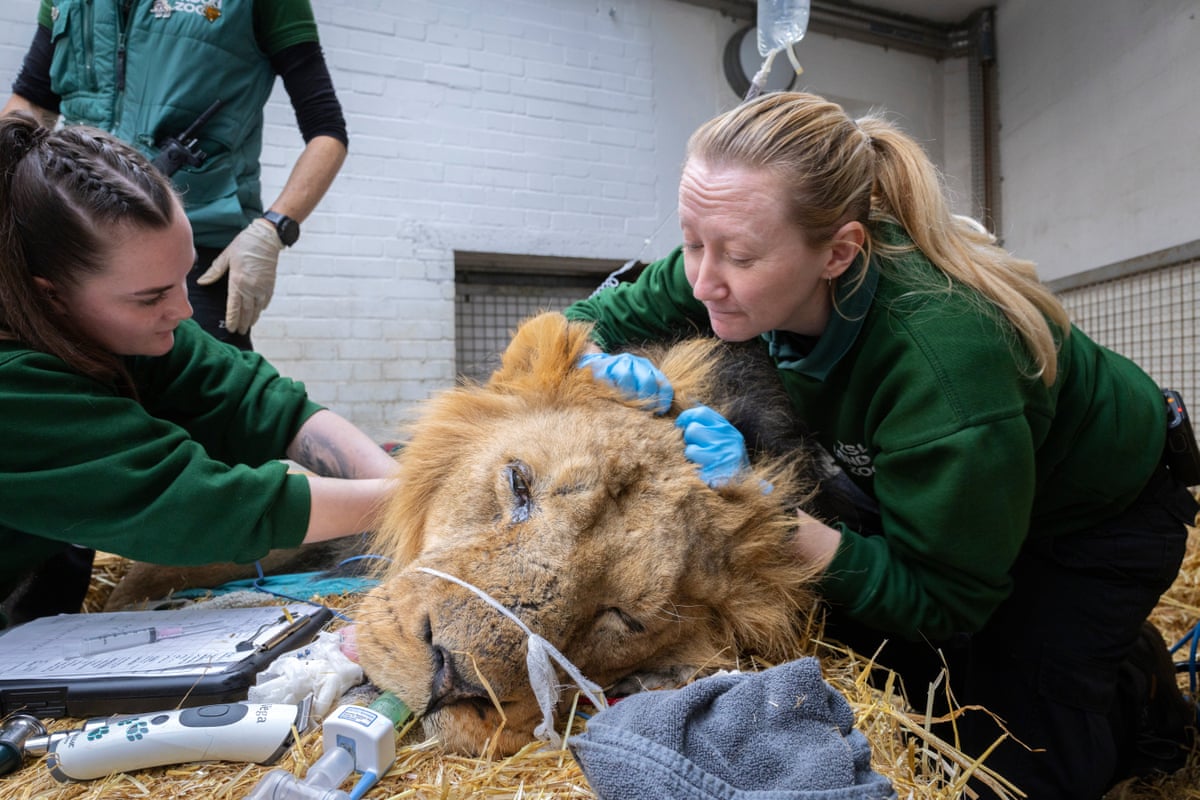
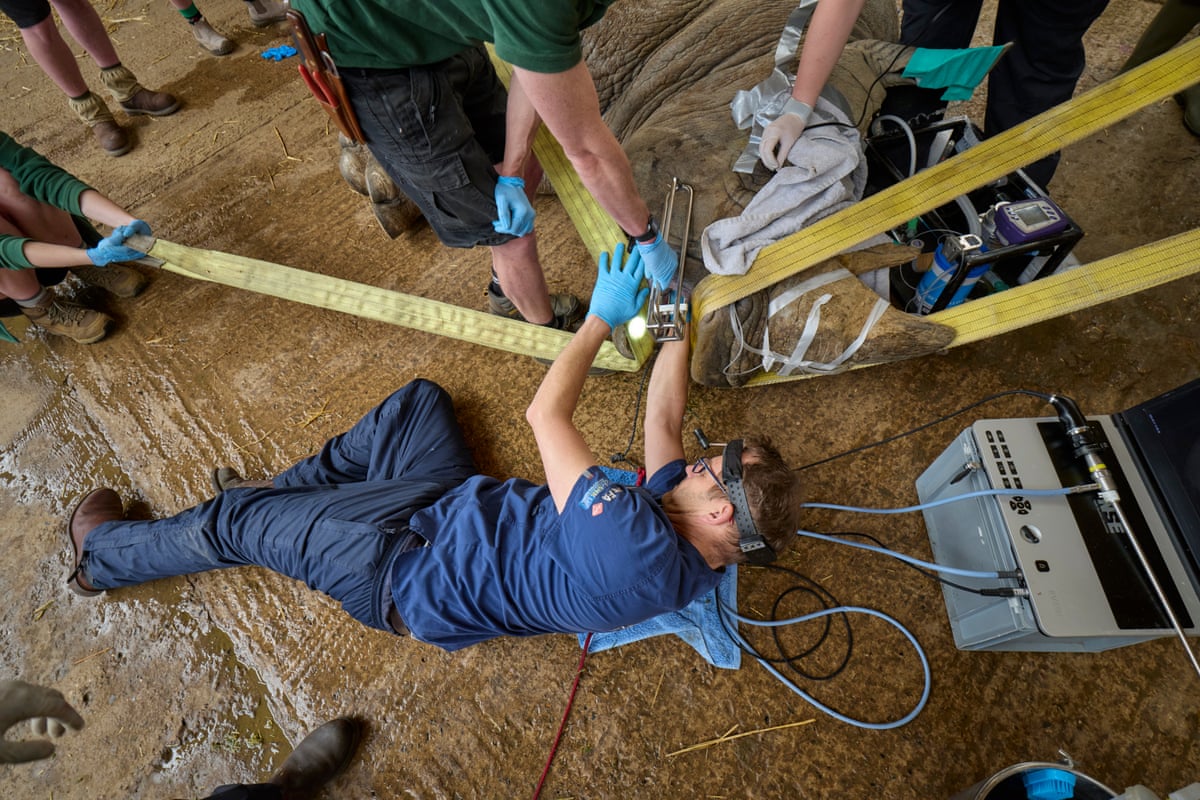
The veterinary team at ZSL faces diverse challenges, treating large, dangerous, small, and rare animals. Levene describes his initial experience with Bhanu, an Asiatic lion suffering from chronic ear infections and a narrow ear canal, requiring a general anaesthetic for thorough examination. While under anaesthesia, vets also inspected Bhanu’s teeth, vital for his carnivorous diet.
ZSL employs a specialized veterinary team, including five vets, six nurses, a pathologist, a pathology technician, a molecular diagnostician, and a microbiologist. Few British zoos maintain in-house veterinary staff of this scale.
Throughout its 200-year history, ZSL veterinarians have pioneered advances in animal health and welfare. Early records from Charles Spooner, the zoo’s first medical attendant, document treatments such as the care of a lion cub named Nelson who recovered from mange and a potentially fatal jaw ulcer through diligent veterinary intervention.
Joan Beauchamp Procter, appointed in 1923 as the first female curator of reptiles and amphibians, revolutionized their care with a novel reptile house. Oliver Graham-Jones, Britain’s first dedicated zoo vet appointed in 1951, invented the handheld dart gun, facilitating safe remote administration of anaesthetics.
Levene’s year-long project began with a visit to London Zoo, where proximity to the veterinary hospital sparked his interest. After months of negotiations, he gained unprecedented access throughout 2025.
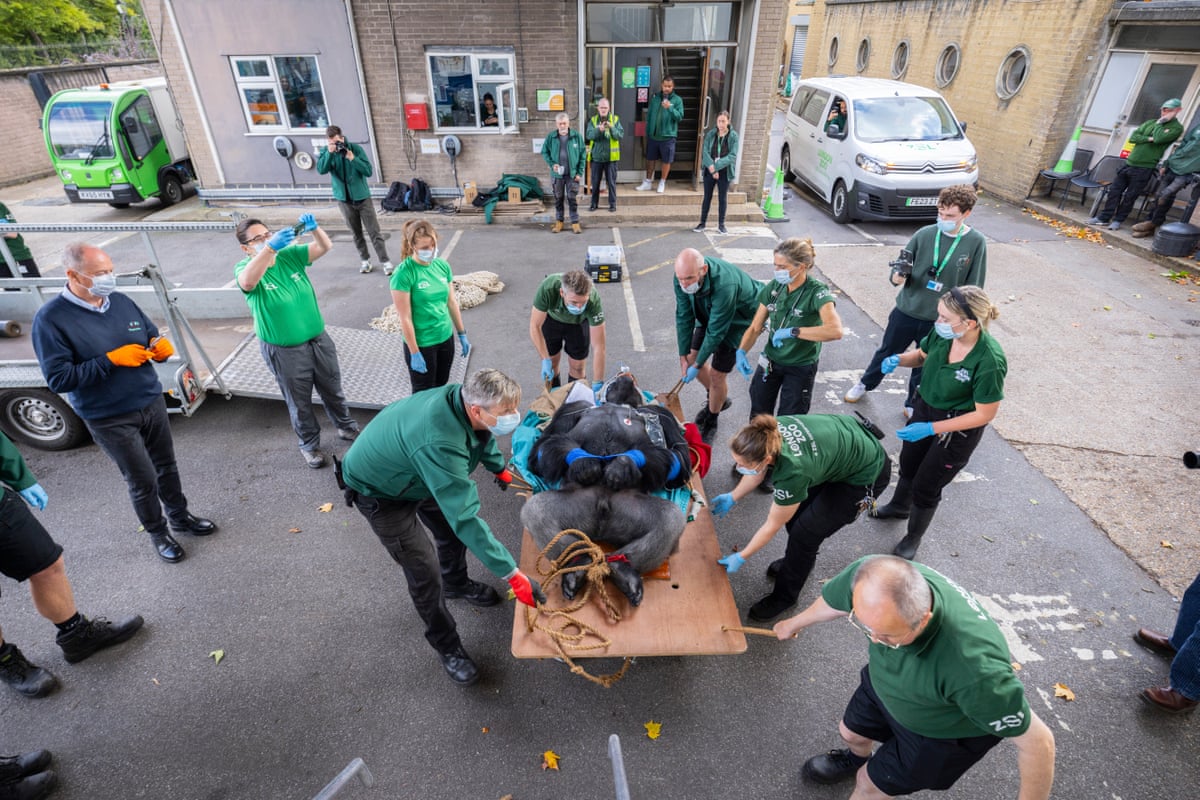
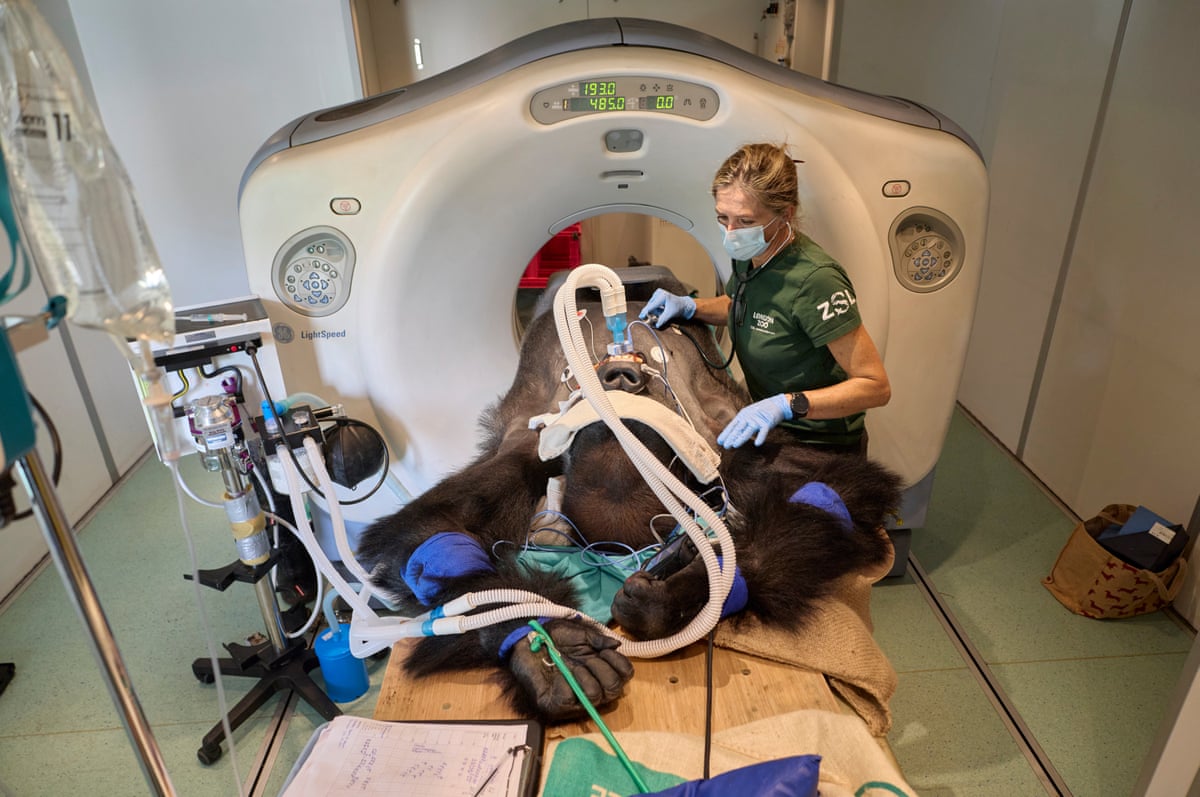
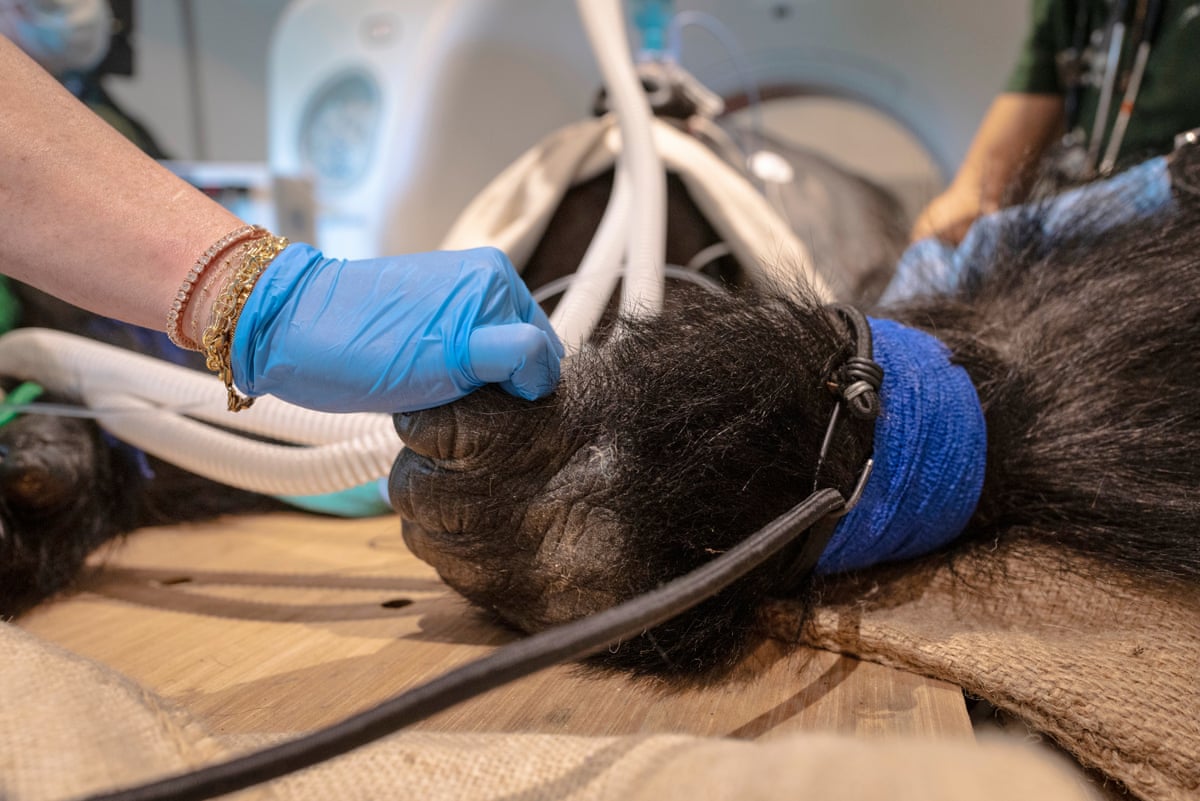
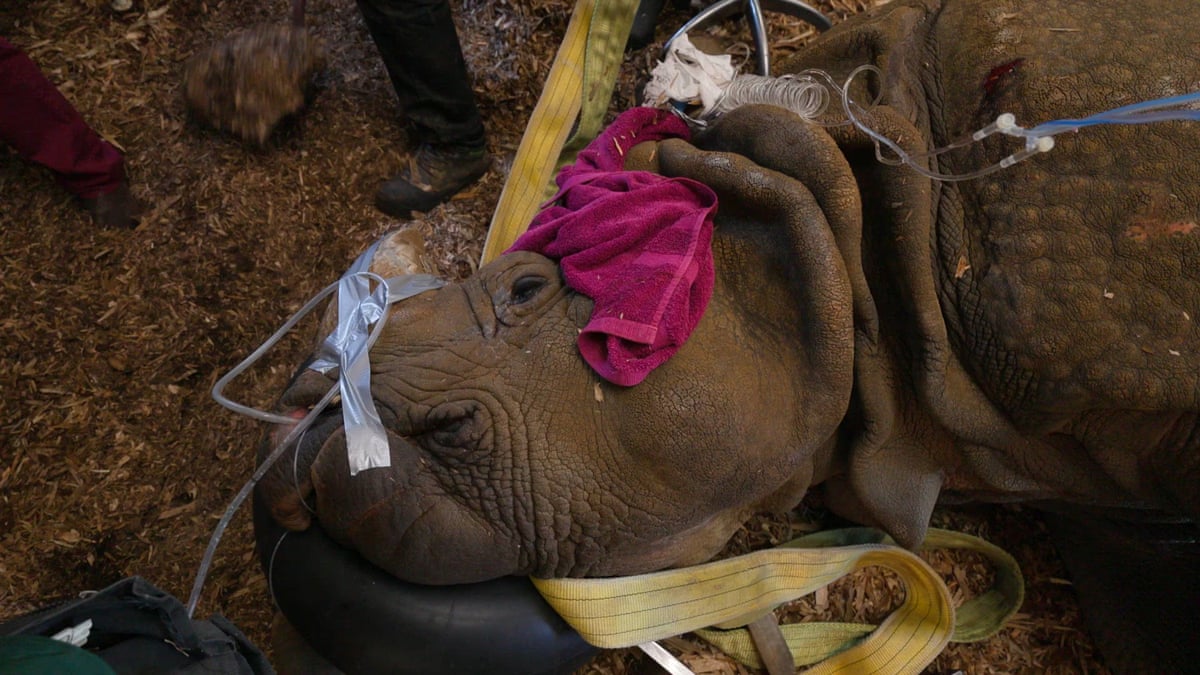
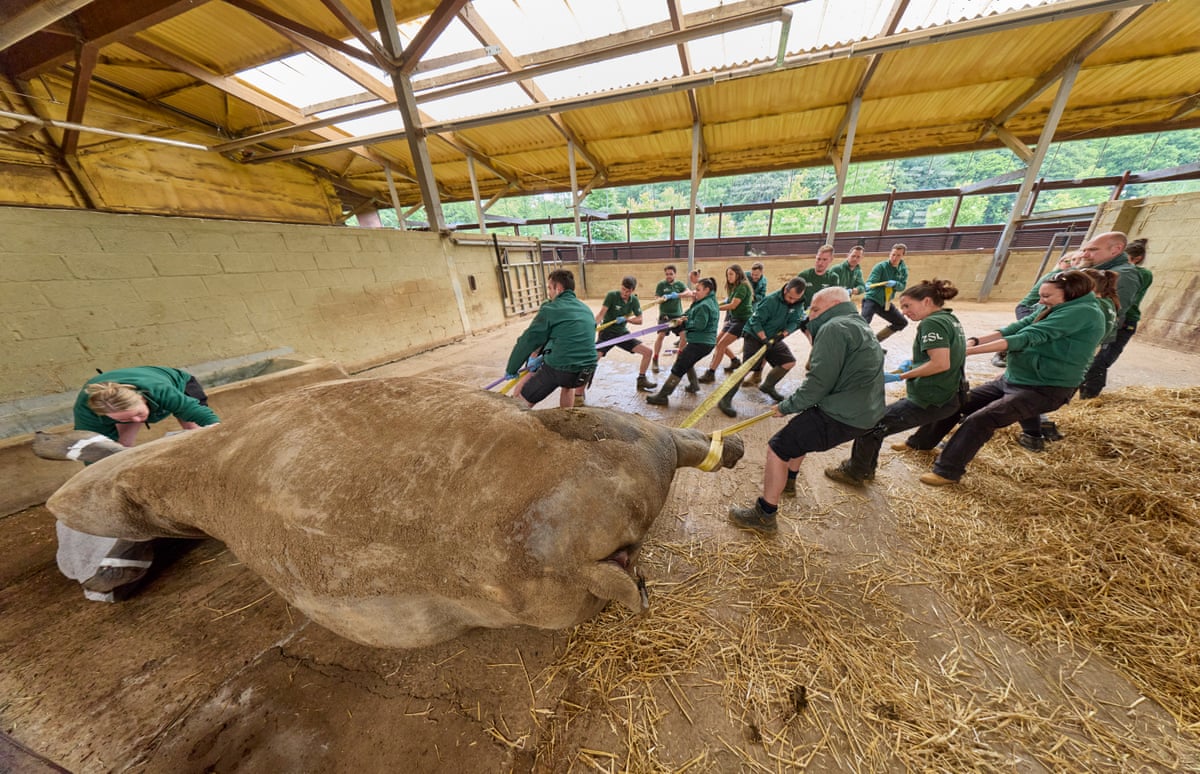
Moving a sedated rhino requires a coordinated effort of more than a dozen vets, nurses, and keepers, as anaesthetized animals do not always fall asleep in convenient locations. Security was heightened when Kiburi, the 177kg, 21-year-old patriarch of London Zoo’s western lowland gorilla troop, was sedated for a CT scan and comprehensive health check.
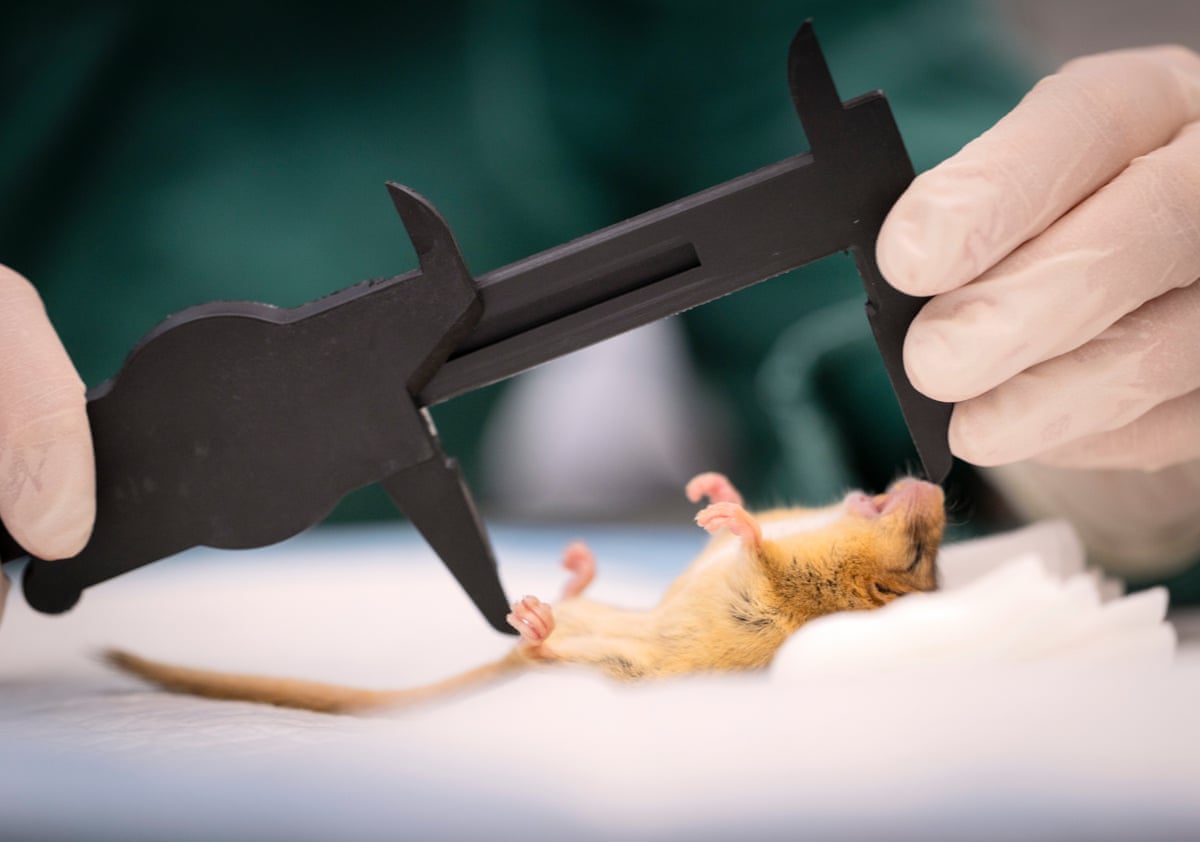
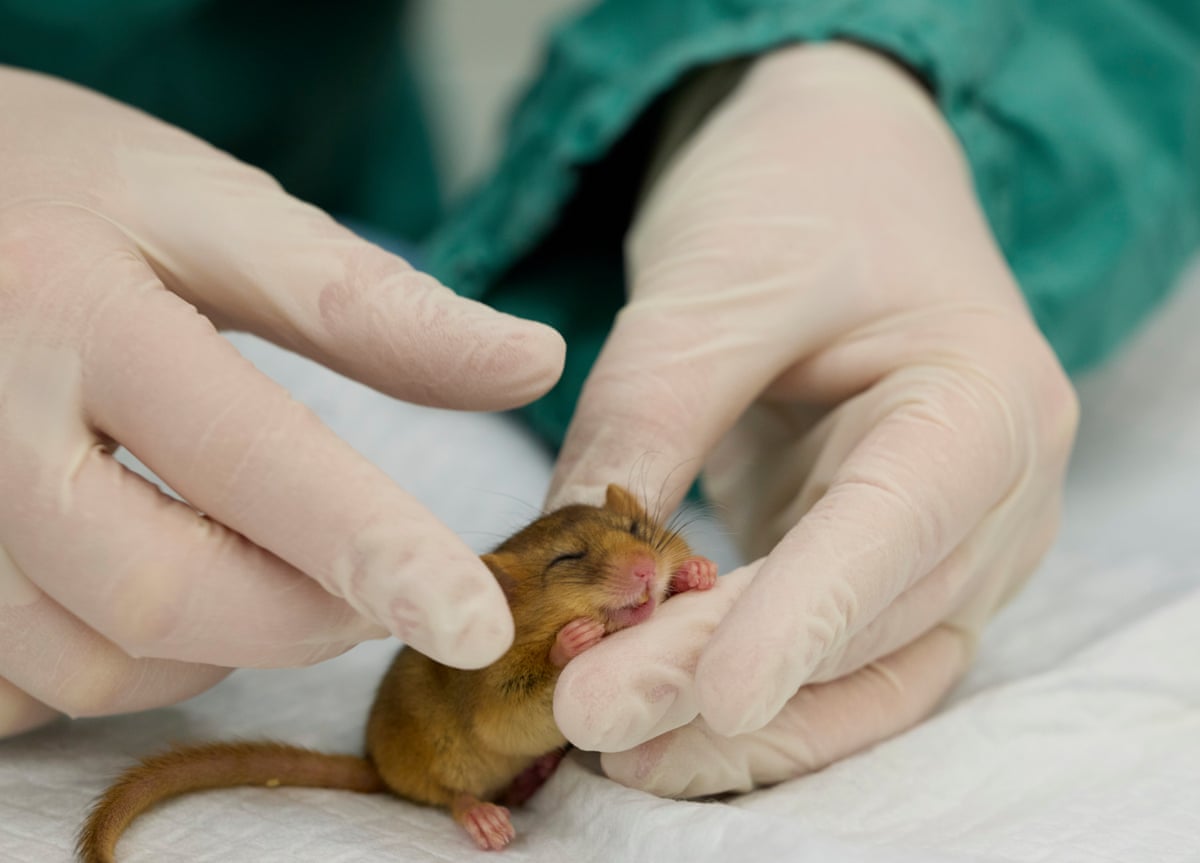
While all procedures demand precision, even the smallest are complex. Levene observed the anaesthesia of dormice, part of a captive breeding program aimed at conservation and reintroduction in the UK, where dormouse populations have declined sharply. Nine dormice were weighed and anaesthetized using tiny face masks to allow detailed health assessments.
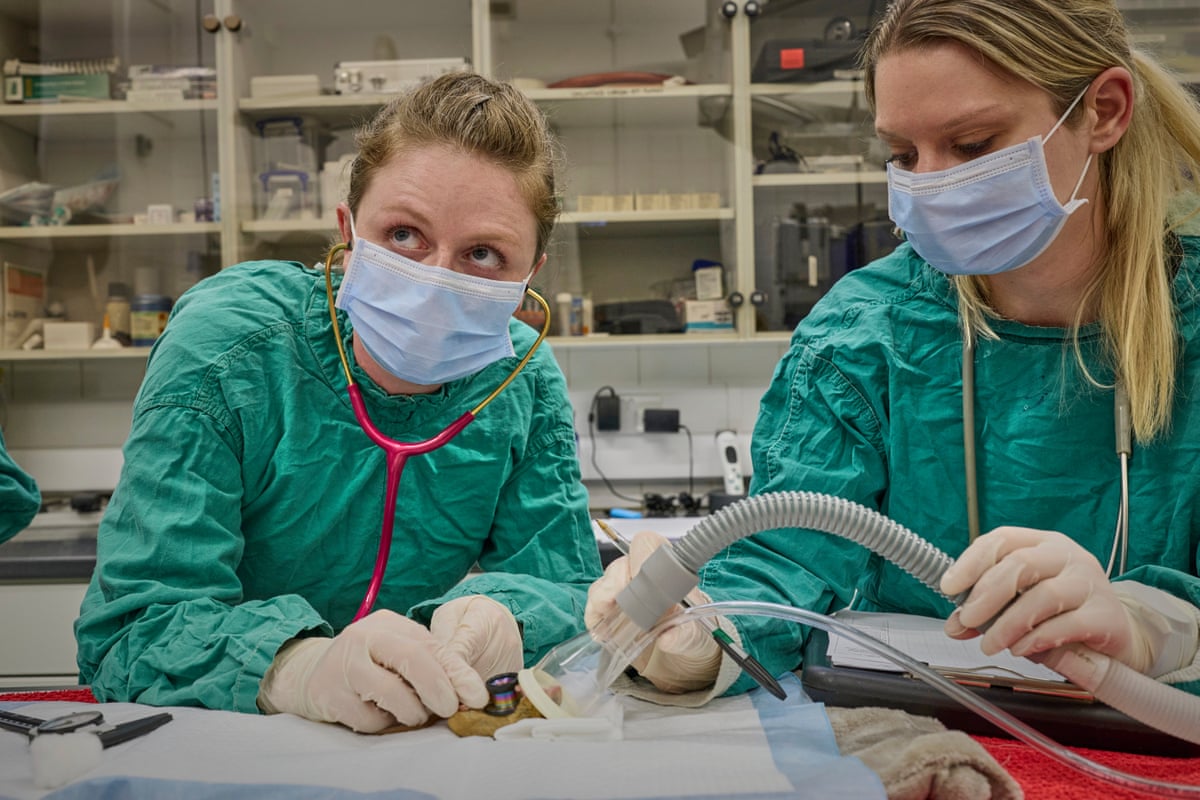
Although drawn to the drama of treating large charismatic species, Levene’s favorite image depicts four medical staff performing surgery on a mountain chicken frog, a critically endangered amphibian capable of growing up to 1kg. ZSL plays a key role in the Mountain Chicken Recovery Programme, addressing threats such as chytridiomycosis, a deadly fungal disease, while breeding frogs in captivity.
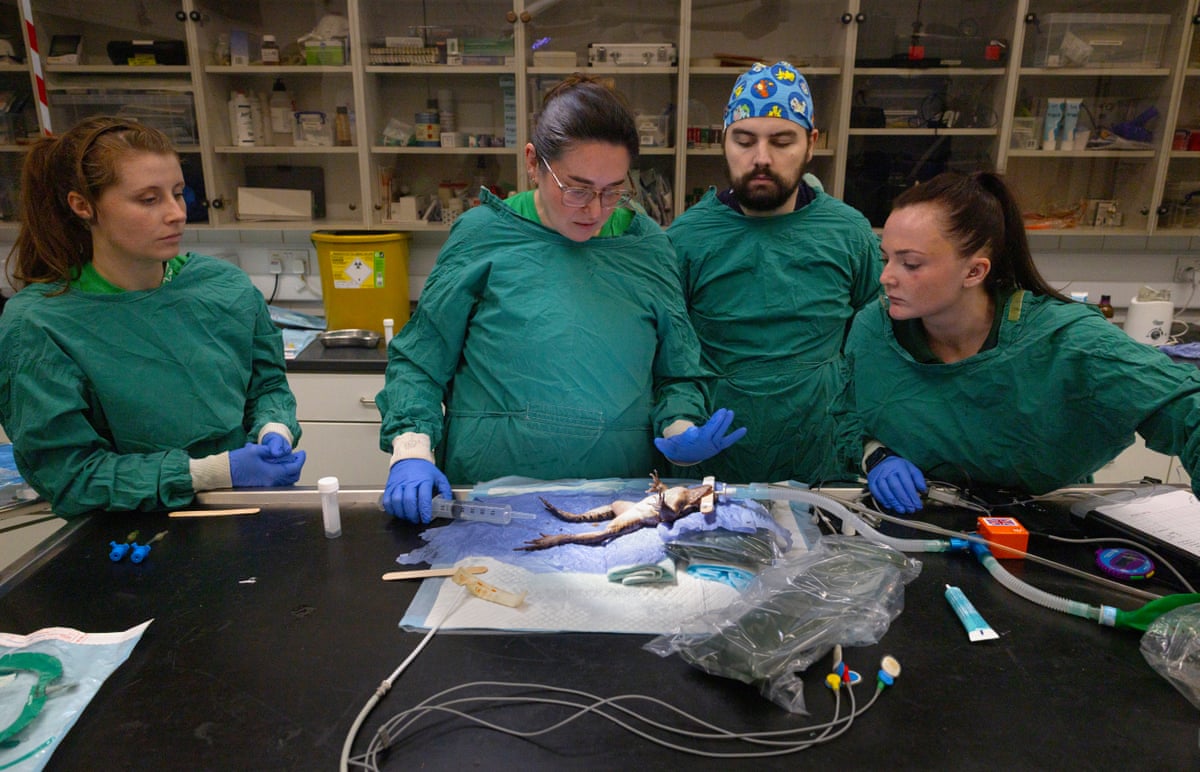
The frog was treated for gallstones with gallbladder surgery. Levene notes the intense focus of the veterinary team during the procedure.
“I love the intent on their faces. It just shows the level of care and attention that goes into creatures large and small. They are all equal in the vets’ eyes.”
Levene was impressed by the passion and professionalism of the veterinary, nursing, and keeper teams. He observed a balance between lighthearted interactions and intense concentration during surgical procedures, emphasizing the welfare of the animals.
“The vets, nurses and keepers were really lighthearted. There was lots of joking, but as soon as we were in that surgical setting, they were laser-focused. They were so concerned with the welfare of the animal that it was almost uncomfortable for the observer, because you didn’t want to get in the way.”
Levene was granted close access, capturing moments such as vets examining Bhanu’s mouth using a phone adorned with big cat stickers to illuminate the gums. While vets maintain professional detachment, keepers develop intimate bonds with the animals, often comforting them during anaesthesia.
“The keepers are living with the animals every day and get to know them really well,”Levene explains.
“They are still very professional, but a procedure is a much more emotional thing for them. When a dangerous animal is under anaesthetic, they are all over them – taking the opportunity to cuddle these animals, smell them.”

After capturing approximately 50,000 photographs over the year, Levene reflects on the profound experience of close encounters with these animals and the dedication of their caregivers. He recalls holding a sedated lion’s paw:
“It was biiiiig. It was a big unit of a paw. A good two hands-worth.”
‘It’s a huge undertaking to anaesthetise a rhino’: the animals ‘going under’
Each day at London Zoo’s veterinary hospital begins with a meeting at 8am, connecting the Wildlife Health Services team with their counterparts at Whipsnade via video link to review the day’s procedures.
The team discusses inpatient treatments for serious health issues alongside routine inspections and medication for minor ailments. General anaesthesia (GA) is reserved for complex or high-risk procedures, sometimes conducted within the treatment room but often requiring multiple vets, nurses, keepers, and external specialists, occasionally performed within animal enclosures.
Anaesthesia is used to ensure animal welfare and safety while minimizing stress. For trained animals accustomed to presenting their tails, anaesthesia can be administered via injection through protected openings. Larger or more dangerous animals may require darts delivered by air rifle.
Following sedation, reversal drugs may be administered to gently restore consciousness.

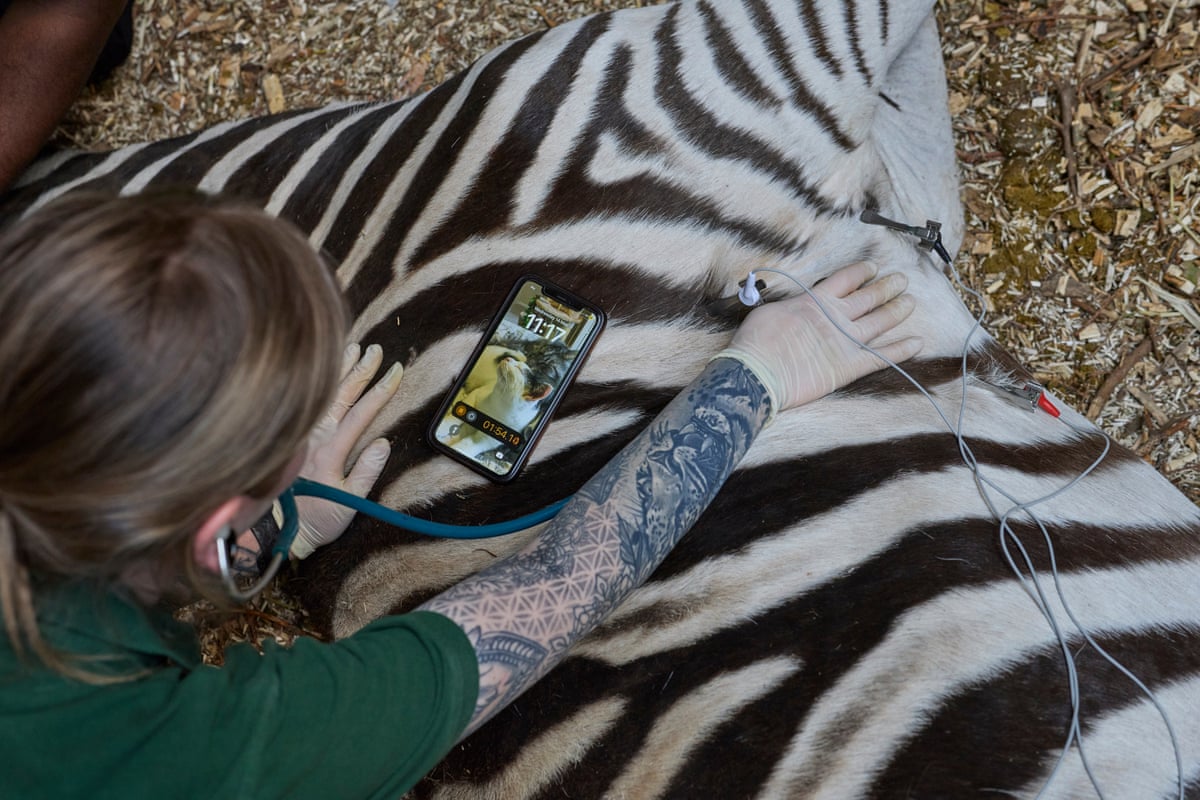
‘I’ve had to upheave my life to do this!’ A veterinary resident’s first six months
Harriet Woodhall is a veterinary resident at ZSL, participating in a three-year training program designed to prepare veterinarians for zoological medicine. This specialized career path is highly competitive and requires significant personal sacrifices.
“I’ve had to upheave my life, and my partner’s life!”Woodhall states.
“If you’re not willing to make the sacrifices in pay and time off and life outside of work, then I can understand why people give it up.”
Woodhall’s background includes extensive work with domestic cats and dogs in small-animal practice, which provides foundational surgical and clinical skills essential for zoo veterinary work. Transitioning to exotics such as reptiles and amphibians broadens expertise to address the diverse physiologies encountered in zoos.
A ZSL veterinarian explains:
“It’s very rare that someone will just graduate and go straight into a zoo. You need to be spaying pets, doing routine surgeries, caesareans, intestinal surgery, so you’ve got good foundational knowledge and skills.”
Woodhall’s interest in zoo veterinary medicine was inspired by frequent visits to Whipsnade Zoo during her childhood, where she observed the evolving animal collection and facilities.
“Whipsnade wasn’t our closest zoo, but it was the one that I would go to. I remember going a lot as a kid and seeing the changes over the years. I even remember the days when elephants were walking around the zoo and they had sea lions and all sorts. Going there inspired me to go into this field.”
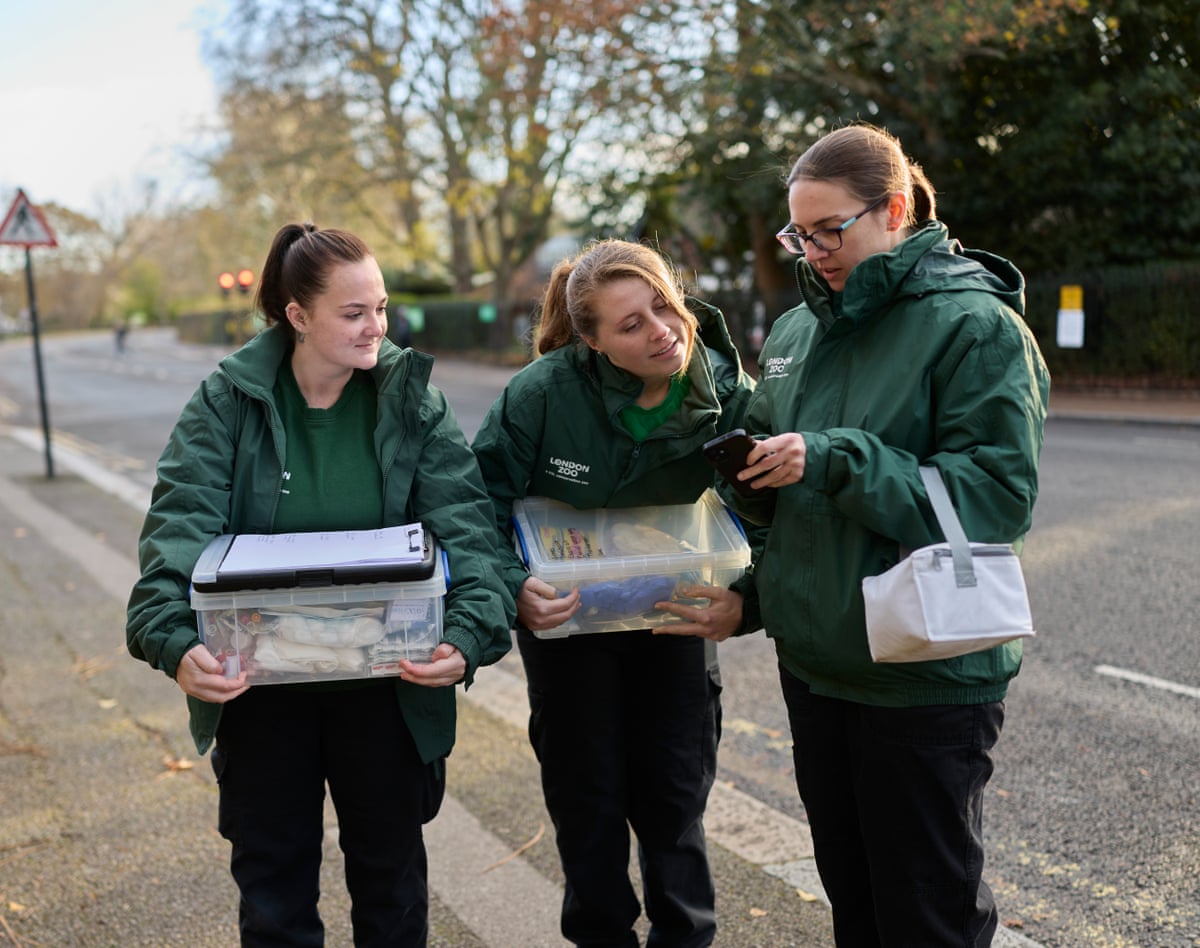
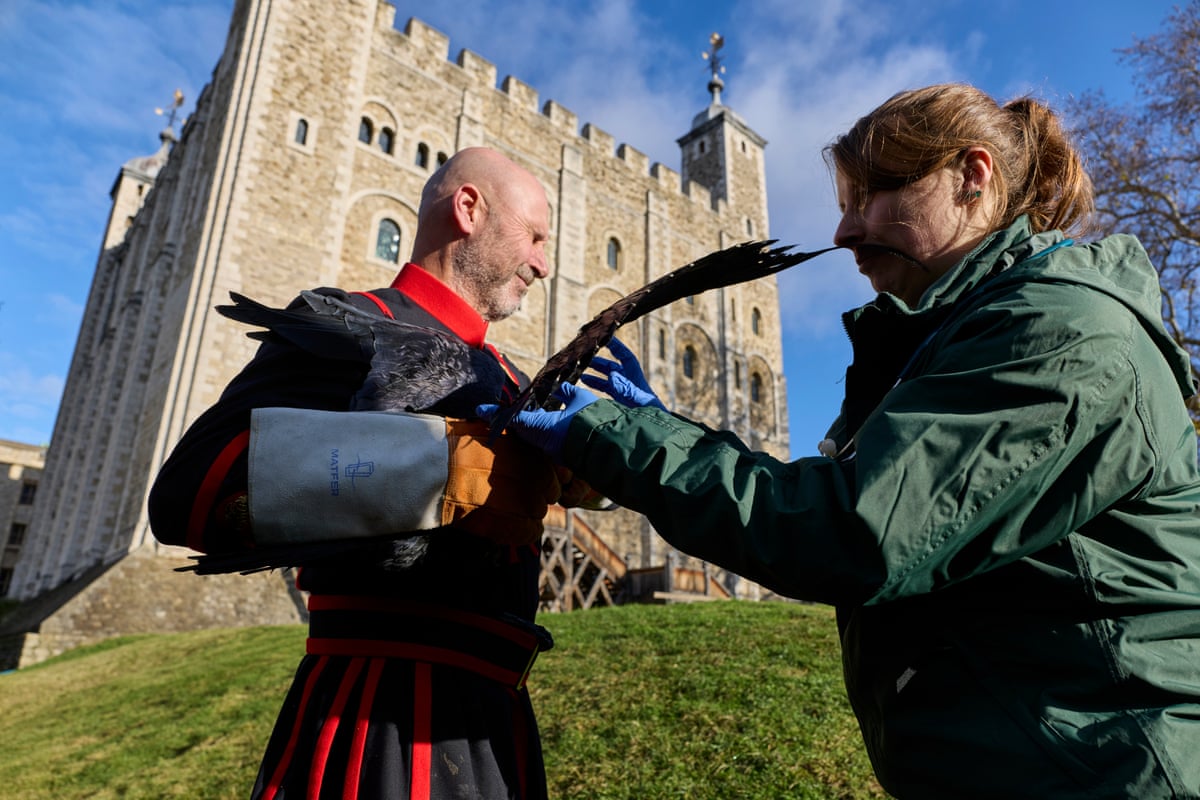
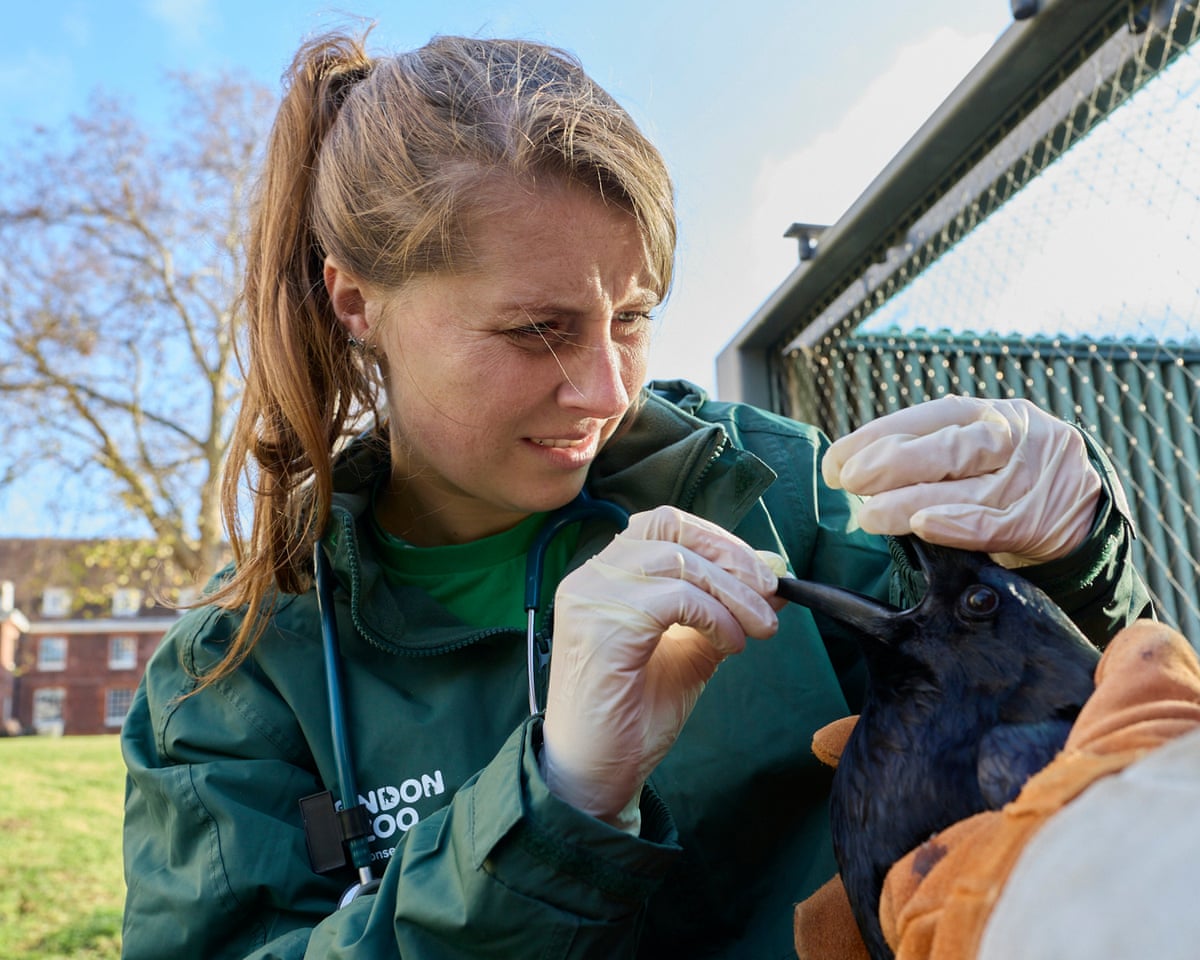
‘These are rare animals. We want to learn more about them’: inside the pathology department
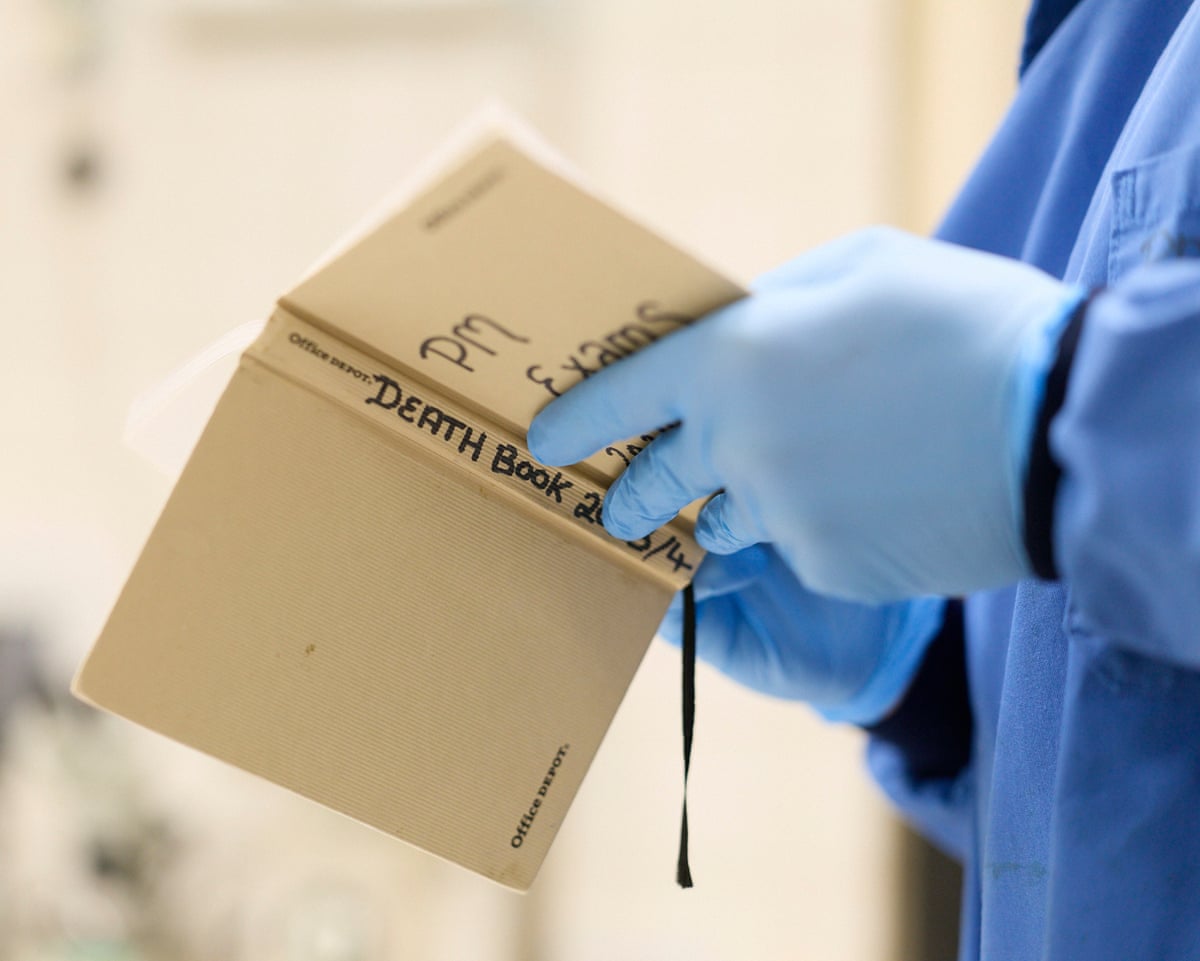
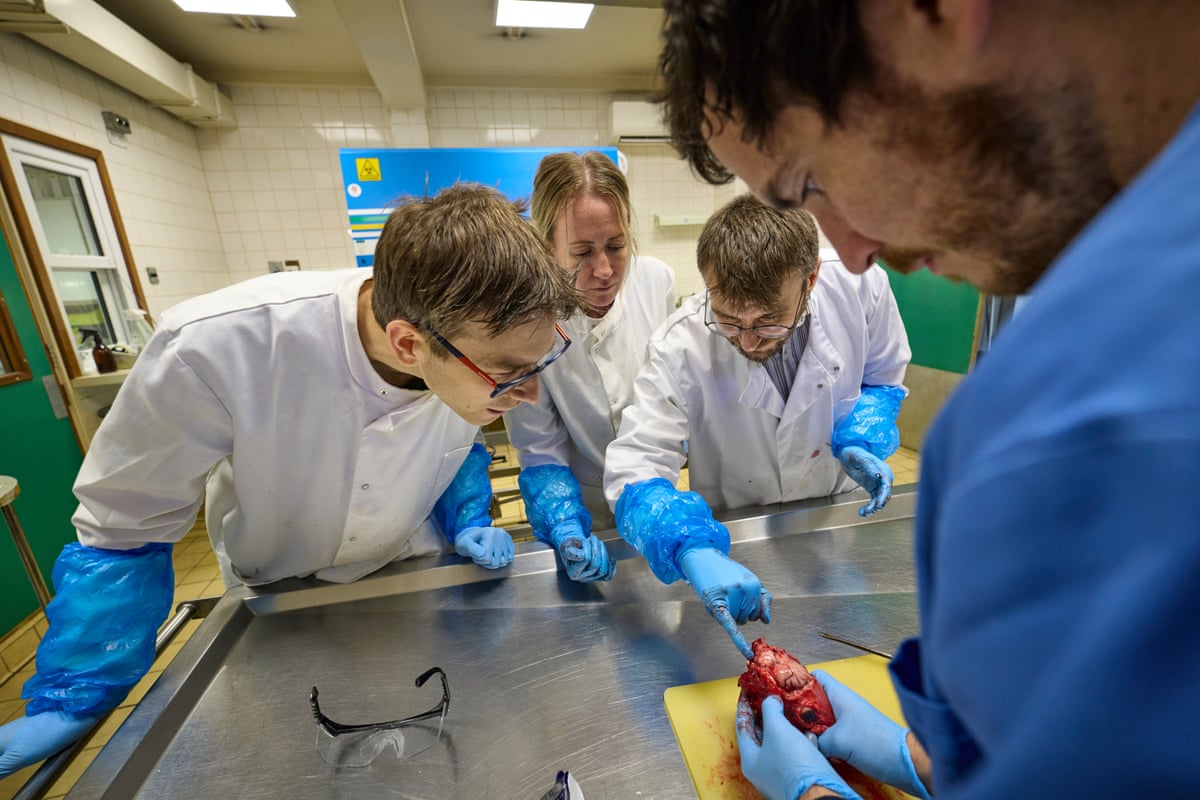
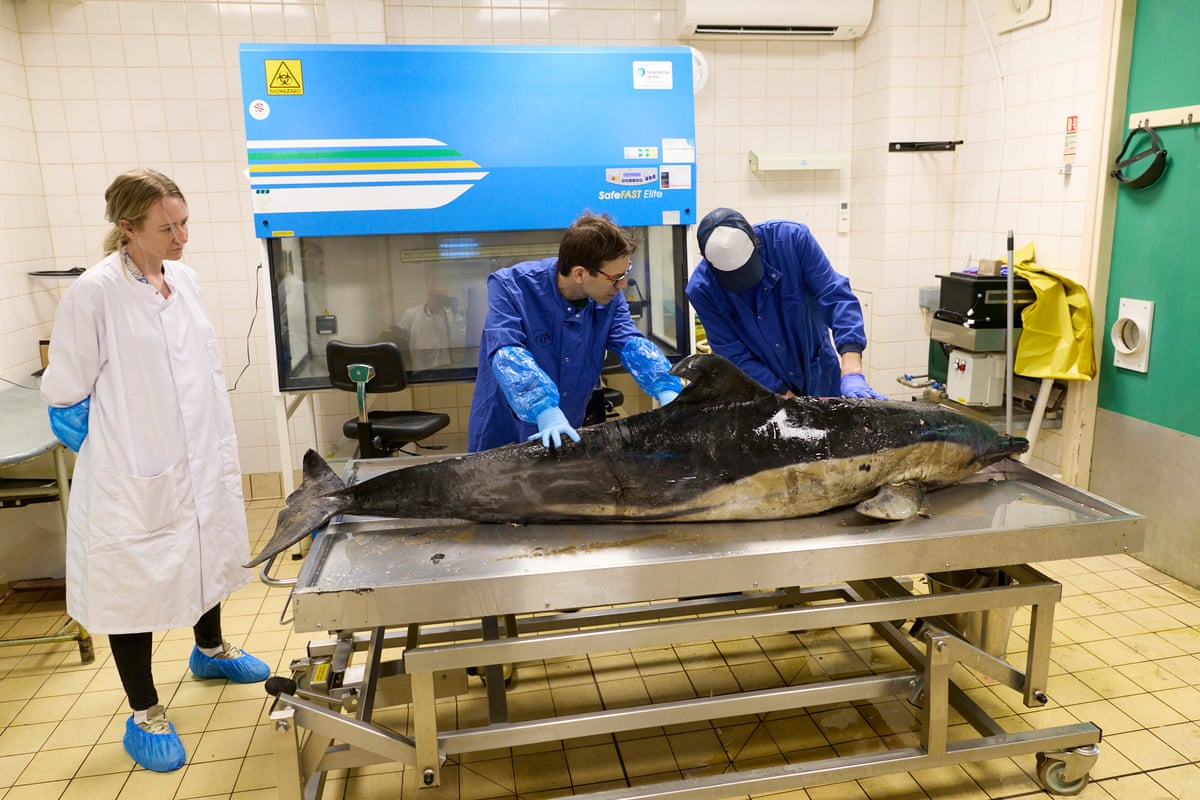
Simon Spiro serves as the UK’s only full-time zoo pathologist and possibly the only one in Europe. His pathology department plays a crucial role in advancing zoological science and animal health at ZSL and beyond.
Spiro is responsible for determining causes of death for all animals at London and Whipsnade zoos, fulfilling legal requirements and ensuring transparency. This process helps maintain public confidence that animals are not dying from unreported causes.
His findings also provide feedback to veterinary teams, enabling them to verify diagnoses and treatment efficacy.
“The vets are diagnosing animals, they’re treating animals. They need to know if they’re correct. It’s one thing to make a diagnosis, and we may work on the presumption that an animal has cancer, for instance, but until you have the pathology, until you have the results of the postmortem, you can’t really know for sure. So that lets us mark our own homework, as it were. It lets us know what we’ve got right, but then it also lets us know what we’ve got wrong.”
The pathology and molecular diagnostics work also supports research initiatives monitoring zoonotic diseases, animal welfare, and informs government policy.
“You can’t do all the investigations you might want to do on an animal while it’s alive. These are rare animals. There’s not much we know about them and we want to learn more about their anatomy, their physiology.
“ZSL is a conservation organisation, and conservation is fundamentally about stopping animals from dying, and if you don’t understand why they’re dying there’s no way you can do that.”
‘The zoo was never originally intended to be a place of entertainment’: the importance of science and conservation
London Zoo functions as more than a public attraction; it is a significant contributor to global animal science and conservation efforts. Founded 200 year...


