Kevin Brewer Struggles to Afford Work Amid Rising Fuel Costs
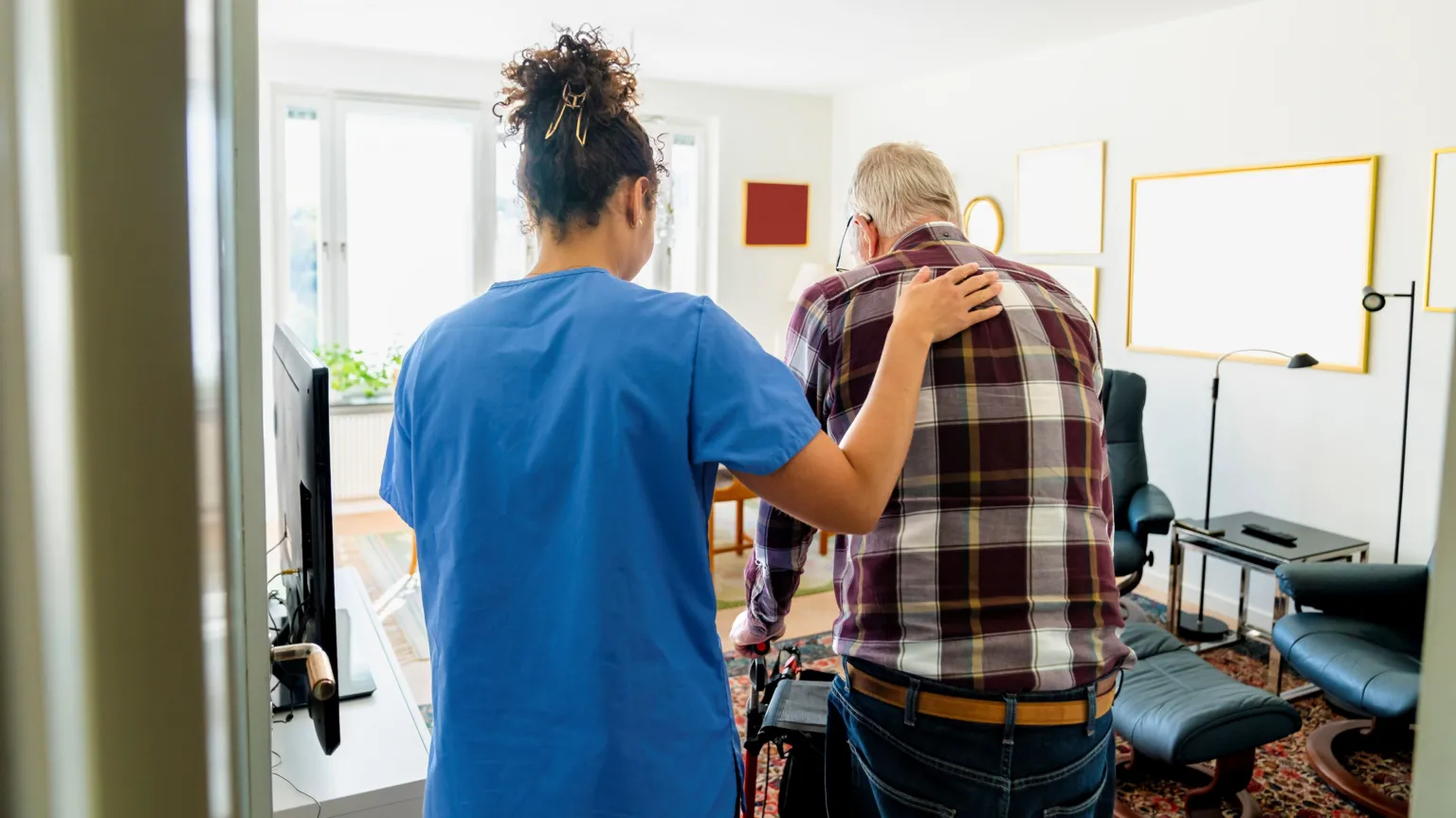
Kevin Brewer is passionate about his role as a domiciliary care worker but is facing severe financial challenges due to escalating fuel prices. Driving approximately 70 miles daily between clients’ homes, the recent surge in petrol and diesel costs has left him uncertain about how much longer he can continue in his job.
"I thought last week I was going to have to phone up and tell them I couldn't go. I had to borrow money to pay for fuel,"
With the ongoing conflict involving the US, Israel, and Iran contributing to fuel price hikes, carers like Kevin are under increasing pressure. The Independent Health & Care Providers (IHCP), an industry body, has urged government authorities to intervene and provide support.
They emphasized that the Department of Health must take urgent measures to assist staff during this fuel crisis to maintain essential community services.
The Department of Health acknowledged the issue, stating they understand the "recent volatility" in fuel prices is significantly impacting the public and service providers, including health and social care sectors. They noted that this matter is part of broader government discussions.
Approximately 20% of the global oil trade, crucial for petrol and diesel production, has been disrupted by the closure of the Strait of Hormuz, exacerbating fuel price increases.
In Northern Ireland, petrol averages 154p per litre and diesel 188.1p, according to the Consumer Council, up from pre-conflict prices of 124.8p and 132.6p respectively.
'I Love My Job'
Based in Donemana, County Tyrone, Kevin used to spend about £30 every two days on petrol for work, but this has now risen to £70. Employed by a private company, he receives only 20p per mile in reimbursement, which leaves him financially strained.
"I love my job. I love care work,"
"I just don't know how much longer I'm going to be able to do it."
He is appealing to politicians for assistance to support home care workers.
"Something needs to happen because we are going to lose our care staff in the community because I've been talking to colleagues myself and they're all suffering the same issues,"
"I don't know how much longer I can carry on. I'm out money to go to my job.
"I can't afford to go to work," Brewer said, adding that he cannot afford to stay off either.

What Are the Mileage Rates?
Health and Social Care Trusts (HSCTs) provide social care services to individuals in their homes and also commission services from independent providers. Mileage reimbursement rates vary depending on whether workers are employed by health trusts or private organizations.
Staff within Health and Social Care Trusts receive 58p per mile for the first 4,500 miles traveled in a financial year and 30p per mile thereafter. However, health trusts do not include mileage costs in tariff rates paid to private providers, where rates are often lower.
The social care workforce remains the lowest paid group within the health and social care system.

'Cannot Lose This Workforce'
The IHCP has expressed concern that rising fuel costs may lead to increased staff turnover.
In a statement, they noted that many care workers face financial dilemmas forcing them to decide whether they can continue working in home care.
They highlighted that home care enables patients to leave hospitals and provides essential community contact for vulnerable and isolated individuals.
"We cannot afford to lose this workforce."
The IHCP also stated that the Department of Health is fully aware of the high risks involved.
'Scared to Turn Their Heating On'
On Thursday, Stormont ministers approved a support package offering a £100 payment towards home heating oil for households with incomes of £30,000 or less or those receiving certain benefits. This payment is expected to be available during the summer at the earliest.
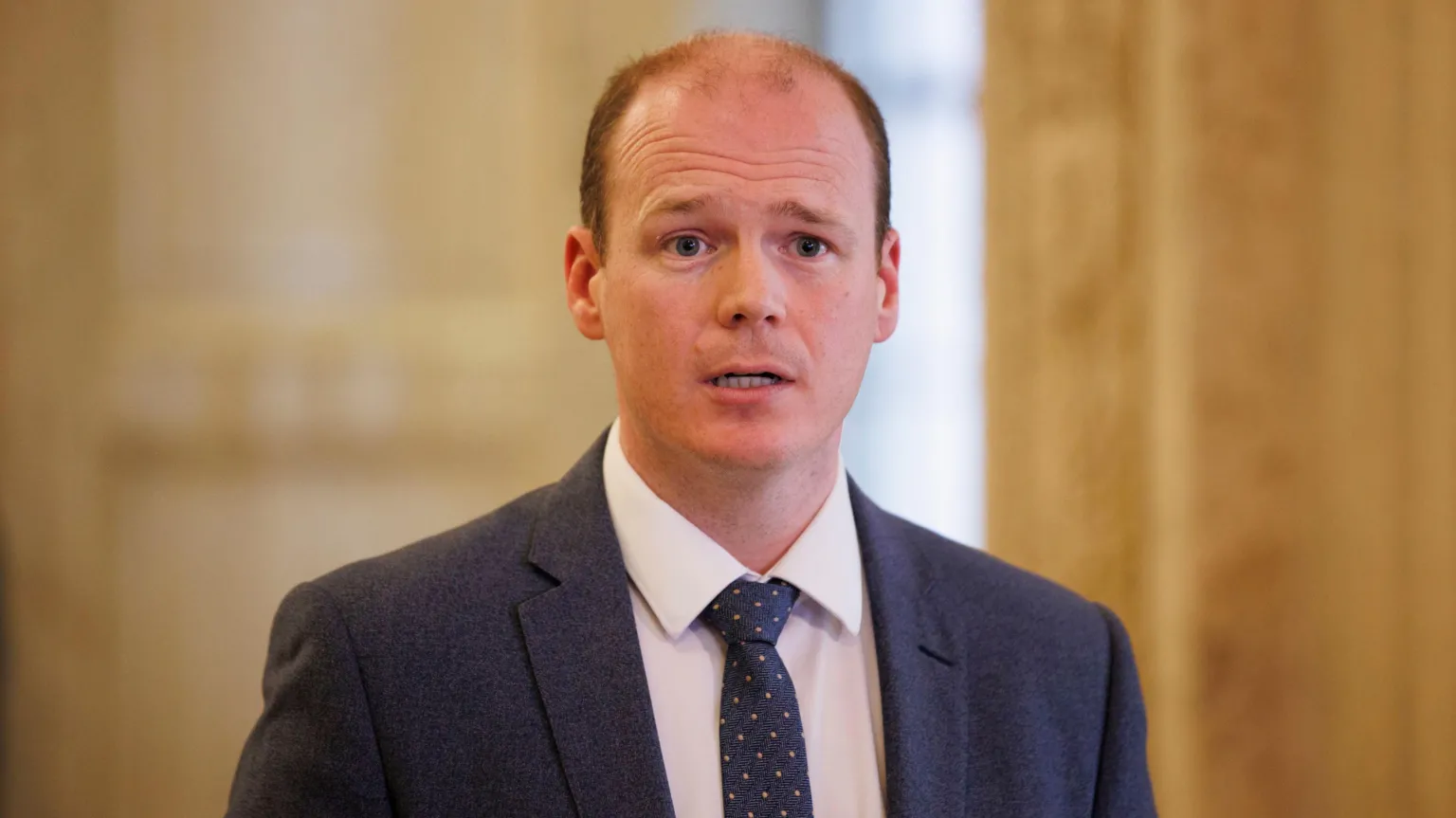
Communities Minister Gordon Lyons acknowledged on Radio Ulster that while the payment may not be sufficient, the executive has limited options.
"I understand this is not enough, I understand that this will take time, but we have limited levers at our disposal, we're trying our best."
Kevin Brewer is not eligible for this support but said it would be beneficial if he were.
He shared that many of his colleagues feel their backs are against the wall and are afraid to turn on their heating.
"They're trying to make it last because they don't know if they're going to be able to get to work with their fuel. And they're skimping and scraping in the house, with their food even.
"I've heard actually a few this morning tell me they're double layering in the house and not turning on their heat just so they can afford their fuel just to go to work."
'Drop the Profession'
Brewer described the situation as a struggle, noting that his partner has taken a second job and he will likely have to change roles if conditions do not improve.
He said many colleagues are in the same position and have expressed intentions to leave home care work for other roles, such as nursing home positions.
"They've all said the same, that they would have to drop the profession and go maybe into a nursing home or something else."
"It's not what they want to do, because we've obviously got into this role for a reason."
Brewer emphasized the impact on service users if home care workers begin to leave their jobs.
"They need us there and without us they're stuck as well - where do they turn to?"