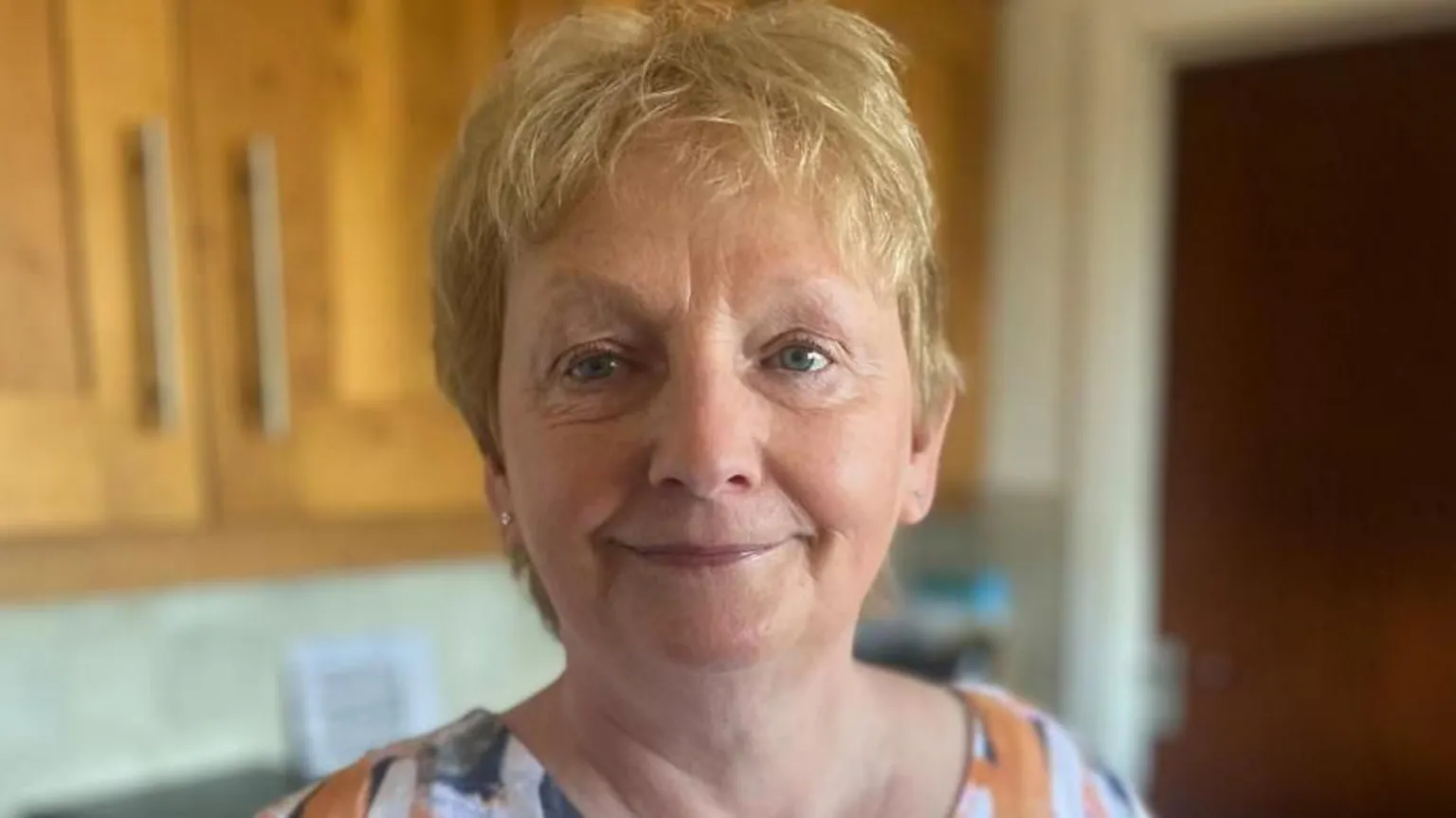
"Old age crept up on me," Liz Sinclair reflects as she gazes over the honeysuckle, rhododendron, and rose bushes that brighten the garden of her family home.
Her husband Alistair dedicated countless hours to tending the garden. Together, they planned it decades ago, and it was the backdrop for many joyful afternoons with their two sons.
Now, life has changed significantly for the 82-year-old. She once believed she could manage on her own but eventually recognized the need to seek assistance.
Liz is among tens of thousands of men and women in Northern Ireland who receive home care packages.
In 2025, Alistair was diagnosed with dementia. Liz found him "the right care home" and began a new chapter without him.
Carrying many stories, the softly-spoken former teacher originally from England now leads a quiet life, her days marked by visits from home care workers like Freda.
During our conversation, Liz occasionally searched for words, with Freda offering encouraging nods to affirm her thoughts, reflecting Liz's own diagnosis of memory loss and early dementia.
"Freda is not just my carer but my friend and someone I can chat to and laugh with, laughing is still important, in fact we tease each other," she said.
Subtle indicators of her diagnosis are visible throughout the house, such as support railings on walls and post-it notes in the kitchen reminding her about visits, meals, and medication.
'My home holds happy memories with children growing'
Looking out over the now-overgrown garden, Liz recalled how much time her husband spent there until a few years ago.
"Just like Alistair and I, the garden now needs tending to. We could no longer cope with it all and sadly it's overgrown and a bit wild looking," said Liz.
"My home holds lots of memories, happy memories with children growing up and tea in the garden - while I am here I can still enjoy those memories."
Despite the challenges, Liz continues to live at home with carers who assist by taking her shopping, doing housework, ensuring medication is taken, and perhaps most importantly, providing companionship.
This support enables her to remain at home, maintain her independence, and live surrounded by artwork and books lining her bookshelves.
Liz's life exemplifies the importance of granting older individuals autonomy, choice, and respect.
However, she pays for this care to ensure visits last at least 30 minutes, longer than the average 15-minute care visit.
The independent health care sector in Northern Ireland provides approximately 80% of home care visits to elderly and vulnerable individuals, with health trusts delivering the remainder.
Yet, home care packages in rural areas face threats after one of Northern Ireland's leading independent health care companies announced it must withdraw from some rural locations due to financial constraints.
Connected Health stated that government failure to adequately fund the independent care sector will result in service reductions, adversely affecting families.
The Department of Health has previously acknowledged significant challenges across the health and social care system, citing the absence of an agreed budget.
Home Instead, another independent company delivering thousands of care packages, including to Liz in Newtownards, has seen a 25% increase in enquiries recently, particularly from rural families.
Its director, Lynne Elliott, told NI that people want to remain at home as long as possible.
"Sometimes in order to keep their costs low health trusts don't use us just as much and that can be a short-term gain but that will only bring further pressure down the road.
"We believe it doesn't pay to be penny wise and then pound foolish - investing in home care keeps people out of hospital and independent in their own homes," Lynne said.
'He was like one of my family'
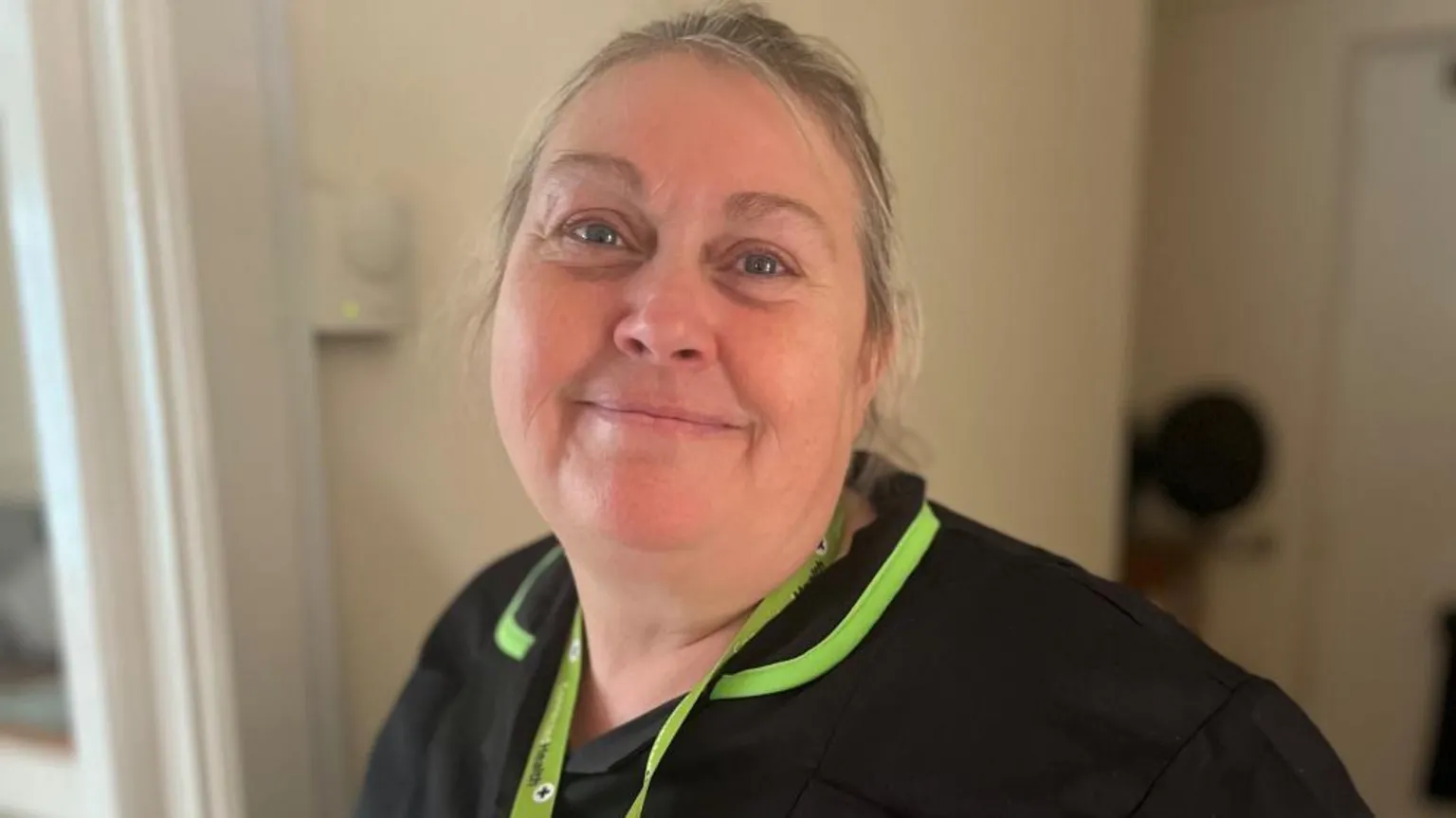
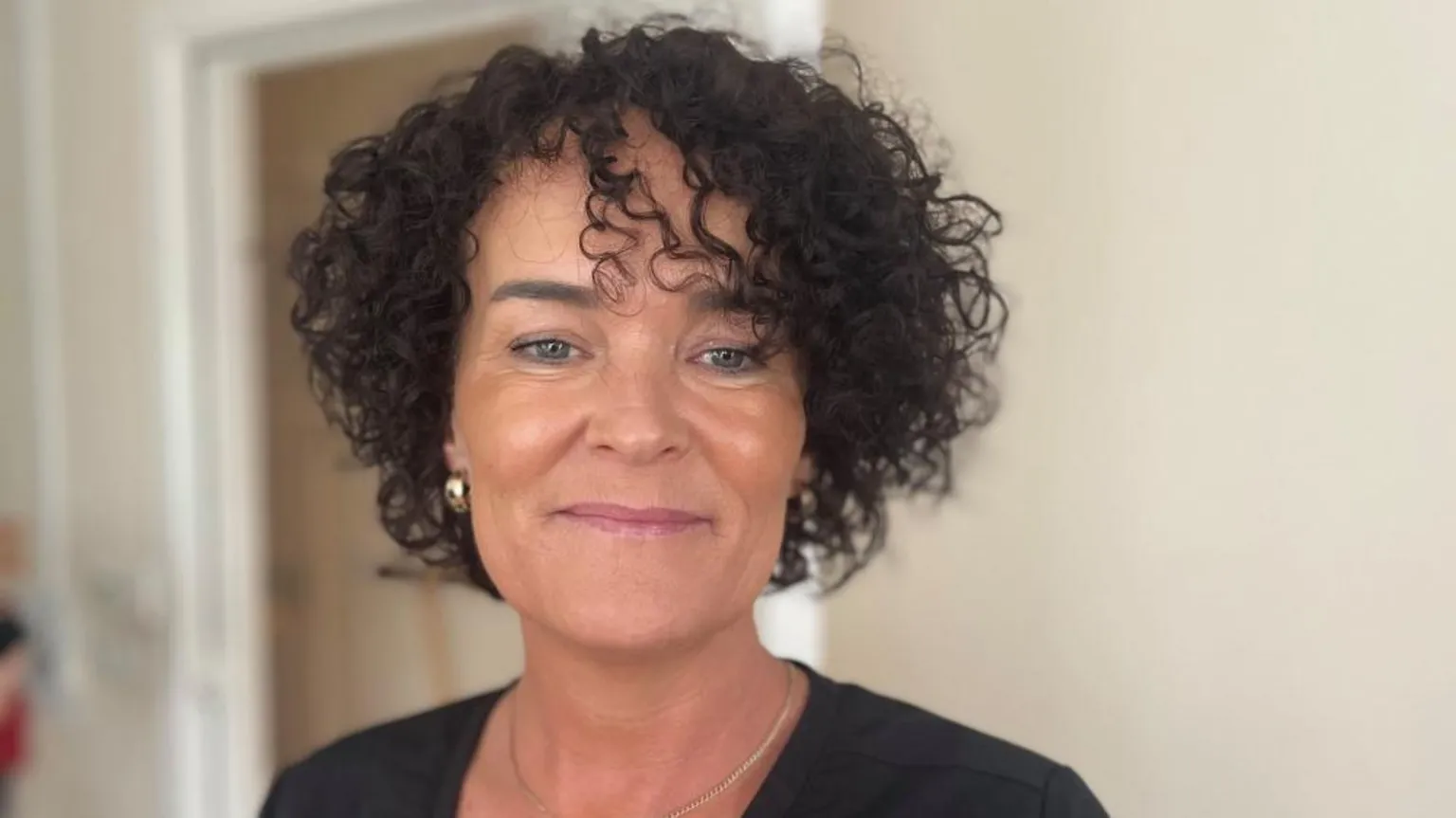
Care workers like Bronagh Moore and Kellie Stewart begin their days early, assisting clients with tasks such as changing stoma bags, personal pads, and, when working together, hoisting clients from beds to armchairs.
Bronagh has nearly 30 years of experience in the independent care sector. Her schedule dictates her day, a role she finds rewarding yet physically and mentally demanding.
For Bronagh, clients are "extended family," though she often encounters individuals who have fallen.
"Recently I had to perform CPR on a wee lady and I was on my own but we got her to hospital and she survived another three days, the family were grateful they'd that time and that their mum didn't die alone," she said.
When we met, Kellie, who works alongside Bronagh on double calls, had just learned that a man she had cared for over four years had passed away.
"It wasn't just about making his lunch or changing his bed and making sure he took his medication he was like one of my family - and now he's passed away and I will miss him," Kellie said.
They are among 34,000 people employed in Northern Ireland's independent care sector, most dedicated to visiting homes to help people maintain independence and avoid hospitalization.
Each typically visits around eight clients daily, from early morning until late afternoon.
'They keep me alive'
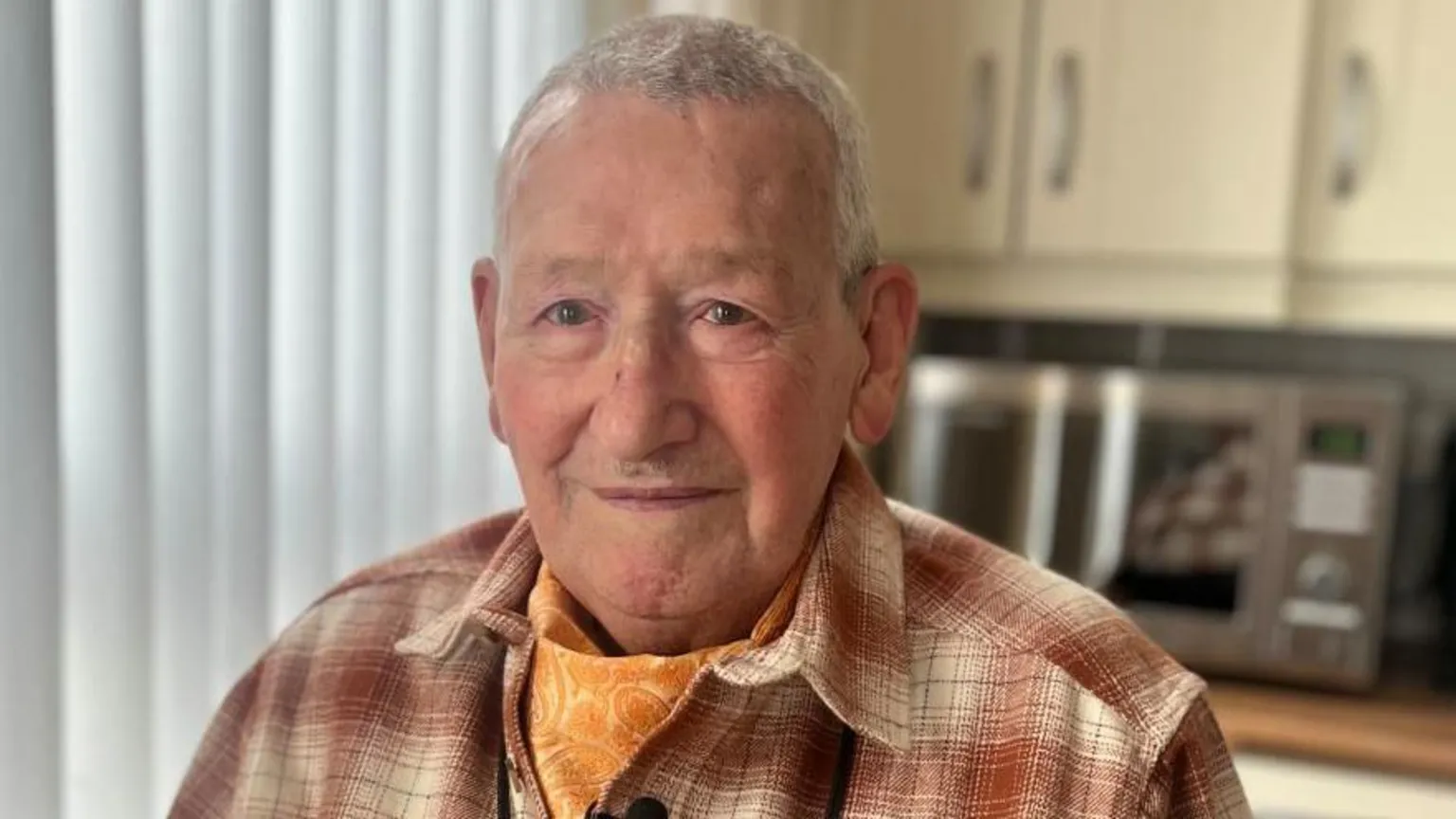
One client, 91-year-old Alan Gregg, recovering from cancer and living with chronic arthritis, receives four care visits daily.
"The women are so good to me, I like a wee bit of company and, yes, to some extent they keep me alive."
Alan, who has a stoma and catheter and requires personal care, still considers himself independent.
"I worked in the Navy most of my life, so being independent at this age is important. And I am still able to read and lift weights."
However, the work is challenging for carers like Bronagh and Kellie, who face costs such as fuel and vehicle maintenance.
Bronagh expressed that politicians and Department of Health officials often do not fully appreciate the role carers play in keeping people at home and out of hospitals.
"We just don't feel appreciated. We aren't paid enough," she added.
Liz shares this sentiment, noting that more carers like Freda in Northern Ireland would enable more individuals like her to remain at home and reduce health service expenses.
She continues to adjust to the changes in her life and the acceptance of her husband's move to a care home.
"He loved the garden and walking in the countryside but had started to wander off, I miss him but have accepted our lives have changed," Liz said.
"I still have a little bit of wit – I am fine and I just tend to write a lot of things down," she said.