

Cut was 'last thing I thought about'
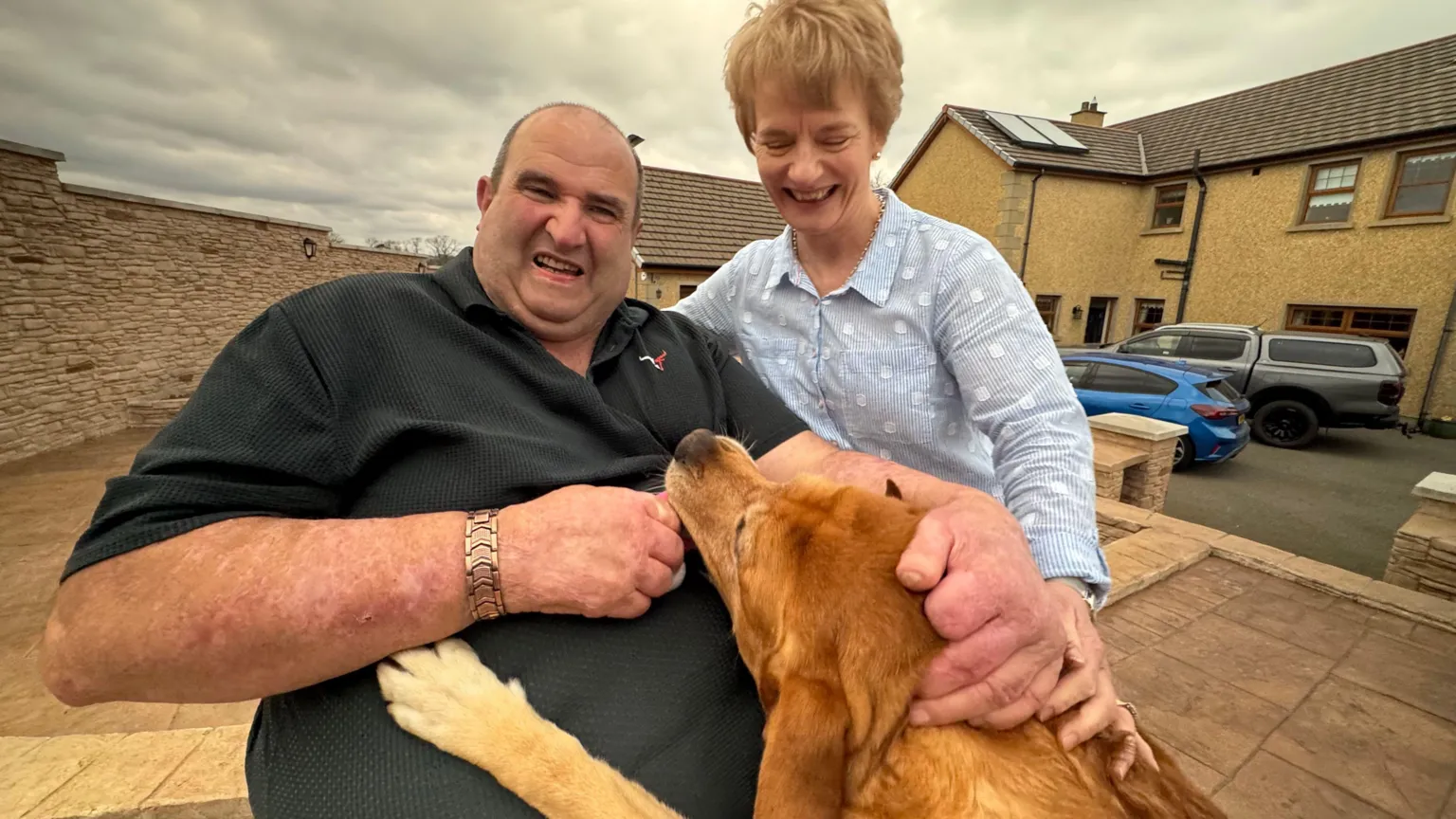
Farmer Marshall Wylie did not consider the severity of a cut he sustained while sorting wood in August 2023. He washed the minor wound, applied iodine, and covered it with a dressing, never expecting complications.
The following day, he continued his agricultural contracting work, gathering 500 bales of silage for neighbours.
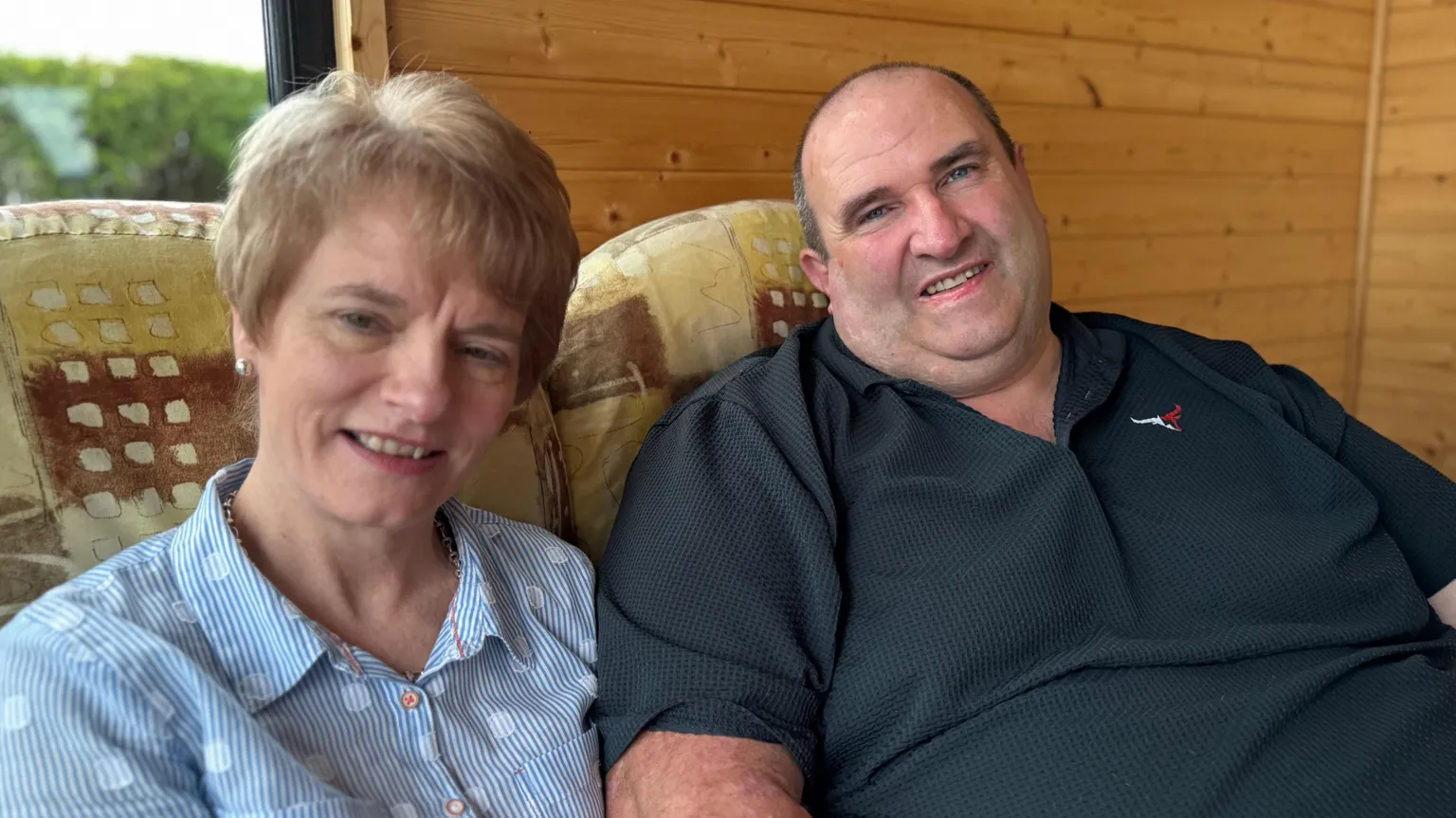
'My mother and my old dogs were there'
By the evening, Marshall began feeling unwell but attributed it to a flu-like illness, common in farming life. Unbeknownst to him, he was in the early stages of sepsis, a condition he had never heard of.
His wife Karen, a nurse, suspected sepsis days later after noticing his deteriorating condition. Marshall had not informed her about the cut or his symptoms during her overnight shifts in Belfast.
On the Friday following his hospital admission, at 5:25 am, Marshall was declared clinically dead. However, he revived with vivid memories of a bright light and his late mother reassuring him.
"I can remember this lovely bright light. And my mother come to me and she says to me: 'You're going to be all right'. My old dogs were there. She says, 'you're going to be all right, you're going to be okay'. A few weeks later, I came out of the coma."
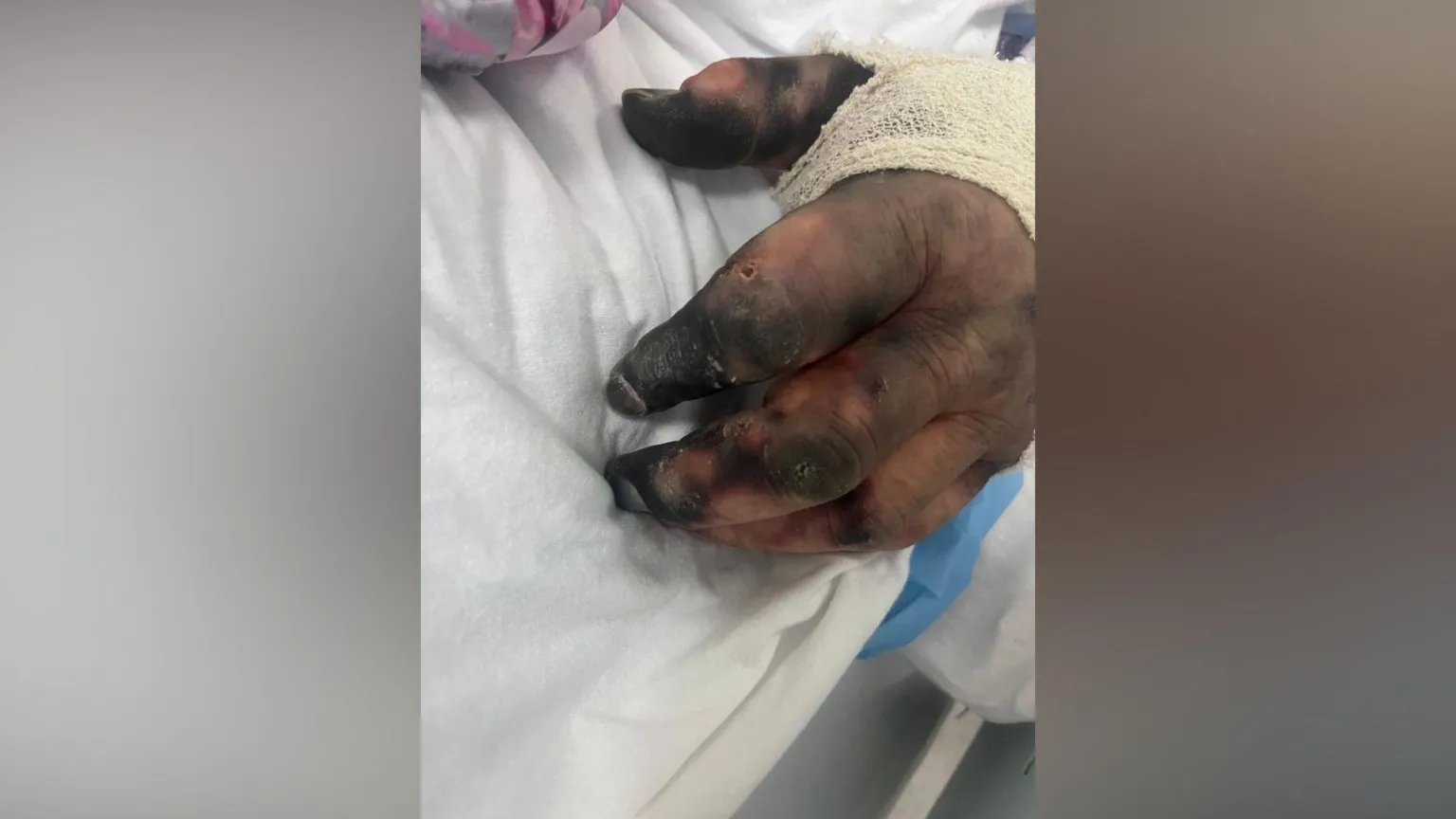
'After-life experience where my mother and dogs were there'
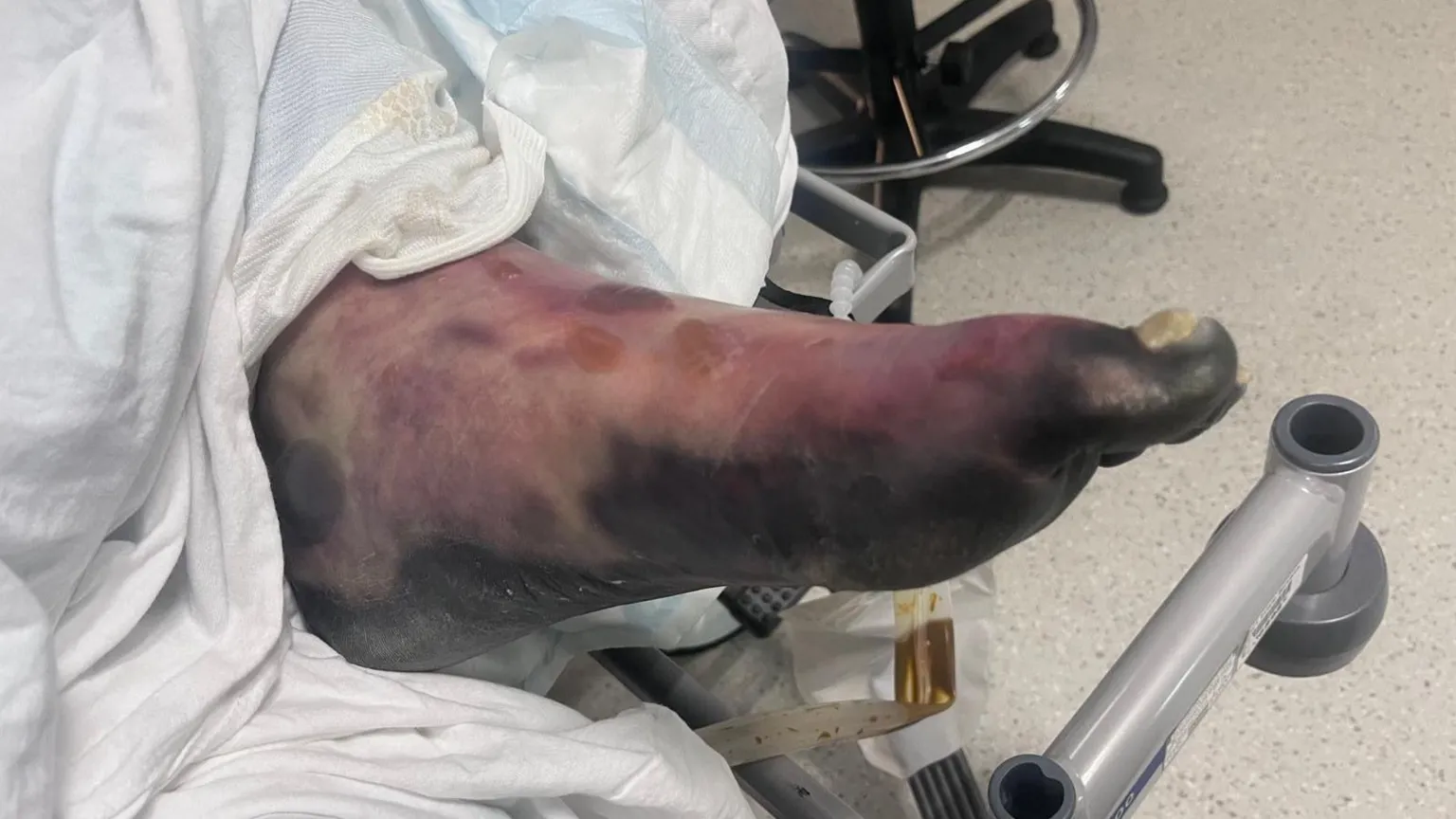
The attending doctor described Marshall as a "complete and utter miracle". Sepsis had severely damaged his skin, causing mottling and peeling as if burned internally. His fingers, ears, and lips had turned black, and his lower legs appeared as if barbecued.
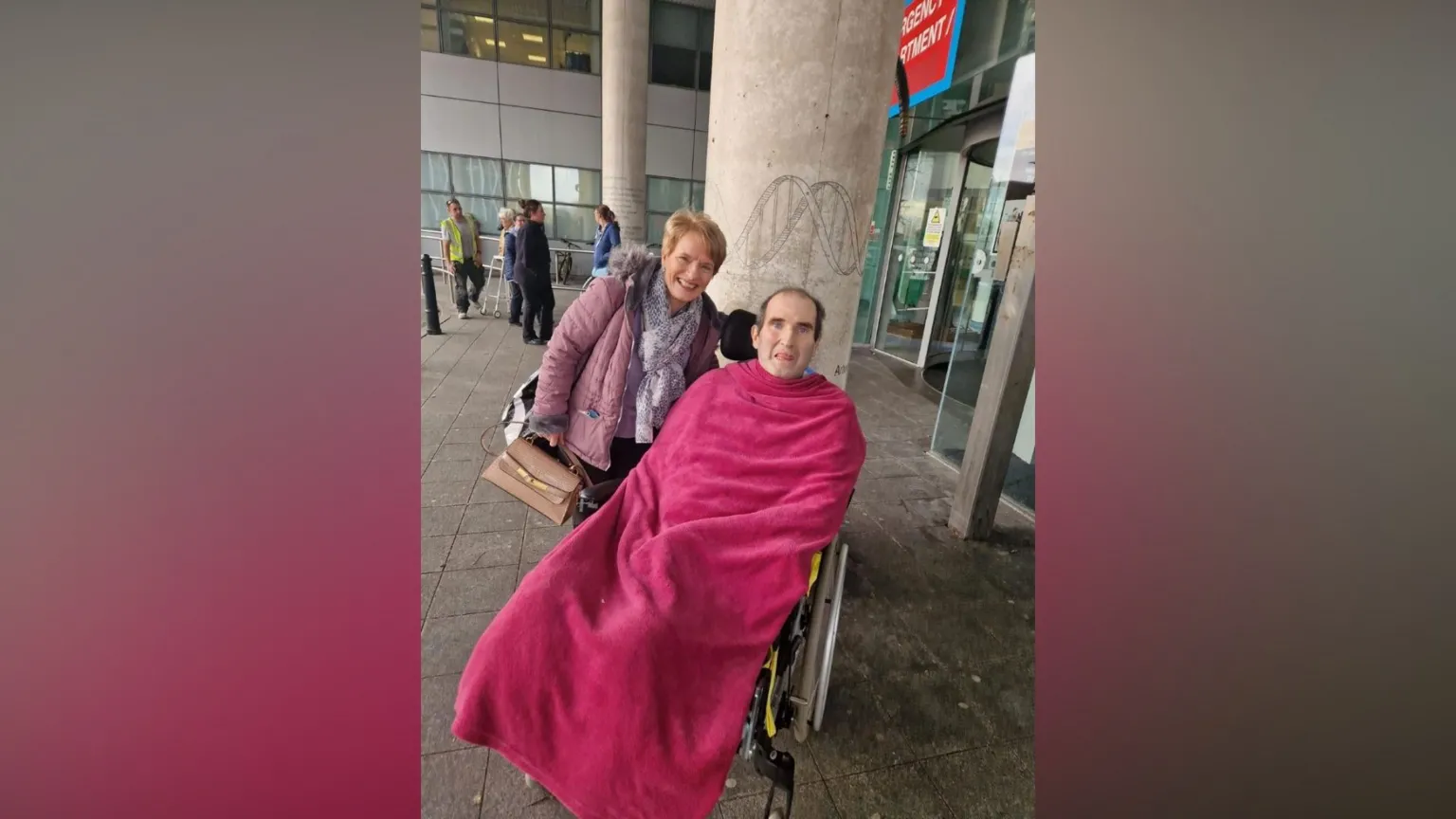
Prayer for Marshall
The infection was advancing rapidly, and surgeons warned that if it progressed further, amputation above the knee would be necessary. Thanks to their efforts and widespread prayers, Marshall began a long recovery.
More than 30,000 people worldwide joined an online page to offer prayers for his recovery.
What is sepsis?
Sepsis is a life-threatening response to infection where the immune system attacks the body’s own organs, potentially leading to death. Early medical intervention is critical.
Dr Ron Daniels, head of the charity Sepsis UK, highlighted the scale of the issue:
"Across the UK, sepsis is estimated to affect 245,000 people every year, which is more people than suffer heart attacks in a year. Of those 245,000, about 48,000 people die."
Sepsis can affect individuals of any age and often presents with symptoms similar to flu or chest infections, making diagnosis challenging even for experienced healthcare professionals.
Wider impact
Marshall spent over nine months in multiple hospitals and was fitted with prosthetic limbs. Defying medical expectations, he was walking within three weeks.
He acknowledges the emotional toll on his family, recalling a moment with his son:
"I remember Aaron one day broke down in front of me, and I said: 'What's wrong, son?' He says, 'you were always out on the yard working, you're always out doing things, Mum and I never saw you'. He says, ''we very nearly lost you', and I was in tears. At the end of the day, it's an impact on the whole family and friends."
A second chance to help others
Marshall has shared his experience widely, including with a farmer friend from New Zealand who visited during his recovery. After returning home, the friend became ill from a scratch. Remembering Marshall’s story, his wife sought medical help promptly, saving his life.
Marshall reflected on this:
"I thought, holy smoke. I've got a second chance to go out and help people."
Symptoms to look for
Farmers are particularly vulnerable to sepsis due to frequent minor injuries but often delay seeking healthcare. Dr Daniels noted that their resilience can lead to more advanced illness upon hospital arrival.
He advised:
"The first thing is to trust your instinct - you cannot sleep off sepsis. So if you're worried someone is deteriorating with an infection, then it's access healthcare in the best way you can, and just ask, could it be sepsis?"
The charity emphasizes public awareness of sepsis symptoms, warning that each hour of delayed treatment reduces survival chances by 1-2%. While many survive, about half experience long-term consequences affecting work and family life.
Sepsis has been identified as a 10-year NHS priority in England, with devolved administrations determining their own strategies.


