

Body-worn cameras 'stopping attacks on ED staff'
Body-worn cameras have demonstrated significant effectiveness in addressing violence against hospital staff, prompting one health trust to adopt their use permanently.
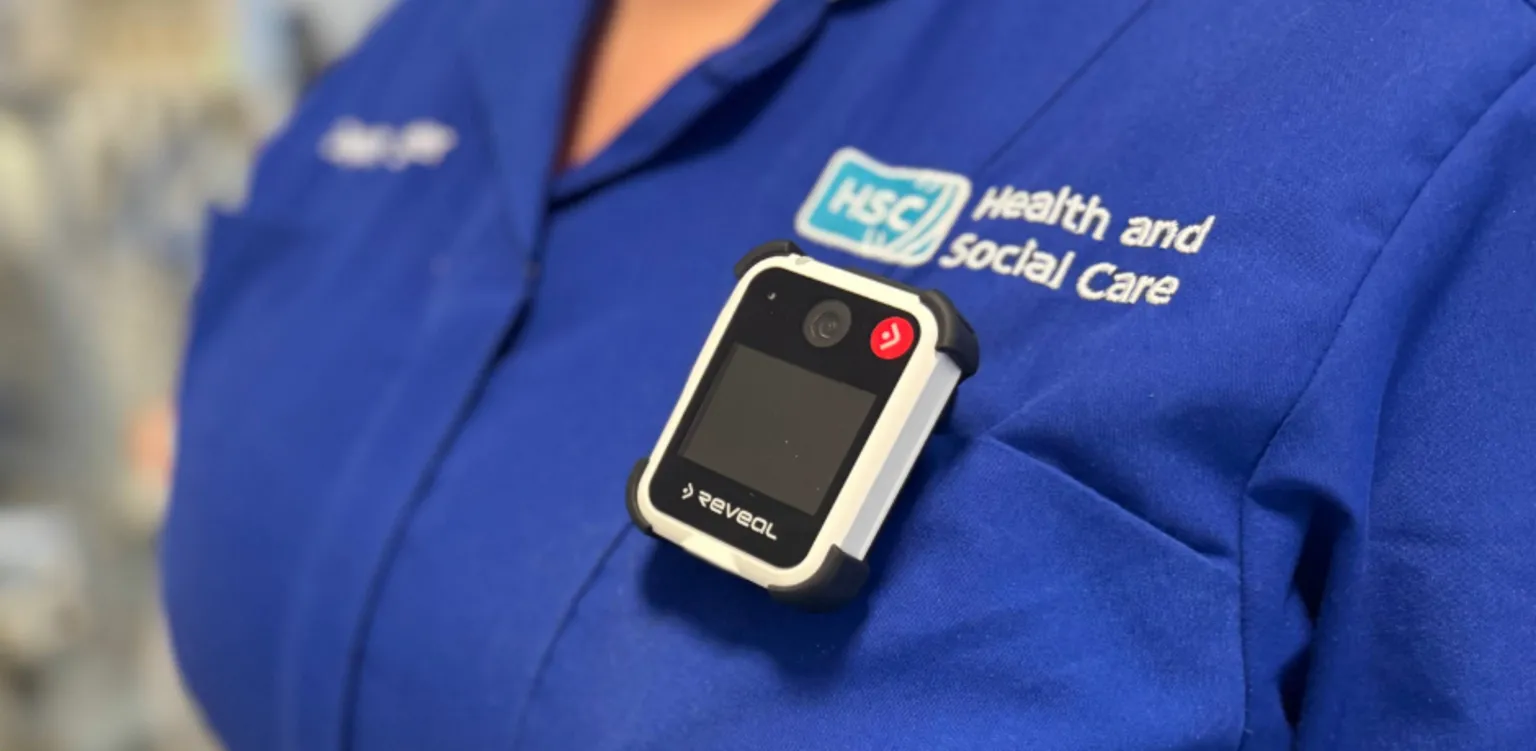
Several trusts have conducted trials involving cameras worn on the lapels of healthcare workers in emergency departments (EDs). These devices are activated only when a patient or visitor exhibits aggressive behavior.
Naomi Baldwin, assistant director of corporate nursing at the Northern Health Trust, stated that the cameras assist in "de-escalating" tensions and have a "positive impact" on patient behavior.
Northern Ireland's health minister supports the use of these cameras but emphasized that their continued deployment depends on decisions made by individual trusts.
Baldwin reported that multiple staff members encountered patients who became "agitated, verbally aggressive" while the cameras were worn. She noted that once patients were informed that the camera would be activated, a noticeable change in behavior was observed.
Over the past five years, more than 72,000 physical and verbal assaults on health and social care staff have been recorded across Northern Ireland.
Baldwin highlighted that ED workers "seem to be taking the brunt" of patient aggression and that the situation "has reached a point where we can't go on like this."
Aggressive patients 'can see what they're doing'
Senior staff at Antrim ED participated in a 12-week trial, which included ambulance triage, ambulatory emergency care, and observation unit personnel.

"The nurse will say that she's activating the camera for everyone that's in that surrounding area, be it patients, visitors, staff, family members," Baldwin explained.
She described a screen on the front of the camera that displays the recorded footage in real time, allowing patients to see what is being captured.
"It's one of the things that actually helps with that behaviour change, because people can actually see what they're doing and actually recognise that this is not normal behaviour."
The Northern Trust reported 39 incidents in 2024 at Antrim ED, of which 22 involved physical assaults. These incidents included a registrar being bitten on the hand; nursing staff and a carer being punched and grabbed; and a healthcare assistant being kicked in the abdomen.
Baldwin, who began her nursing career in 1990, remarked that she has "seen many incidents over my career" but noted an increase in the frequency of attacks.
"The severity of them is definitely, in some cases, quite alarming so we have to support our staff."
Following the successful trial, the trust plans to permanently implement body-worn cameras in its Antrim ED and extend their use to Causeway Hospital ED.
While staff will be encouraged to wear the cameras during shifts, their use will not be mandatory. Additionally, signage will be displayed in the EDs to inform patients and visitors that some staff members are equipped with cameras.
What footage was captured?
No serious incidents were reported or recorded during the trial period.
An evaluation of the pilot concluded that the cameras served as a valuable tool in "supporting and influencing safer staff/patient interactions."
Gill Murphy, the trust's Executive Director of Nursing, noted that wearing a camera appeared to enhance staff confidence.
"Staff reported that the presence of the camera and having the ability to activate it, positively influenced de-escalation of any potential aggression or violence in certain situations," she said.
"Importantly, we are assured that there has been no impact on patient care, and the privacy and dignity of patients has been maintained throughout the trial period."
Addressing the assembly this week, Health Minister Mike Nesbitt expressed strong support for body-worn cameras.
"There is evidence that they are a successful and appropriate deterrent," he said.
"The pilots will run their course. I hope that we will end up with body-worn cameras being available to all HSC staff who work in areas where there is engagement with patients or service users where appropriate."


