

Wakehurst Celebrates Five Years of Pollinator Research
A botanic garden in West Sussex is marking five years of its "pioneering" research dedicated to increasing populations of pollinating insects.
Kew's Wakehurst botanical gardens initiated its Nature Unlocked programme in 2021 with the goal of developing solutions addressing climate change, nature recovery, and biodiversity loss.
One key project focuses on identifying which plants most effectively support pollinators such as bees, wasps, butterflies, and moths.
Wakehurst emphasized that bees are a "critical resource for ensuring food security and sustaining biodiversity," yet their numbers have declined globally.
From March 2023 to October 2025, scientists at Wakehurst monitored and identified 2,100 insects, including bees, moths, and hoverflies.
The data showed approximately 110 species of bees present in the area—exceeding the total number of bee species found throughout Ireland—as well as 90 species of moth.

Focus on Trees as Pollinator Resources
Janine Griffiths-Lee, a pollination research lead, highlighted the importance of trees, stating that they provide "sources of pollen and nectar earlier in the season."
"While previous studies on pollinators have generally focused on wildflower meadows, we're using pioneering new techniques that focus on trees," she added.
Wakehurst also reported that its scientists have been advising housing developers and landscape architects on incorporating pollinator-friendly plants into urban environments.
Innovative Monitoring Techniques
In 2022, the botanic garden installed bioacoustics monitors on trees to record pollinating insect populations by detecting the sound of their buzzing.
The team also recorded bumblebee visits to study the effects of heatwaves on their foraging behavior.
Additionally, Wakehurst introduced further projects under the Nature Unlocked programme, including the deployment of 28 cameras across the site. These cameras use artificial intelligence (AI) algorithms to monitor bees and moth foraging activity at night.
Wakehurst Ecosystem Observatory Launch
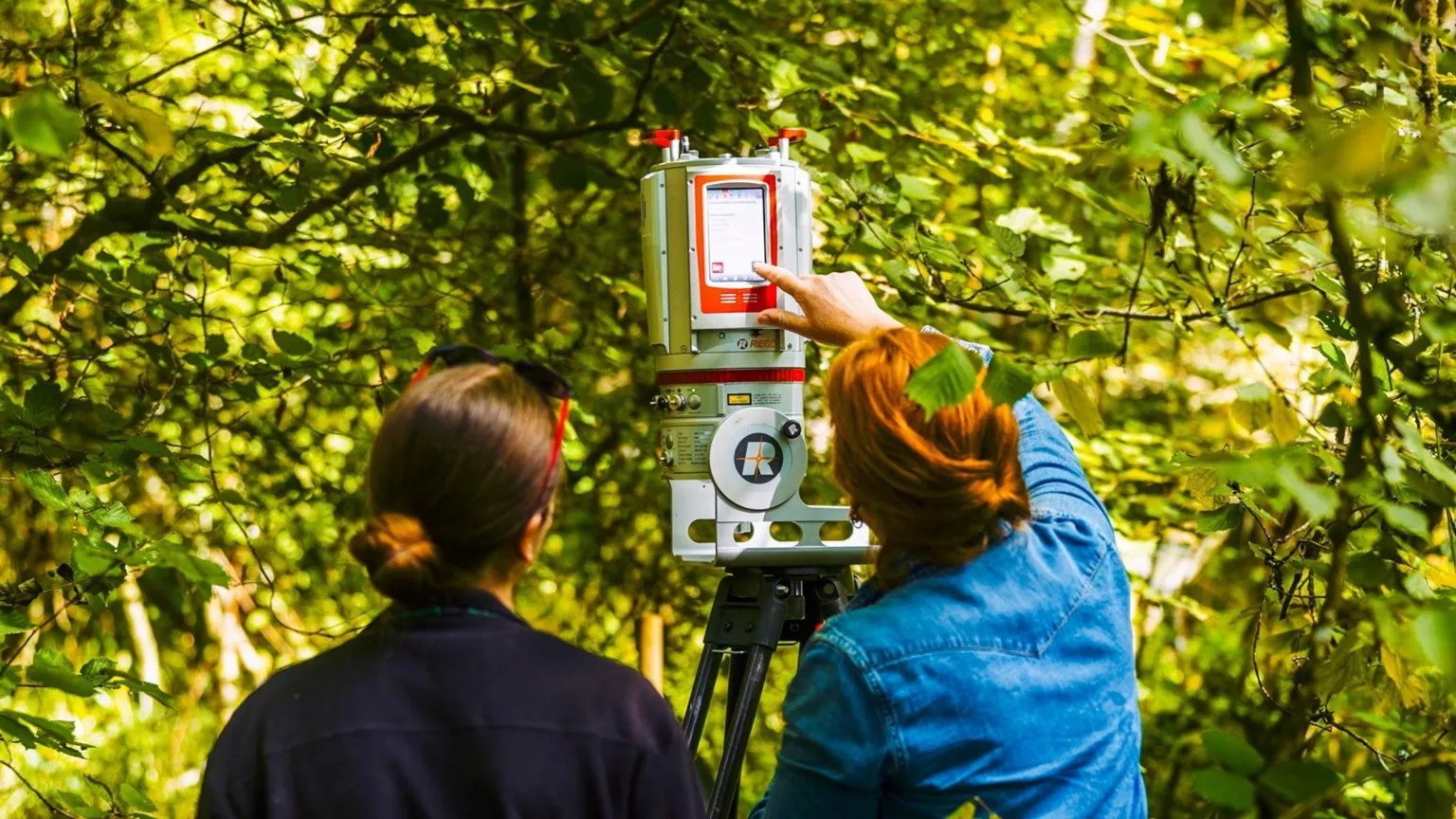
Wakehurst is also launching the Wakehurst Ecosystem Observatory (WEO), a facility where scientists and citizen scientists can study various habitats such as woodlands, meadows, and gardens.
Phil Wilkes, the lead researcher of Nature Unlocked, explained the significance of the project:
"The project would allow researchers to explore how ecosystems work, respond to change and how they support both wildlife and people."
For further updates, follow BBC Sussex on Facebook, X, and Instagram. Story ideas can be submitted via southeasttoday@bbc.co.uk or WhatsApp at 08081 002250.


