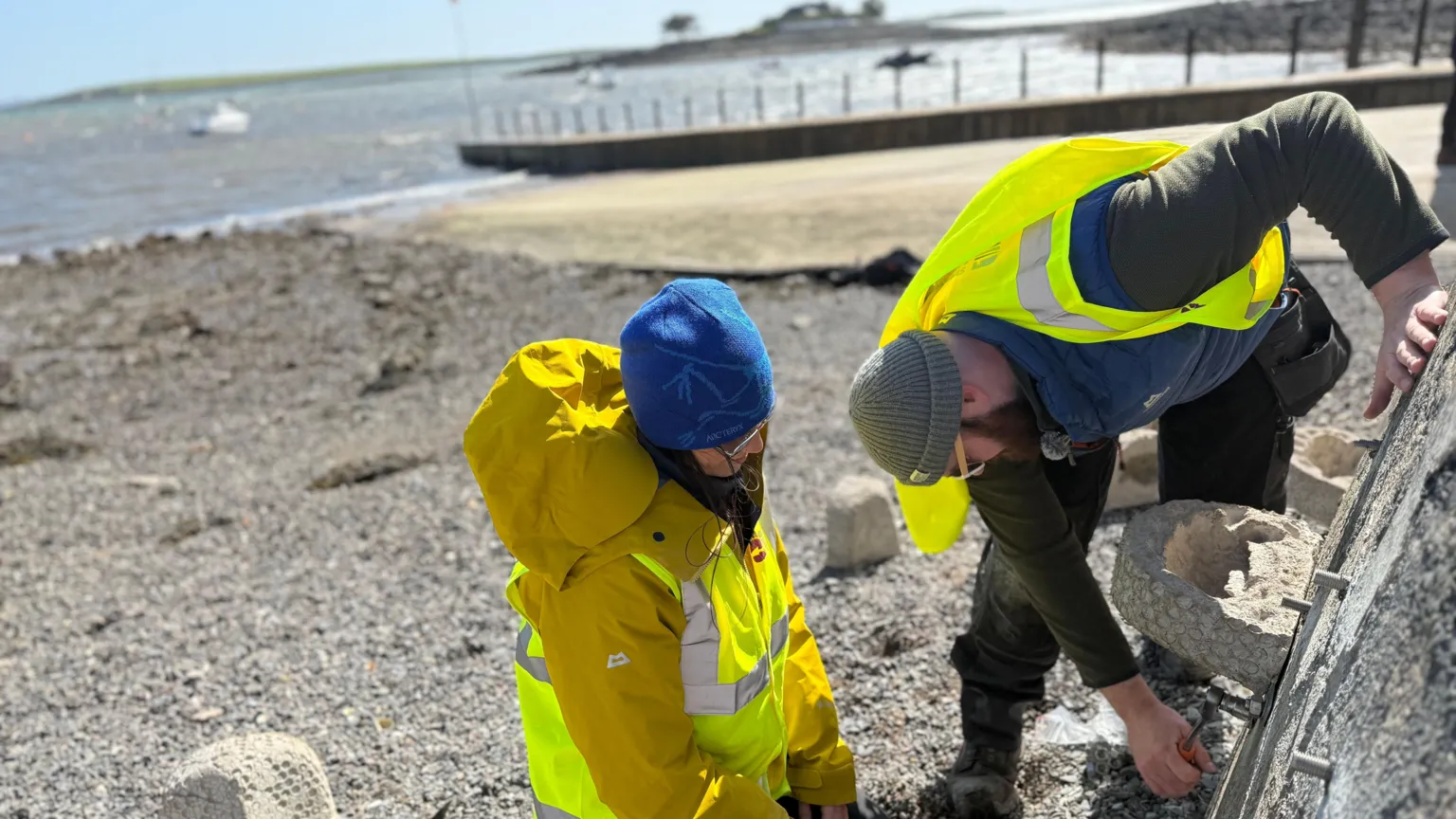
Marine Life Boost at Strangford Yacht Club
Located in Whiterock Bay, Strangford Yacht Club hosts a variety of racing boats, cruisers, and dinghies. Recently, 10 artificial rock pools have been installed along its seawall to encourage the area to become a habitat for marine species.
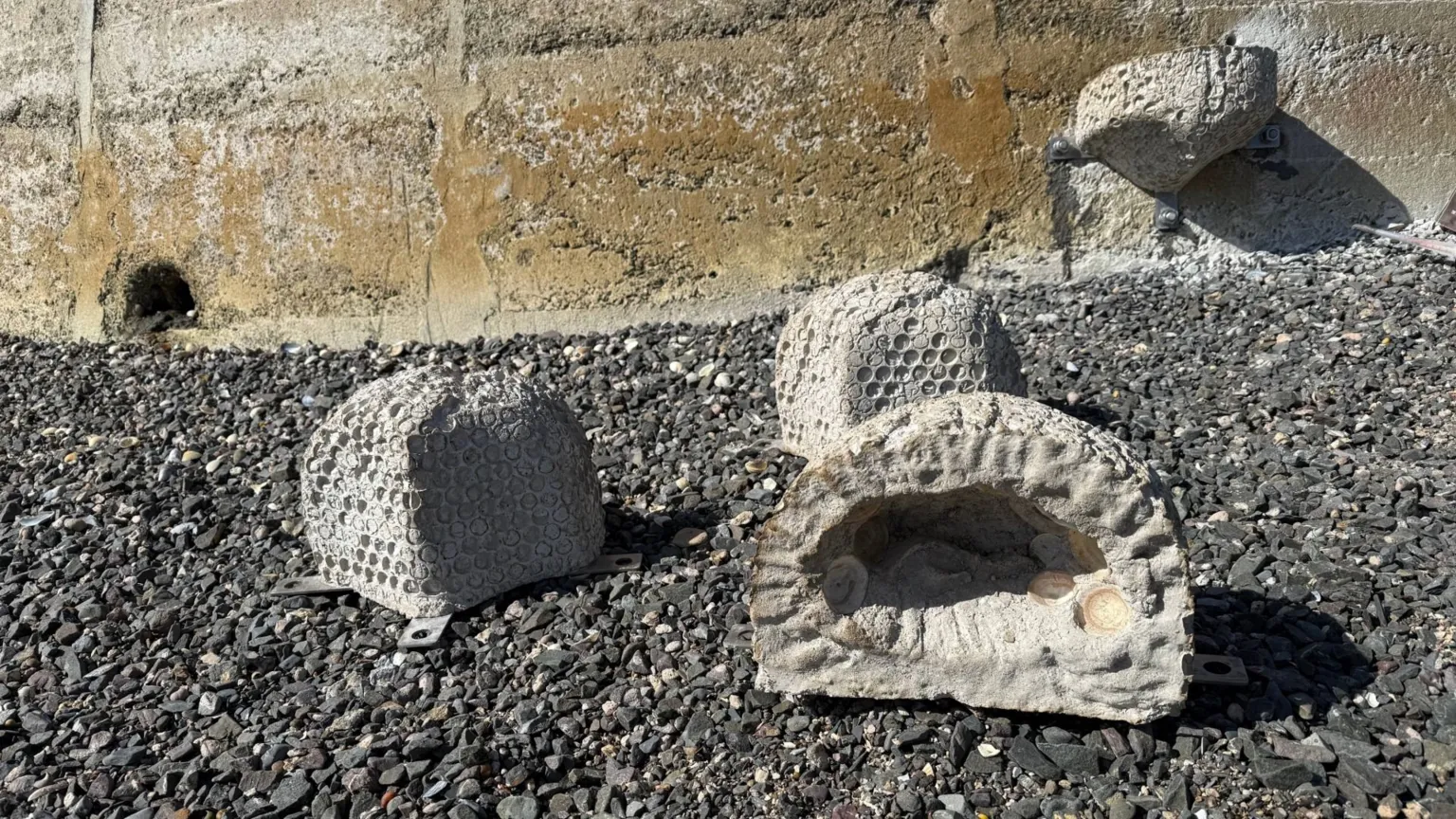
These artificial rock pools, called vertipools, are believed to be the first of their kind in Northern Ireland and were installed by Mourne Gullion Strangford Geopark. The installations are concrete, honeycomb-style structures secured to the seawall by metal bolts, inspired by the success of similar vertipools on the Isle of Wight.
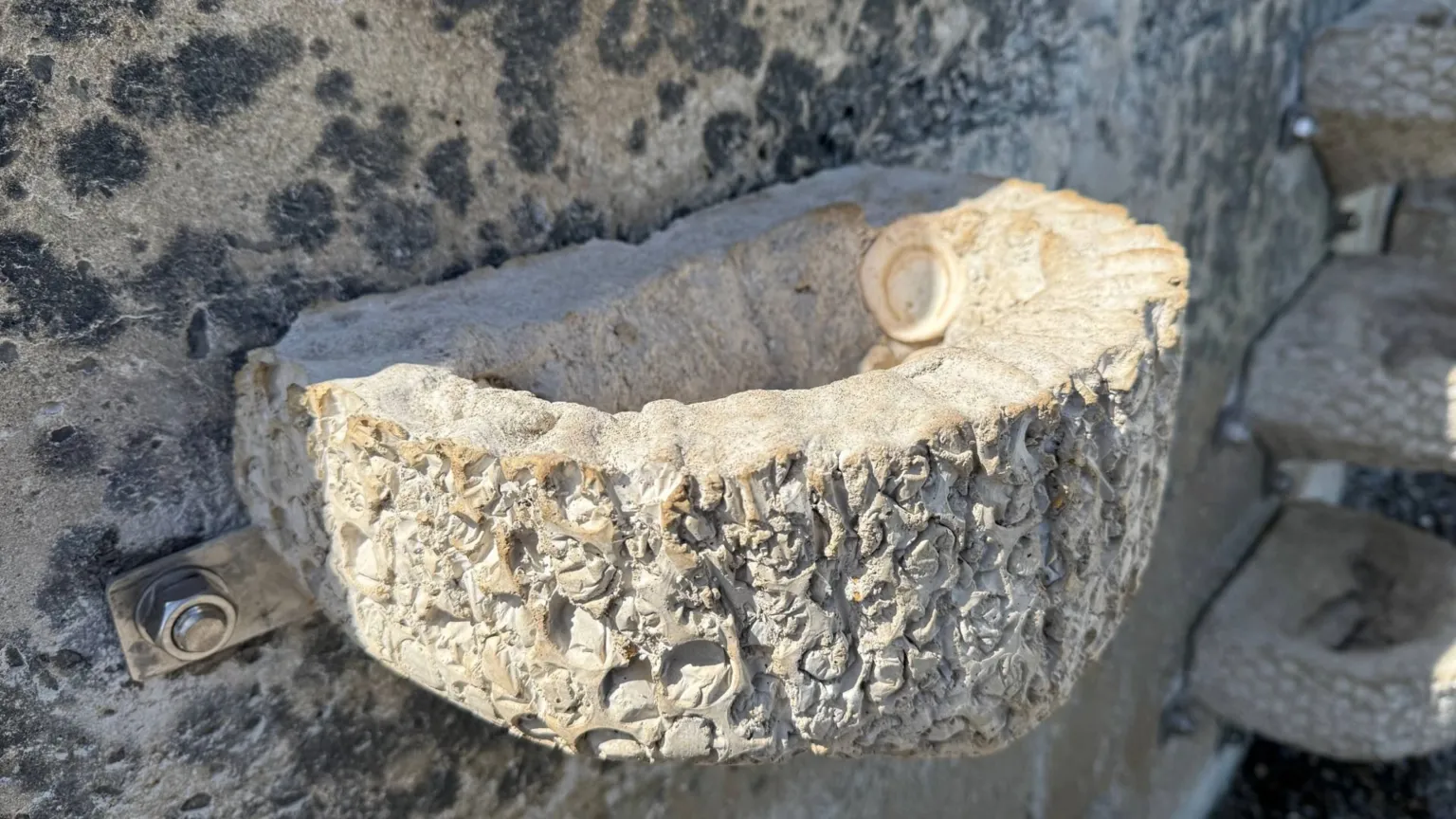
The initiative is part of the Geopark's 'Greening the Grey' project, which aims to enhance biodiversity by modifying existing man-made infrastructure.
Anna Murtagh, marine protected area officer for the Area of Outstanding Natural Beauty and Geopark, explained the pools' purpose:
"The pools would hold a small amount of water and provide a refuge for species and habitats that were becoming stressed with climate change and increasing sea temperatures."
"It's really good for biodiversity and species richness."
Murtagh expressed hope that the project would increase the variety of wildlife on the typically barren seawall, emphasizing that the goal extends beyond aesthetic improvements to the concrete structure.
"We hope to see a range of different marine life, stuff that you would normally find in your inter-tidal so your crabs, your starfish, your sea snails, loads of different types of seaweed but we are also hoping to see stuff we are not expecting as well," she said.
What Are Vertipools?
Vertipools are artificial rock pools designed to enhance coastal wildlife populations. They consist of rugged concrete basins with shells affixed to vertical man-made walls. The concept is to determine if such structures can increase the abundance and diversity of wildlife on man-made sea defenses.

Research from Bournemouth University has provided evidence that vertipools attract sea creatures that thrive in crevices and are otherwise absent from seawalls.
Mourne Gullion Strangford received UNESCO global geopark status in 2022, recognizing its unique geological and cultural diversity.
Gavin Grant, Geopark engagement officer, noted the extensive planning involved in the project, including marine licensing to ensure that Strangford Lough's protected designations are maintained alongside the artificial rock pools.
"It's the first pilot run, so hopefully within a year we will see really obvious change, but it could be quicker than that it just depends what's in the area.
"The first thing we are expecting to see is barnacles and algae," he added.
Community Engagement and Education
Heather Gilmore, training captain at Strangford Lough Yacht Club and a member for over 20 years, views the project as an exciting chance for young members to learn about marine ecosystems firsthand.
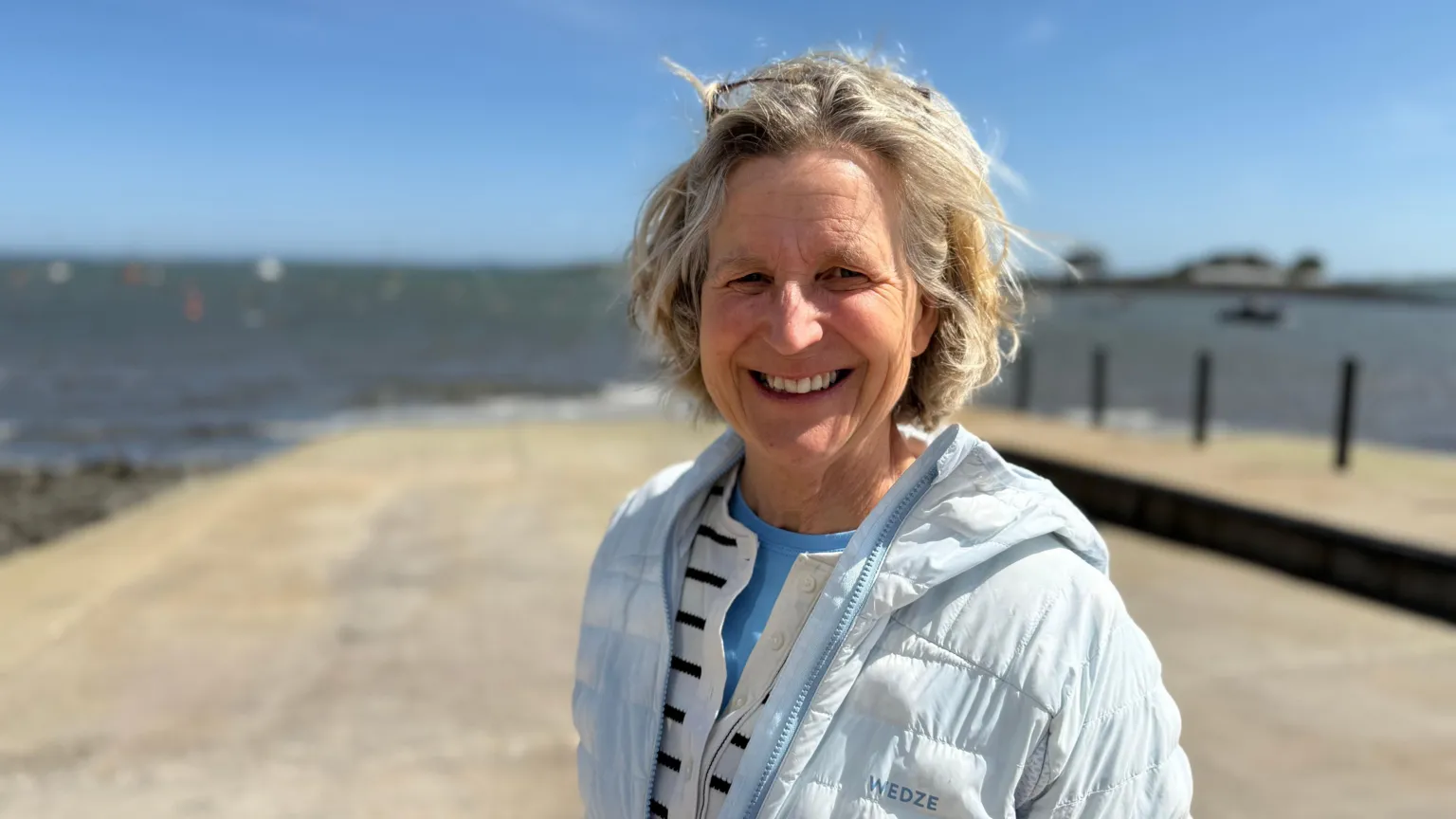
"I was a biology teacher and I know how much kids get out of the fun of exploring life on the shore," she said.
"I've seen the kids mucking about in the mud and under the rocks looking for crabs and starfish – the wildlife in Strangford Lough is fantastic because the water's so clean. It's such a beautiful place.
"Hopefully we can expand that because we will get more diversity within these vertipools, but they will take a year or so to establish so we'll have to be patient."
Monitoring and Future Prospects
Grant added that the project will assist in monitoring invasive species and provide data to relevant government bodies.
"I know in this area there has been records of an invasive barnacle so we'll be keeping an eye out for that.
"It has a track record of working, we know it will work it's just about finding the right places to have them."
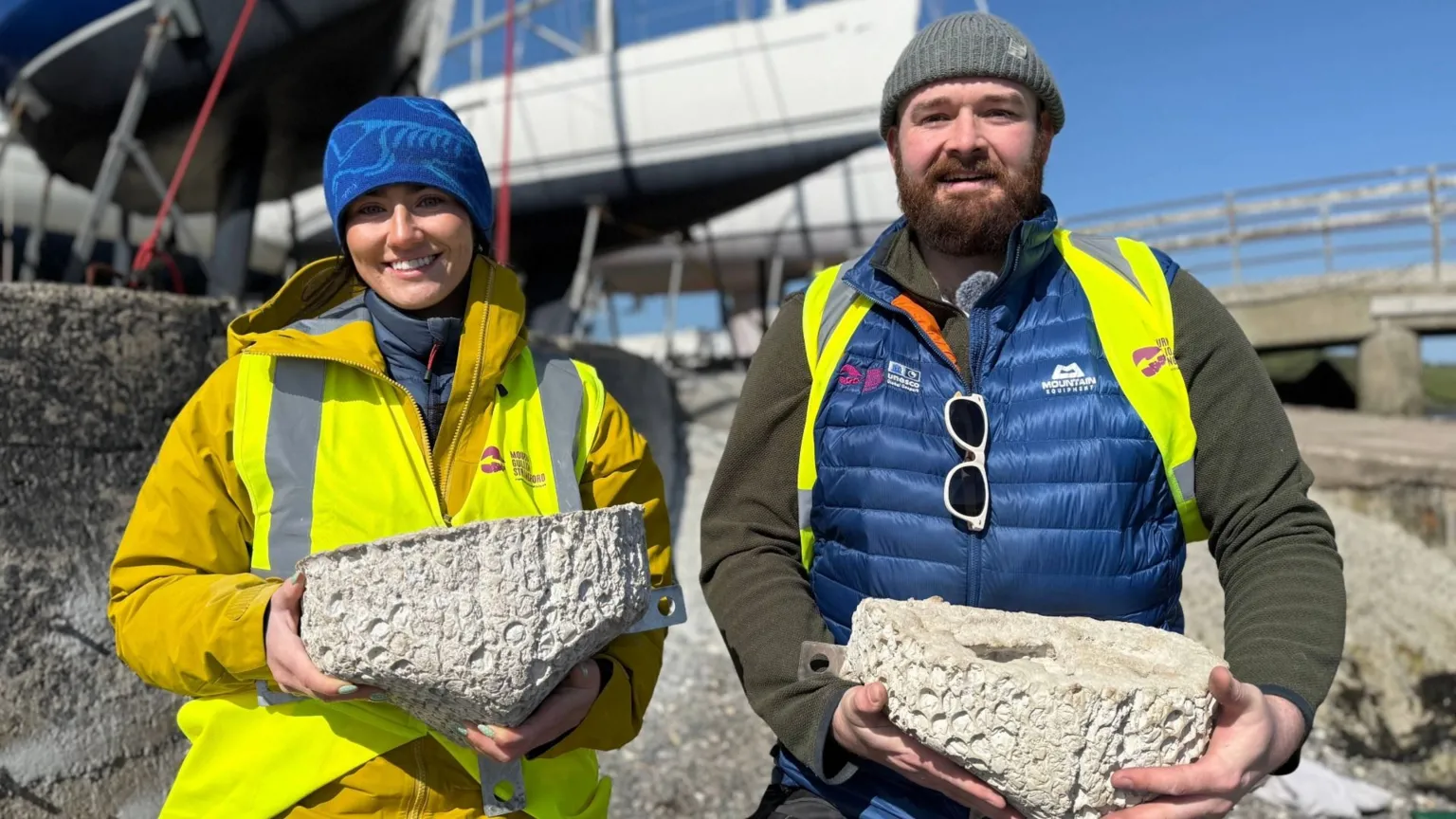
The Geopark officers anticipate that the pools will appear significantly different within a year as marine life establishes itself.