

New Coalition Meets to Plan Fossil Fuel Phase-Out
A coalition of approximately 60 countries, including several significant oil producers, convened on Friday in Santa Marta, Colombia, to discuss a comprehensive transition away from fossil fuels—an objective that has eluded consensus at UN climate summits.
The participating nations represent about one-fifth of the global fossil fuel supply and include Colombia, Australia, and Nigeria. However, major global powers such as the United States, China, and India are not involved in these discussions.
Progress at the annual United Nations Conference of the Parties (COP) climate meetings has slowed considerably, as decisions require unanimous agreement, effectively granting large fossil fuel producers veto power.
At COP30, held in Brazil last November, attempts to establish a roadmap for phasing out fossil fuels were unsuccessful due to opposition from major oil-producing countries.
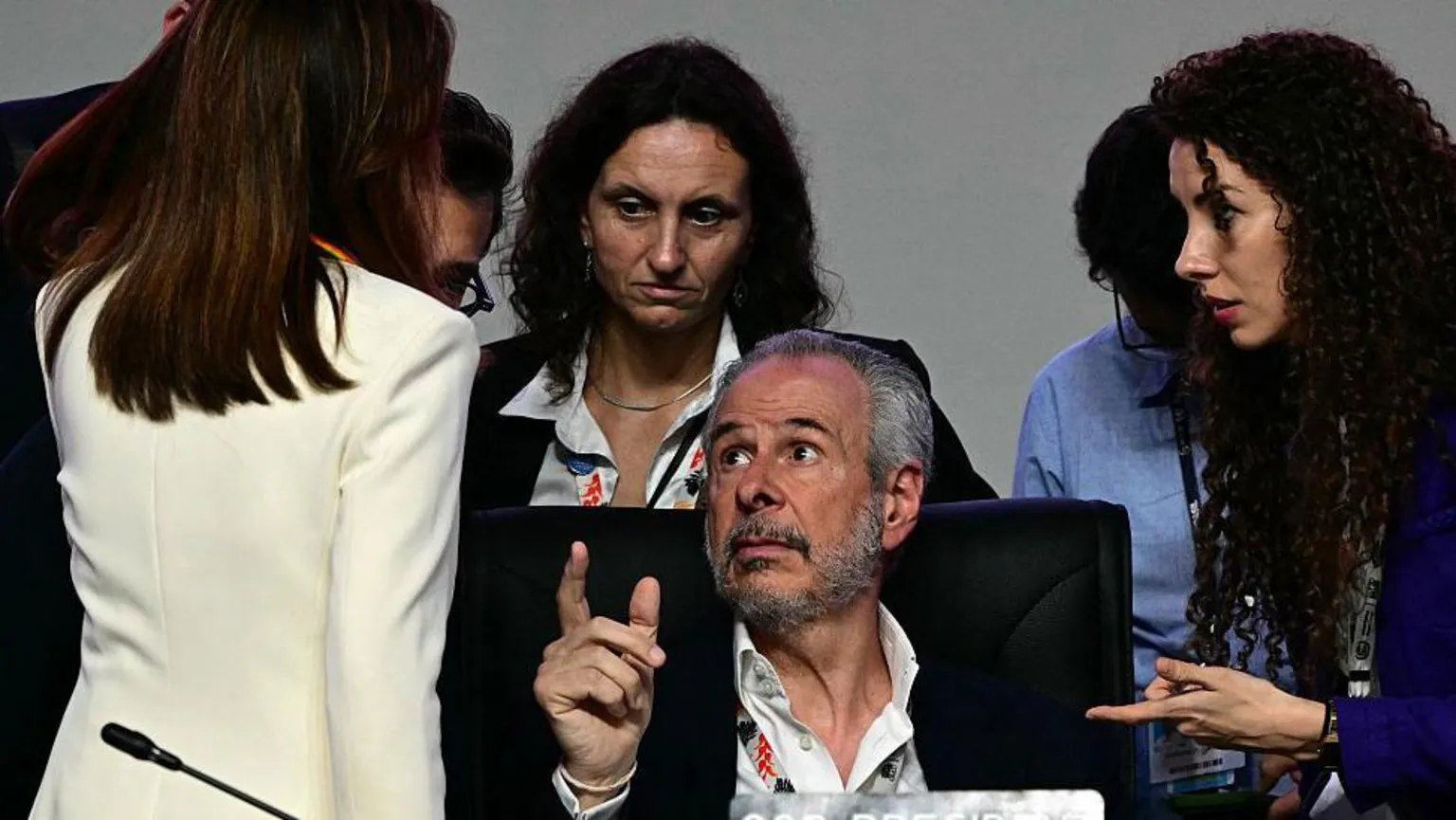
Delegates emphasize that the Santa Marta meeting is intended to complement, not replace, the COP process.
Scientific Urgency and Frustration with COP Process
The growing frustration with the COP framework is intensified by scientific findings indicating that the opportunity to limit global warming to safer levels—and thereby avoid the most severe impacts—is rapidly diminishing.
Scientists warn that surpassing a 1.5°C increase in global temperatures will significantly raise the likelihood and severity of dangerous climate impacts.

"We are inevitably going to crash through the 1.5C limit within the next three to five years," Prof Johan Rockström, director of the Potsdam Institute for Climate Impact Research, told .
"Breaking through 1.5C means we enter a far more dangerous world - with more frequent and intense droughts, floods, fires and heatwaves - and we are already approaching critical tipping points in major Earth systems."
Geopolitical Dynamics and Energy Transition
Meanwhile, geopolitical developments are influencing the discourse on fossil energy. While the United States, under former President Trump, strongly supported coal, oil, and gas, many other countries remain undecided regarding the scale and pace of their transition away from fossil fuels.
Participants at the Santa Marta meeting view the gathering as a demonstration of a critical mass of countries committed to renewable energy, aimed at encouraging those hesitant about the transition.
"We are committed to working with other countries to support those wishing to drive forward their transitions to clean and secure energy," said UK Climate Envoy Rachel Kyte, who is attending the gathering.
"We have the experience of our transition to share and the recent experience of driving to energy security with our clean power mission."
Energy Security Concerns Amid Middle East Conflict
Recent conflict in the Middle East has caused a surge in oil prices, underscoring the risks associated with dependence on fossil fuels and refocusing attention on energy security.
"This is exactly why this conference matters now," said former Irish President Mary Robinson, attending as a founding member of The Elders group of former world leaders.
"The urgency is multiplied. What's happening has worsened the fossil fuel crisis we're already in."
Events such as the tensions in the Straits of Hormuz are influencing energy consumption decisions worldwide.
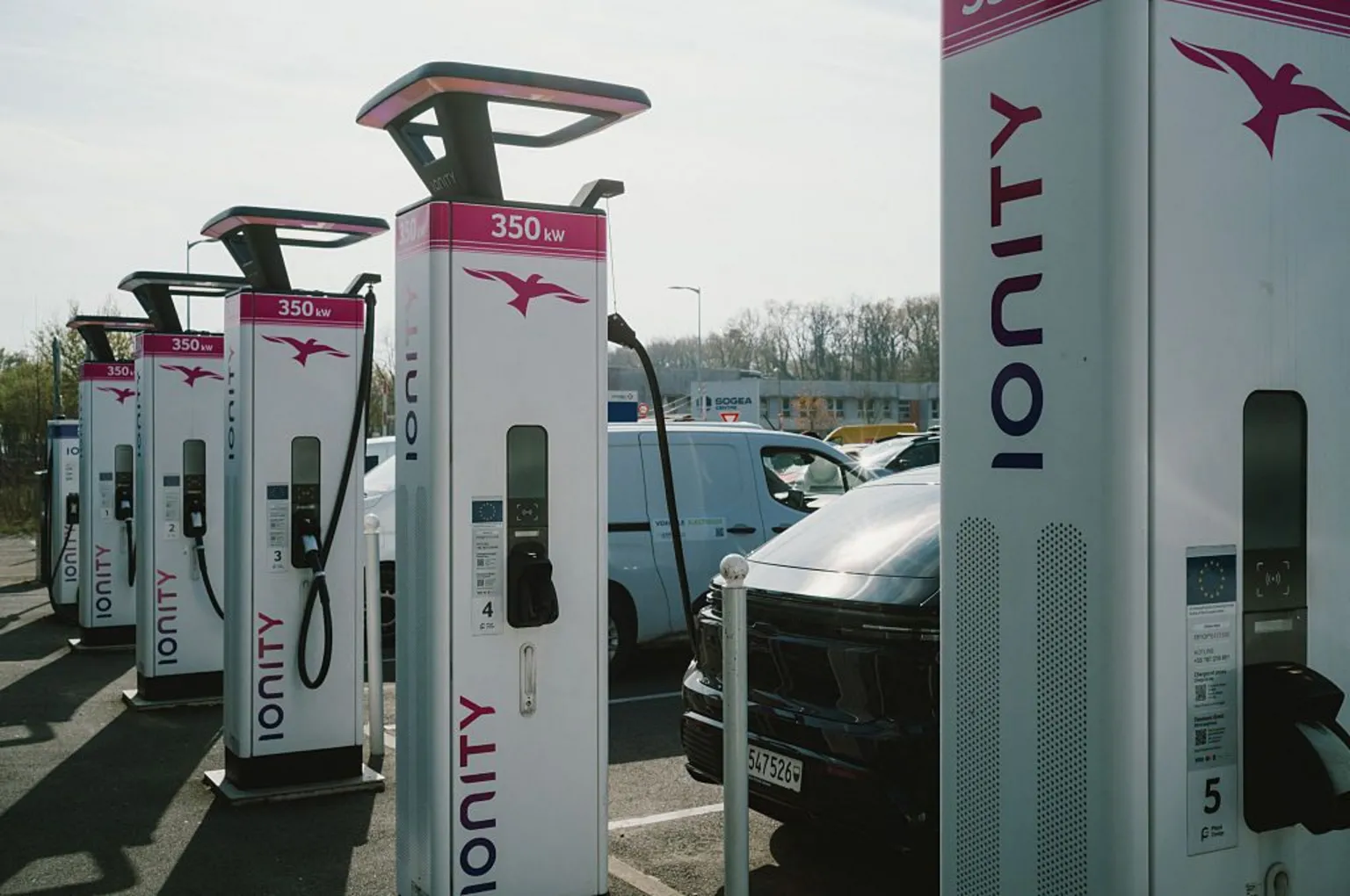
"I've just stepped off an advisory board meeting with Mercedes-Benz, and they expressed what's happening as a success - a sharp rise in demand for electric vehicles in Europe," Prof Rockström said.
"People are recognising they want energy independence - they don't want to be in the hands of a volatile oil and gas market."
Implications for the COP Process and Future Outlook
The emergence of this new "coalition of the willing" prompts questions about whether it signals a departure from the COP framework altogether.
"Ultimately you don't need all countries to drive global progress. You need a starting point," said Katerine Petersen from think tank E3G, who is attending the meeting.
"Then you need a coalition that can expand over time and show how it can and will be useful. And I think that's what we're expecting to see from Santa Marta."
Organizers emphasize that the Santa Marta meeting is not intended as an alternative to COP but aims to revitalize the process.
Some leaders from the Brazilian COP30 are present at Santa Marta, and the main conclusions from this meeting will contribute to Brazil's roadmap for phasing out fossil fuels, which the country plans to publish ahead of COP31 in Turkey this November.


