Ambitious Tree Planting Plan Introduced in Northern Ireland
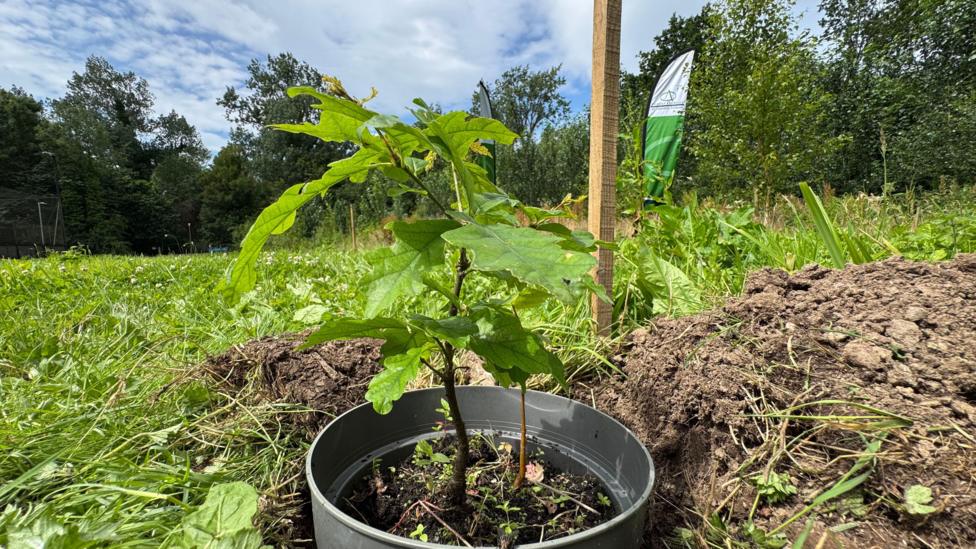
Environment Minister Andrew Muir described Northern Ireland's inaugural tree planting action plan as "ambitious." To achieve the goal of 12% woodland cover by 2050, the current tree planting rate must more than triple by 2032.
The plan outlines 10 strategic actions to be implemented over the next five years. Minister Muir emphasized the need to increase awareness of the benefits that tree cover provides.
Currently, Northern Ireland has just 8.6% woodland cover, making it one of the least wooded regions in Europe. Compared to other UK nations, it trails behind Scotland (19%), Wales (15%), England (10%), and even the Republic of Ireland, which has 11% woodland cover.
The Department of Agriculture, Environment and Rural Affairs developed the plan in collaboration with the Woodland Trust, Confederation of Forest Industries (CONFOR), forestry companies, environmental NGOs, the Ulster Farmers' Union, NI Water, and local councils.
Woodland Trust Supports the Plan
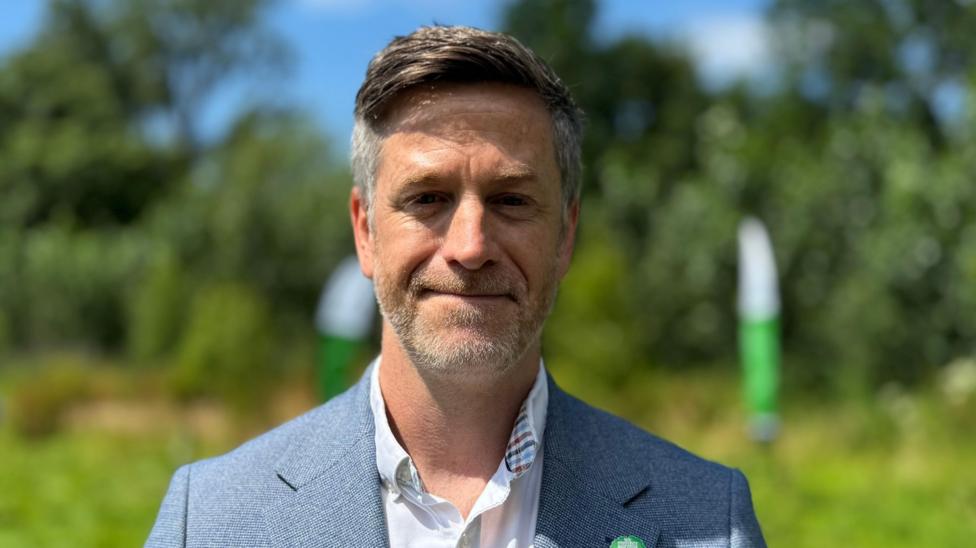
John Martin, chief executive of the Woodland Trust in Northern Ireland, stated that the plan is a necessary step forward.
"This starts to take us in the right direction in terms of commitment towards planting trees in the wider countryside.
There have been big challenges in terms of the appetite from landowners and others in terms of planting trees, but hopefully through the review of some of the things that are happening within the action plan, we'll start to see that appetite improve as well."
Under Northern Ireland's first Carbon Budget (2023-2027), there is a commitment to plant 2,585 hectares of new woodland.
Minister Muir reiterated the plan's ambition, highlighting the multiple benefits of woodland cover.

"Woodland cover delivers so many benefits, whether it's in relation to carbon storage, but also in terms of nature recovery, in terms of better resilience, in terms of flooding - there's multiple benefits associated with that, alongside the outdoor recreation opportunities that are created in so many venues across Northern Ireland," he said.
Long Road Ahead to Meet Targets
The plan notes that an additional 1,205 hectares of woodland are required beyond the Carbon Budget commitment to meet the target.
Furthermore, to reach the 12% woodland cover target set by the 2050 Climate Change Act, approximately 50,000 hectares of new woodland will need to be established.
The 10 strategic actions in the plan encompass 31 implementations across four key areas, including communication and knowledge transfer, as well as education and capacity building.
Industry Perspective on Timber Demand
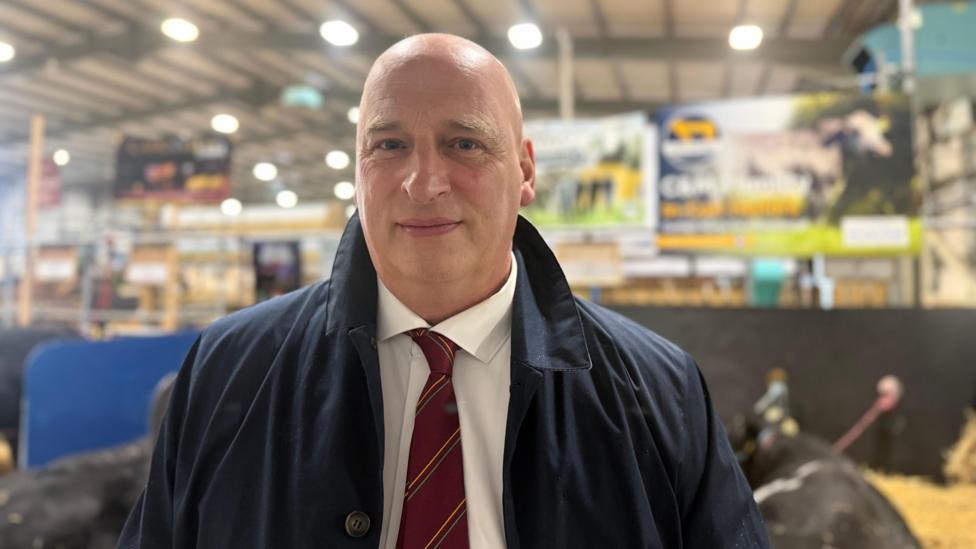
Nigel Manley, chair of the Confederation of Forest Industries, highlighted the commercial importance of timber supply.
"Millions" of cubic metres of wood are currently imported into the UK, and demand is expected to increase in the future.
"There's a huge need for housing in Northern Ireland, UK wide, even in the Republic of Ireland.
Where's timber going to come from?
If we get behind this Tree Planning Action Plan, which we will, put our shoulders to the wheel, so to speak, and give it the support and implement the actions and get them carried out, we can enjoy the sustainability that it brings - jobs, the investment, and importantly, it's the sustainability of timber production and the products from those timber."
Ulster Farmers' Union Emphasizes Farmer Choice
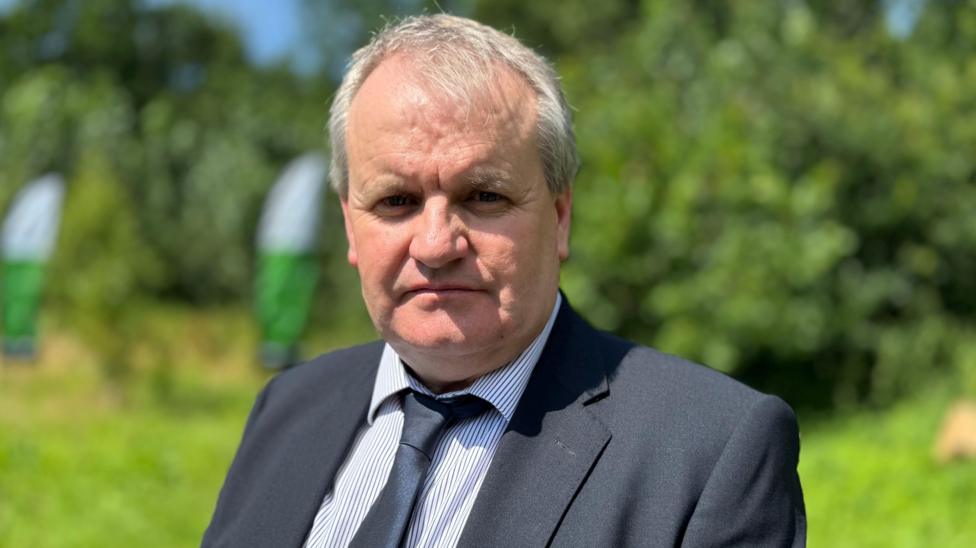
The Ulster Farmers' Union (UFU) stressed that "farmer choice" must be central to the plan's implementation.
UFU president John McLenaghan welcomed the plan, particularly the measure aimed at simplifying access to grants and information to facilitate tree planting.
"We're not fixed on the 12% target at all.
What matters to us is that farmers have the opportunity to engage in woodland if it makes sense for their own business, not because they're being targeted and not because other payments are tied to it," he said.
McLenaghan further noted the importance of realistic messaging for farmers.
"Tree planting won't suit every farm, and it should never be presented as though it does.
At every stage of this process we have pushed for balanced messaging, so that the information coming out of this plan gives farmers a true, fair and accurate picture of both the opportunities and the challenges, rather than a sales pitch."