

COP30: Leadership Absences Raise Questions on Summit's Impact
A photograph taken a decade ago in Paris now appears as a historical artifact. It depicts numerous men and women in dark suits lined up before a large sign reading COP21 Paris. At the center stands the UK's then-Prime Minister David Cameron, smiling broadly beside the future King Charles III and in front of China's Xi Jinping. To the far right, then-US President Barack Obama is engaged in conversation, partially out of frame due to the sheer number of leaders present that day.
There were so many world leaders at the summit in Paris ten years ago that the photographers struggled to capture them all together. Vladimir Putin and Narendra Modi attended COP that year too
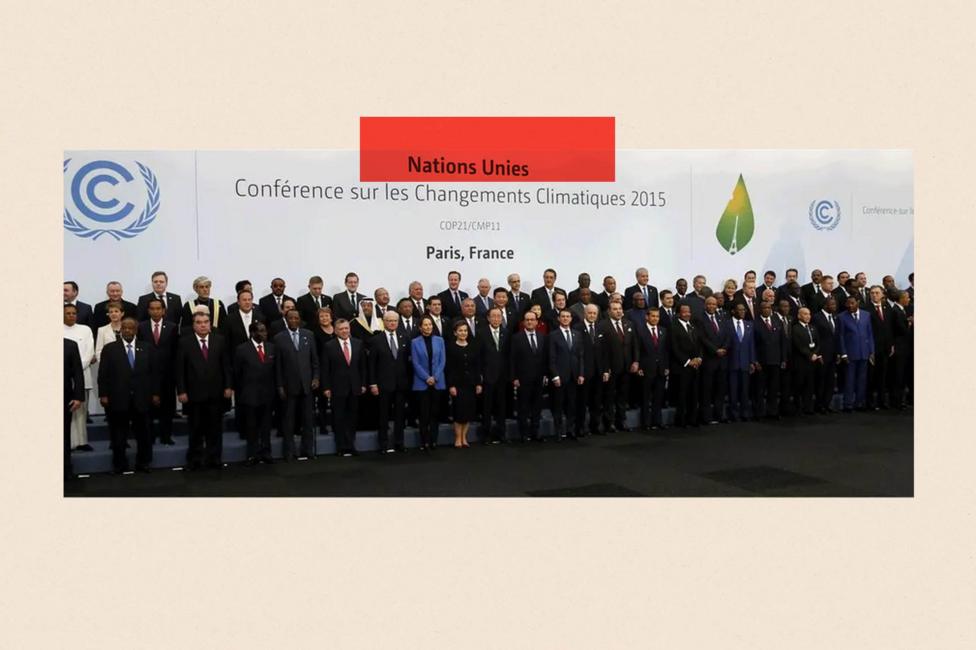
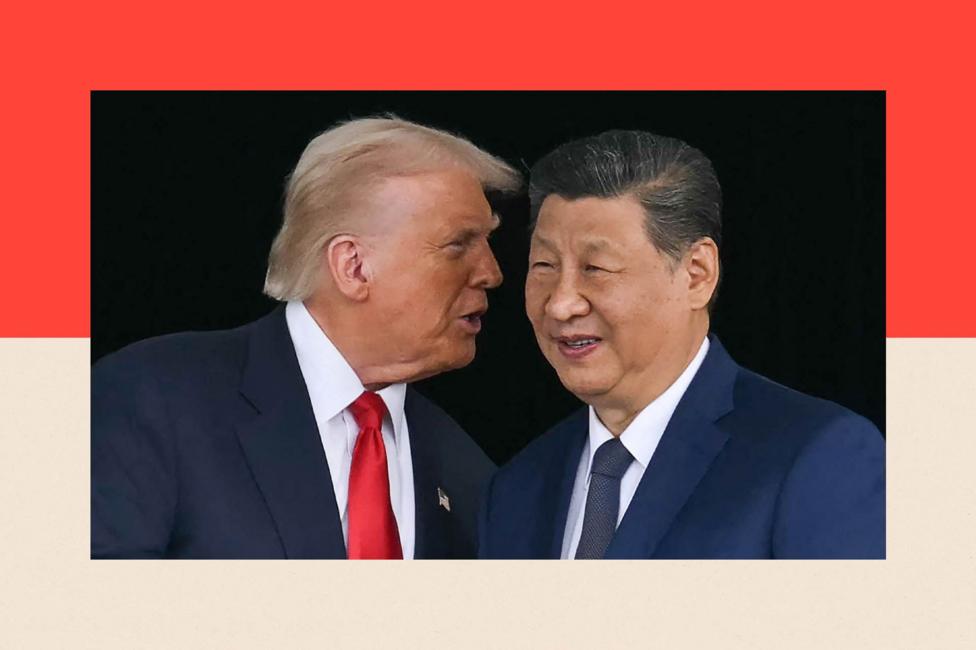
This contrasts sharply with the family photograph from Thursday at the COP30 summit in Brazil. Xi Jinping and Narendra Modi were absent, along with leaders from approximately 160 other countries. Notably missing was US President Donald Trump. The Trump administration has withdrawn from the process entirely and announced it will not send any senior officials this year.
Such absences prompt reflection on the value of a two-week multinational gathering when many leaders are not in attendance. Christiana Figueres, former head of the UN climate process who led the Paris Agreement negotiations, described the COP process last year as "not fit for purpose." Joss Garman, former climate activist and current head of the think tank Loom, concurs, stating,
"The golden era for multilateral diplomacy is over."He adds,
"Climate politics is now more than ever about who captures and controls the economic benefits of new energy industries."
Given that carbon dioxide emissions continue to rise despite 29 such meetings aimed at reducing them, questions remain about the efficacy of future COP gatherings.
Trump and the Climate 'Con Job'
On his first day back in office, Donald Trump used a marker pen to formally withdraw the US from the 2015 Paris Agreement, under which nations committed to limiting global warming to below 1.5°C. At the UN General Assembly in September, he declared,
"This 'climate change' - it's the greatest con job ever perpetrated on the world."He warned,
"If you don't get away from this green scam, your country is going to fail."
Since then, his administration has rolled back regulations on oil, gas, and coal, enacted billions in tax breaks for fossil fuel companies, and opened federal lands for resource extraction. Additionally, the administration has urged other governments to abandon renewable energy programs, promoting US oil and gas exports, sometimes threatening punitive tariffs for non-compliance. Japan, South Korea, and Europe have agreed to purchase tens of billions of dollars worth of US hydrocarbons.
The administration's objective is explicit: Trump aims to position the US as the "number one energy superpower in the world." Concurrently, he has dismantled the clean energy agenda of his predecessor, Joe Biden. Subsidies and tax incentives for wind and solar energy have been reduced, permits withdrawn, and projects canceled, alongside cuts to research funding.
US Energy Secretary Chris Wright explained in September,
"Wind power in the United States has been subsidised for 33 years - isn't that enough? You've got to be able to walk on your own after 25 to 30 years of subsidies."Conversely, John Podesta, senior climate adviser to both Obama and Biden, criticized this stance, saying,
"The United States is taking a wrecking ball to clean energy. They're trying to take us back not to the 20th Century, but the 19th."
"This 'climate change' - it's the greatest con job ever perpetrated on the world," President Trump said in September
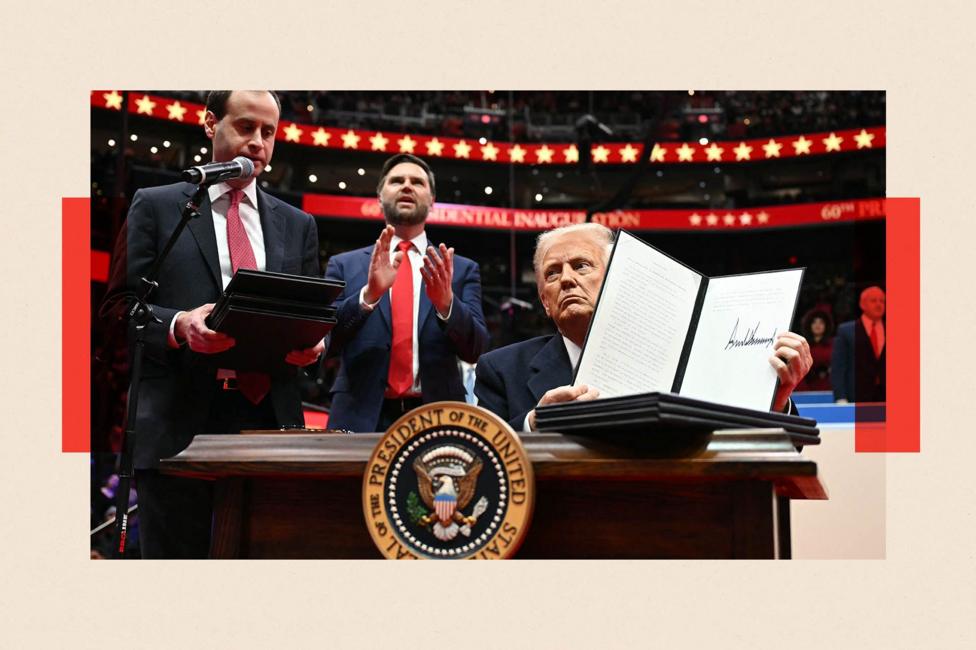
Last month, a landmark agreement aimed at reducing global shipping emissions was abandoned after the US and Saudi Arabia successfully halted negotiations. Supporters of COP express concern that the US approach may encourage other countries to reduce their climate commitments.
Anna Aberg, Research Fellow at Chatham House's Environment and Society Centre, described COP as
"taking place in a really difficult political context"due to Trump's position. She emphasized,
"I think it's more important than ever that this COP sends some kind of signal to the world that there are still governments and businesses and institutions that are acting on climate change."
It’s Too Late to Win at Table Tennis
Trump's policies position the US in opposition to China, which has been investing for decades to dominate global energy supplies through clean technology. In 2023, clean technologies accounted for approximately 40% of China's economic growth, according to Carbon Brief. After a slight slowdown the previous year, renewables represented a quarter of all new growth and now constitute over 10% of the entire economy.
China is extending its energy model globally, engaging internationally beyond COP participation. While the US bets on fossil fuels, China is heavily investing in green technology.
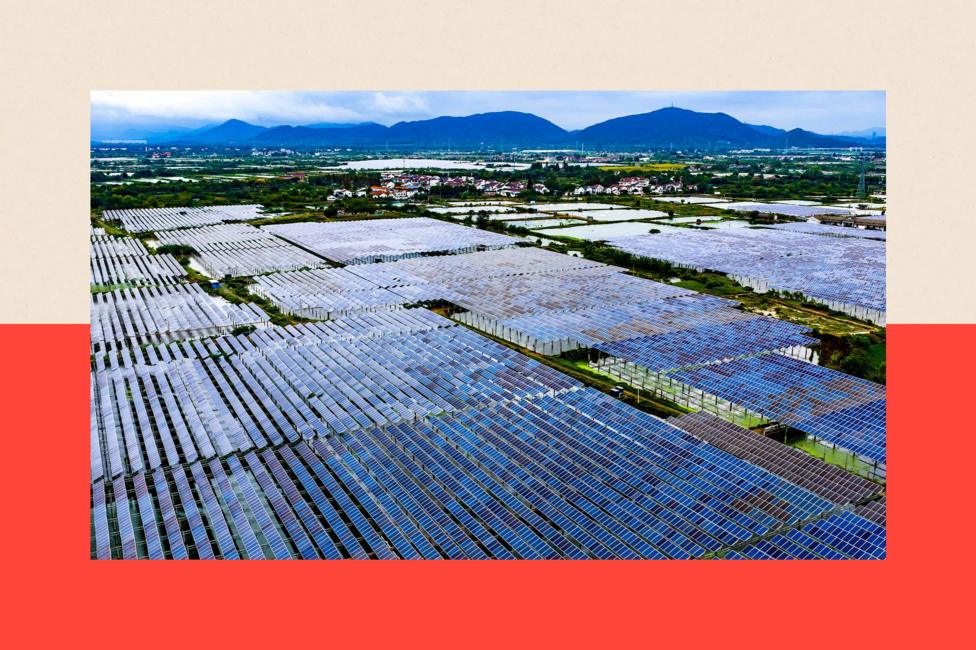
This divergence has reshaped the climate debate into a competition between the world's two superpowers for control over a critical industry. The UK, Europe, and emerging powers such as India, Indonesia, Turkey, and Brazil find themselves caught in the middle.
At this year's conference, a government source from a major developed country remarked,
"Of all the things they're most terrified of, the biggest is being seen to criticise Trump."
European Commission President Ursula von der Leyen warned last month that Europe must avoid repeating past mistakes that led to losing strategic industries to China. She cited the loss of Europe's solar manufacturing base to cheaper Chinese competitors as
"a cautionary tale we must not forget."

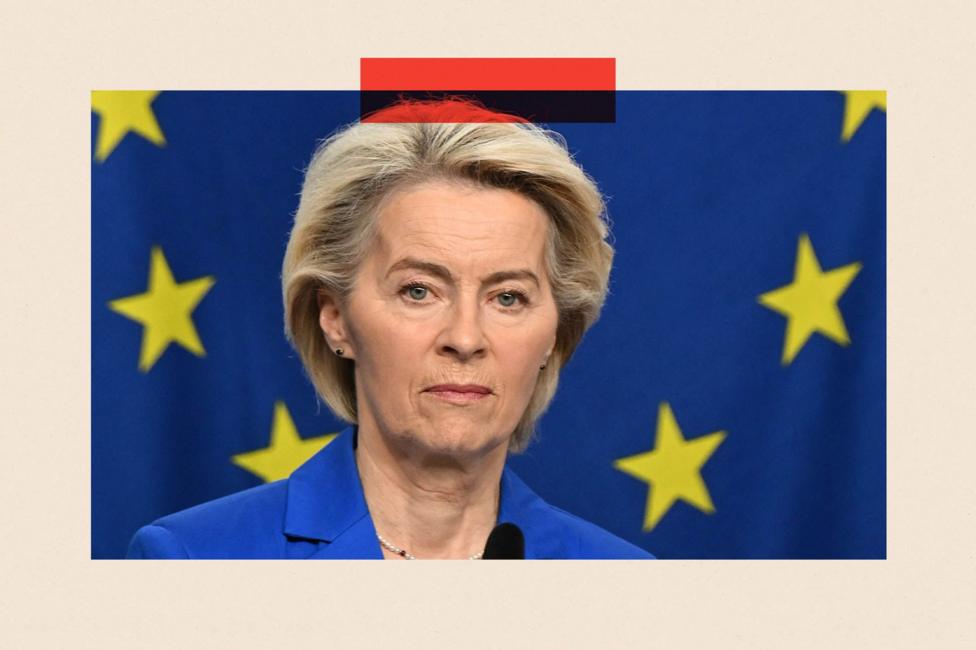
The European Commission projects that the market for renewables and clean energy will expand from €600 billion (£528 billion) to €2 trillion (£1.74 trillion) within ten years, aiming for Europe to capture at least 15% of this growth. However, this ambition may be tardy.
Li Shuo, director of the China Climate Hub at the Asia Policy Institute, stated,
"China is already the world's clean-tech superpower."He described China's dominance in solar, wind, electric vehicles, and advanced batteries as
"virtually unassailable."Comparing the challenge to beating China's national table tennis team, he said,
"If you want to surpass China, you had to get your act together 25 years ago. If you want to do it now, you have no hope."
China manufactures over 80% of the world's solar panels, a similar share of advanced batteries, 70% of electric vehicles, and more than 60% of wind turbines, all at remarkably low prices. The EU's recent decision to raise tariffs on Chinese electric vehicles highlights the dilemma: opening the market risks collapsing Europe's car industry, while closing it may hinder green targets.
Joss Garman argues that restricting Chinese market access could slow emissions reductions but warns,
"If we ignore questions about economic security, jobs, national security, that risks undermining public and political support for the entire climate effort."
COP: New Purpose or Pointless?
Given these geopolitical shifts, Anna Aberg anticipates COP evolving into an annual forum focused on holding countries and organizations accountable, a role she considers
"important."The Brazil gathering follows UN Secretary-General António Guterres's acknowledgment that the 1.5°C target set in Paris will be exceeded, describing this as
"deadly negligence"by the global community.
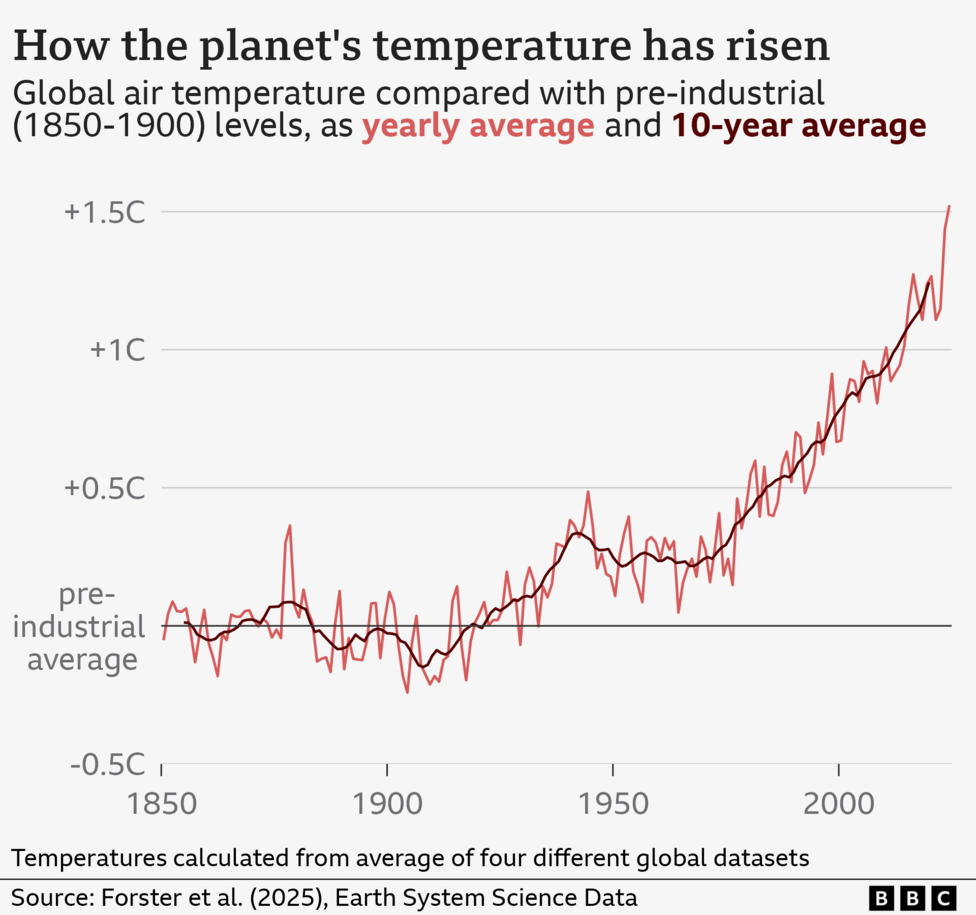
Last year was the hottest on record, and in June, 60 leading climate scientists warned that Earth could surpass 1.5°C within three years at current emission levels. Despite this, skepticism about the necessity of annual COP meetings persists.
Michael Liebreich, founder of Bloomberg New Energy Finance and host of the "Cleaning Up" podcast, stated,
"I think we need one big COP every five years. And between that, I'm not sure what COP is for."He explained,
"You can't just expect politicians to go and make more and more commitments. You need time for industries to develop and for things to happen. You need the real economy to catch up."
Last year was the first on record when global average air temperatures were more than 1.5C above those of the late 1800s. A single 12-month period isn't considered a breach of the Paris agreement, however, with the record heat of 2024 given an extra boost by natural weather patterns
Liebreich advocates for smaller meetings focused on removing barriers to clean energy and suggests that implementation discussions belong in venues like Wall Street, where funding decisions occur, rather than remote locations such as the Brazilian rainforest.
Nonetheless, this year's COP will involve significant negotiations, including efforts to establish a multi-billion-dollar fund to protect major rainforests like the Amazon and Congo Basin.
Michael Jacobs, former climate adviser to Gordon Brown and current politics professor at Sheffield University, emphasizes the importance of continued collective support for the process. He said,
"It's a big political message, because Donald Trump is trying to undermine the collective process, but it's also a message to businesses that they should continue to invest in decarbonisation because governments will continue to enact climate policies."
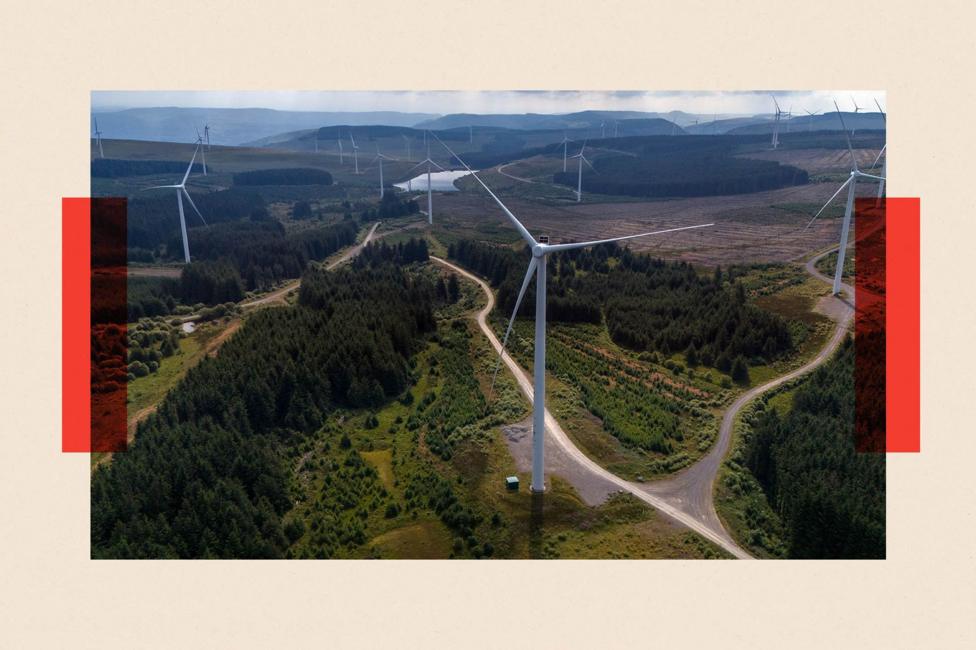
The European Commission forecasted that the market for renewables and other clean energy sources would grow to €2 trillion (£1.74tn) within a decade
UK Energy Secretary Ed Miliband acknowledges that these meetings have achieved tangible progress by encouraging countries to engage in climate action and implement policies that have facilitated the renewable energy revolution. He described the process as
"dry, it's complicated, it's anguished, it's tiring, and it's absolutely necessary."
Many accept the argument for scaling down international gatherings. Ultimately, the fundamental choice for many nations is the degree to which they align with a China-led clean energy revolution or reinforce a fossil fuels–first agenda.
This dynamic leads observers to predict that decarbonization will increasingly depend on substantial bilateral agreements rather than multilateral commitments characteristic of past COPs, shaping the future of these summits.
Top picture credit:
More from InDepth
- The battle over Gaza's future: Why no-one can agree on the rebuild
- How China really spies on the UK
- Britain's energy bills problem - and why firms are paid huge sums to stop producing power
BBC InDepth is the home on the website and app for the best analysis, with fresh perspectives that challenge assumptions and deep reporting on the biggest issues of the day. You can now for notifications that will alert you whenever an InDepth story is published - to find out how.



